Newsletters


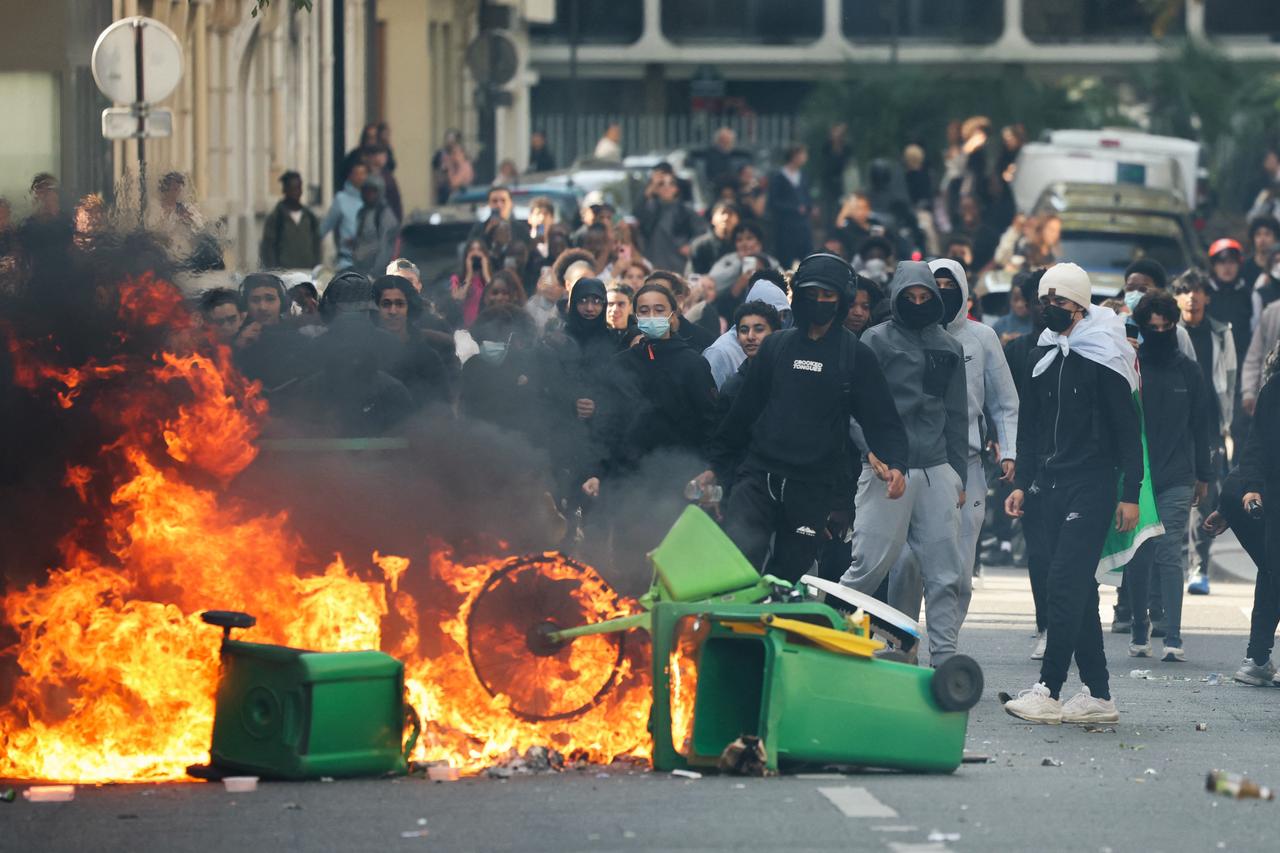


Up to 500 schools across France will be fully or partially closed on Monday as a wave of student protests that began last month continues to roil the country, the education minister said, as authorities brace for large-scale demonstrations planned for Tuesday.
Education Minister Edouard Geffray said Sunday that lessons would be "totally or partly suspended" in roughly 400 to 500 high schools because security conditions "have not been fulfilled."
He said 24 schools had been burned or ransacked since the protests began, and he characterized Monday's closures primarily as a security precaution ahead of the demonstrations called by the movement's leaders for Tuesday.
The protests, which began at a Paris school on September 17, have grown into a nationwide movement led by students at French high schools, known as lycees.
The students say their education is being undermined by high rates of teacher absenteeism, excessively long school days and crumbling facilities, among other grievances.
What started as localized unrest escalated last week into protests marked in some areas by violent clashes between teenagers and police, who have deployed tear gas and truncheons against demonstrators.
Geffray said the number of affected schools Monday would be similar to the total recorded Friday, but he predicted a "partial, progressive return to lessons" in the days ahead.
In the Ile-de-France region surrounding Paris, more than a third of the area's 468 schools will be shut Monday, according to Valerie Pecresse, the region's right-wing president, who spoke to broadcaster Franceinfo.
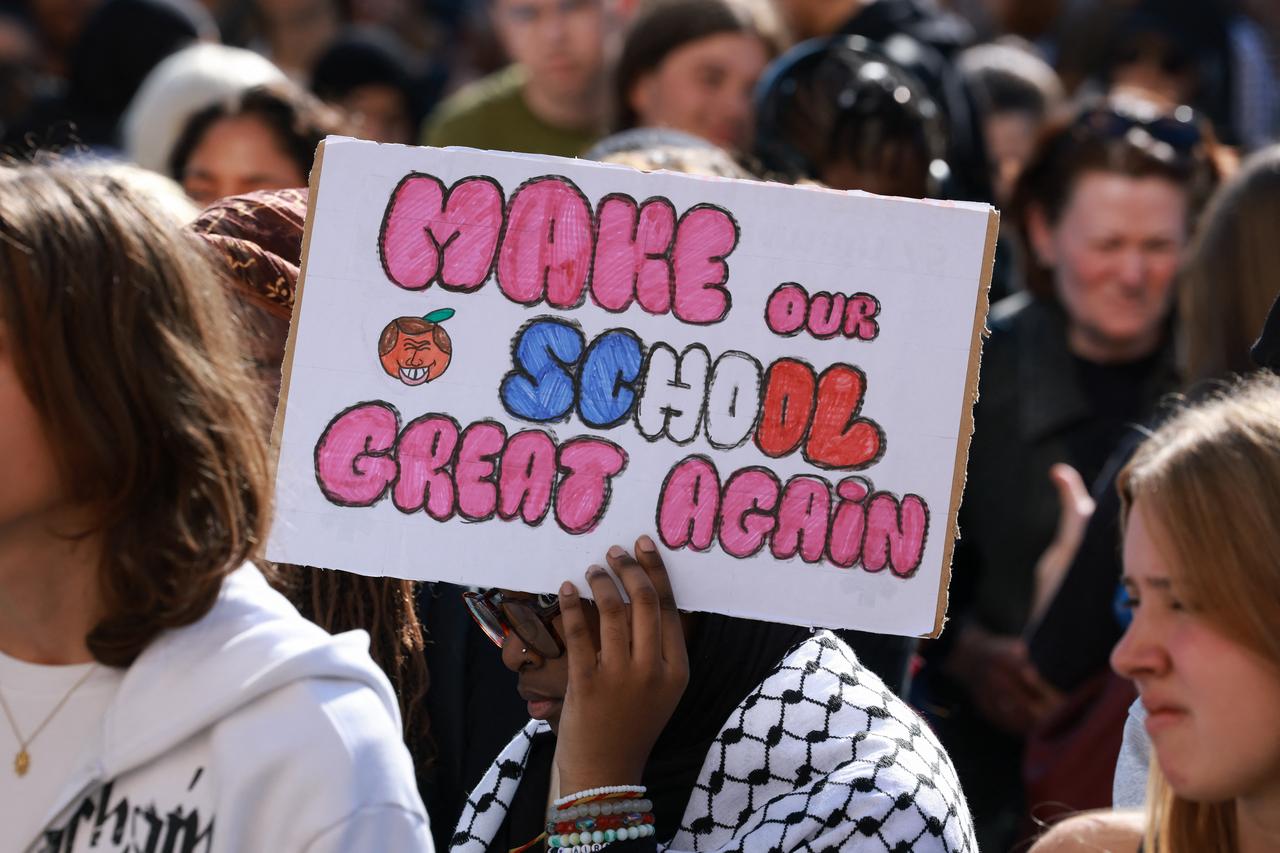

At a gathering in Saint-Denis, just north of the capital, students took turns Sunday describing their experiences at an open-air meeting.
One student said that for young people from disadvantaged districts, "the violence is unleashed," citing a classmate who lost his teeth to a police rubber bullet and another who was struck in the eye.
A 16-year-old student named Campion carried a sign reading, "They say they are listening to us but prefer to gas us." He told AFP he did not understand why the government was deploying so much force "against a case that is valid: our education, our future."
Geffray attributed much of the violence to what he called far-left infiltrators who had "hijacked" the protest movement and "engaged in extreme violence." He said the unrest posed risks to both staff and students, noting that 78 education employees had been injured and saying they "were deliberately targeted because they were employees of the national education system."
Organizers have said the protests will continue Tuesday, arguing the government has yet to offer "concrete measures" in response to their demands.
Prime Minister Sebastien Lecornu laid out a timetable Sunday calling on local authorities to prioritize filling staffing gaps caused by long-term absences and unfilled teaching posts. He also scheduled a meeting for Tuesday with regional presidents to discuss an overhaul of the country's often-dilapidated school buildings.
More than 5,000 people have been arrested since the protests began, 85 percent of them minors. In the southern town of La Ciotat, a 16-year-old was detained Sunday in connection with an assault on a 59-year-old teacher, who was struck and doused with gasoline on the margins of a student protest Friday.
In Belfort, in eastern France, footage circulated last week showing a group of young people beating and kicking a police officer who was on the ground, images that drew condemnation from officials.
Two Bulgarian nationals, aged 15 and 17, have been arrested and are under investigation on suspicion of aggravated violence, according to the prosecutor handling the case. One of the two, whom the officer had been attempting to arrest before he was beaten, has since filed his own complaint alleging attempted murder, his lawyer said.
The French branch of Amnesty International criticized what it called "disproportionate police violence" in the government's handling of the demonstrations, saying students must be permitted to voice their grievances.
"Authorities must allow young people to exercise these rights without fear of being hit by tear gas grenades or batons, or being arbitrarily taken into police custody," said Anne Savinel-Barras, president of Amnesty France.
Interior Minister Laurent Nunez rejected that characterization, saying security forces "are not cracking down on young people" but are instead "protecting" school and university students who wish to "peacefully voice their demands."


 Set as preferred source
 Set as preferred source


 1 min read
 3 min read