Newsletters


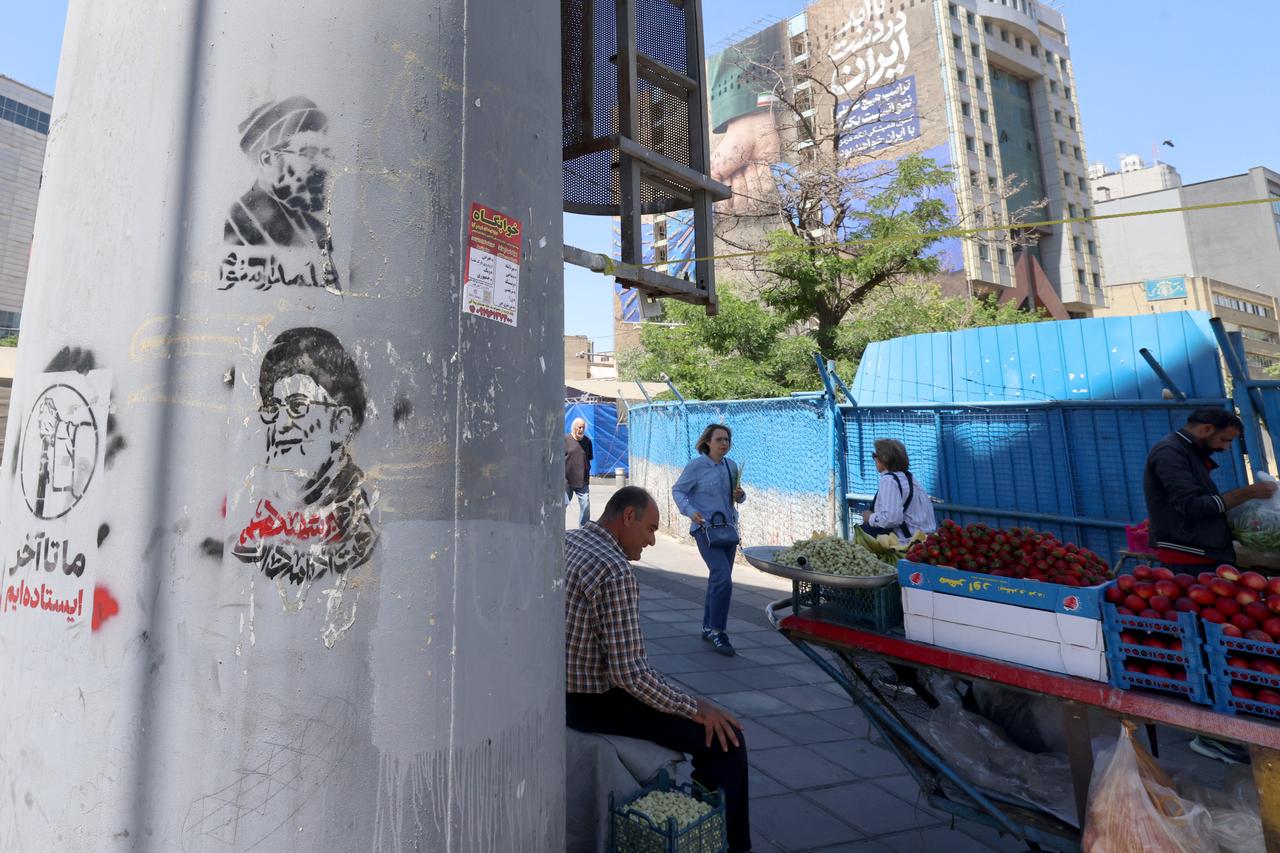


Iran's Intelligence Ministry stated on Wednesday that the United States and Israel, having failed to achieve the overthrow and partition of Iran through military attack, were now pursuing those objectives through other means.
"The enemy is now pursuing through other means the objective of overthrowing and partitioning the country, which it openly declared at the beginning of the recent war but failed to achieve through military attack," the ministry said in a statement carried by Iranian media.
The Iranian Intelligence Ministry outlined seven priority areas it said the "hostile enemy" was focusing on.
First, "intensifying economic pressure and exploiting shortages and price rises to provoke social unrest through enemy agents and foreign Persian-language media."
Second, "ethnic and religious incitement aimed at breaking up the unity of the country's recognized ethnicities and faiths."
Third, "deploying mercenaries of Zionist groups for terrorist operations and border violations, particularly in northwestern and southeastern Iran." The ministry specifically noted that "attempted ground incursions by Kurdish armed groups from the west and northwest during the war had been defeated by the IRGC and army forces acting on intelligence it had provided."
Fourth, "assassination and sabotage operations inside Iran by group operatives and foreign elements."
Fifth, "large-scale smuggling of weapons, ammunition and illegal communications equipment, with Starlink satellite devices specifically named." The ministry specifically cited Trump's acknowledgment of sending weapons to Iran as evidence, alongside the seizure of "thousands of light and semi-heavy weapons it said its intelligence community had discovered."
Sixth, "the use of Persian-language foreign media outlets, named as BBC Persian, Voice of America, and what the ministry called the 'terrorist media' Iran International, to carry out missions including recruiting spies, collecting geolocation data for bombings and terrorist operations, identifying residential areas and schools as bombing targets and conducting political, social and ethnic incitement."
The ministry also cited the social media platform X as a tool for "social incitement and intelligence collection."
Seventh, "cyberattacks."
The ministry warned that "any unrest, espionage, contact with terrorist media and separatist activities will be strictly prosecuted."


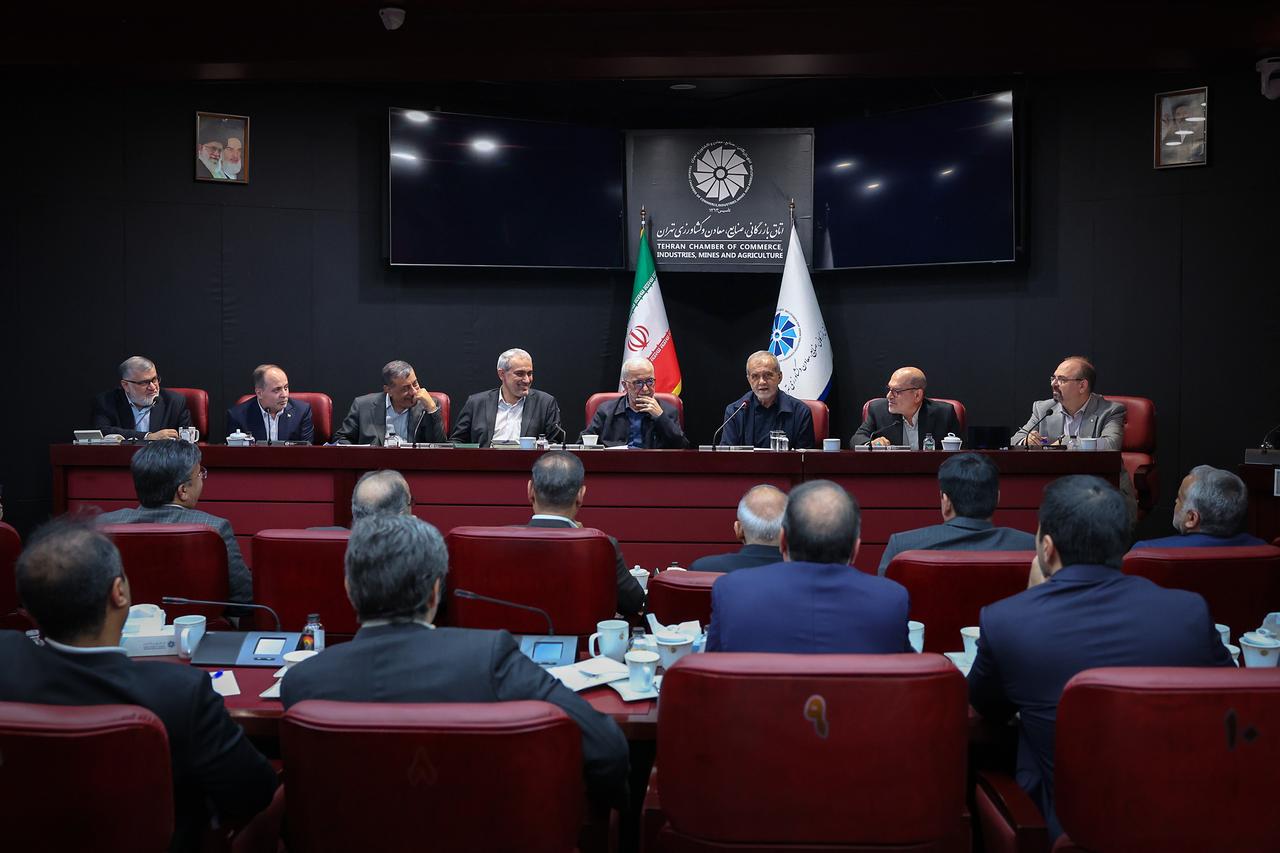
Speaking at a Tehran Chamber of Commerce meeting earlier this month, Iranian President Masoud Pezeshkian identified the economy as the main battlefield.
"The main battleground today is the economic war. After failing to achieve its objectives on the military front, the enemy has focused on damaging the country's economic resilience and disrupting the livelihoods of the people," Pezeshkian said, according to Tasnim.
He urged private-sector leaders to strengthen their operations, saying that a more capable and agile private sector would directly increase national power in the face of external threats.
Regional tensions boiled over in February when the U.S. and Israel launched surprise attacks on Iran, prompting Tehran to retaliate with barrages of drones and missiles that hit targets across the region as Iran shuttered the Strait of Hormuz.
A ceasefire took effect on April 8, mediated by Pakistan, and was later extended indefinitely by U.S. President Donald Trump.


 Set as preferred source
 Set as preferred source



 2 min read