Newsletters


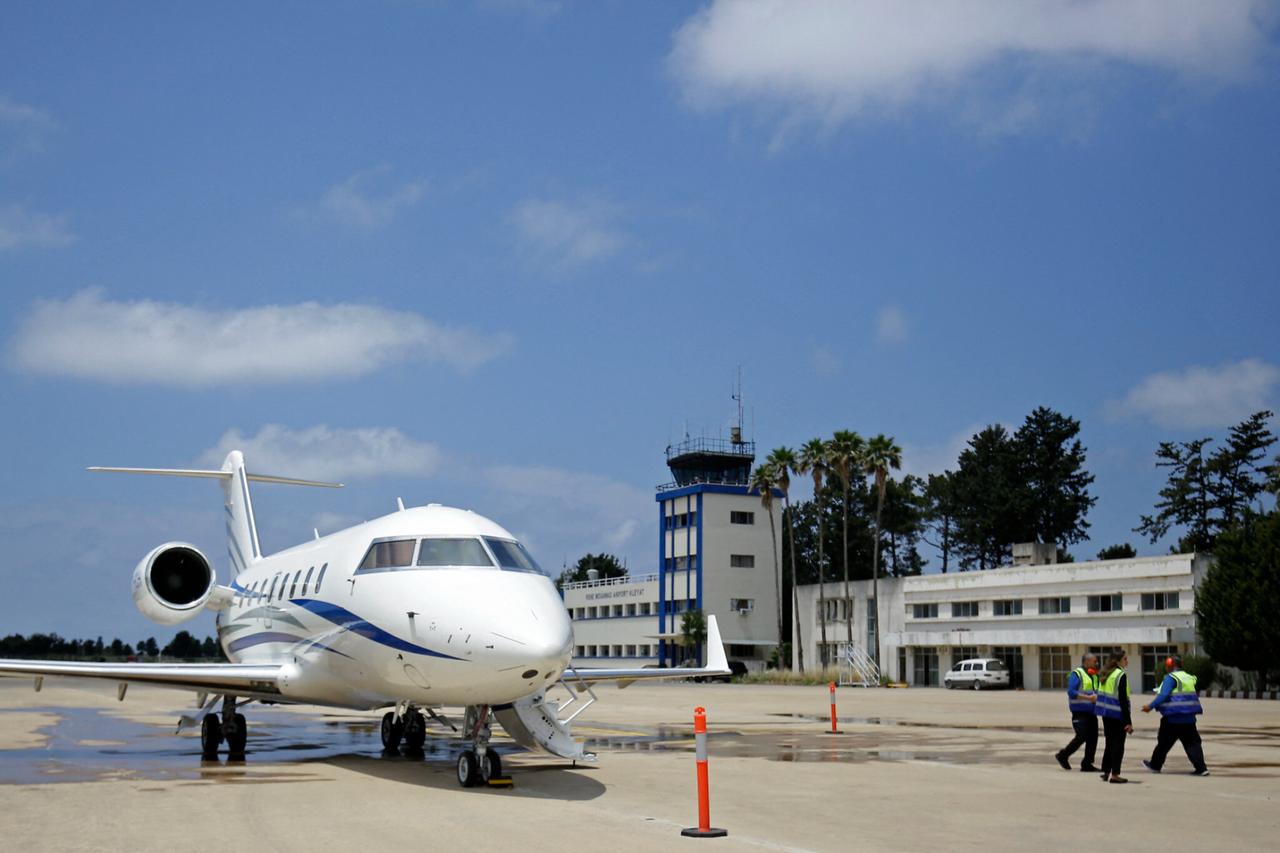


On June 6, an unusual flight carrying Lebanese Prime Minister Nawaf Salam took off from Beirut’s Rafik Hariri International Airport. The ceremonial domestic flight was bound for Rene Mouawad Airbase in Akkar, which is planning to open to civilian flights.
A second civilian airport in northern Lebanon has long been awaited. For decades, Beirut Rafik Hariri International Airport has served as the country’s only civilian gateway to the world, despite its exposure to war, political controversy and repeated security concerns.
Lebanon’s geography has made air travel particularly important. With a closed border to Israel in the south and a war-torn Syria to the east and north, the country’s international access has remained heavily concentrated in a single airport.
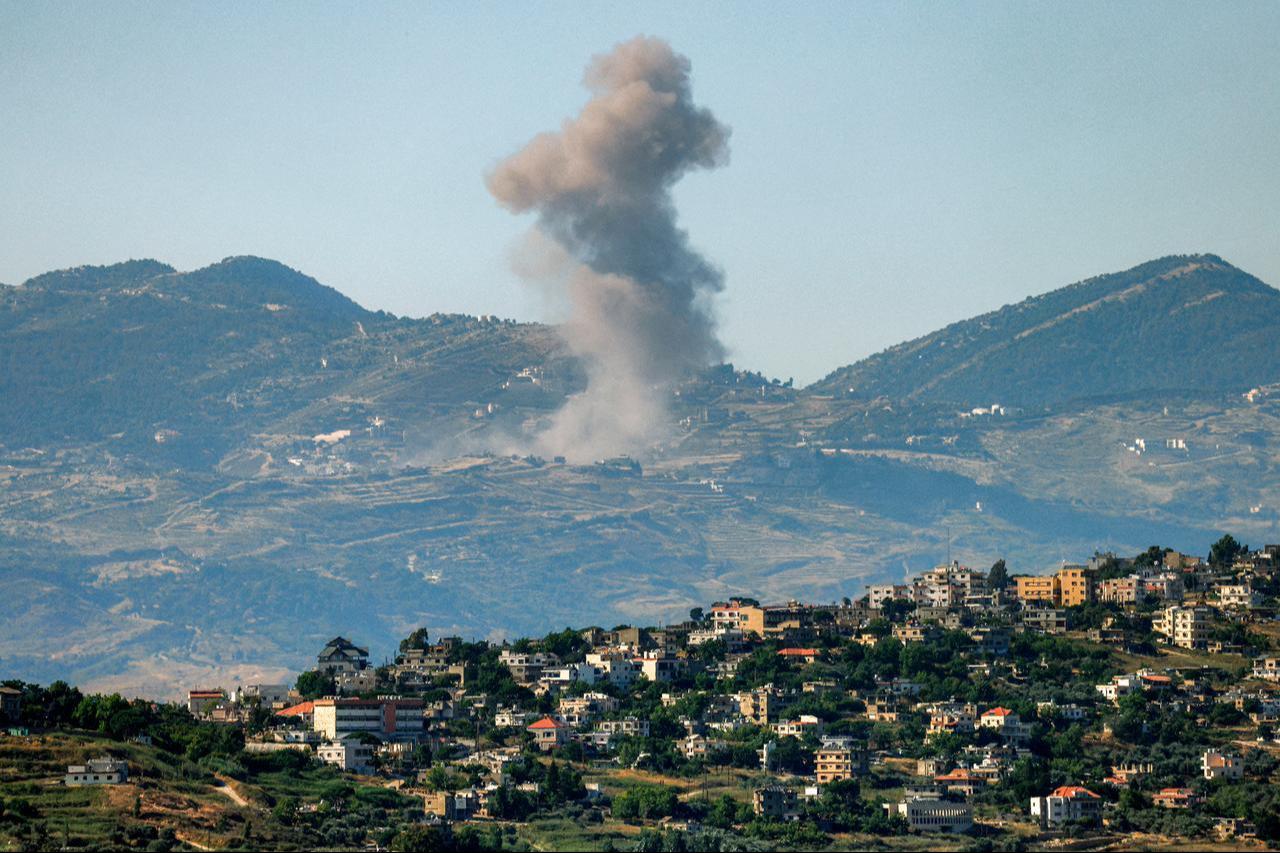
However, since Oct. 7, 2023, Beirut airport has faced the threat of Israeli air strikes. Its proximity to Beirut’s southern suburbs, a predominantly Shiite area widely regarded as Hezbollah’s main stronghold, as well as alleged networks of influence inside the airport itself, has made it a sensitive and vulnerable site during periods of escalation.
In February, Lebanese Foreign Minister Youssef Rajji warned that Israel could target the airport in the event of further escalation.
The conversion of Rene Mouawad from a military airfield into a civilian airport therefore gives Lebanon a much-needed breathing space, offering a second gateway to the outside world, one that lies at a safe distance from the chaos surrounding Beirut.
The airport is also expected to bring economic benefits. Akkar, one of Lebanon’s poorest and most neglected regions, has long suffered from weak infrastructure and limited state investment.
The airport could become a new source of economic activity for a region often left on the margins. Located around 7 kilometers (4.35 miles) from the Syrian border, it could serve both Syrian and Lebanese travellers
The airport could also ease travel for the Lebanese diaspora. For years, expensive flights into Lebanon’s only civilian airport have made returning home difficult for many expatriates.
The possible arrival of low-cost carriers such as AJet, Pegasus and Air Arabia has raised hopes that Rene Mouawad Airport could offer cheaper routes into the country.
Since much of Lebanon’s tourism income depends on diaspora visits, and tourism is estimated to account for around 20 per cent of GDP, this could have a significant impact.

 1 min read
After Oct. 7, attacks around the Bab el-Mandeb strait disrupted a vital maritime route. The war on Iran and the closure of the Strait of Hormuz, through which around 20% of the world’s oil passes, disrupted another. International actors are now seeking alternatives with greater urgency.
As TotalEnergies CEO Patrick Pouyanne put it, bypassing the Strait of Hormuz has become an "absolute priority." In response, a land corridor linking the Gulf to the Mediterranean coast has emerged as a viable alternative to overreliance on Hormuz. This shift has given the Levant renewed strategic importance, positioning it as the gateway to the corridor.
This reorientation is already visible, with growing activity around logistics infrastructure in Lebanon and Syria. The planned revitalization of Rene Mouawad Airport, in particular, can be seen as part of this broader momentum.
Türkiye and Saudi Arabia have advanced plans to revive and modernize the historic Hejaz Railway through Syria and Jordan. The route is expected to facilitate the movement of goods, energy and passengers, and has been described by Turkish Transport Minister Abdulkadir Uraloglu as a bridge connecting Europe and the Gulf.
French-owned CMA CGM, which operates Lebanon’s ports of Beirut and Tripoli, has signed agreements with Syria to expand, modernise and operate the port of Latakia, as well as dry ports in Adra and Aleppo. A French company run by a Lebanese family with Syrian roots, CMA CGM sits at the centre of France’s wider strategic vision for the Mediterranean.
Russia, on the other hand, is still trying to remain part of this new equation. It continues to control the Tartus naval base, while Latakia International Airport, currently not in civilian use, sits within the same complex as the Russian-controlled Hmeimim Air Base.
If reopened to civilian flights, Latakia could become a future competitor to Rene Mouawad Airport. Discussions between Syria and Russia over the future of these strategic hubs are still ongoing.
These two military facilities may partly be reformatted into logistics hubs. This could allow Moscow to preserve its influence in the Eastern Mediterranean, where it has maintained a strategic presence since 1971. Russian Foreign Ministry spokeswoman Maria Zakharova has already referred to the possible “reformatting” of their functionality.
The UAE is also keen to become a major player in the Levant’s logistics sector. AD Ports Group has acquired a minority stake in Latakia from CMA CGM, while Dubai-based DP World has signed a 30-year concession to develop and operate the Port of Tartus.
Saudi Arabia’s appointment of Fahd bin Abdulrahman al-Dosari as ambassador to Beirut, along with its decision to lift the five-year import ban on Lebanese goods imposed during the October 2021 diplomatic crisis, can also be seen as a sign of Lebanon’s renewed importance in this emerging regional order.
There is now a growing need to reintegrate Syria and Lebanon into the wider region after Syria’s devastating 14-year war and Lebanon’s deep internal crisis.
Both countries sit on the route between the Gulf and the Mediterranean, making them part of a strategic corridor in which regional powers are increasingly trying to position themselves.
Rene Mouawad Airport sits at the center of this emerging equation, as northern Lebanon becomes a potential gateway in this Gulf-to-Mediterranean land corridor.


 Set as preferred source
 Set as preferred source


 1 min read