Newsletters





U.S. Treasury Secretary Scott Bessent said Sunday that Washington was entering an "economic D-Day" against Iran, aiming to further isolate Tehran as Iran’s parliament moved to allow fees on vessels passing through the Strait of Hormuz.
While the negotiations between both sides over the management of the Strait of Hormuz and implementation of a ceasefire deal reached in June remain stalled, Bessent described the move as an "endgame" strategy after Tehran's military capabilities had been degraded.
"President (Donald) Trump has dismantled Iran’s military capabilities, destroyed nearly 100% of its military factories, and buried its nuclear program," Bessent said. "We are now entering the endgame. At dawn begins an economic D-Day—the single greatest financial offensive ever marshaled against an adversary."
Bessent said the administration intended to use every available resource to further isolate Iran economically and cut off sources of support for the Iranian government.
"The President has created the conditions to leverage every agency, every authority and action many assumed we would never summon. Our objective is to sever every economic lifeline that sustains the tyrannical regime until Tehran stands alone," Bessent wrote.
He also warned governments and other actors against assuming Washington would be unwilling to impose costs on those challenging its Iran policy.
"The Islamic Republic has subsisted by dressing extortion as security guarantees. It has drawn strength from a calculus that regards Iranian retaliation as certain and American enforcement as negotiable. Under President Trump, that era is over. And those who fear the danger of defying Tehran ought not to discount the cost of testing Washington," he added.
Bessent did not provide details on the specific economic measures or agencies that would be involved in the planned offensive.
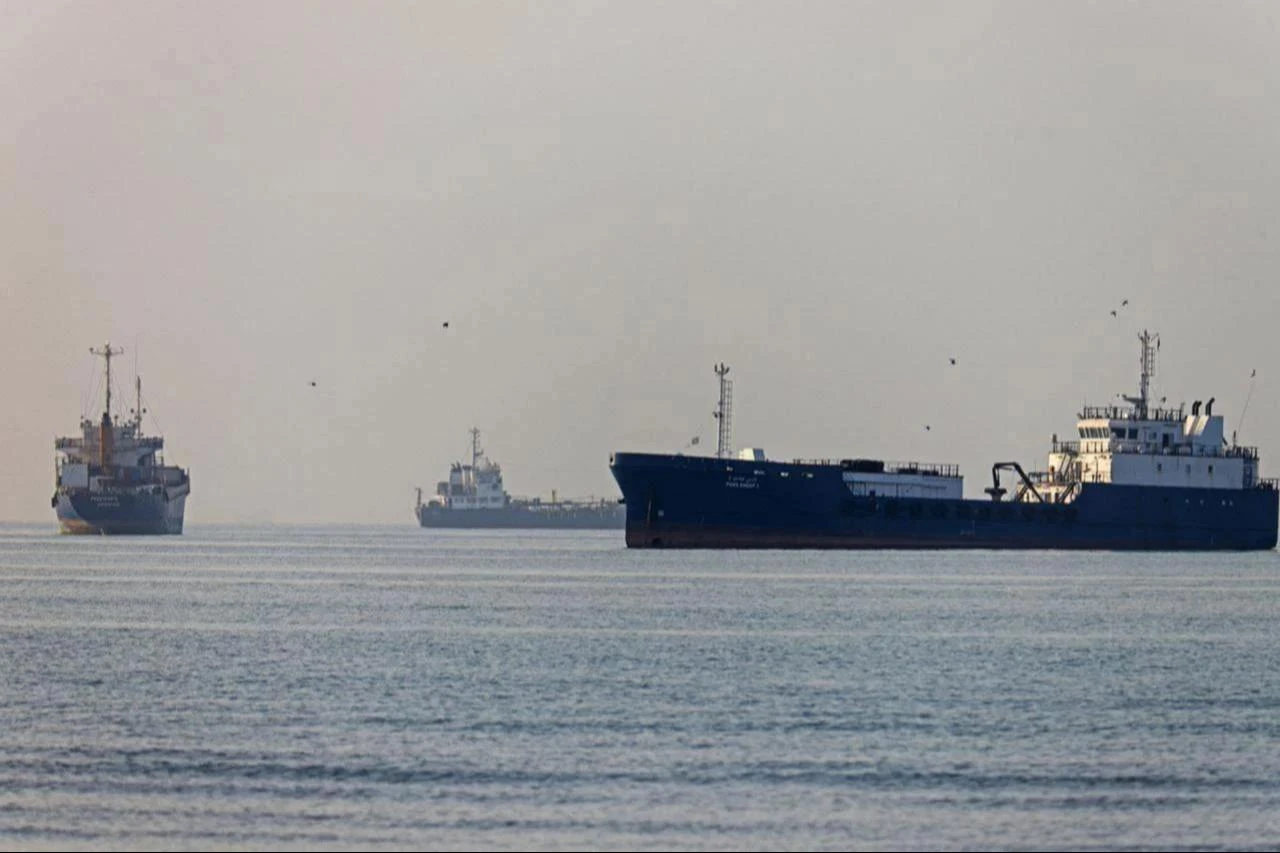

Earlier that day, Iran’s state-run IRNA reported that the Iranian parliament’s National Security and Foreign Policy Committee had approved a provision allowing Tehran to charge ships passing through the Strait of Hormuz.
The committee continued its review of the proposed "Strategic Action Plan to Ensure the Security and Development of the Strait of Hormuz" and approved Article 3 after consideration of the provision had been postponed at a previous meeting.
The provision would allow Iran to charge fees for navigation and environmental services, fuel supplies in special cases, insurance, security and other services provided in the strait.
Committee spokesperson Hassan Qashqavi said the fees would be collected from vessels belonging to countries permitted to pass through the strait and paid in Iranian rials or another currency designated by Tehran.
He maintained that the draft legislation takes into account the rights of states bordering the Strait of Hormuz.
The text recognizes freedom of maritime navigation under international law and regulations while emphasizing respect for the security and sovereignty of coastal states and the protection of their rights, he added.
Following the move, Iran’s Persian Gulf Strait Authority urged companies transporting cargo to or from the Gulf to check an updated list of vessels accused of violations before chartering ships.
The authority said vessels cooperating with ships already on the list would also be added from Sunday, including those involved in ship-to-ship cargo transfers, transshipment and similar operations.
Vessels seeking removal from the list must submit a formal request explaining the grounds for doing so, the authority added.
Secretary of the Supreme National Security Council Mohsen Rezaei also warned that if the economic war continued, not a single drop of oil would be exported through the Strait of Hormuz or from anywhere in the Persian Gulf.
"Iran will regard any country’s participation in or support for America’s economic war against the Iranian people as an act of war," Rezaei said.


 Set as preferred source
 Set as preferred source


 1 min read
 1 min read