Newsletters


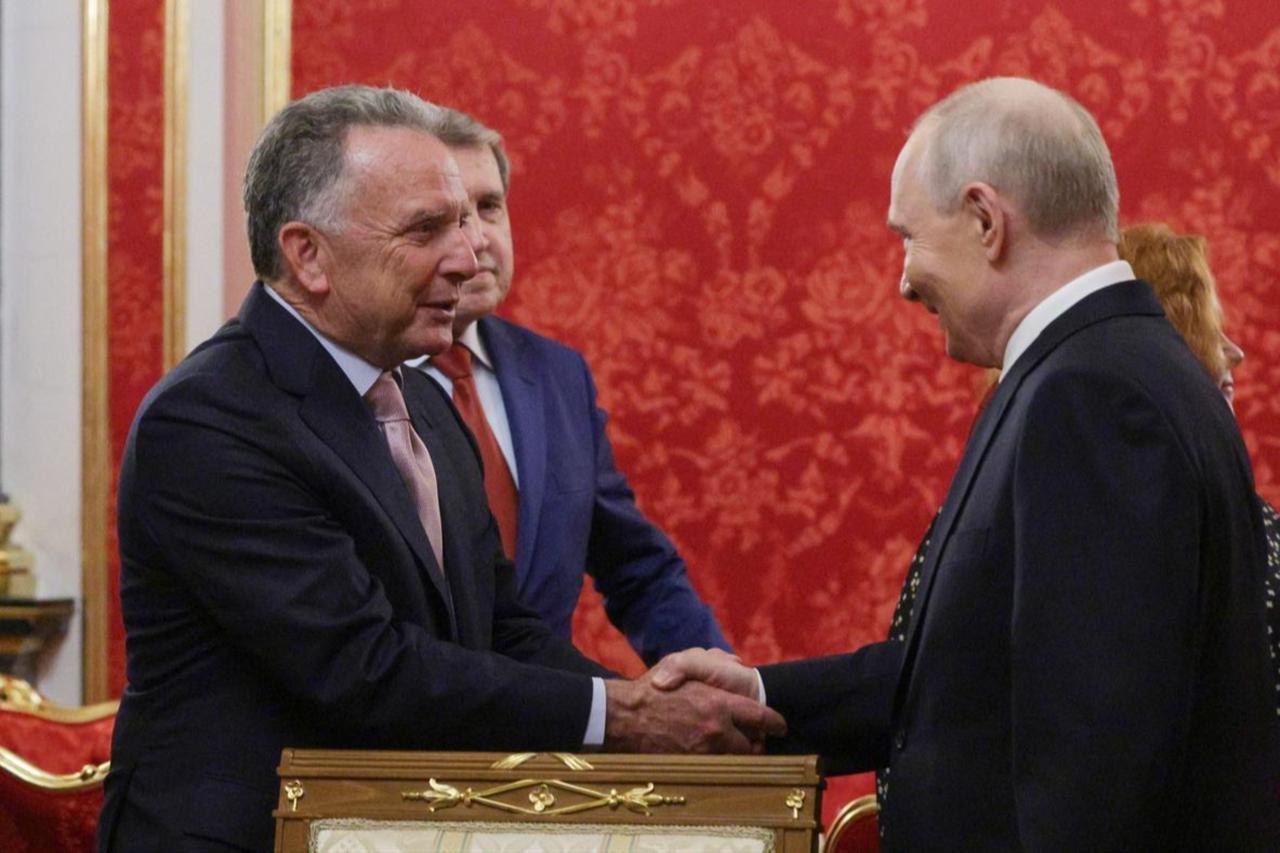


U.S. special envoy Steve Witkoff plans to travel to Russia for a potential meeting with President Vladimir Putin after holding talks with Ukrainian President Volodymyr Zelenskyy and European leaders in Oslo on Tuesday, according to a report.
The planned visit comes as U.S. President Donald Trump said Monday that it may be time for someone other than Ukrainian President Volodymyr Zelenskyy to negotiate on Kyiv’s behalf, further escalating his criticism of the Ukrainian leader.
A U.S. official told Axios that Witkoff is expected to present Putin with ideas developed in consultation with Ukraine and its European partners, aiming to build a proposal that could serve as the basis for renewed negotiations with Moscow.
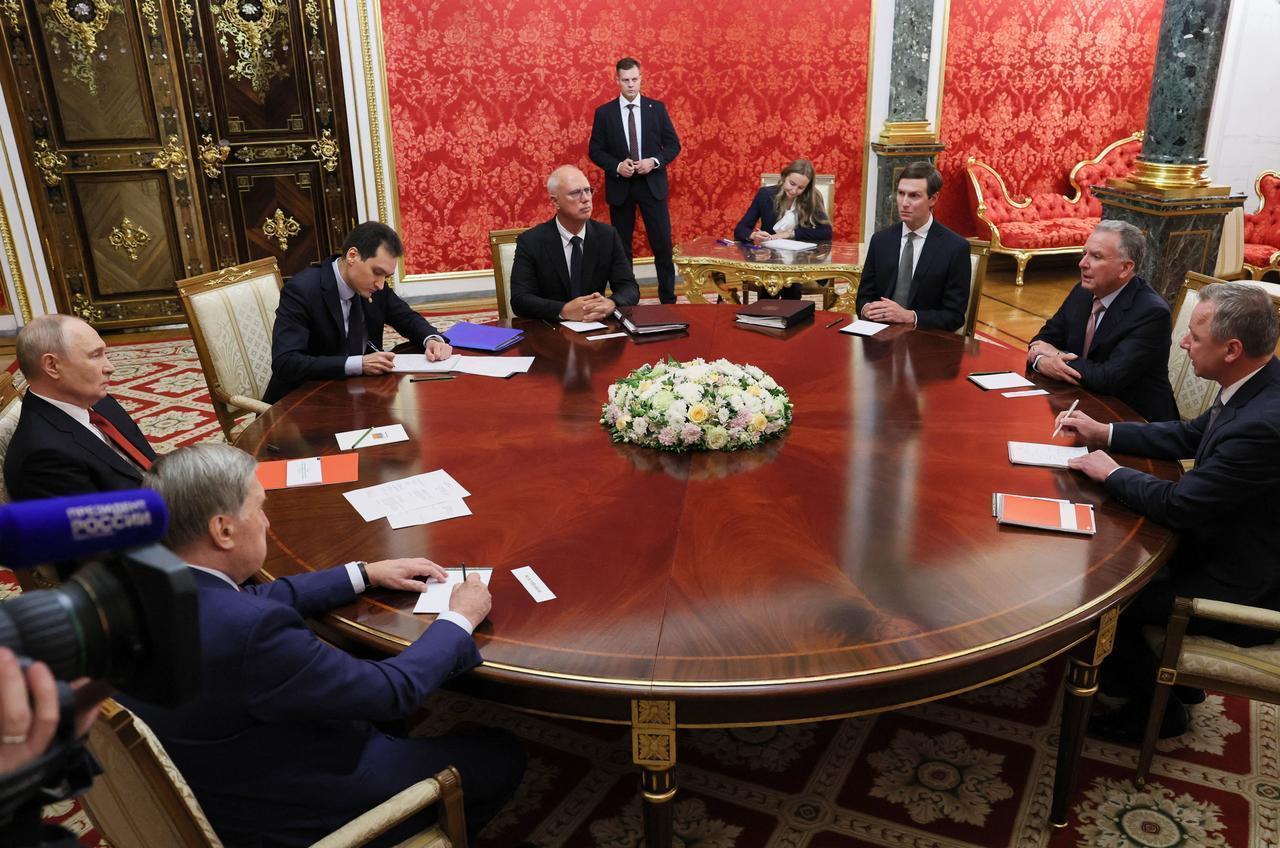
Witkoff and Kushner last met Putin in Moscow on Sept. 5, holding more than three hours of talks on possible ways to end the war. The meeting produced no public breakthrough, although both sides described the discussions positively.
The U.S. envoys traveled to Kyiv the following day to meet Zelenskyy and Ukrainian officials, with talks covering security guarantees and postwar economic recovery.
The Oslo talks are expected to bring together Zelenskyy, Norwegian Prime Minister Jonas Gahr Store, representatives of Britain, France, Germany and Poland, and officials from the EU and NATO, as the allies work to put forward a joint peace plan for Russia.
The proposals take shape after a week of consultations among American, Ukrainian and European officials. Zelenskyy agreed to work through the ideas from earlier discussions in Miami, aiming to lay the groundwork for a comprehensive peace deal.
Witkoff and Trump adviser Jared Kushner spoke with Zelenskyy on Sunday to assess the progress made so far and map out the next steps. Kushner, who has the flu, will take part in Tuesday’s meeting remotely.
Witkoff’s planned Russia trip is also expected to include efforts to free Stephen Hubbard, a retired American teacher whom the U.S. considers wrongfully detained.
The peace effort focuses on two priorities, securing Ukraine’s postwar future and developing terms to end the fighting, the report suggested.
The first covers security guarantees, closer ties with Europe and an economic framework to meet Ukraine’s financial needs and attract long-term investment.
The second seeks to address the key issues preventing an end to the war, establish a lasting security framework between Russia and Europe, and explore postwar economic cooperation.

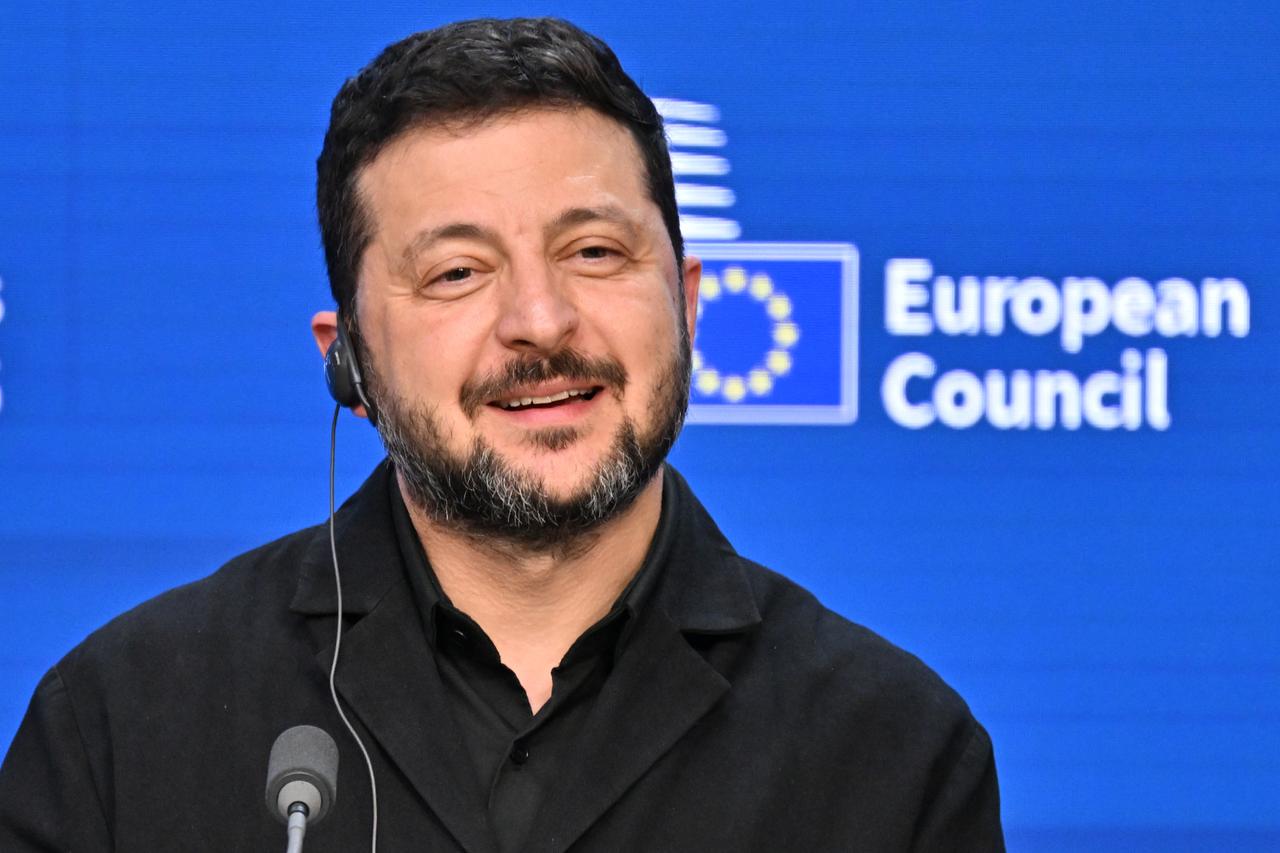
Trump told reporters on Monday that Zelenskyy should have reached a peace deal with Russia earlier and could have secured better terms if he had followed Washington’s advice.
"Zelenskyy doesn't know what he's talking about. Zelenskyy is a man that should have had this war settled a long time ago," Trump said. "If he would have listened to me, he would have made a much better deal a long time ago."
The U.S. president also expressed openness to efforts to end the war through talks with Russian President Putin and Chinese President Xi Jinping, even without Zelenskyy at the table.
Asked whether he would meet the two leaders to discuss ending the conflict without the Ukrainian president, Trump replied that he would do "anything I can do to end the war, whether somebody's there or not."
"I think it's time for somebody else to negotiate on behalf of Ukraine because what's happened? A tremendous number of people are dead. They're losing their male population," Trump said. "Maybe it's time for Zelenskyy to get somebody else to negotiate."
Trump’s latest criticism comes as Zelenskyy pushed back against Washington’s decision to ease sanctions on Moscow. Trump announced a deal to buy Russian diesel fuel and signed an executive order waiving key sanctions, prompting Zelenskyy to warn that easing restrictions without a lasting de-escalation agreement would signal weakness.
"Any easing of sanctions against Russia without a clear and lasting de-escalation agreement with Russia is an obvious weakness," Zelenskyy said.


 Set as preferred source
 Set as preferred source


 1 min read
 1 min read