Newsletters


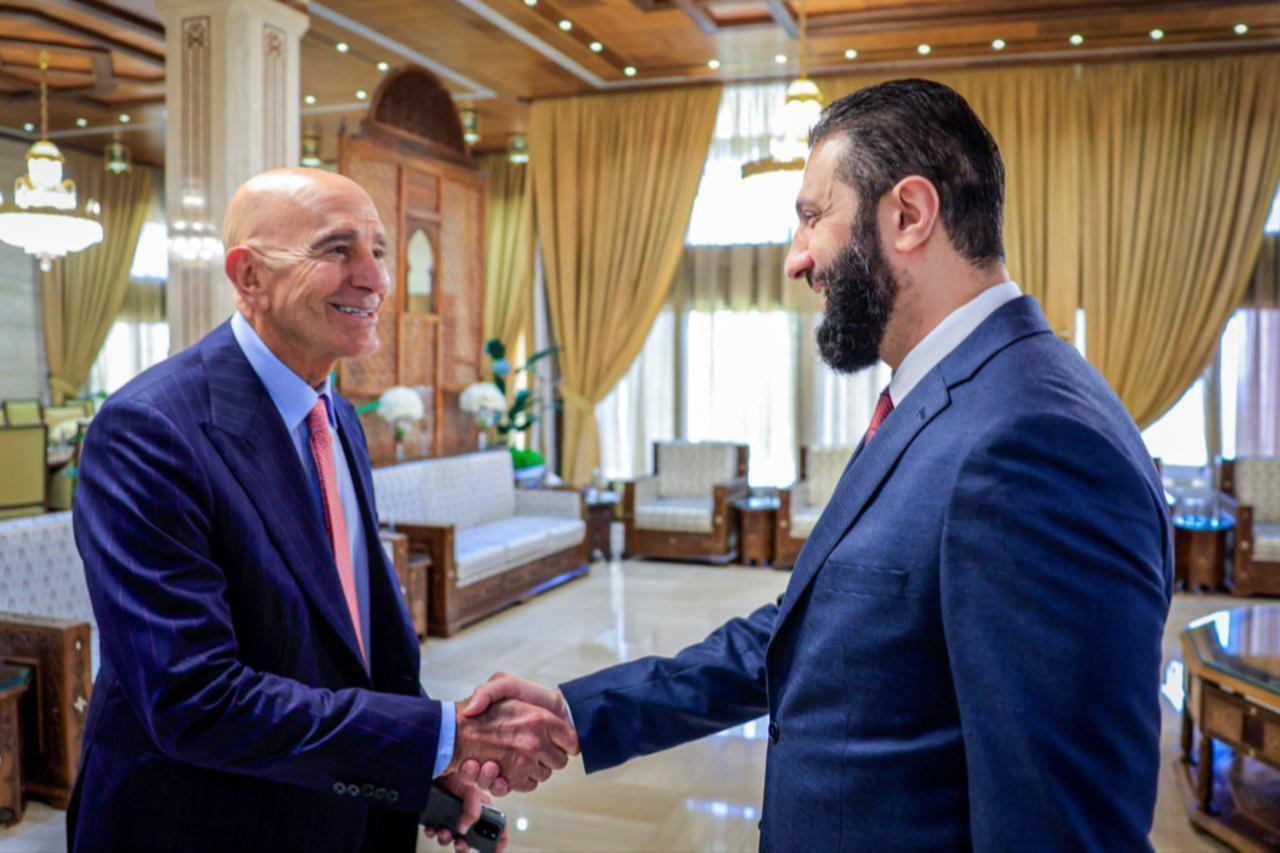


The United States' role in supporting the SDF terror group as a counterterrorism force against Daesh has "largely come to an end," U.S. Ambassador to Türkiye and Special Envoy for Syria Tom Barrack said Tuesday, as the Syrian government announced a four-day deadline for the group to present a detailed integration plan for Hasakah governorate.
Barrack's remarks signal a potential shift in American policy toward SDF terrorists that has controlled northeastern Syria since battling Daesh with U.S. backing. The comments came as the Syrian presidency announced it had reached an understanding with the SDF terror group on key principles for administering Hasakah, giving the group until the end of the week to develop a comprehensive administrative and military mechanism.
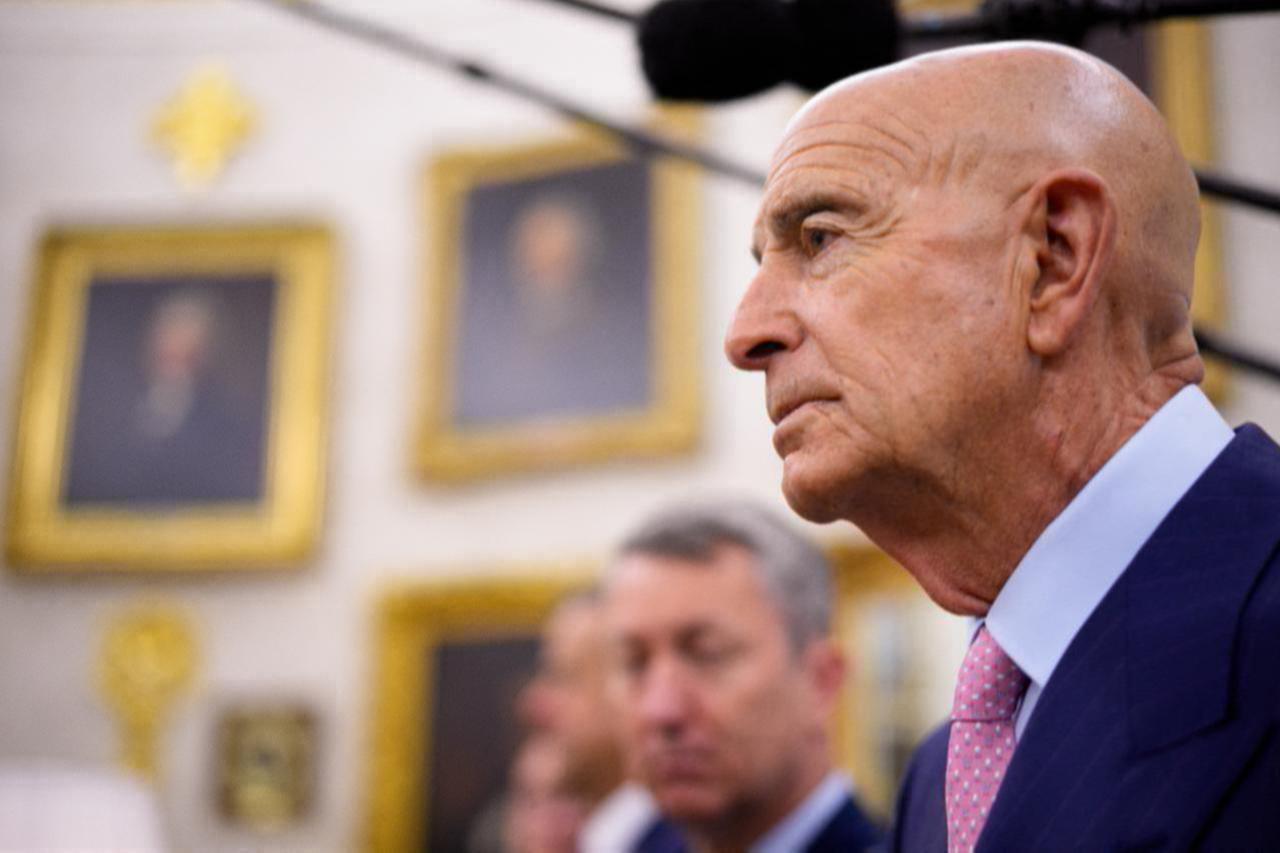

Speaking about the future of Syria's Kurdish population, Barrack said the greatest opportunity for Kurds in Syria now rests with the new government led by President Ahmed al-Sharaa in the post-Assad transition period.
"Syria now has a recognized central government that will cooperate with the United States in the fight against terrorism," Barrack said, suggesting Damascus could assume the counterterrorism role previously filled by the SDF terror group.
 1 min read

Under the agreement announced by the Syrian presidency, the SDF terror group has been granted four days to develop a detailed plan for integrating Hasakah governorate into the Syrian state structure. The understanding stipulates that Syrian military forces will not enter the centers of Hasakah and Qamishli cities or Kurdish villages, with only local security forces permitted in those areas.
SDF ringleader Mazloum Abdi is expected to nominate candidates for assistant minister of defense and governor of Hasakah, as well as propose names for representation in the People's Council and positions within Syrian state institutions.
The Syrian military has advanced east of the Euphrates River in recent days, taking control of the Kabur Dam south of Hasakah as intermittent clashes continued around Mount Abdulaziz.


 Set as preferred source
 Set as preferred source


 1 min read