Newsletters


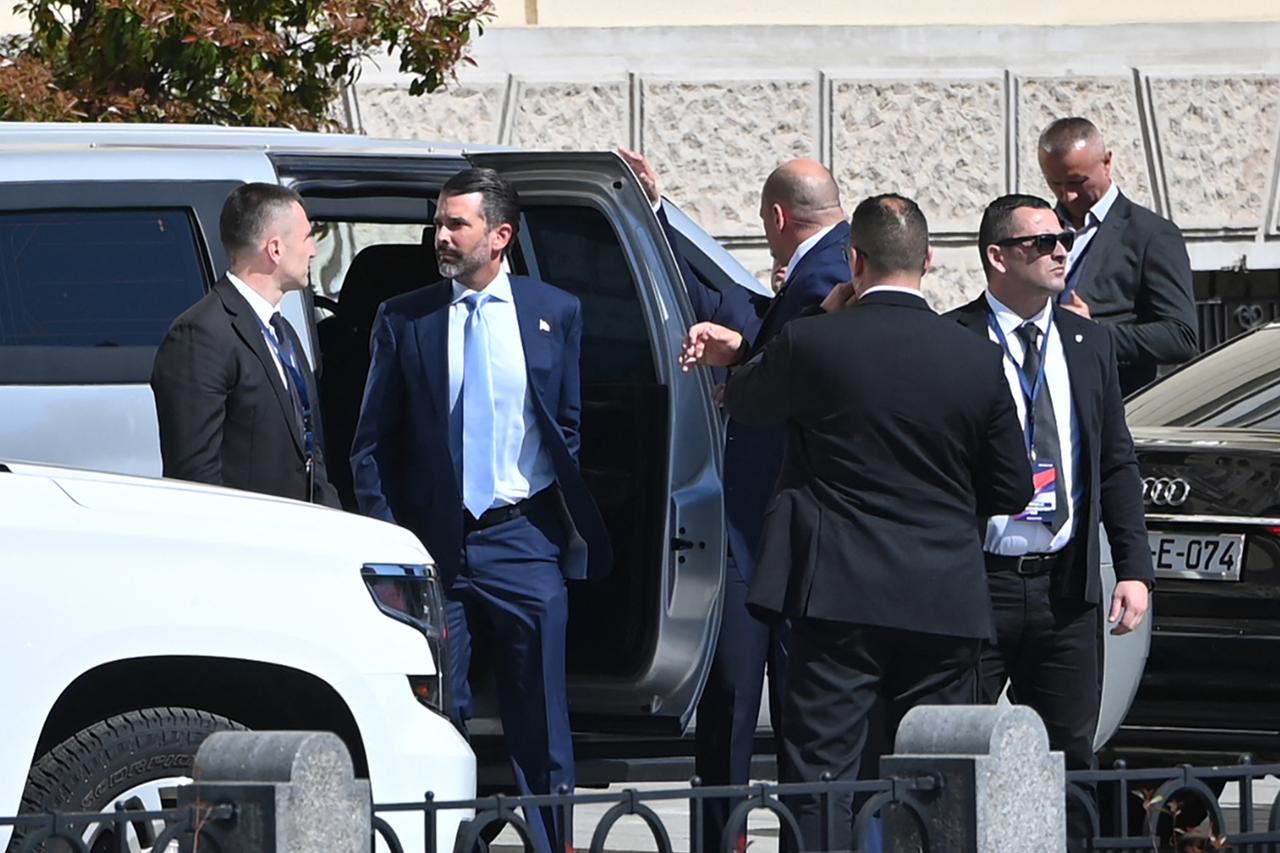


On a day when the world was glued to its screens, waiting to see if the United States and Israel would launch a major attack on Iran, Donald Trump Junior was touching down in Bosnia-Herzegovina.
As President Donald Trump warned that “a whole civilization will die” if Tehran did not reopen the Strait of Hormuz, his son was making a quiet, historic entrance: the first-ever visit by a member of the Trump family to the small Balkan nation.
But he was not in Sarajevo, the capital. He was in Banja Luka, a city in Republika Srpska, the Serb-majority entity within Bosnia and Herzegovina.
The visit was described as a "meeting between friends" by Igor Dodik, whose father—ousted pro-Russian secessionist Milorad Dodik—still rules Republika Srpska as its de facto leader. Regardless of its private label, Trump Jr. still joined a closed-door panel organized by local officials.
Not sure how I would describe the reaction in Sarajevo, it was closer to disbelief than surprise.
For decades, Bosnia and Herzegovina’s state-level authorities have invested heavily in lobbying efforts in Washington. According to local media, hundreds of thousands of dollars have been spent on U.S.-based firms to improve access to American decision-makers, including those orbiting Trump’s political network. The U.S. was and still is seen as a guarantor of peace in Bosnia and in the Balkans.
Republika Srpska, for its part, has pursued its own parallel channels and also spent a lot of taxpayers' money.
Dodik has spent years challenging Bosnia and Herzegovina’s constitutional order and advocating for greater autonomy for Republika Srpska. He was first sanctioned by the United States in 2017 under Barack Obama for obstructing the Dayton Peace Agreement, with additional sanctions imposed in 2022 under Joe Biden over corruption and efforts to undermine state institutions.
In a notable policy reversal, those sanctions were lifted in October 2025 under Donald Trump, removing Dodik and his network from the U.S. sanctions list, without a detailed public explanation.
Yet when Trump Jr. arrived, it was not through formal diplomatic pathways. There remains no clarity over who financed the visit or whether any lobbying efforts played a role. What is clear is more straightforward and arguably more consequential: a direct personal relationship between the Trump family and the inner circle of Republika Srpska’s leadership.
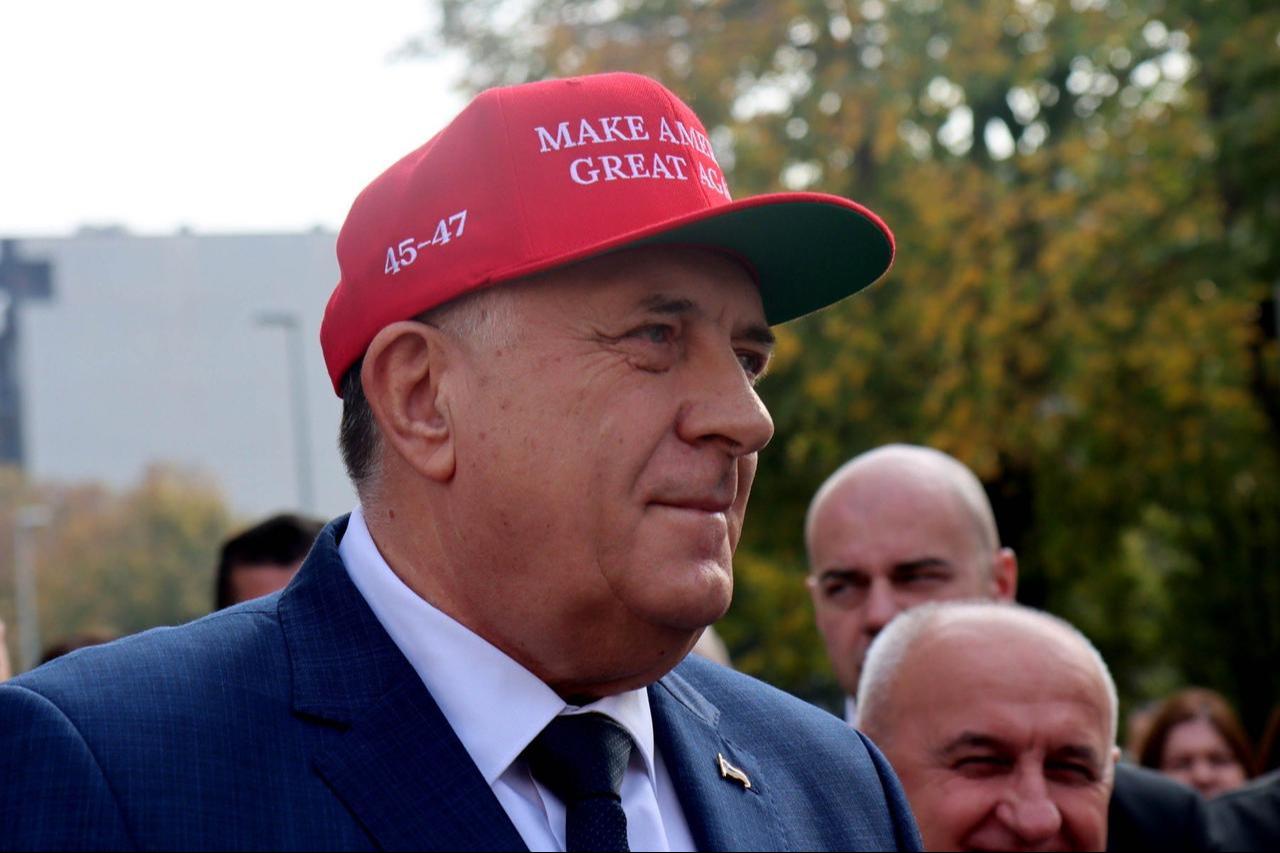

The panel Trump Jr. attended was closed, selective, and notably excluded representatives from Bosnia’s Federation entity. During the discussion, he described the European Union as “a bit of a mess” and even “a disaster” from a business perspective, arguing that EU policies discourage investment and deepen divisions between East and West.
Bosnia and Herzegovina’s EU path is not only about economics. It is about security. Membership is widely seen as the clearest guarantee of sovereignty and long-term stability following the wars of the 1990s, including the genocide carried out by Bosnian Serb forces. Even leaders in Republika Srpska have, at times, framed EU integration as economically beneficial.
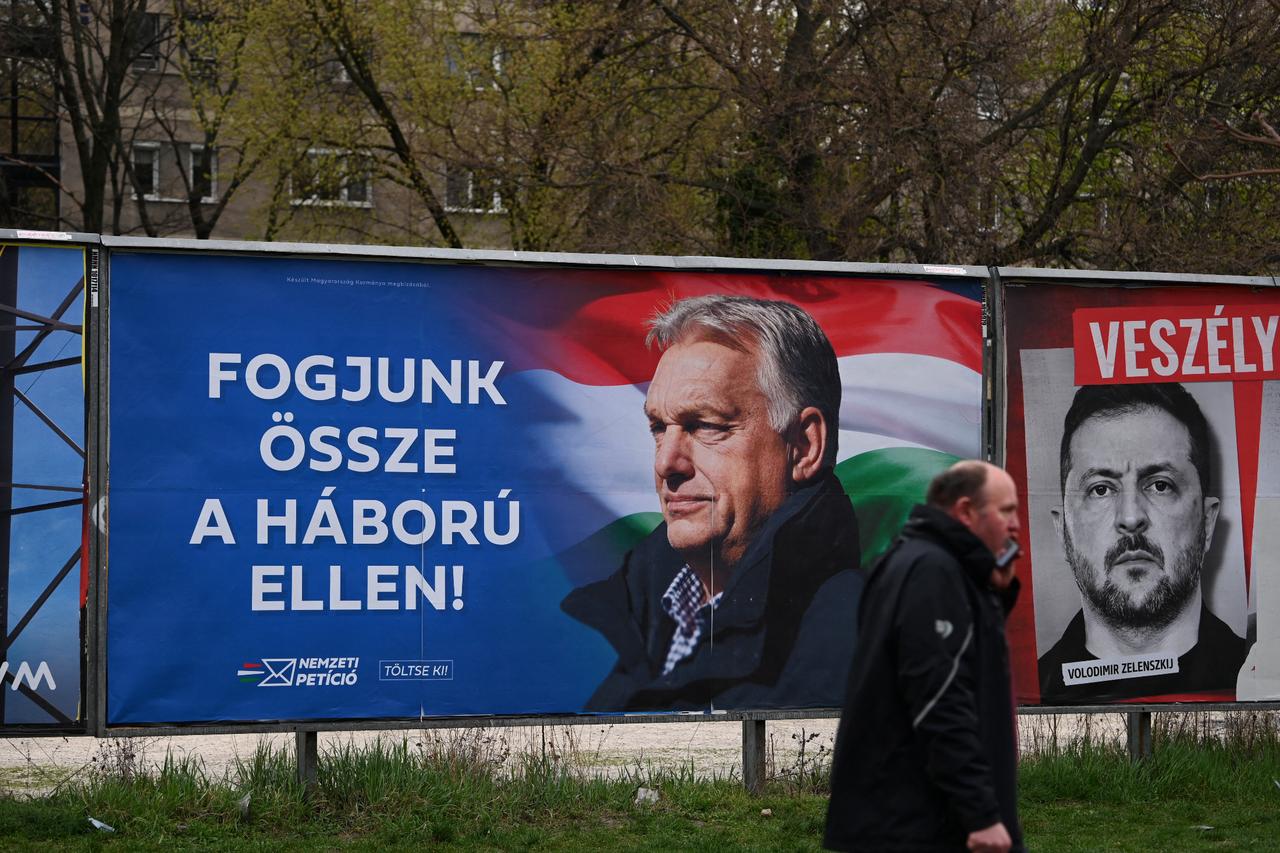
On the same day, just a couple of hours’ drive from Trump Jr., J.D. Vance stood alongside Viktor Orban in Budapest, praising Hungary’s leadership ahead of parliamentary elections expected to challenge Orban’s policies. The appearance reinforced a growing alignment between Washington and one of the EU’s most outspoken internal challengers.
At the Munich Security Conference last year, Vance openly questioned Europe’s political direction, warning of what he described as a “fundamental misalignment” between American conservative politics and the European political mainstream. His remarks on Romania’s electoral process drew visible unease among European officials. As he put it, “I don’t think Europe gets the fundamental civilisational concerns… there’s a fundamental misalignment between American conservative politics and mainstream European political economy.”
Since Trump’s return to office, the Balkans have hovered on the edge of renewed geopolitical attention. During his first term, Washington’s relative disengagement left space for the European Union, Russia, China, and regional actors to expand their influence.
Now, the United States appears to be back, but not in the same way.
The pattern is visible across multiple fronts: a more transactional foreign policy, selective partnerships, and a willingness to challenge traditional allies. From tensions with Denmark over Greenland, to forcibly removing Venezuela’s Nicolas Maduro, to bombing Iran, the approach has been anything but conventional.
In the Balkans, that shift is now tangible.
Trump Jr.’s visit crystallises the new approach: informal, relationship-driven and business-oriented, but carrying clear political weight.
For months, policymakers across Eastern Europe speculated about what a second Trump presidency would mean for the region.
There is now less room for speculation.
The United States is re-engaging but with different partners, different priorities, and a different logic.
For leaders in the Balkans and beyond, that is no longer a hypothetical.
It is a reality.
And it will have to be navigated accordingly, especially by Bosnia and Herzegovina, if it wants to safeguard the sovereignty and independence it secured at such a high cost, through war and genocide.


 Set as preferred source
 Set as preferred source


 1 min read
 1 min read