Newsletters


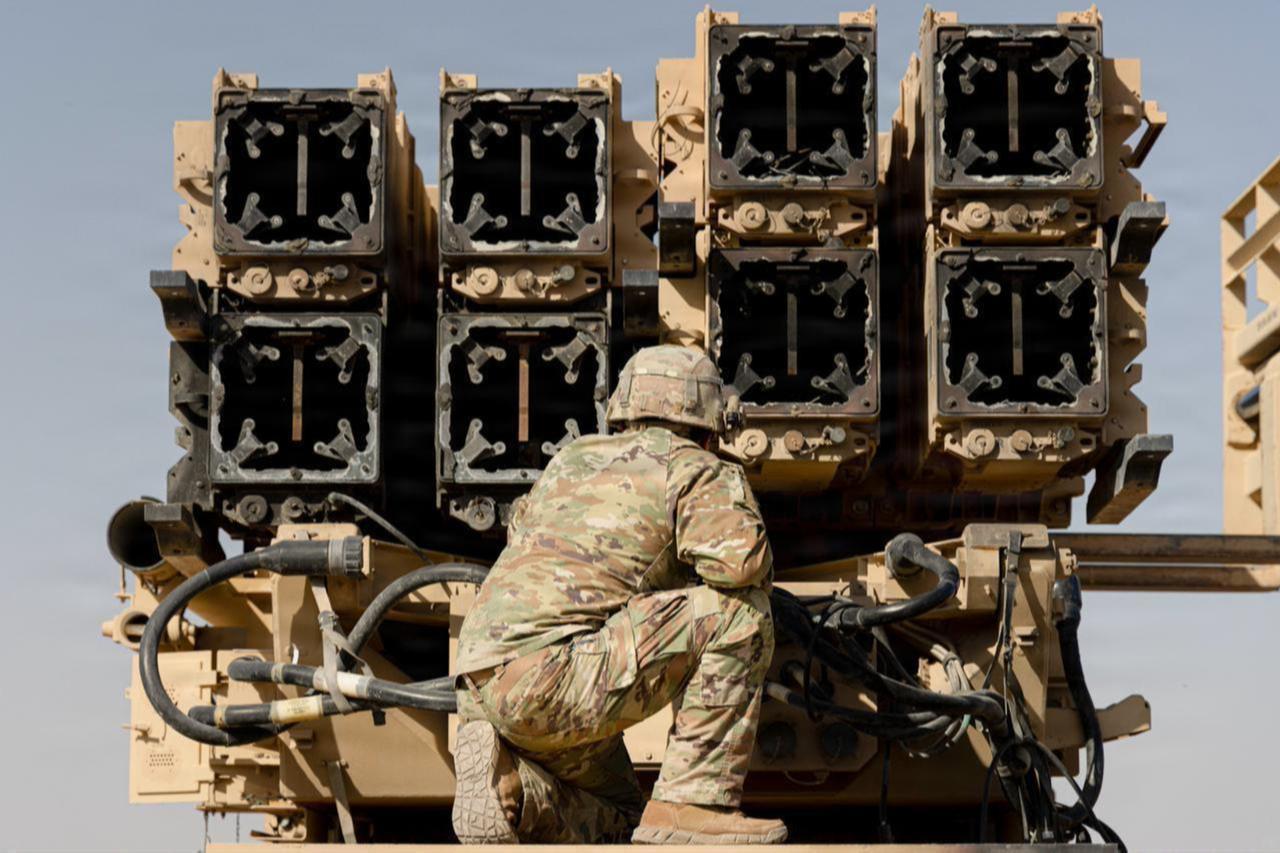


U.S. forces fired as many as 70 Patriot interceptors and more than a dozen THAAD anti-missile interceptors during a recent Iranian ballistic missile attack on Jordan, The Wall Street Journal reported Tuesday, highlighting growing pressure on U.S. air defense inventories.
The U.S. military launched between 60 and 70 Patriot interceptors against roughly 20 ballistic missiles, while more than a dozen Terminal High Altitude Area Defense, or THAAD, interceptors were also fired, the Journal reported, citing U.S. and regional officials familiar with the matter.
The number of interceptors used in the single attack was roughly equivalent to what U.S. forces had fired during an entire week at other points in the conflict, according to the report.
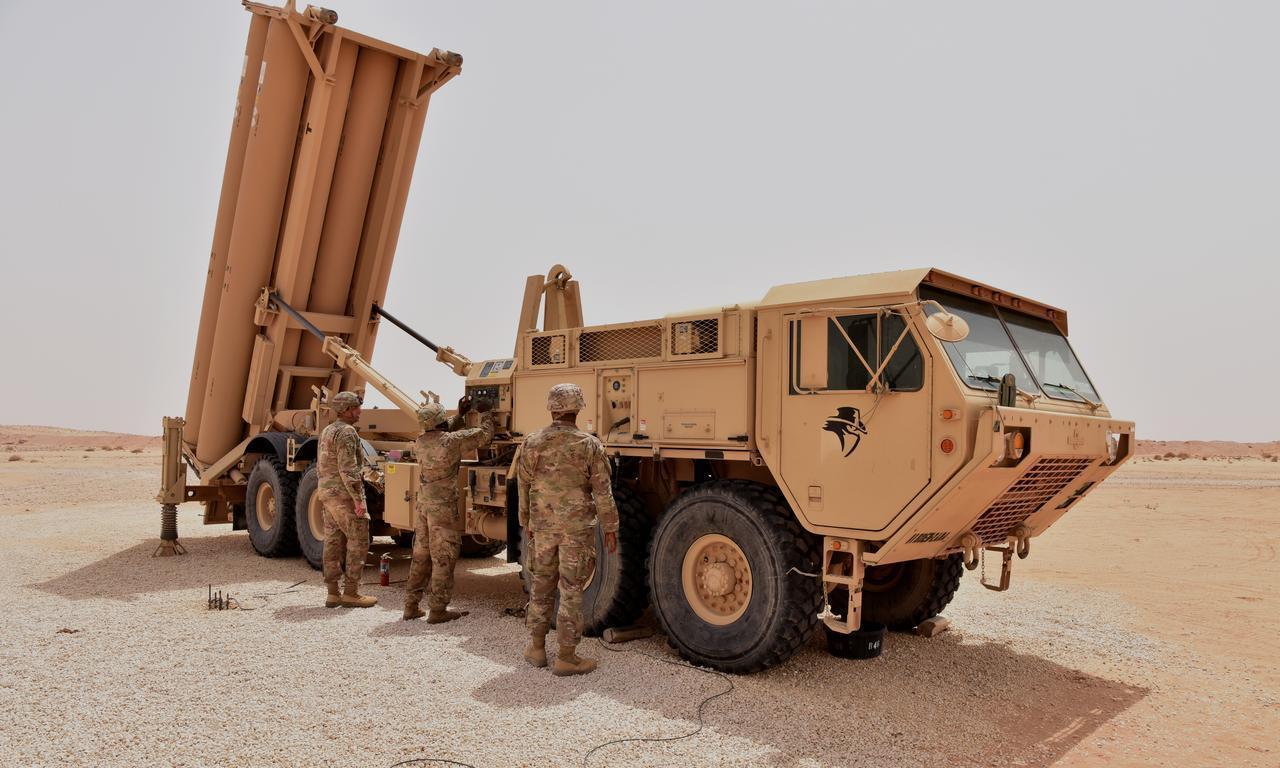

Iran reportedly used warheads that separated into multiple projectiles as they approached their targets, complicating interception efforts.
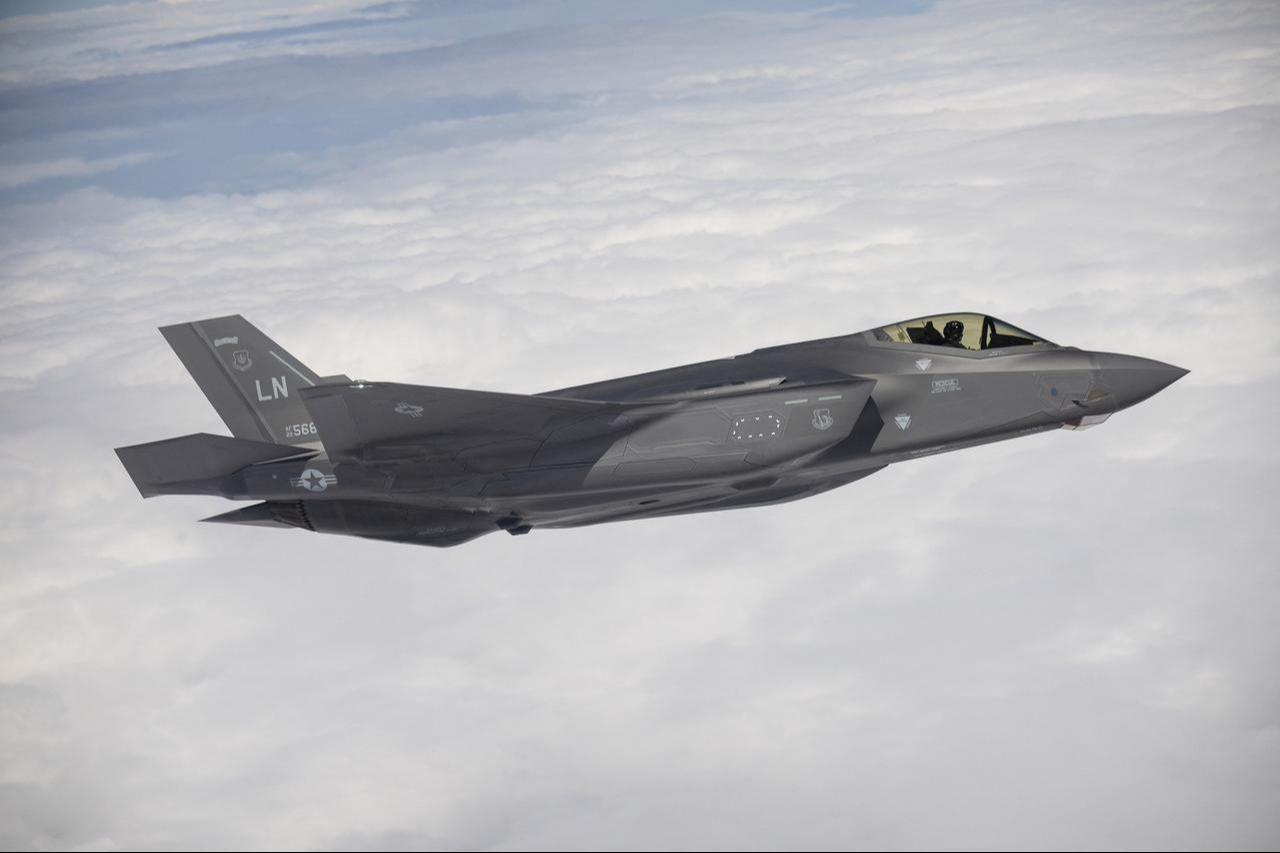
The defenses did not stop every incoming threat. Iranian missiles struck fighter jets and other aircraft at Muwaffaq Salti Air Base in Jordan, although no U.S. personnel were killed in the latest attack, the Journal said.
Officials told the newspaper that Iranian attacks have become increasingly complex during the conflict, using different missile types, trajectories, maneuvers and warheads in attempts to penetrate U.S. defenses.
The Pentagon rejected suggestions that U.S. munitions stocks were depleted.
“Reports suggesting that the United States’ munitions are depleted are completely false,” Pentagon spokesperson Sean Parnell said, adding that the U.S. military remains capable of responding to threats.
President Donald Trump also said Monday that the U.S. maintains large stocks of interceptors and is increasing production.
The Defense Department’s inspector general said in a report this week that the conflict “has resulted in strategic inventory shortfalls and revealed industrial base bottlenecks for munitions resupply.”
By mid-July, U.S. forces had used about 1,700 Patriot interceptors and more than 200 THAAD interceptors during the conflict, according to officials cited by the Journal.
U.S. Navy ships had also fired around 150 Standard Missile interceptors against Iranian missiles and drones.
Lockheed Martin, which manufactures Patriot interceptors, produced 620 in 2025 and is seeking to increase annual production to about 2,000, according to the report.
U.S. officials have also raised concerns that sending large quantities of munitions to the Middle East could affect Washington’s ability to respond to potential threats elsewhere, including in Europe and the Indo-Pacific.
Adm. Brad Cooper, commander of U.S. Central Command, told CBS’ “60 Minutes” this week that he was not concerned about interceptor shortages and said U.S. forces were prepared for any contingency.
The pressure on interceptor inventories has also led Gulf states to seek additional air defense munitions after months of Iranian missile and drone attacks, according to the Journal.
The report said the heavy demand has also affected the availability of air defense systems for Ukraine as it continues to defend against Russian strikes.


 Set as preferred source
 Set as preferred source


 1 min read
 1 min read