Newsletters


The top U.S. general in Europe privately warned the Pentagon this week that he lacks sufficient naval forces to continue protecting Israel from incoming ballistic missiles, the Washington Post (WP) reported, illustrating the strain the ongoing Iran war has placed on U.S. military resources.
Gen. Alexus Grynkewich, head of U.S. European Command (EUCOM), sent written notification to senior Pentagon officials saying that without another Navy destroyer, he would be forced to prioritize defense of the U.S. "homeland" over that of Israel, according to officials cited by the Post who spoke on condition of anonymity to discuss the correspondence.
A U.S. defense official told the Post that Grynkewich's notification appeared consistent with past outreach from senior military commanders flagging risks requiring Washington's attention, noting this can occur as commanders compete for finite resources and weapons.
According to the Post, the warning comes at a tenuous moment in the five-month conflict, as near-daily attacks have resumed following the collapse of peace talks between Washington and Tehran, with the operation's intensity draining U.S. supplies of key defensive weapons.
The Navy has been particularly strained, the Post reported, as the Trump administration has directed a blockade of Iranian ports in response to Tehran's closure of the Strait of Hormuz, a standoff that has disrupted the movement of Middle Eastern oil and other commodities and affected the global economy.
U.S. naval destroyers in the eastern Mediterranean have for years played a role in Israel's defense, the Post reported, using radar and missile systems to intercept projectiles fired at Israel by Iran and by Houthi militants in Yemen equipped by Tehran.
European Command coordinates these Mediterranean operations while also needing to remain ready for any Russian incursion into NATO-protected territory, given Russia's own ballistic missile capability, which can reach the U.S. mainland, according to the Post.
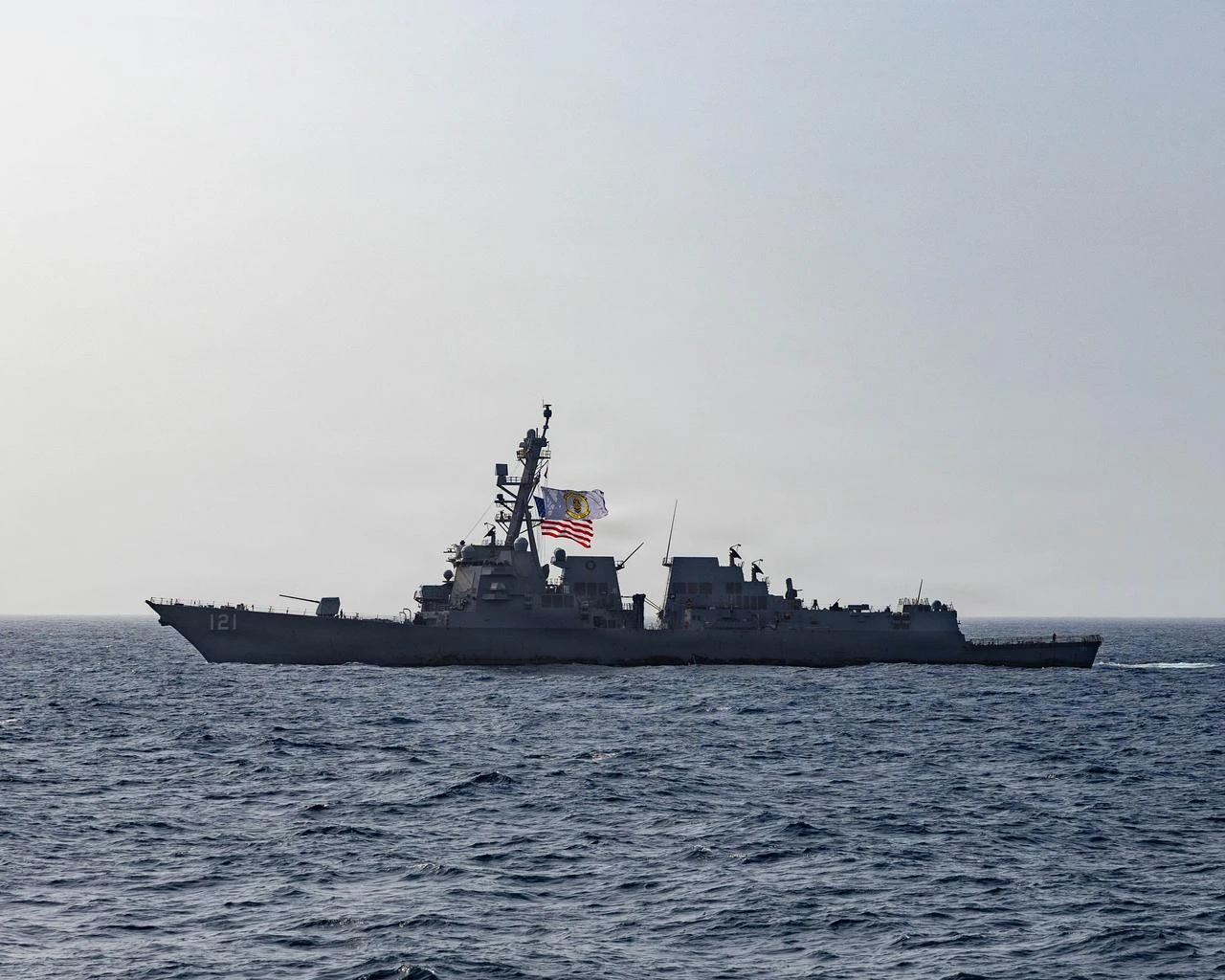

According to the Post, the Navy maintains five destroyers deploying from Rota, Spain, with a sixth expected to arrive later this year, per Pentagon officials. But maintenance issues have accumulated due to the pace of the Iran war, complicating Grynkewich's position, according to officials cited by the Post, which said it withheld certain details about ship availability at the request of military officials, citing security concerns.
The Post reported that Pentagon assessments conducted earlier in the war, detailed in its own May reporting, found that U.S. forces have shouldered the brunt of defending Israel from Iranian ballistic missiles, with American weapons, including Terminal High Altitude Area Defense (THAAD) systems and naval interceptors launched from the eastern Mediterranean, used far more frequently than Israeli air defense systems.
According to a U.S. official cited by the Post, two destroyers, the USS Paul Ignatius and USS Roosevelt, were in the Mediterranean Sea as of Friday, with three additional destroyers, the USS Arleigh Burke, USS Bulkeley and USS Oscar Austin, in Rota.
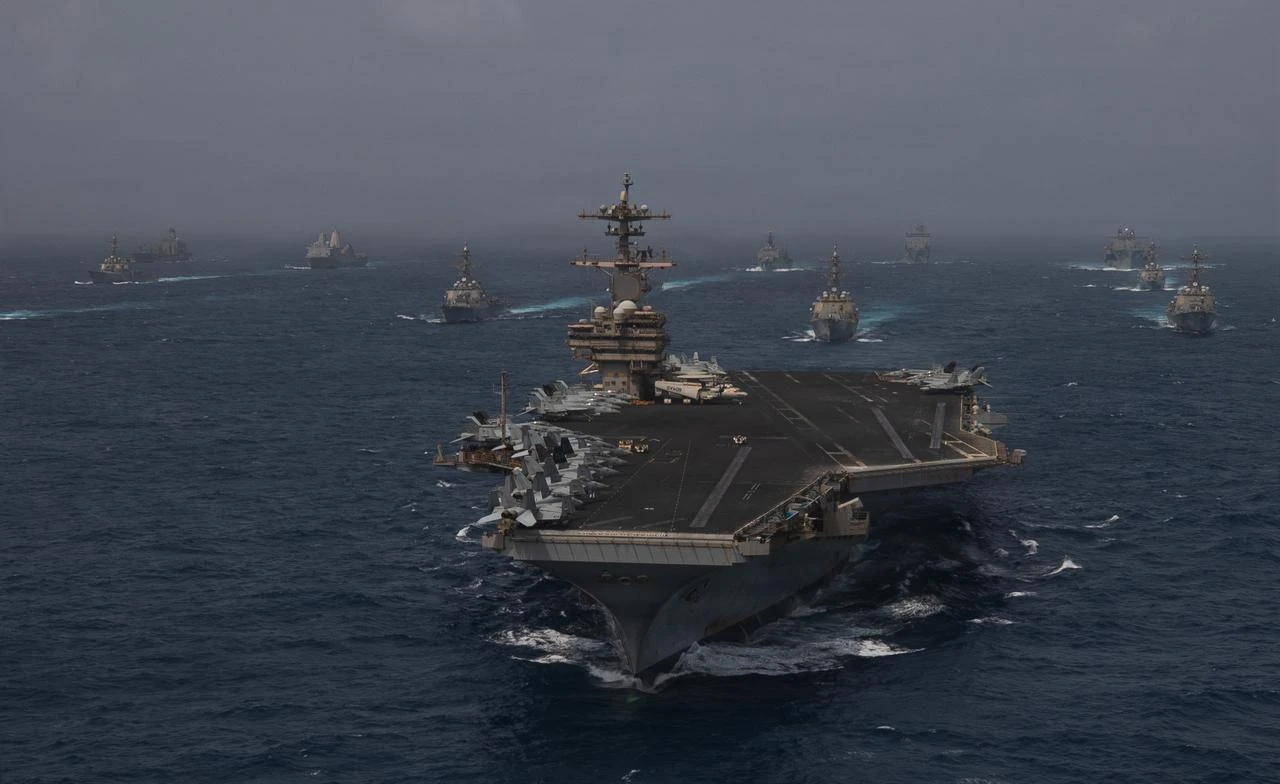
Closer to Iran, the same official told the Post an additional fleet was positioned in the Arabian Sea, including two aircraft carriers, the USS George H.W. Bush and USS Abraham Lincoln, and at least 15 other warships, 11 of them destroyers.
The Post reported this fleet has been central to the administration's blockade of Iranian ports and to an effort called "Project Freedom," aimed at helping protect vessels transiting the contested Strait of Hormuz.
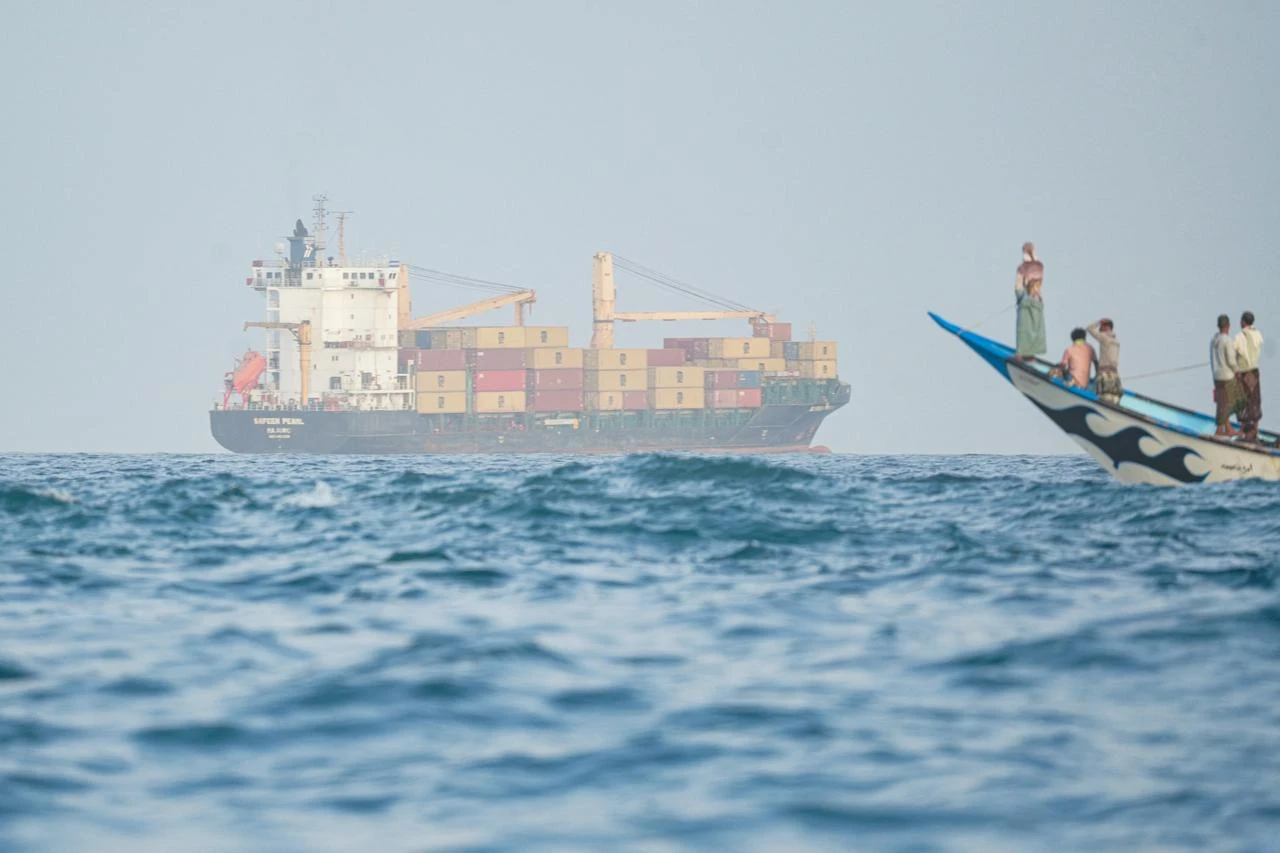
A separate destroyer, the USS Gonzalez, is in the Red Sea, where Yemen's Houthis have sought to enforce their own blockade of commercial shipping, according to the Post, which noted Saudi Arabia has responded by developing a military coalition aimed at ensuring freedom of navigation there, a development covered in greater detail in this outlet's earlier reporting on that coalition.
Iran war has grown increasingly unpopular among the American public, with members of Congress from both parties expressing frustration as administration officials struggle to articulate a plan for ending the conflict on terms favorable to the U.S.
The Post said there is deepening concern among many Republicans in particular that the war's impact on gas, food and other prices could cost the party in November's midterm elections.
Tom Karako, director of the Missile Defense Project at the Center for Strategic and International Studies, told the Post the warning underscores the scope of challenges facing the Pentagon.
"Being on a wartime footing is going to take a toll in terms of readiness and munitions inventory levels," Karako said, adding, "Now the question is: What's the strategy here?"


 Set as preferred source
 Set as preferred source


 2 min read