Newsletters


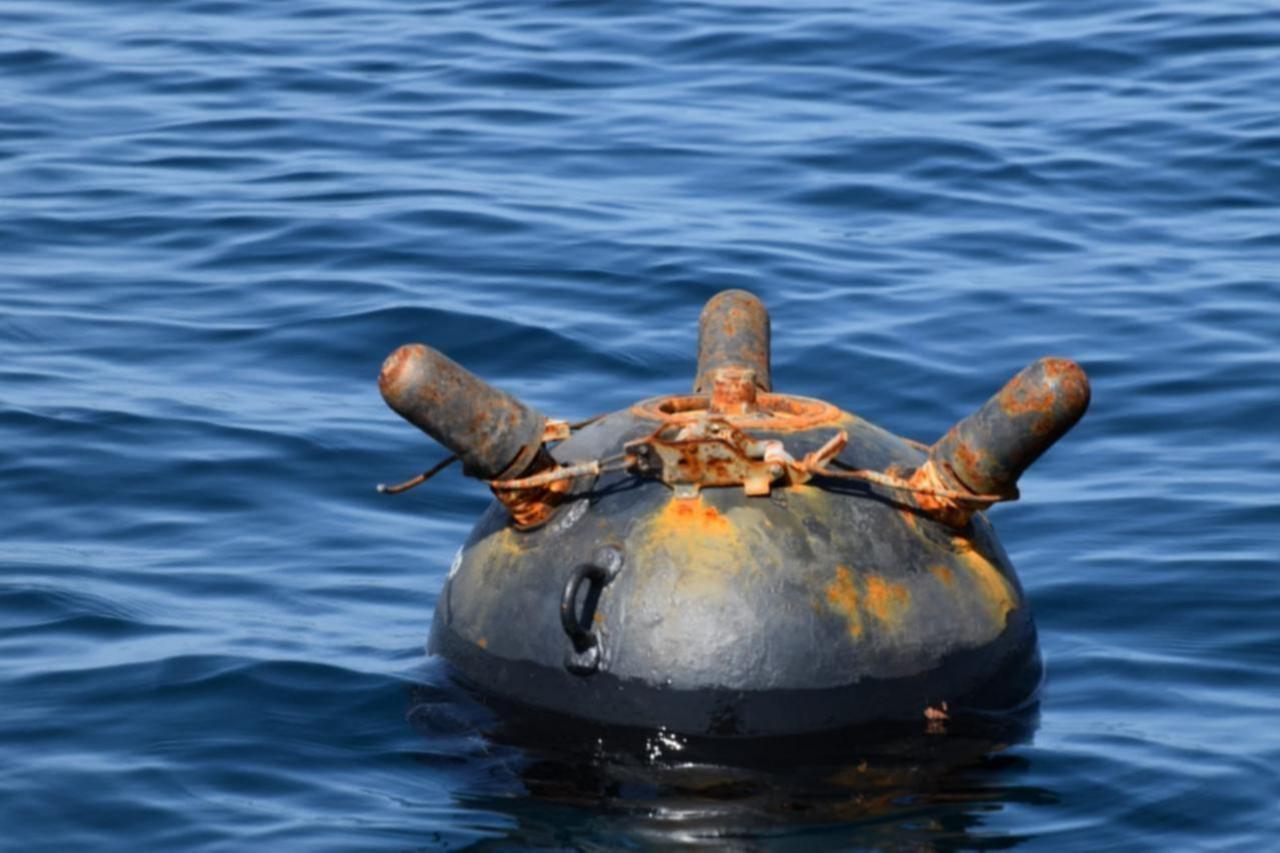
The U.S. military has not confirmed that Iran placed mines in the Strait of Hormuz despite months of searches using underwater drones, water robots, and manned and unmanned aircraft, two U.S. officials and a person familiar with the matter told NBC News, a disclosure that adds significant confusion to official statements about one of the war's central flashpoints.
"If anything, the threat has been far less robust than we had feared," the person familiar with the matter told NBC News.
The finding contrasts with months of public warnings from U.S. President Donald Trump and top officials about Iranian mining, as well as military statements and congressional testimony claiming sweeping results against a massive mine stockpile.
U.S. intelligence officials believed at the start of the war in February that Iran had placed mines on the southern side of the strait, either before the conflict began or in its early days, and numerous intelligence reports from the U.S. and its allies described mines being placed in various locations, the sources said.
But military searches conducted over three months have found some objects that could be mines, with none definitively identified.
"There's been an ongoing search effort, and we've applied more resources to it. But it has not yielded specific results that validate previous reports of dozens and dozens of mines that could have been placed," one U.S. official said.
U.S. intelligence officials recently assessed that there could be a small number of mines in the strait. Mining the waterway effectively, however, would require a large number of concealed explosives concentrated in a specific area, according to experts. In April, Iran declared a "danger zone" in the strait covering 540 square miles.

During a media briefing last month, Chairman of the Joint Chiefs of Staff Dan Caine displayed a timeline stating Iran had "laid more mines in the SoH (Strait of Hormuz)" on April 23.
"But after further investigation, U.S. analysts determined there was no evidence Iran laid any new mines on April 23," the two U.S. officials said. The military subsequently found no indication of mines in the strait.
The officials did not know why that information appeared on the chairman's briefing slide.
Also on April 23, Trump posted on social media, ordering the Navy to "shoot and kill any boat, small boats though they may be... that is putting mines in the waters of the Strait of Hormuz."
"The following Monday, the U.S. military struck several IRGC mine-laying boats, but the Trump administration has no evidence that those boats had actually placed any mines," the two officials said.
The Pentagon said at the time the strikes were carried out in self-defense.
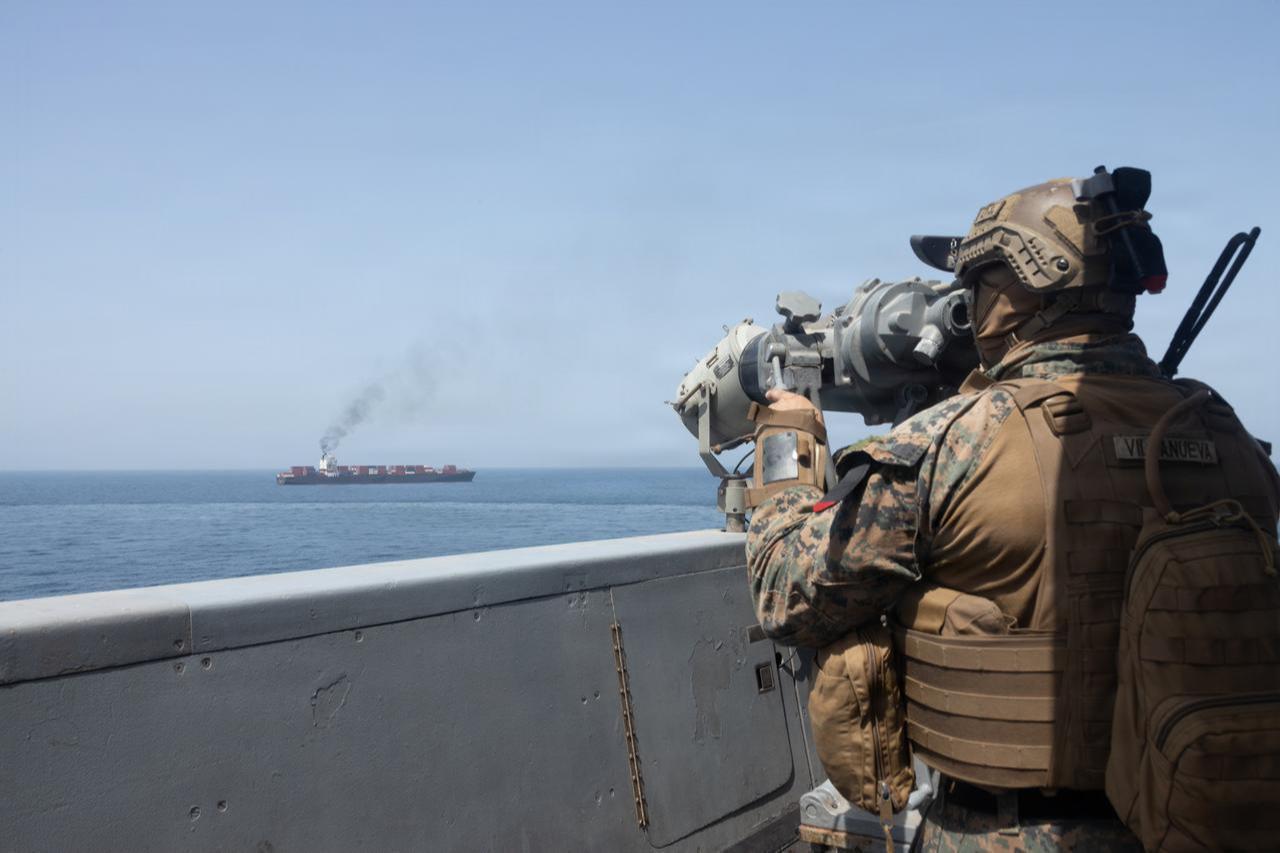
Ahead of a short-lived mission in early May, dubbed Project Freedom, to support commercial transit through the strait, the military conducted a multi-day mine search.
Over that search, the military "did not detect, remove or detonate any confirmed mines in the strait," the sources said.
In a written statement to the House Armed Services Committee on May 19, U.S. Central Command (CENTCOM) commander Brad Cooper told Congress the U.S. military had "eliminated more than 90% of Iran's once-massive inventory of over 8,000 naval mines, with over 700 airstrikes on Iranian naval mine targets."
Trump posted on Truth Social on Friday that mines, "if any," would need to be addressed as part of a final deal and claimed the U.S. had already removed "numerous" mines.
"All water mines (bombs), if any, will be terminated (we have removed, through detonation, numerous such mines with our great underwater mine sweepers. Iran will complete the immediate removal and/or detonation of any mines that are left, which will not be many!)," Trump wrote, adding he was reviewing the latest version of a potential agreement.
U.S. Central Command said in a statement, "U.S. military efforts for ensuring the Strait of Hormuz is fully clear of sea mines laid by Iran's Islamic Revolutionary Guard Corps are ongoing. We are unable to publicly discuss specifics at this time for operational security reasons."
Despite the absence of confirmed mines, the U.S. Navy Central Command issued an urgent maritime advisory dated May 29, rating the regional threat as "CRITICAL" and citing Iranian attempts to control the waterway through what it described as "dangerous and illegal mining."
All mariners were advised to avoid the strait's Traffic Separation Scheme, maintain constant radio contact with naval authorities, and comply immediately with U.S. force instructions. The advisory warned that any vessel observed supporting mine-laying activities would be targeted by U.S. forces in self-defense.
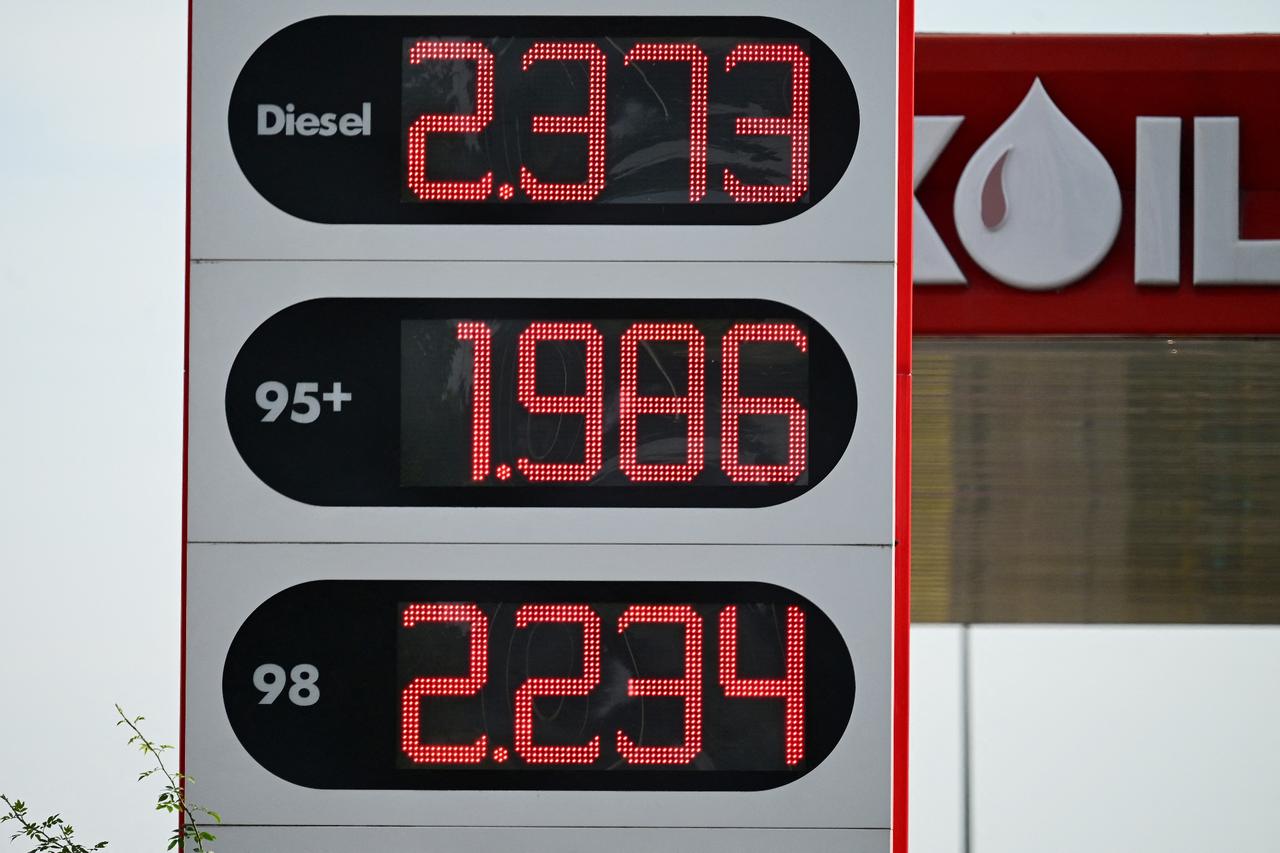
Iran took control of the Strait of Hormuz after the war began on Feb. 28, halting ship passage and sending oil prices higher.
The U.S. responded in mid-April by imposing a blockade on ships from Iranian ports.


 Set as preferred source
 Set as preferred source


 2 min read
 1 min read