Newsletters


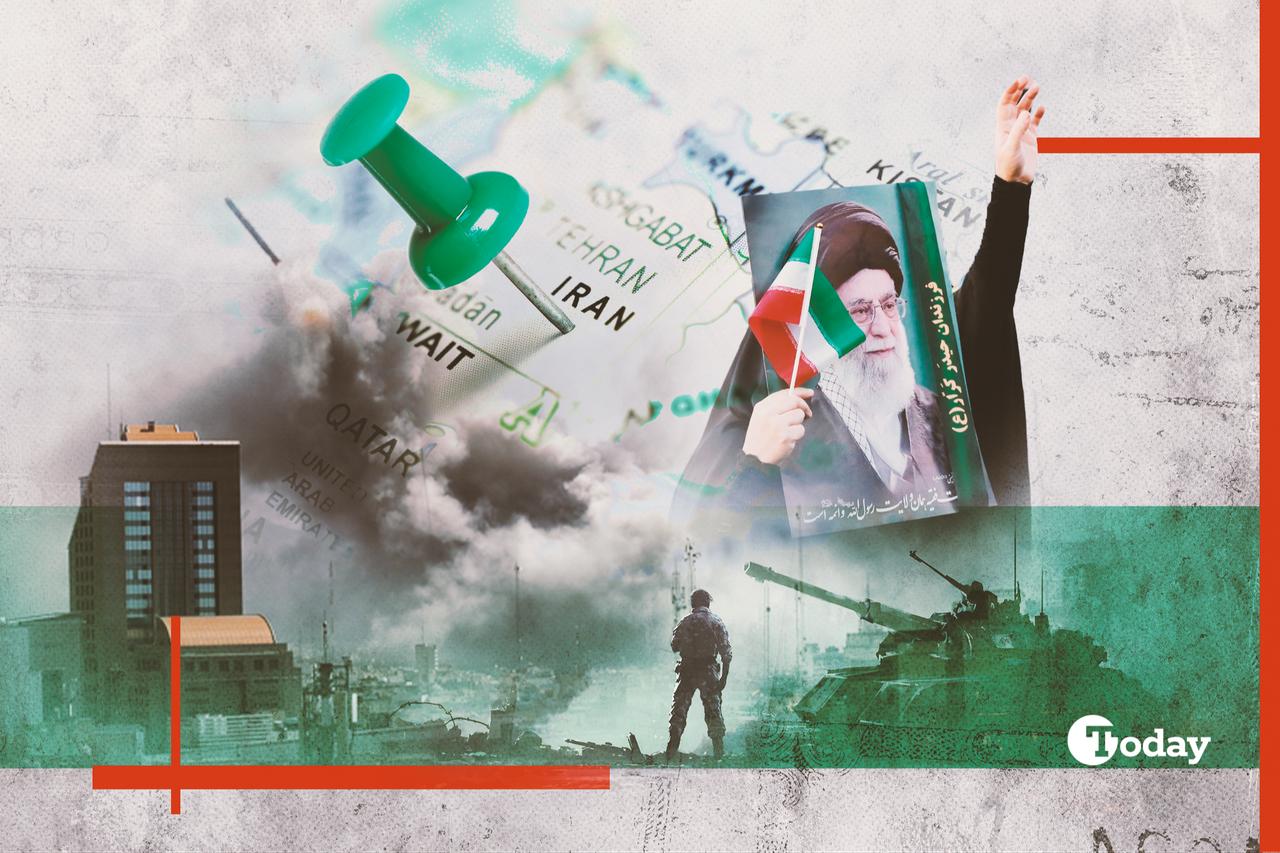


Tensions are hitting a boiling point between Iran and the U.S.–Israeli coalition, and it’s putting the whole Middle East on edge. Between precision strikes on Iranian military sites and Tehran firing back with drones and missiles, things are getting messy. On top of that, internal unrest is making people wonder if Iran’s government can hold on—and what a total collapse or a massive power shift would actually mean for the rest of the world.
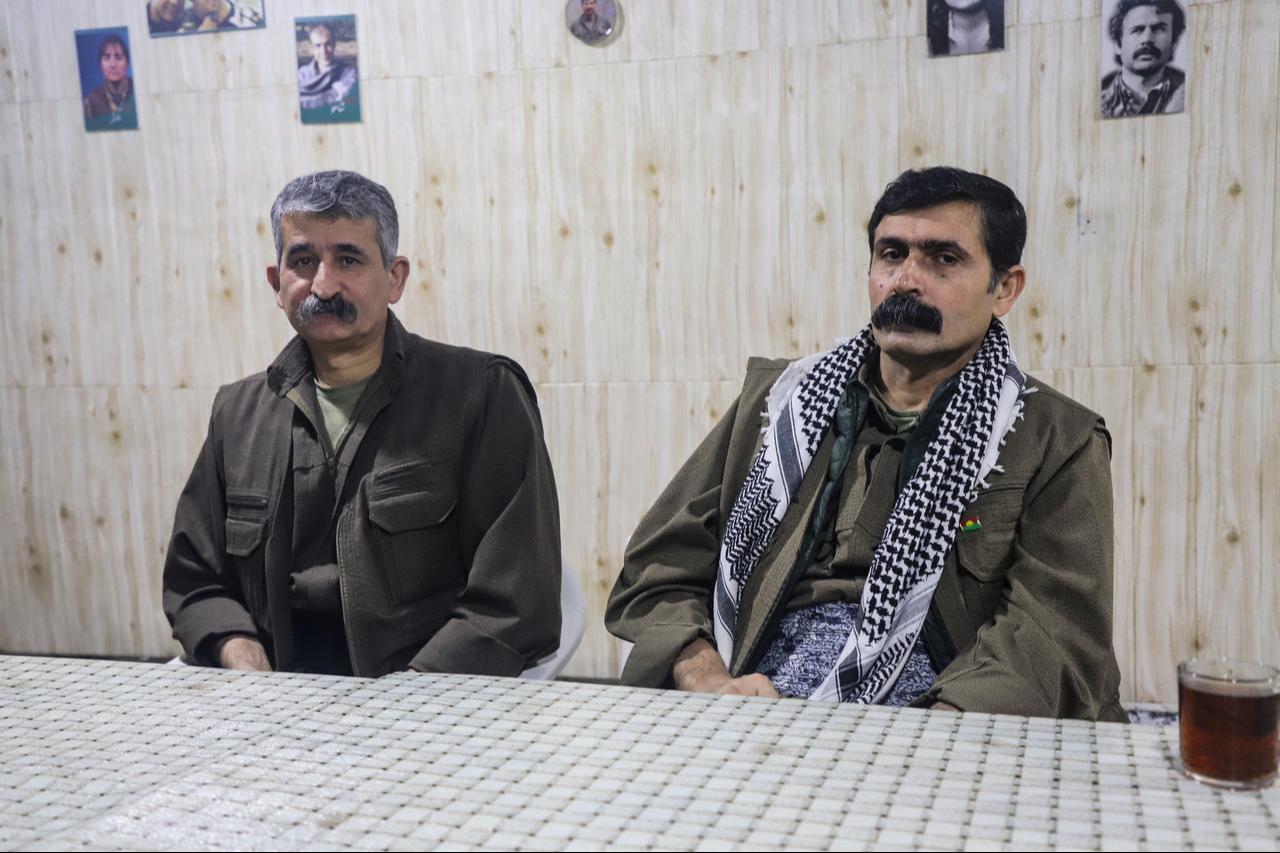
With things heating up, all eyes are back on PJAK, a Kurdish armed group linked to the outlawed PKK that operates in northwestern Iran. Iran’s future and PJAK’s role in the region are among the most critical questions in Middle Eastern geopolitics.
We discussed these issues with Raymond White, a former CIA senior field officer and strategic intelligence expert, who brings 25 years of field experience in high-risk operations across Iran, North Korea, Russia, and Syria.
Onder: How do you assess the PKK’s Iranian affiliate, PJAK, taking an openly anti-regime stance in a period of increasing instability in Iran? Could such a development weaken Iran’s territorial integrity or lead to the country’s fragmentation?
White: Based on what I have read and observed, I believe PJAK has taken a more open anti-regime stance because they feel emboldened, see an opportunity, and want to take advantage of the rapidly evolving situation in Iran following U.S.-Israeli kinetic action. For groups like PJAK, progress tends to be a constant uphill battle. The situation in Iran has created chaos and an evolving power vacuum.
Depending on how things play out geopolitically, the PJAK could advance more rapidly toward its strategic goals in a much shorter period of time. At a minimum, I suspect they would like to transition from a mountain-based insurgency to a political-military actor with a seat at the post-regime table. The situation in Iran has also created an opportunity of crisis that could potentially result in a broader Kurdish coalition.
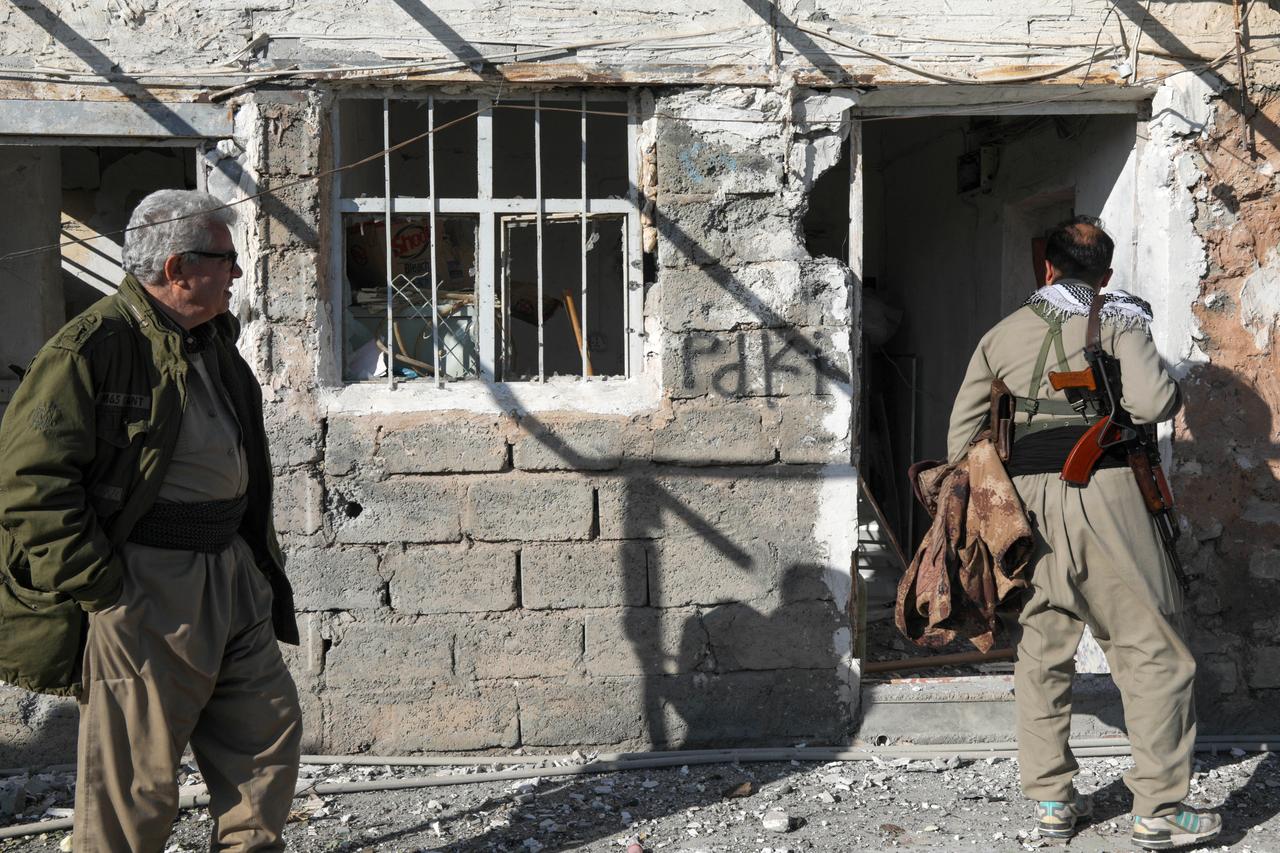

In 2009, the U.S. government designated PJAK as a Foreign Terrorist Organization (FTO) under Executive Order 13224 due to its ties with the PKK, which received its own FTO designation in 1997. The U.S. continues to classify both entities as terrorist organizations today, despite the PKK officially disbanding in 2025.
A student of history, Secretary of State Marco Rubio applies this knowledge when formulating U.S. foreign policy. He holds two critical roles, serving as both secretary of state and acting national security advisor. Having previously served as vice chair of the Senate Intelligence Committee and as a senior member of the Senate Foreign Relations Committee, Rubio understands the consequences that follow when countries fragment.
The incredible, common-sense foreign policy initiative he crafted for a post-Maduro Venezuela is a fine demonstration of his thinking. Rest assured, no one in the U.S. or Israeli governments, or in the entire Gulf for that matter, wants to see Iran 2.0 turn into a fragmented Syria (or Iraq).In fact, I suspect preventing fragmentation is among the top three priorities among those in charge.
Onder: In the medium term, is the emergence of an autonomous Kurdish region in northwestern Iran realistic?
White: Frankly, I don’t see the United States or Israel allowing anyone from the existing Iranian power structure to remain in power. I envision a complete dismantling of the current system of government, something that resembles post-WWII Germany. Keep in mind, President Trump is a child of the World War II era; he frames the world from that perspective. In fact, I wouldn’t be surprised if something akin to a Marshall Plan plays out in a post-regime Iran.
Assuming the current system in Iran transitions into a moderate, stable, and democratically elected government with true representation, then—maybe at some point in the distant future—I could envision an autonomous Kurdish region.
Naturally, this could only happen after the PKK, which was disbanded, openly demonstrated that it no longer exists or poses a threat. Both PJAK and PKK would need to show serious strides toward peace and reconciliation to have their designation removed. PJAK would also need to demonstrate that it made impactful contributions on the ground vis-a-vis regime change in Iran.
Onder: How is Tehran likely to retaliate against U.S.–Israeli actions in the Gulf, and which targets, like oil infrastructure, shipping lanes, or host nations, are most at risk? What methods, such as missiles or drones, might Iran use, and how could this affect regional alignment?
White: As we have already seen, Iran is retaliating with ballistic missiles and drones. Prior to Feb. 28, the Gulf states vocally disfavored U.S. airstrikes on Iran. In my opinion, Iran made a fatal mistake launching missiles at their Gulf neighbors. Further, Iran made a historical mistake of epic proportions, striking civilian targets (hotels, etc.). Iran’s serious miscalculation has aligned the region with the U.S. and Israel in an unprecedented way. Once all is said and done, I strongly believe this miscalculation is the spark that will ultimately lead to an unprecedented peace between the Arab nations and Israel through the Abraham Accords.
As a state supporter of terrorism, Iran appears to be living up to its title in striking the oil refineries of their Gulf neighbors. In an effort to disrupt global oil markets, Iran has also demanded that all shipping through the Straits of Hormuz be halted. This is yet one more miscalculation that will only lead to the alignment of regional and European partners, with the U.S. Since Iran evoked this demand, the U.K. and France have offered to assist the U.S. with basing access for strategic air assets.
Iran has a limited number of missiles and drones. The U.S. struck Iran before Russia and China could deliver advanced surface-to-air missiles and other military hardware. The current regime is operating on borrowed time. Countries graciously hosting U.S. military assets should expect to be on the receiving end of Iran’s aggression, especially as regime leadership is cornered.
Onder: If a decapitation operation against Iran’s leadership does not yield rapid results, how likely is it that the Iranian public would mobilize en masse in response to calls from the U.S. and Israel? In such a case, is widespread and prolonged internal conflict, even a civil war scenario, possible between regime opponents and supporters?
White: I assess that the situation in Iran’s leadership structure is becoming more desperate. They have choices to make and are on borrowed time as their military capabilities and supply decline. If they continue to launch missiles and drones at their neighbors, these aggressive actions will only lead to more punishing U.S airstrikes and continue to align the Gulf states with the U.S. and Israel. Lest we forget, Western and Israeli intelligence agencies and militaries have been compiling sensitive targeting data on Iran since 1979.
The priority of Iran’s leadership is regime preservation. In fact, this is the sole purpose of the Islamic Revolutionary Guards Corp (IRGC). IRGC leadership has been decimated. Iran’s leaders are doing whatever they can keep control. Eventually, there will be two mindsets: continue fighting to the bitter end, or position yourself to survive and carry on post-regime. Those who choose to survive will align themselves with the U.S. and Israel. This is happening already.
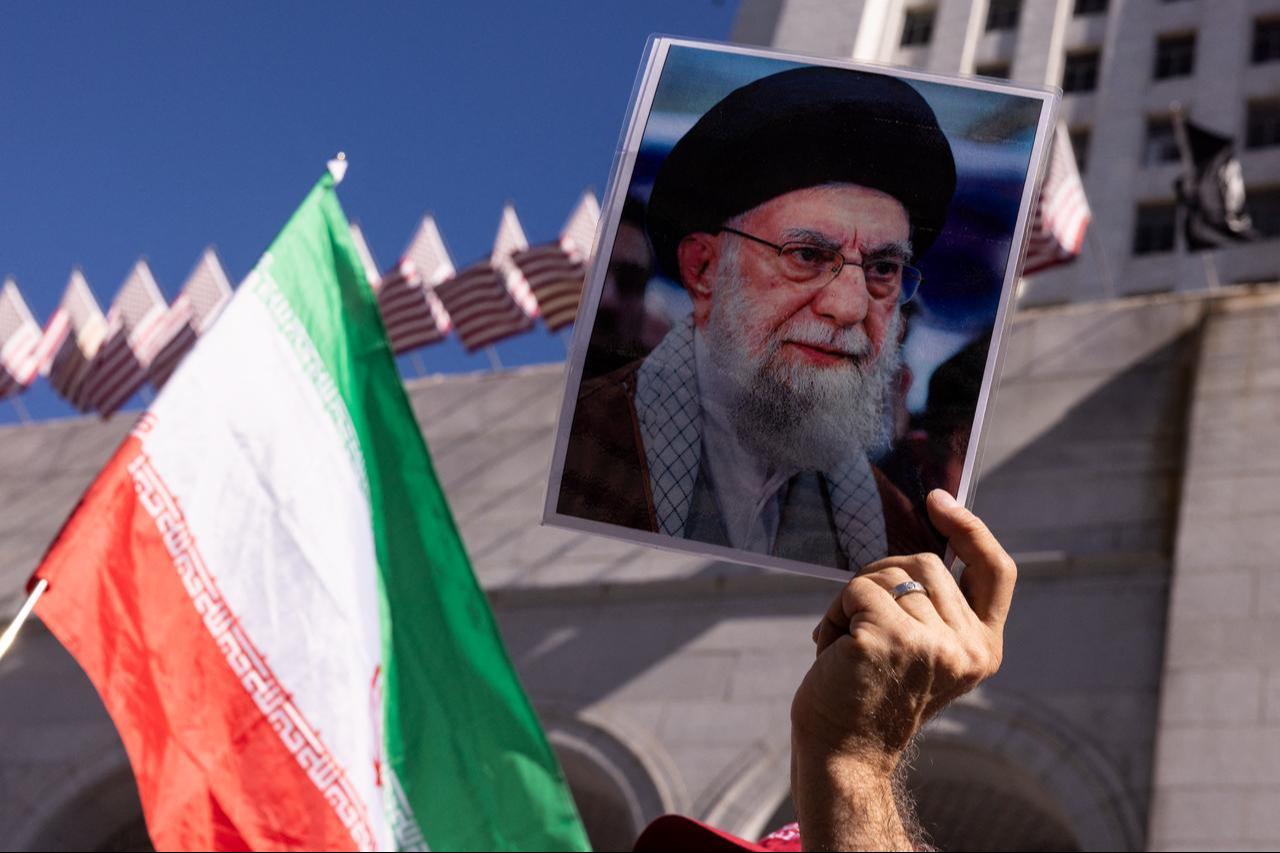
Following the death of Supreme Leader Ali Khamenei, the White House noted that Iranian President Masoud Pezeshkian and the "new potential leadership" in Tehran appear even more open to a rapid settlement. Trump stated that the "stars have never been better aligned" for a deal, though he continues to demand the "full dismantling" of Iranian enrichment capabilities as the ultimate price for peace. Beyond full nuclear and missile program dismantlement, I assess the unspoken objective is regime change. Regime change has a bad connotation to it. That said, unlike how things played in Venezuela post-Maduro, there are no moderates in the regime who could peacefully assume power.
Onder: In post-regime scenarios, to what extent would new military-bureaucratic or technocratic structures preserve or surpass the existing ideological-religious framework, and how would this affect societal legitimacy and external perception?
White: This is the million-dollar question. Given the entrenched nature of the IRGC, the Basij, and other regime apparatchiks throughout all facets of society, I see a creative solution, not all or nothing, and that combines several elements. On Feb. 26, the group United Against Nuclear Iran (UANI) published a study called "Exposed: Khamenei’s Secretive Power Structure Built to Ensure the Regime’s Survival" (often referred to in briefings as the "Unmasking the Bayt" report).
The study provided granular mapping of how the Iranian regime—specifically the Office of the Supreme Leader (the Bayt)—has embedded itself into every facet of Iranian society to create a "coup-proof" system. The report identified a secret network of 4,000 key individuals who manage Iran’s affairs outside of the formal government structure.
Again, using post war Germany as a playbook, change will not happen overnight. Moderates in Iran will see the opportunity and rise to the occasion, changing their tune and aligning themselves with the U.S. Meanwhile, the hardliners and "death to Israel" extremists will be pushed aside and marginalized.
I suspect the IRGC apparatus will be harnessed and transformed into a different entity under a different name, under the leadership of new faces. There will be a transitional period until a new generation of leaders assumes political power. A Marshall Plan or something comparable, combined with economic assistance to Iran and the opening of markets to the world, will be the fuel that speeds up this process.


 Set as preferred source
 Set as preferred source


 7 min read