Newsletters


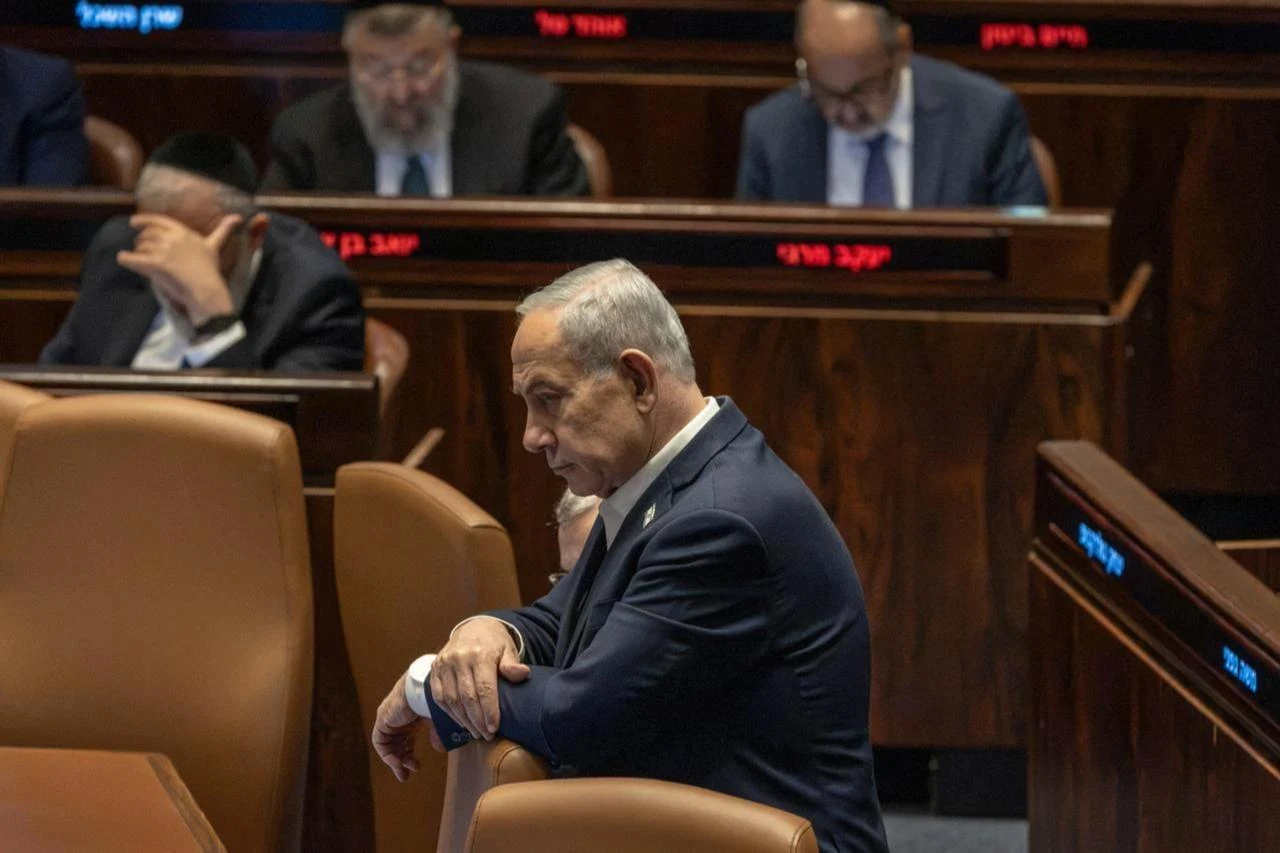


Israeli Prime Minister Benjamin Netanyahu and senior defense officials were left scrambling for hours on Saturday after U.S. President Donald Trump abruptly canceled a planned joint military strike against Iran without notifying Jerusalem in advance, with Israeli officers learning of the decision from Trump's posts on his Truth Social platform, Israeli media reported Sunday.
"For hours, we were in real uncertainty," a senior official told Channel 12. "President Trump left us in the fog. Senior officers were updated about what was happening from Trump's social media," the official said, adding: "The feeling was, they left us behind."
The disclosure represents a significant breach in the coordination between the two allies at a critical moment in a conflict that has reshaped the Middle East since the two countries launched a joint offensive against Iran in late February.
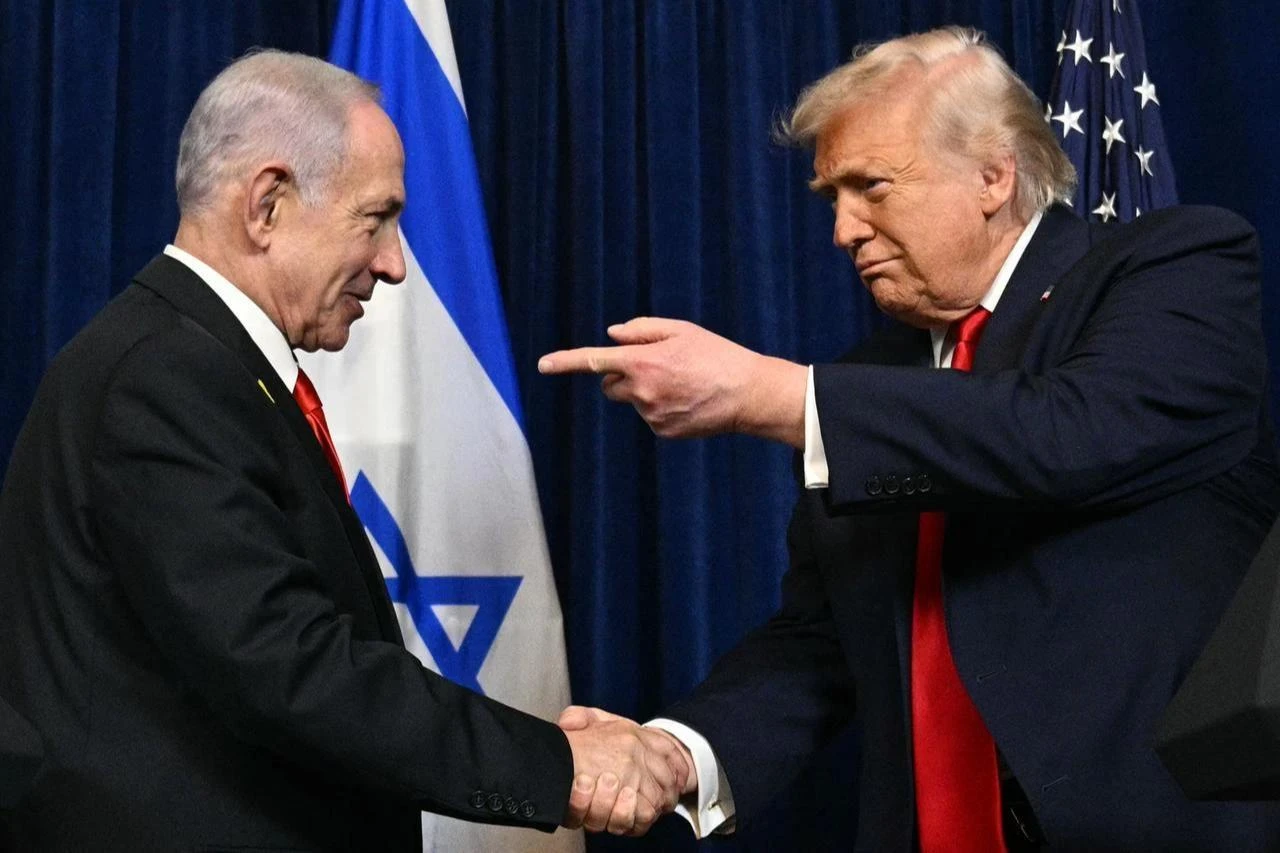

Trump announced Saturday on Truth Social that he had agreed to call off the strike after Iran and "other Middle Eastern countries" requested additional time to finalize a peace framework. He claimed both sides had agreed to the "perimeters" of a potential deal, which he said would include the "immediate, complete, and total" reopening of the Strait of Hormuz, the critical Persian Gulf waterway through which a large share of global oil and gas exports flow, as well as an end to Iran's nuclear ambitions.
Notably, Trump also declared that Israel had "joined the commitment" to hold off, a characterization Israeli officials appeared to learn only after the post went live. It was not immediately clear whether Jerusalem had been formally consulted before being publicly pledged to the ceasefire arrangement.
The episode is the latest in a cycle of escalation and abrupt de-escalation that has defined the U.S.-Iran conflict since the February offensive, which Iranian figures say killed more than 3,000 people, including then-Supreme Leader Ali Khamenei. Tehran retaliated with missile and drone strikes on Gulf nations hosting American military assets.
A ceasefire signed in April between Washington and Tehran was followed by a Pakistan-mediated memorandum of understanding in June designed to create a path toward lasting peace. That agreement collapsed last month, triggering a fresh exchange of strikes before Trump once again halted offensive operations amid reports of renewed diplomatic activity.
Reports citing senior U.S. officials suggested the decision was driven in part by pressure from Gulf allies. Qatar had urged Trump to allow an additional 24 hours for negotiations, while Saudi Crown Prince Mohammed bin Salman reportedly warned of regional escalation and potential damage to oil facilities across Persian Gulf states, according to Channel 12.
Iran rejected Trump's framing outright. Mohammad Marandi, a senior figure affiliated with Tehran's negotiating team, dismissed the announcement as fiction, saying the U.S. president had simply backed down. The Strait of Hormuz, the central point of contention, remained without a resolution, with Iran continuing to oppose unrestricted passage through the waterway.
Israeli officials, meanwhile, appeared unconvinced that diplomacy would succeed. A separate senior Israeli official told Channel 12 that the chances of a lasting agreement between Washington and Tehran were "virtually nonexistent," calling further escalation "inevitable."
Netanyahu is scheduled to meet Trump at the White House on Tuesday.


 Set as preferred source
 Set as preferred source


 1 min read
 1 min read