Newsletters


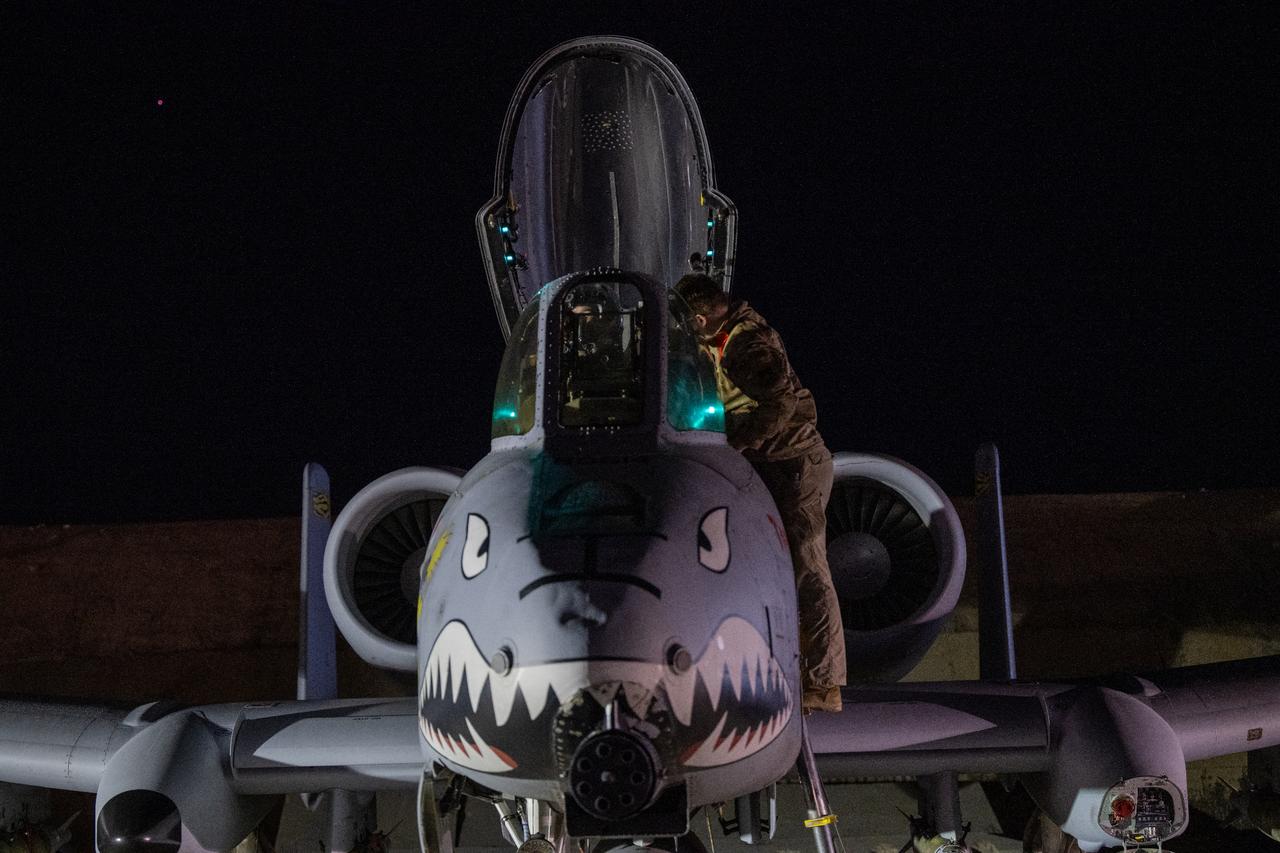


The U.S. Army launched large-scale air and artillery strikes across central Syria on Friday, targeting over 70 sites linked to the Daesh terrorist group in retaliation for a Dec. 13 attack in Palmyra that killed two American soldiers and one civilian.
According to CENTCOM, the U.S. military deployed fighter jets, attack helicopters, and ground-based artillery in what it described as a coordinated strike across multiple locations. The operation involved more than 100 precision munitions aimed at Daesh infrastructure and weapons depots.
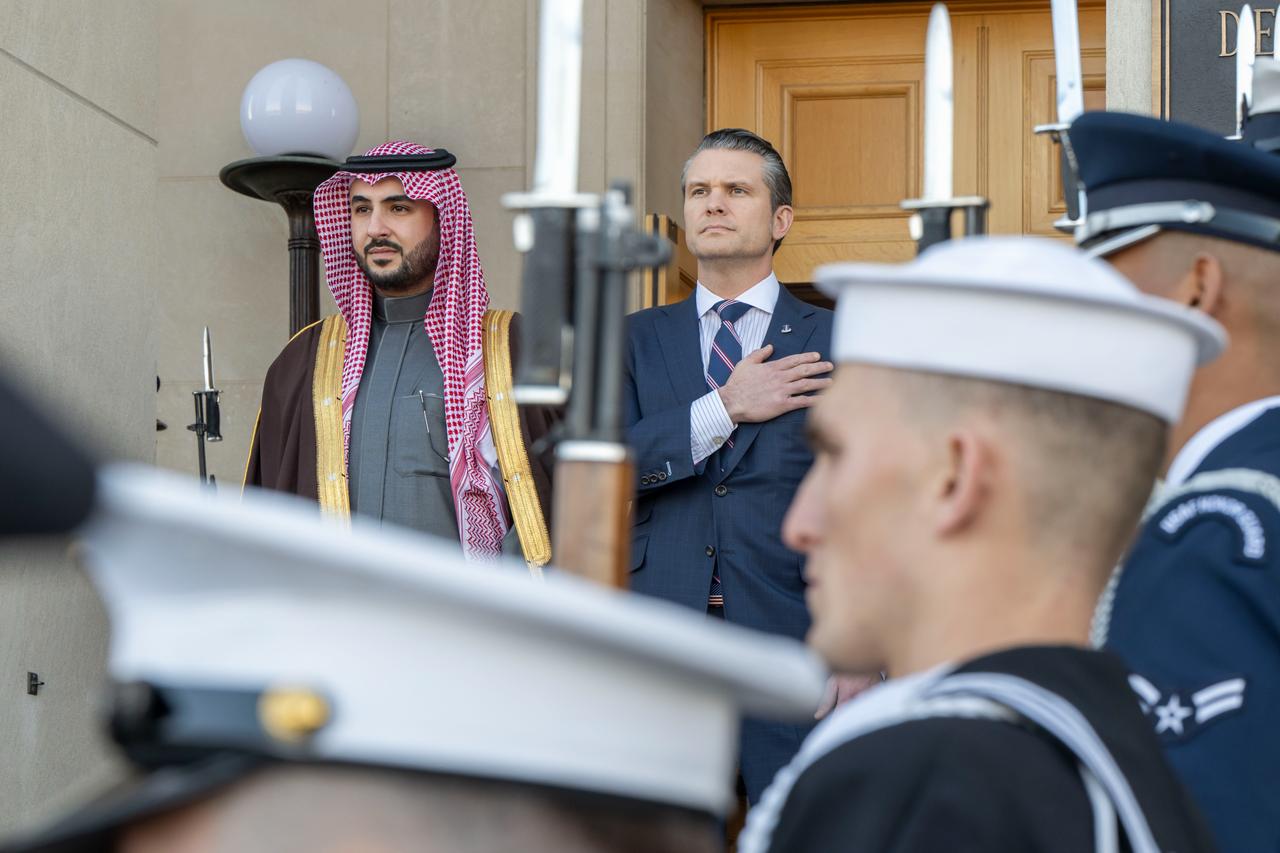
Defense Secretary Pete Hegseth confirmed the campaign, designated "Operation Hawkeye Strike," through a statement on X. He described the operation as a targeted effort "to eliminate Daesh fighters, infrastructure, and weapons sites."
Hegseth stated that the operation is not the beginning of a war but rather "a declaration of vengeance." He warned that those who attack U.S. personnel will face direct consequences, asserting that the United States will "hunt you, find you, and ruthlessly kill you."
While the Pentagon did not disclose the precise number of casualties from the U.S. strike, Hegseth noted that several individuals had already been "hunted and killed" and added that additional actions were underway.
In a post on Truth Social, President Donald Trump said the U.S. is “inflicting very serious retaliation” on the terrorists responsible for the deadly attack, adding that “those who attack Americans WILL BE HIT HARDER THAN YOU HAVE EVER BEEN HIT BEFORE.”
The attack that triggered the retaliatory operation occurred in Palmyra, a city once under Daesh control and home to UNESCO-listed ruins. U.S. authorities said the assailant acted alone and had ties to the Daesh network.
The victims were identified as Iowa National Guard sergeants William Howard and Edgar Torres Tovar, along with Ayad Mansoor Sakat, a civilian interpreter from Michigan.
The incident marked the first deadly assault on U.S. personnel in Syria since the December 2024 collapse of Bashar al-Assad’s regime.
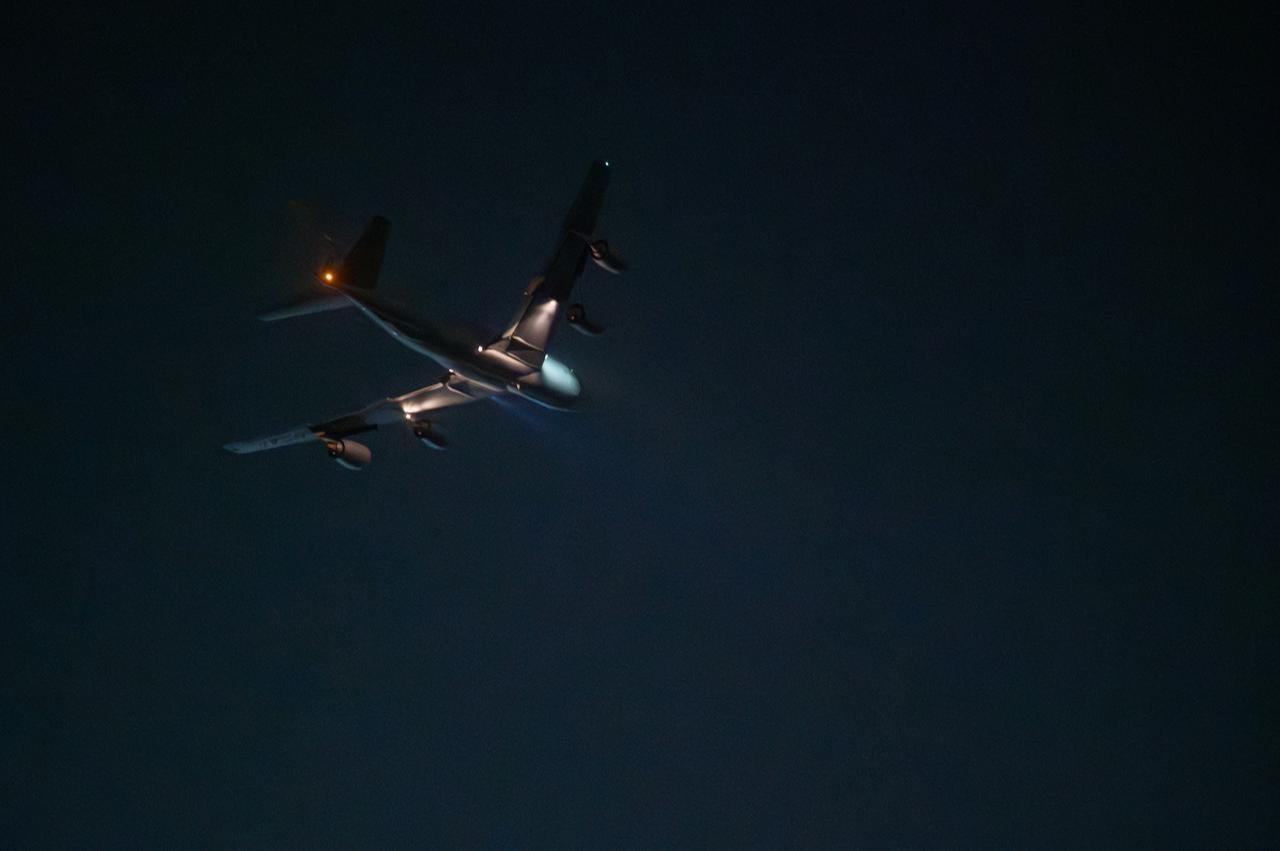

In the days following the Palmyra attack, U.S. and allied forces reportedly conducted 10 operations across Syria and Iraq, resulting in the deaths or detentions of 23 individuals described as terrorist operatives.
Syria’s foreign ministry, while not directly addressing Friday’s strikes, reaffirmed its own commitment to fighting Daesh.
A statement posted on X emphasized Syria’s intention to "ensure that (Daesh) has no safe havens on Syrian territory" and to "intensify military operations against it wherever it poses a threat."
The strike comes amid a broader reevaluation of America’s military footprint in Syria. Although Trump ordered a withdrawal during his first term, U.S. forces have remained active in the region, particularly in the northeast and near Al-Tanf on the Jordanian border.
In April, the Pentagon announced plans to reduce the number of American personnel in Syria by half. U.S. Special Envoy for Syria Tom Barrack said in June that Washington would eventually scale down its military presence to a single base.


 Set as preferred source
 Set as preferred source


 1 min read
 1 min read