Newsletters


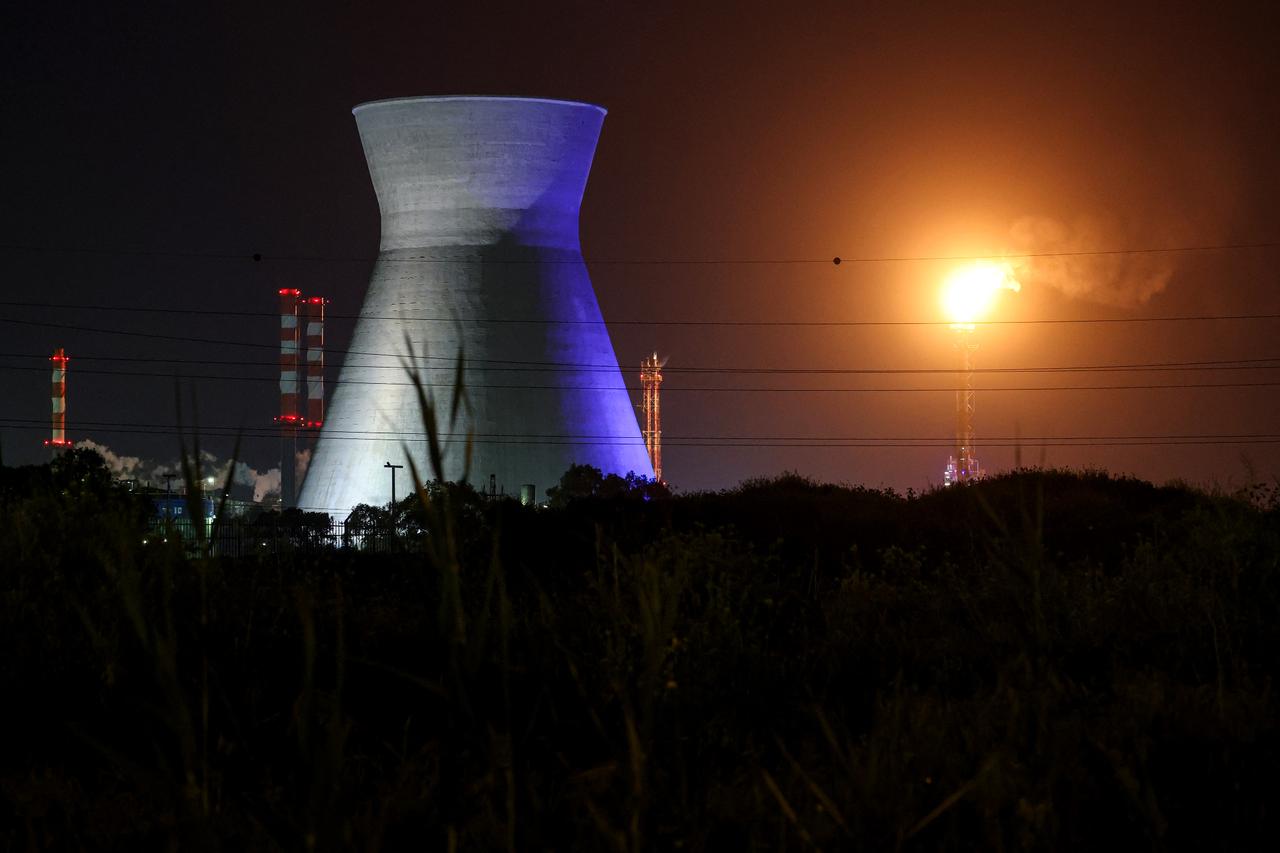


The United States has temporarily lifted sanctions on Iranian oil already at sea in a bid to ease surging global energy prices driven by the U.S.-Israeli war on Iran, according to U.S. Treasury Secretary Scott Bessent.
The Treasury Department issued a “narrowly tailored” authorization allowing the sale of Iranian crude oil and petroleum products loaded on vessels as of March 20, with the waiver running until April 19.
The license also permits related services such as crew management, insurance, and docking and applies to oil on previously sanctioned ships.
Bessent said the move could bring about 140 million barrels of oil to global markets.
“In essence, we will be using the Iranian barrels against Tehran to keep the price down,” he said, adding that the measure is aimed at relieving temporary supply pressures caused by the war.
He said sanctioned Iranian oil had been “hoarded” by China at discounted prices, and unlocking it would expand global energy supply.
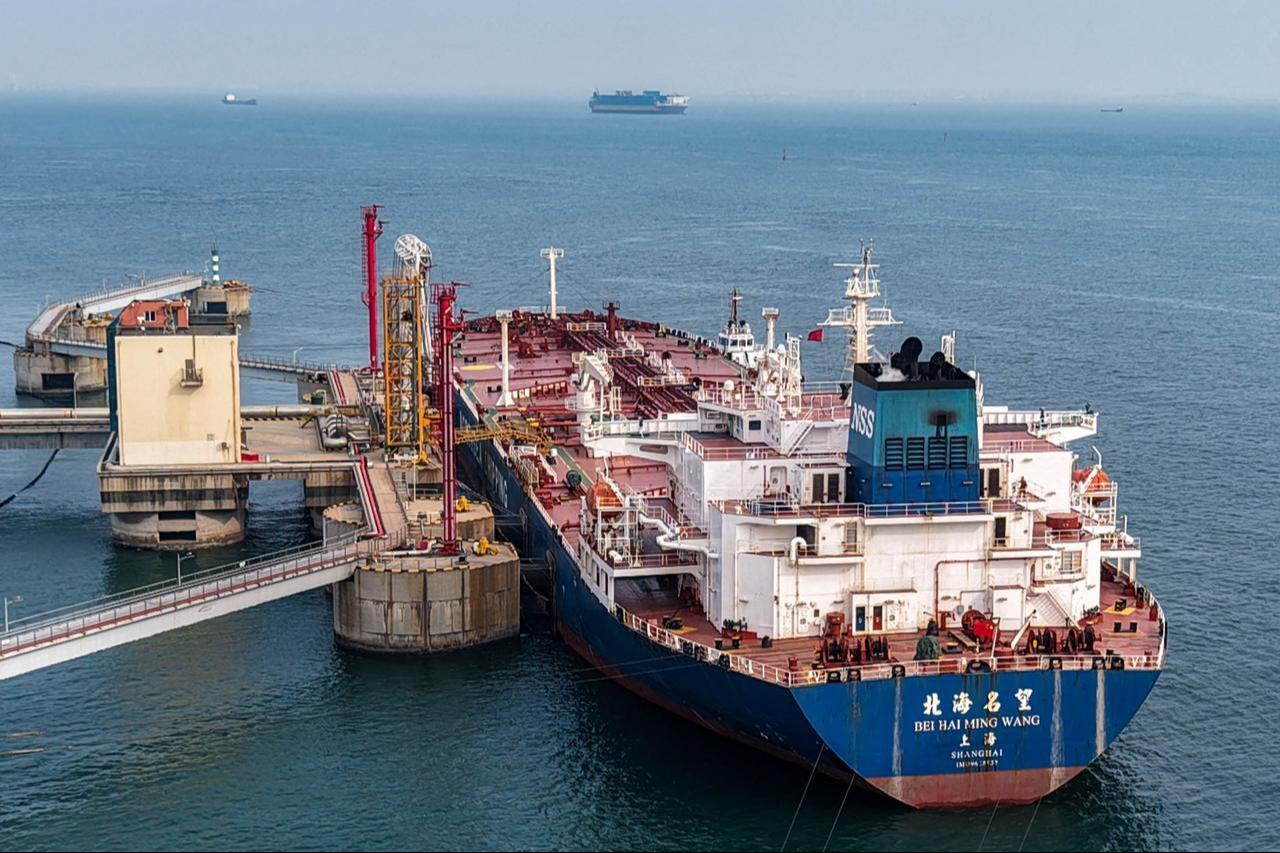

The decision comes as oil prices surge amid the conflict, with Brent crude rising above $112 per barrel and West Texas Intermediate nearing $98.35, while broader estimates show prices up about 50% to above $100 a barrel, the Guardian reported.
The Trump administration has already released hundreds of millions of barrels from strategic reserves, eased sanctions on Russian oil, and taken steps to accelerate domestic crude flows, CNN reported.
Officials said the administration is running out of options to contain the crisis, as disruptions to global supply intensify and traffic through the Strait of Hormuz remains severely limited.
The strait, which carries about 20% of global oil and liquefied natural gas, has seen hundreds of vessels stranded due to security concerns and navigation restrictions imposed by Iran.
The move has drawn criticism from analysts who say easing sanctions could benefit Iran during the war.
David Tannenbaum of Blackstone Compliance Services told the BBC that allowing sales could help fund Iran’s war effort, while energy analysts said the additional supply may have only a limited and short-term impact.
The 140 million barrels represent roughly one-and-a-half days of global oil consumption, according to the U.S. Energy Information Administration.
Bessent pushed back on criticism, saying the authorization is “strictly limited to oil that is already in transit and does not allow new purchases or production" and that Iran would have difficulty accessing revenue due to continued financial restrictions.
U.S. officials also said the oil would likely have been sold to China despite sanctions, but the waiver allows allies such as India and Japan to access the supply instead.
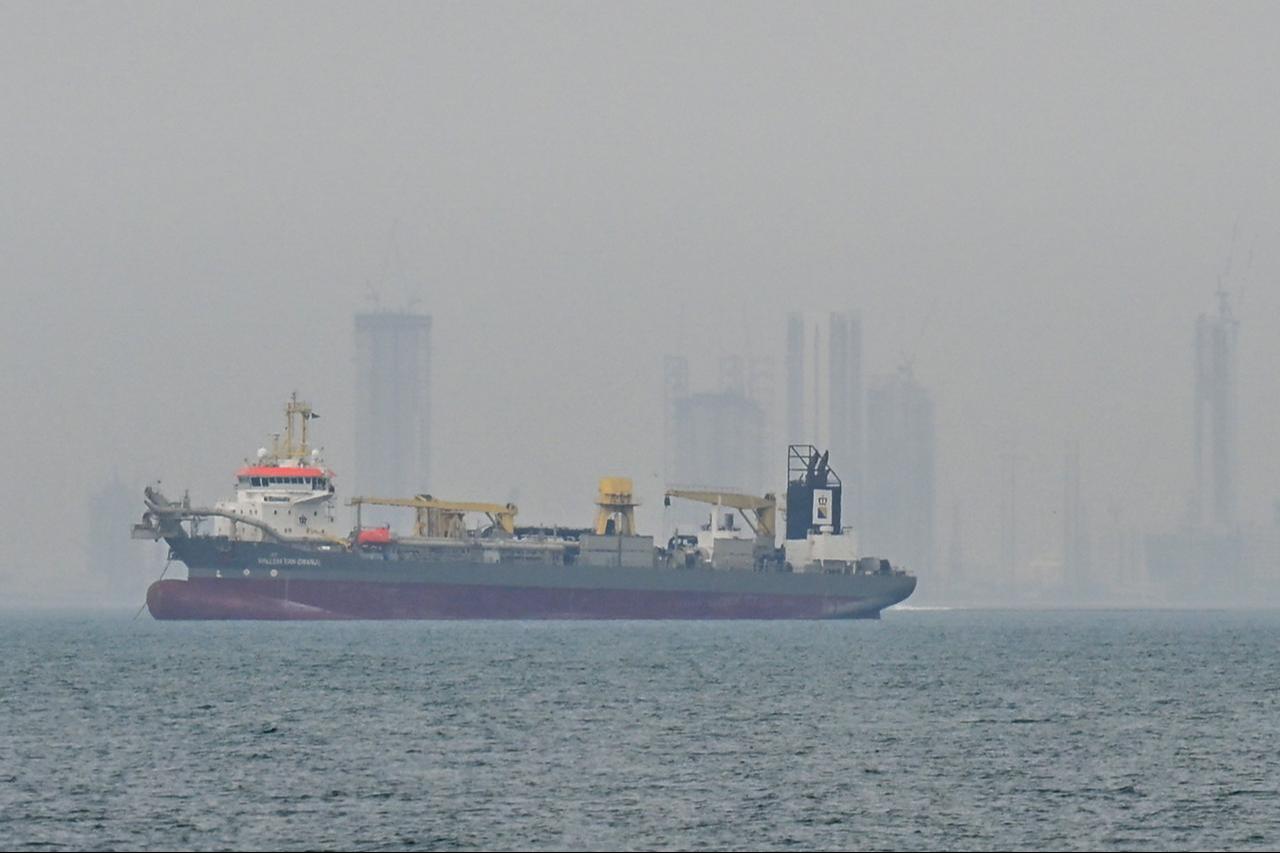
The policy shift comes as the war continues to disrupt global energy markets and infrastructure.
The conflict began on Feb. 28 with a joint U.S.-Israeli offensive against Iran and has since killed around 1,300 people, including then-Supreme Leader Ali Khamenei.
Iran has responded with drone and missile strikes targeting Israel, Jordan, Iraq and Gulf countries hosting U.S. military assets, causing casualties and damaging infrastructure while disrupting aviation and markets.
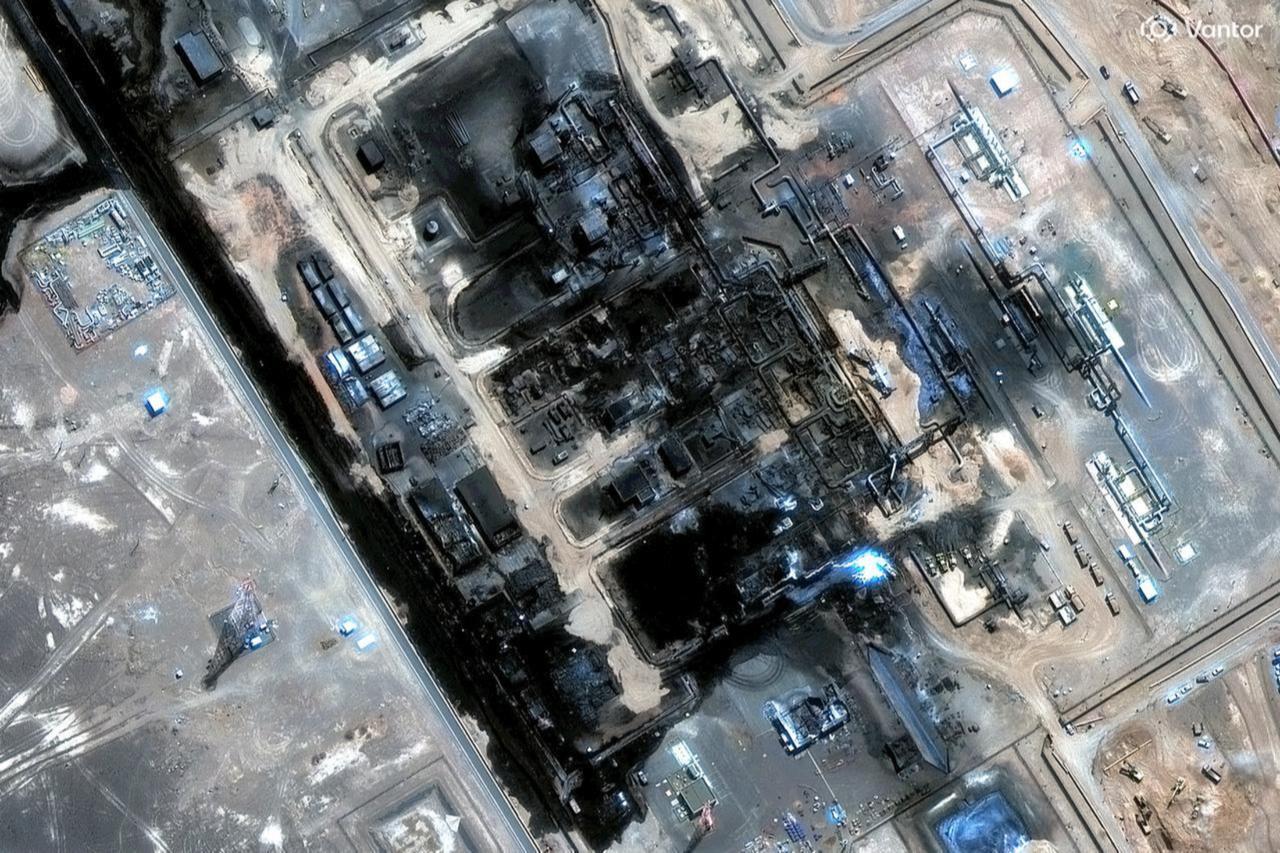
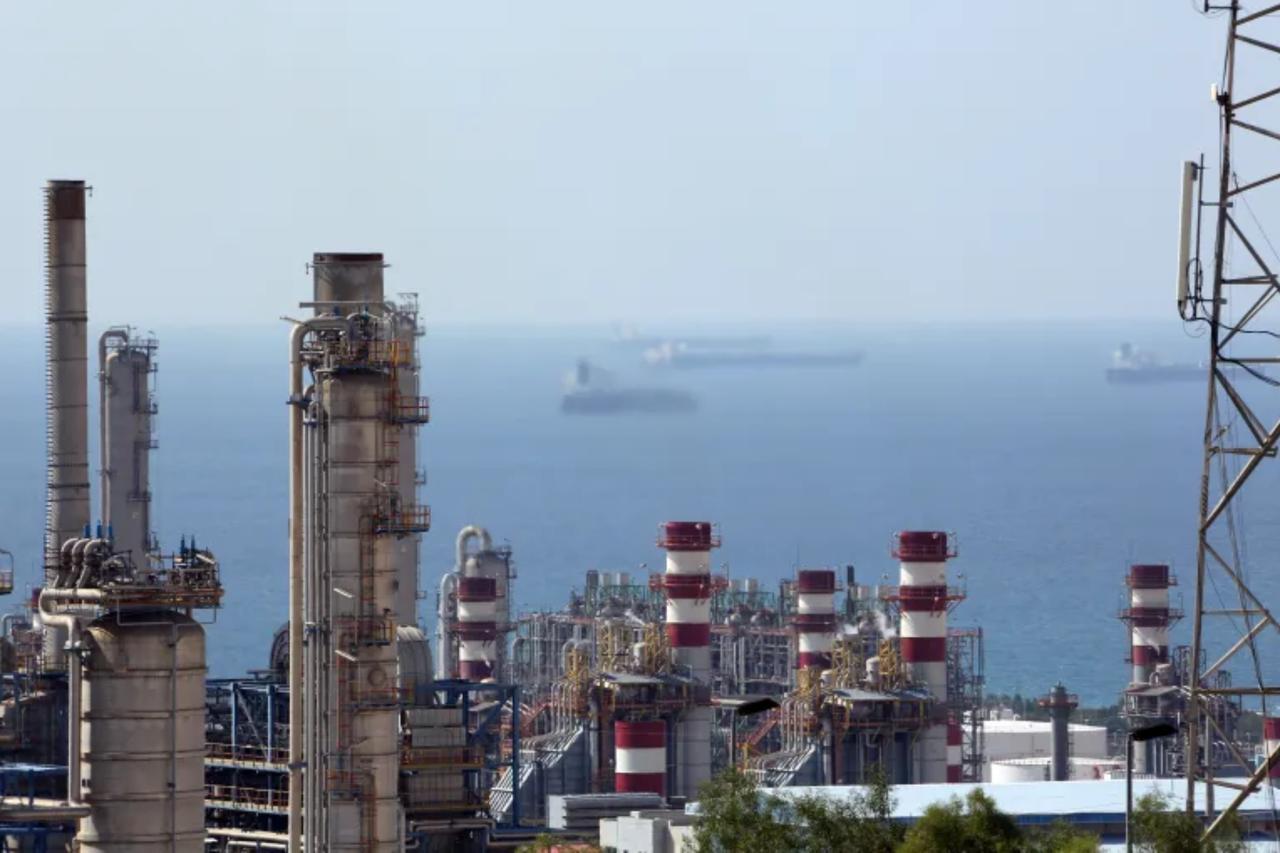
Strikes have also targeted key energy facilities, including Iran’s Kharg Island export terminal, while shipping through the Strait of Hormuz has slowed sharply as tanker operators avoid the area.
Officials said the temporary waiver is intended to counter Iran’s strategy of driving up energy prices, while longer-term solutions depend on reopening the strait and stabilizing the region.


 Set as preferred source
 Set as preferred source


 1 min read
 1 min read