Newsletters


The United States has maintained a build-up of more than 400 military aircraft in and around the Middle East amid the ongoing war with Iran, according to open-source tracking data compiled by the OSINT account DefenceGeek and the Military Air Tracking Alliance, spanning fast jets, surveillance and reconnaissance planes, and a tanker fleet stretching from Britain to the Indian Ocean.
A fast-jet order of battle published Aug. 10 placed the deployed U.S. fast-jet force at around 237 aircraft in the U.S. Central Command (CENTCOM) area, according to DefenseGeek's tracking, covering F-15E Strike Eagles, F-35A and F-35C Lightning IIs, F-16 Fighting Falcons, A-10C Thunderbolt IIs, EA-18G Growlers and F/A-18C/D Hornets.
The largest individual contingent is the F-15E force, with 64 aircraft associated with deployments from the 4th Fighter Wing, the 366th Fighter Wing and the RAF Lakenheath-based 494th Fighter Squadron.
That figure includes two aircraft recorded as unidentified combat losses.
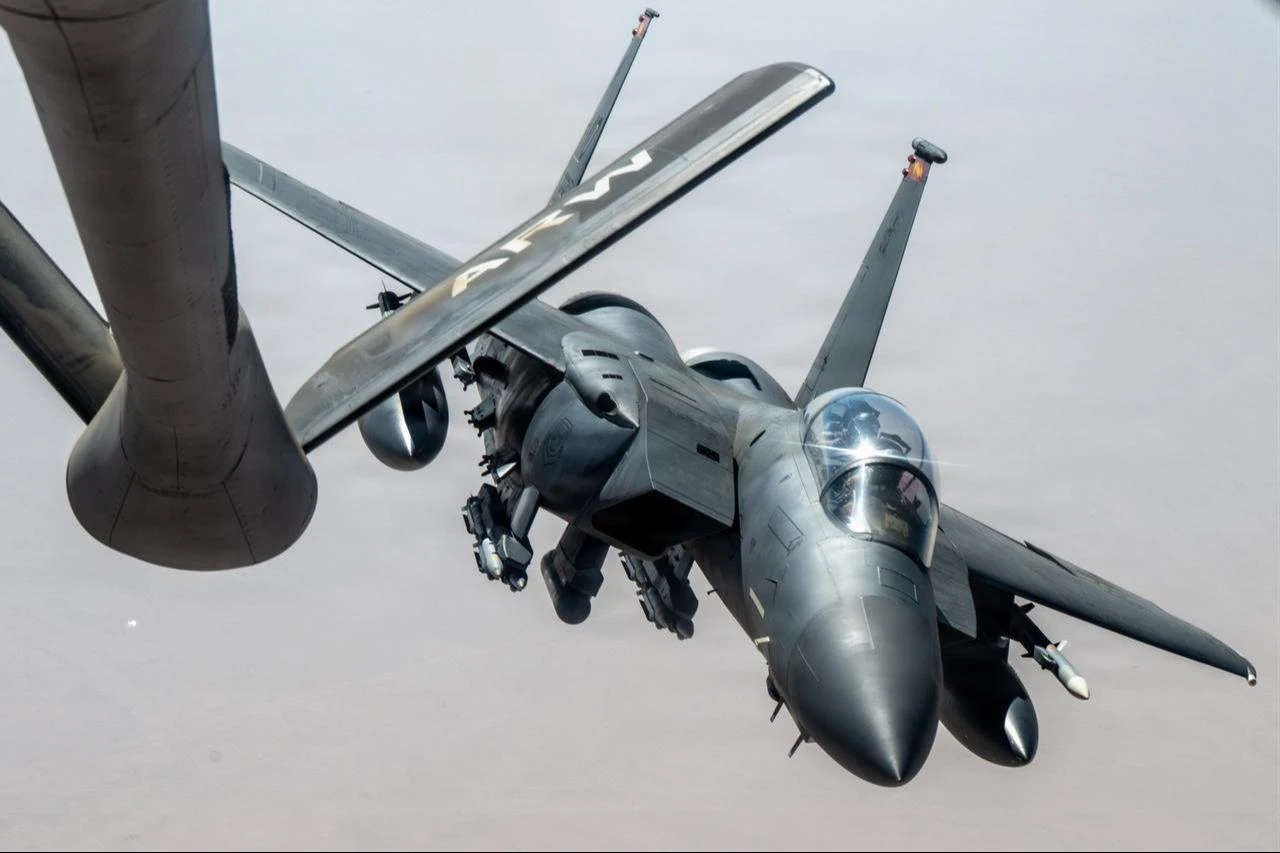

A further 55 F-35As are listed, including aircraft from the Vermont Air National Guard's 158th Fighter Wing, Hill Air Force Base and RAF Lakenheath. The data records 15 F-35As from Lakenheath's 495th Fighter Squadron as deploying in July.
The F-16C/CM force is placed at 61 aircraft, with deployments involving units associated with South Carolina, Shaw Air Force Base, Spangdahlem, Aviano and Misawa. Eleven additional F-16s were recorded at Spangdahlem but excluded from the forward total because they had not deployed into the CENTCOM area.
Thirty A-10C Thunderbolt IIs are also listed, across deployments involving the 107th Fighter Squadron, the 124th Fighter Wing and units from Moody Air Force Base. The figure includes one aircraft recorded as an unidentified loss.
Naval and Marine Corps aircraft round out the force.
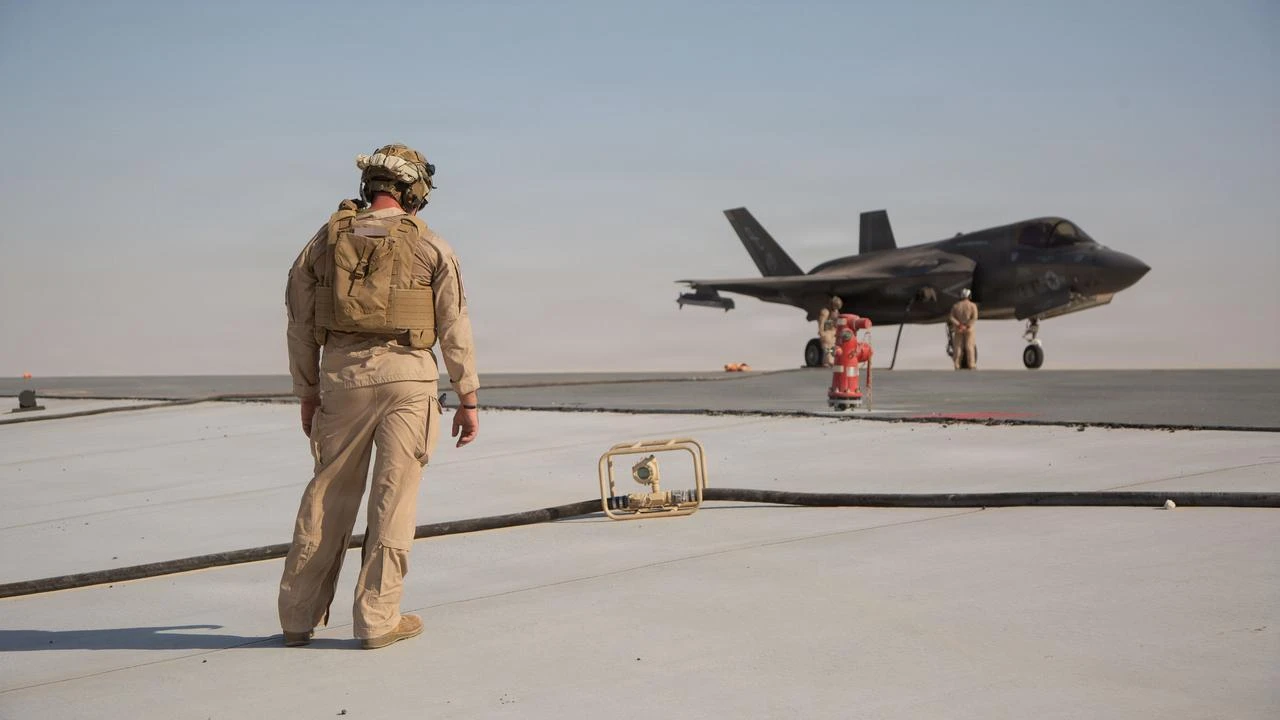
12 F/A-18C/D Hornets from VMFA-312 and 10 F-35Cs from VMFA-311, alongside six EA-18G Growlers from VAQ-135. Another six EA-18Gs from VAQ-138 had previously been tracked at Lajes Airport in the Azores and were initially excluded from the forward total.
U.S. imagery dated Aug. 3 subsequently showed a VAQ-138 Growler operating in the CENTCOM area carrying an AN/ALQ-249(V)1 Next Generation Jammer Mid-Band pod, indicating continued movement through the wider deployment network, according to the tracker.
DefenceGeek noted the fast-jet count does not include aircraft deployed aboard U.S. Navy warships, saying a separate accounting for carrier-based aircraft would likely follow once the ongoing handover between the USS George Washington and the USS Abraham Lincoln in CENTCOM is complete.
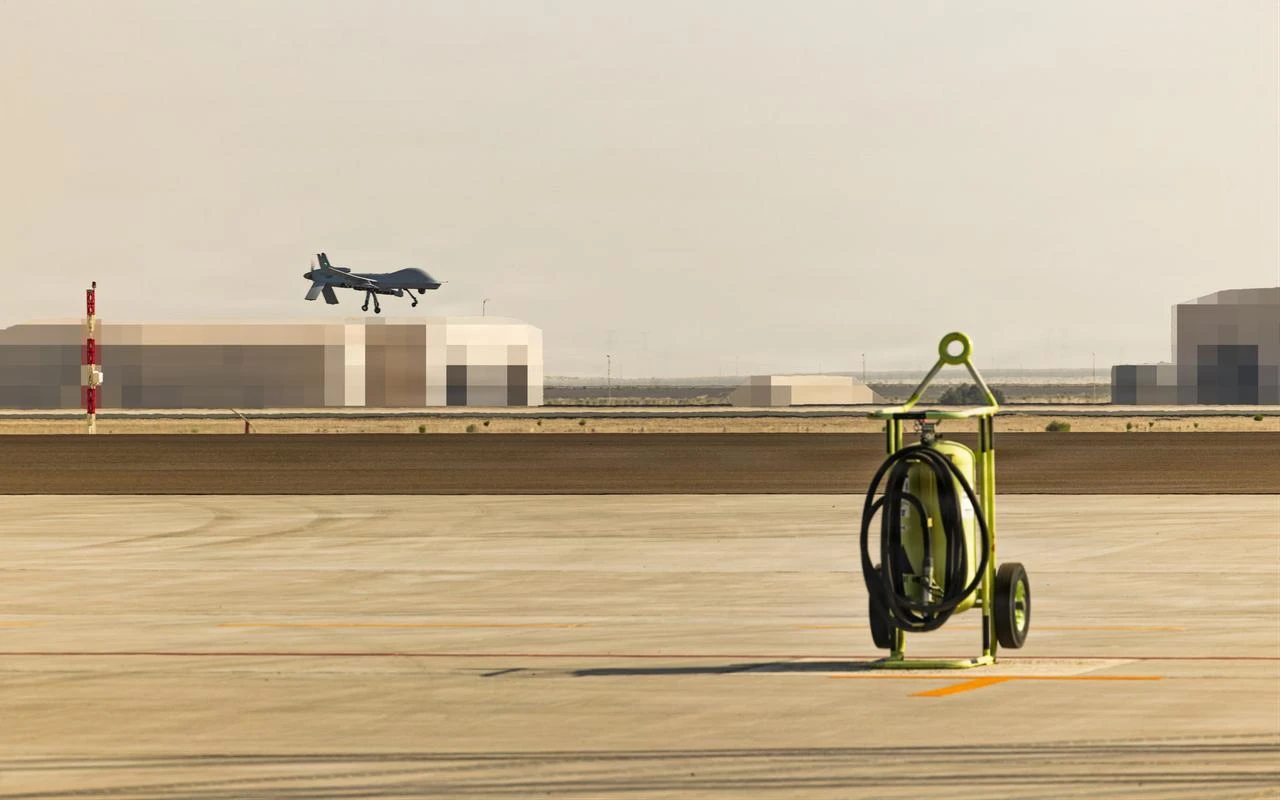
A separate ISTAR and UAV order of battle published Aug. 12 listed U.S. surveillance, reconnaissance and unmanned platforms tracked across the region, including three MQ-4C Triton unmanned surveillance aircraft, an unspecified number of MQ-9A drones, six E-3G Sentry airborne early warning aircraft, five E-2D Hawkeye aircraft, five E-11A BACN communications relay aircraft, two EA-37B Compass Call II electronic warfare aircraft, four RC-135W Rivet Joint reconnaissance aircraft and seven P-8A Poseidon maritime patrol aircraft.
DefenceGeek said individual airframe numbers could not be confirmed for all aircraft types shown, due to the use of "tactical hex codes" and limited photographic verification of some systems.
A separate assessment dated Aug. 13 recorded 209 U.S. aerial refueling aircraft across locations stretching from the United Kingdom and continental Europe to the Gulf and Indian Ocean, according to the tracking data.
The total consists of 33 KC-46A Pegasus aircraft, 152 KC-135Rs, 23 KC-135Ts and a single KC-135RT.
Of the 209 tankers, 107 were placed in the assessment's "red zone" closest to the principal area of operations, with another 48 in the "orange zone" and 37 in the "green zone" farther west. Sixteen were recorded as having returned to the United States in the two weeks prior, with one aircraft listed at another or unidentified location.
The tracked network spans bases including RAF Mildenhall in the United Kingdom; Lajes in the Azores; Avord and Istres in France; Stuttgart in Germany; Bucharest and Mihail Kogălniceanu in Romania; Bezmer in Bulgaria; Sigonella in Sicily; and Souda Bay in Crete.
Farther east, tankers were tracked at Ben Gurion, Ovda and Ramon in Israel; Prince Sultan Air Base in Saudi Arabia; Al Udeid Air Base in Qatar; and Al Dhafra Air Base in the United Arab Emirates.
Al Udeid and Al Dhafra had both returned to use by the tracked tanker force by Aug. 13 after previously dropping out of the observed deployment pattern, according to the data.
Diego Garcia is also included in the network as part of the broader logistics architecture supporting U.S. operations across the Middle East and Indo-Pacific.
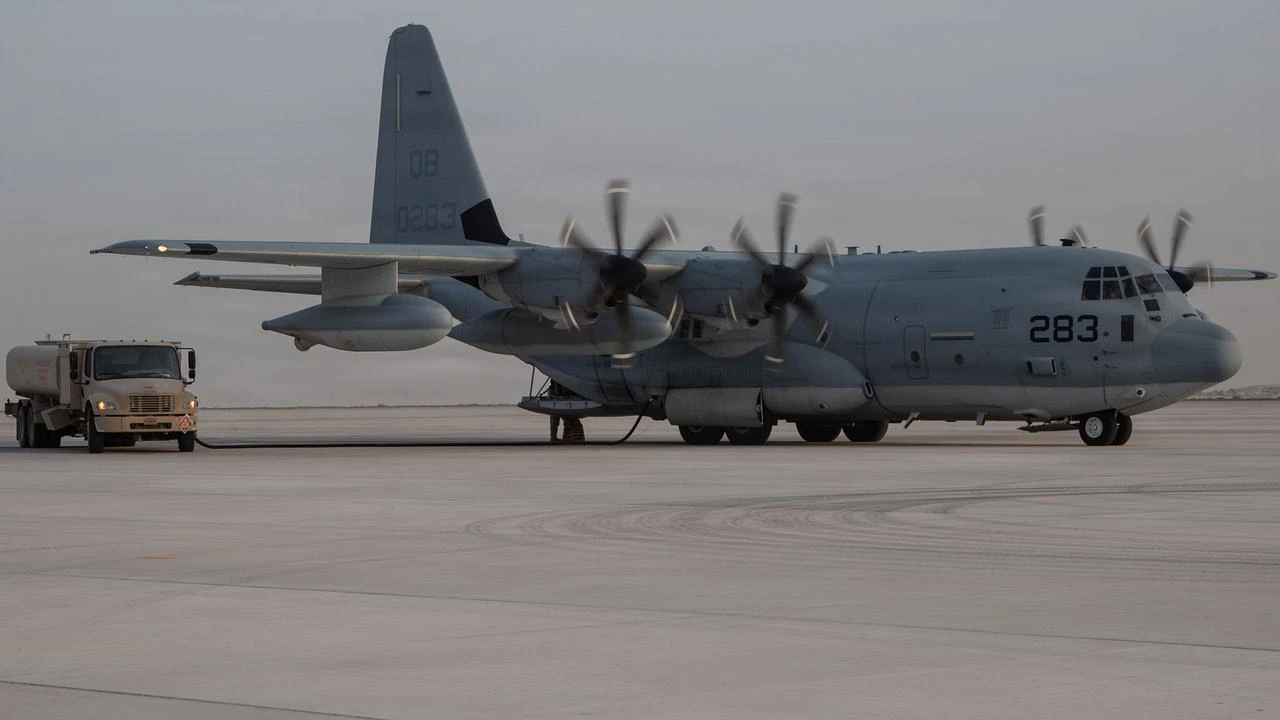
Aerial refueling is central to sustaining combat air operations over the long distances involved, allowing fighters, electronic warfare aircraft, surveillance platforms and other assets to remain airborne longer, while also supporting the movement of aircraft between bases in the United States, Europe and forward locations.
The figures are based on open-source tracking rather than an official U.S. military order of battle, and individual aircraft can move between locations without appearing on publicly accessible tracking systems, according to DefenceGeek.
They therefore represent a snapshot of observable deployments rather than a definitive real-time inventory.
Taken together, the tracked data shows a U.S. combat-air presence numbering well above 200 fast jets, backed by a tanker network of more than 200 aircraft distributed from Britain and the Atlantic through Europe and into the Middle East.


 Set as preferred source
 Set as preferred source



 2 min read