Newsletters




Senior U.S. officials have informed their Israeli counterparts and other nations in recent days that Washington may have "no alternative" but to launch a ground military operation to seize Iran's Kharg Island, the Jerusalem Post reported.
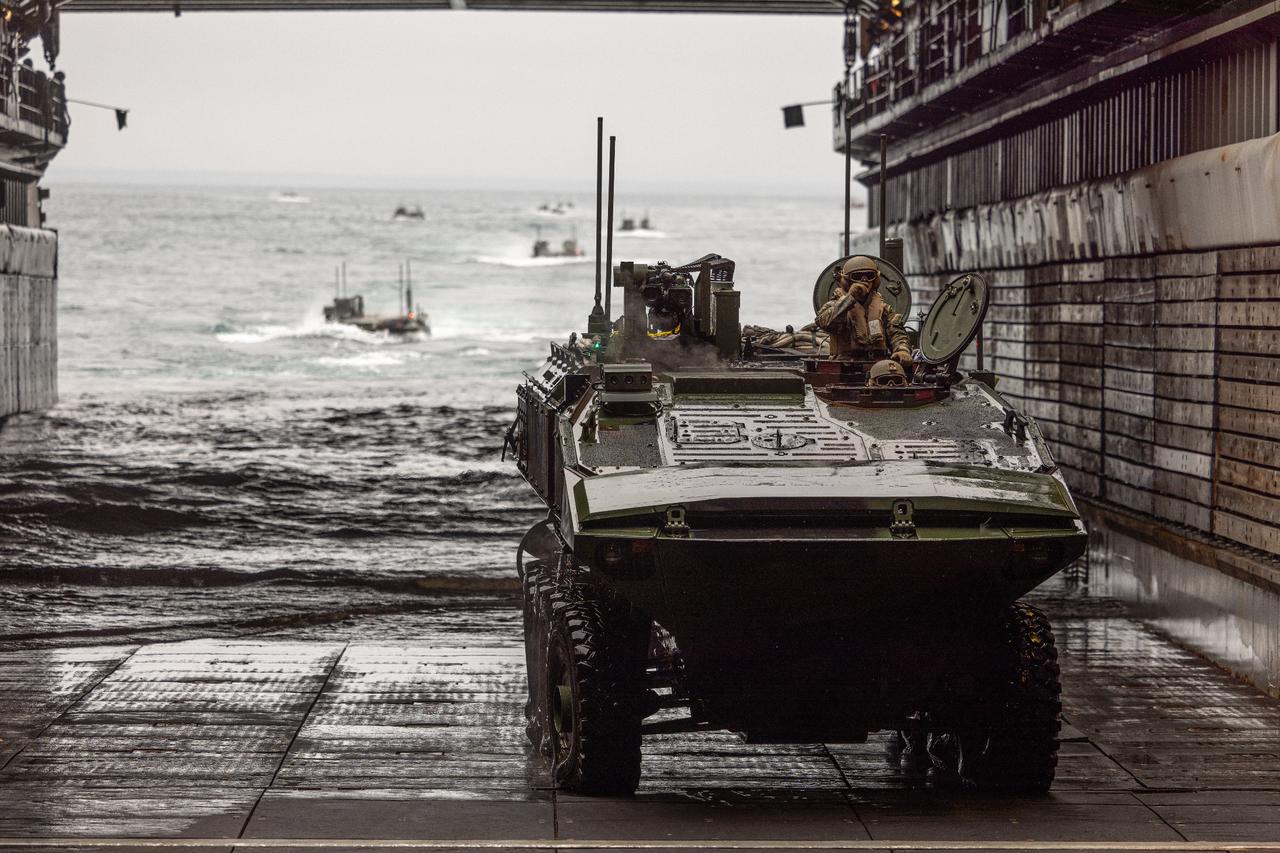
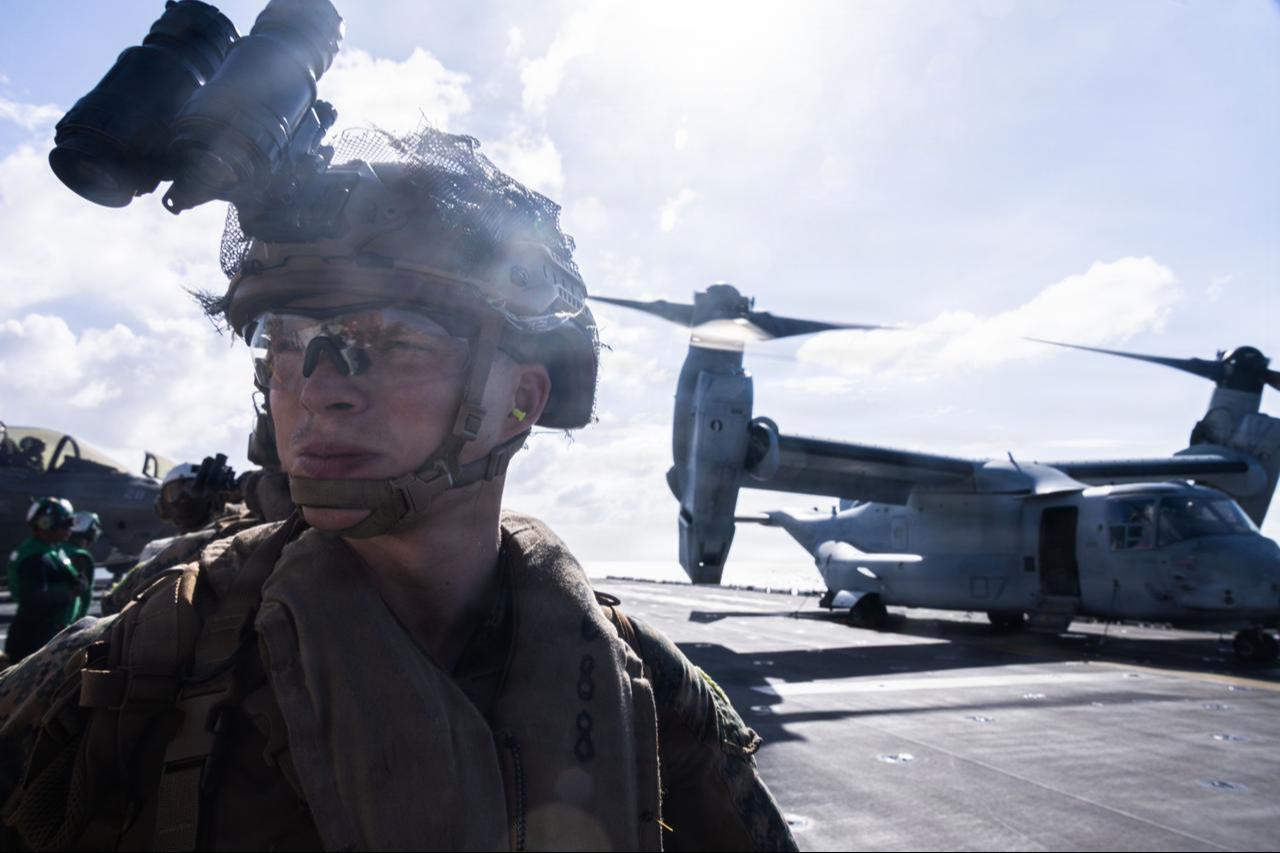
The U.S. military has accelerated the deployment of thousands of Marines and Navy personnel to the Middle East, including the USS Boxer Amphibious Ready Group, which carries approximately 4,500 Marines.
Two sources familiar with the matter told the Jerusalem Post that senior U.S. officials have recently told Israeli and other foreign counterparts that the U.S. will likely be forced to carry out a ground operation to seize Kharg Island in order to compel Iran to stop blocking vessel traffic through the Strait of Hormuz.
"It appears there may be no alternative," U.S. officials said, according to the reports.
Discussions have begun within the U.S. administration regarding whether to occupy the island, the Post reported.
A U.S. official confirmed to the newspaper that "the U.S. military has accelerated the deployment of thousands of Marines and Navy personnel to the Middle East."
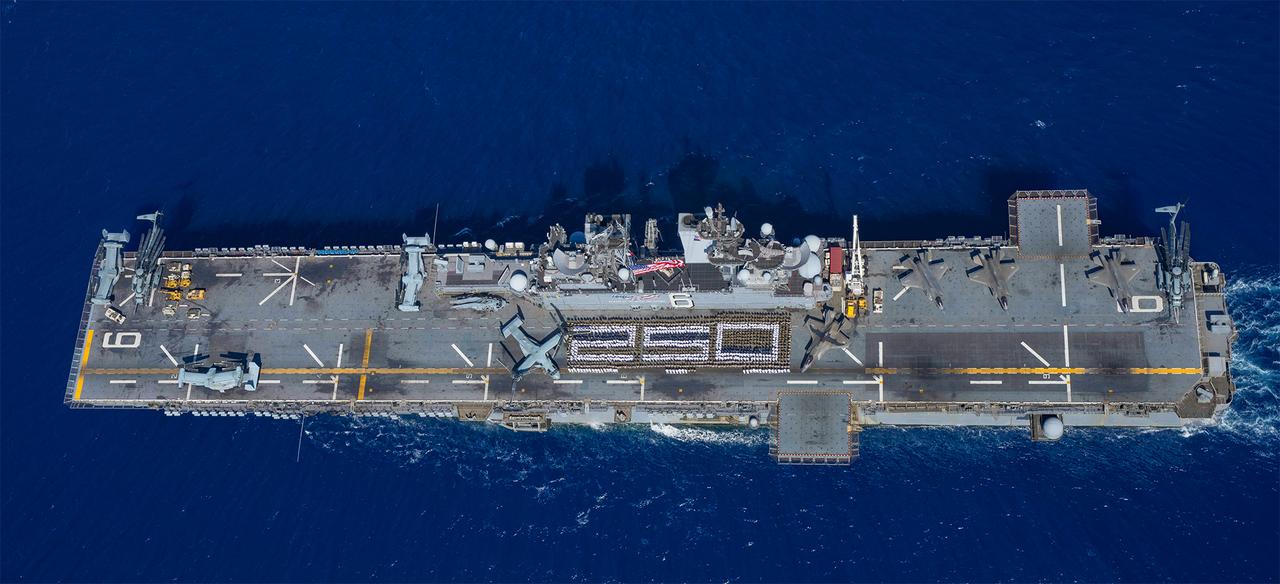

The accelerated deployment includes the USS Boxer Amphibious Ready Group, featuring the amphibious assault ship USS Boxer, which functions as a light aircraft carrier, alongside the amphibious transport docks USS Portland and USS Comstock.
The three vessels carry approximately 4,500 Marines and additional combat forces, raising speculation about a possible landing operation.
Kharg Island, located in the Persian Gulf, processes approximately 90% of Iran's crude oil exports, the majority of which are bound for China.
The U.S. military struck military targets on the island approximately ten days ago.
Trump wrote afterward that the U.S. had "destroyed all military targets on the island" and stressed he had chosen not to wipe out all oil infrastructure there, but warned he would "reconsider" if Iran continued to obstruct navigation through the Strait of Hormuz.
The Strait of Hormuz has been effectively closed to most shipping since early March.
The waterway normally handles around 20 million barrels of oil per day and roughly 20% of the global liquefied natural gas (LNG) trade. Its closure has driven up shipping and insurance costs, pushed oil prices higher, and raised global economic concerns.
Hostilities in the region have escalated since U.S. and Israeli strikes on Iran began on Feb. 28.
Iran has retaliated with repeated drone and missile strikes targeting Israel and Gulf countries hosting U.S. military assets.


 Set as preferred source
 Set as preferred source


 2 min read


 1 min read