Newsletters


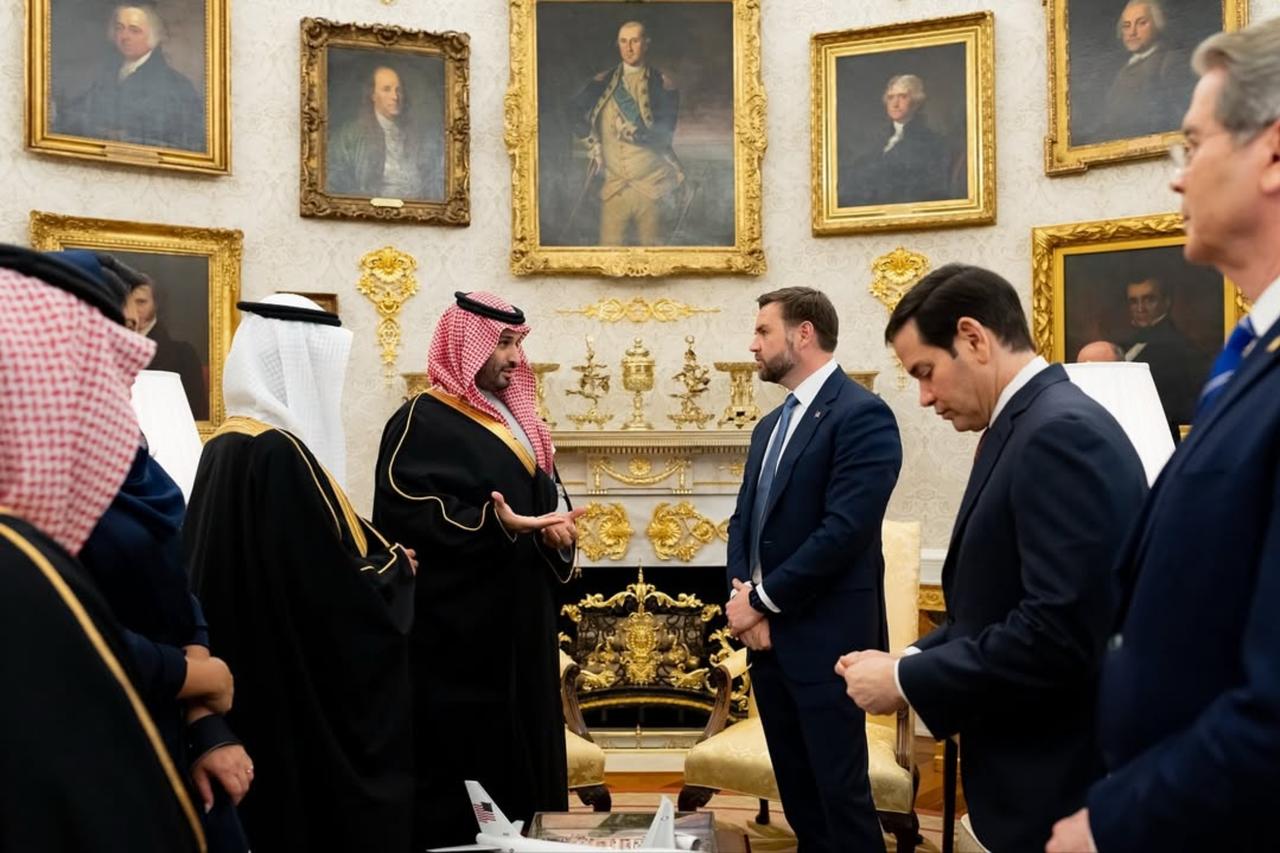


U.S. Vice President JD Vance said Monday that Washington could encourage Gulf countries to invest as much as $300 billion in Iran under a future agreement, while stressing that no American taxpayer money would be used.
Speaking in a series of television interviews, Vance pushed back against reports suggesting Washington would provide direct financial assistance to Tehran. Instead, he outlined a scenario in which Gulf nations could help fund investment and reconstruction efforts if Iran complies with the terms of a deal and is reintegrated into the global economy.
"If the Iranians behave, and if there is sanctions relief, and if the Iranians are integrated into the world economy, we would invite other countries, not us, but other countries to invest in their country," he said.
The vice president argued that broader economic normalization could deliver significant benefits to Iran without requiring direct U.S. funding. "What we have said is there’s a lot of economic benefit in the United States for leaving a lot of sanctions and welcoming them back into the world economy," Vance remarked. "Not American money, but there’s a lot of economic prosperity that can flow from that."
Earlier Monday, Vance suggested Iran could gain access to a $300 billion reconstruction and investment fund financed by Gulf nations if it meets the obligations set out in the agreement.
"That’s the sort of thing they could have access to, funded by the Gulf Coast coalition, so long as they honor their end of the obligation," he said during a televised interview.
Vance cautioned that hardliners in Iran may focus on the economic incentives while overlooking the concessions required to qualify for them.
U.S. President Donald Trump also dismissed reports that Washington was preparing to provide financial payouts to Iran. "Iran has agreed to never have a Nuclear Weapon!" Trump wrote on Truth Social, while calling reports that the United States would fund a multibillion-dollar package "fake news."
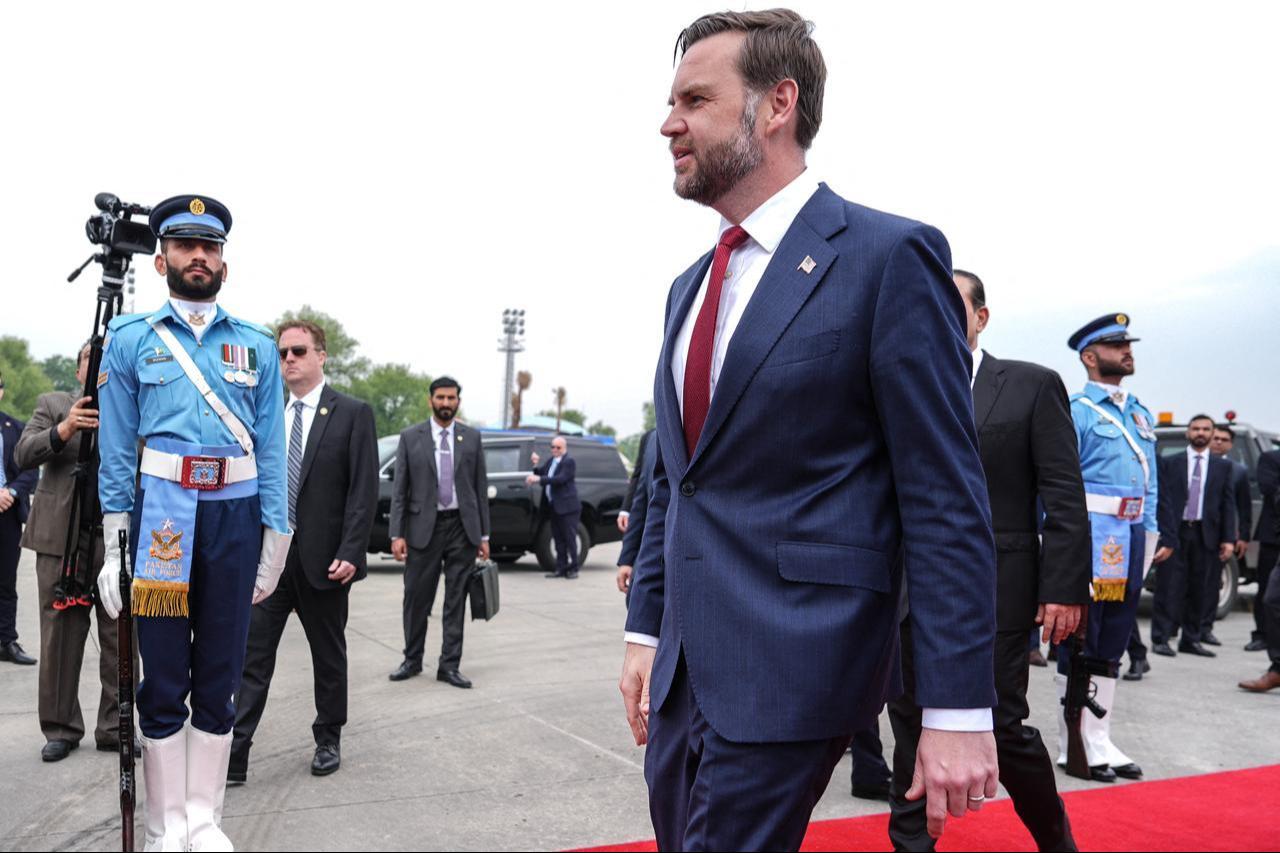

Vance also rejected claims that the proposed agreement includes $24 billion in frozen Iranian funds, noting that the text has not yet been released. While acknowledging discussions about frozen assets, Vance suggested that sanctions relief would have a far greater impact on Iran's economy.
"We’re willing to talk about unfreezing assets," he said on CBS. "But a much bigger deal is unsanctioning their economy so long as they make the long-term commitments on the nuclear program."
However, Iranian officials and state-linked media have portrayed sanctions relief and access to frozen assets as central parts of the understanding, rather than secondary issues. A senior Iranian official quoted by Reuters said the draft includes oil-sanction waivers, the release of frozen assets, and a broader economic normalization process.
Tehran's version also describes a reconstruction and development plan alongside phased sanctions relief.


 Set as preferred source
 Set as preferred source


 1 min read
 1 min read