Newsletters


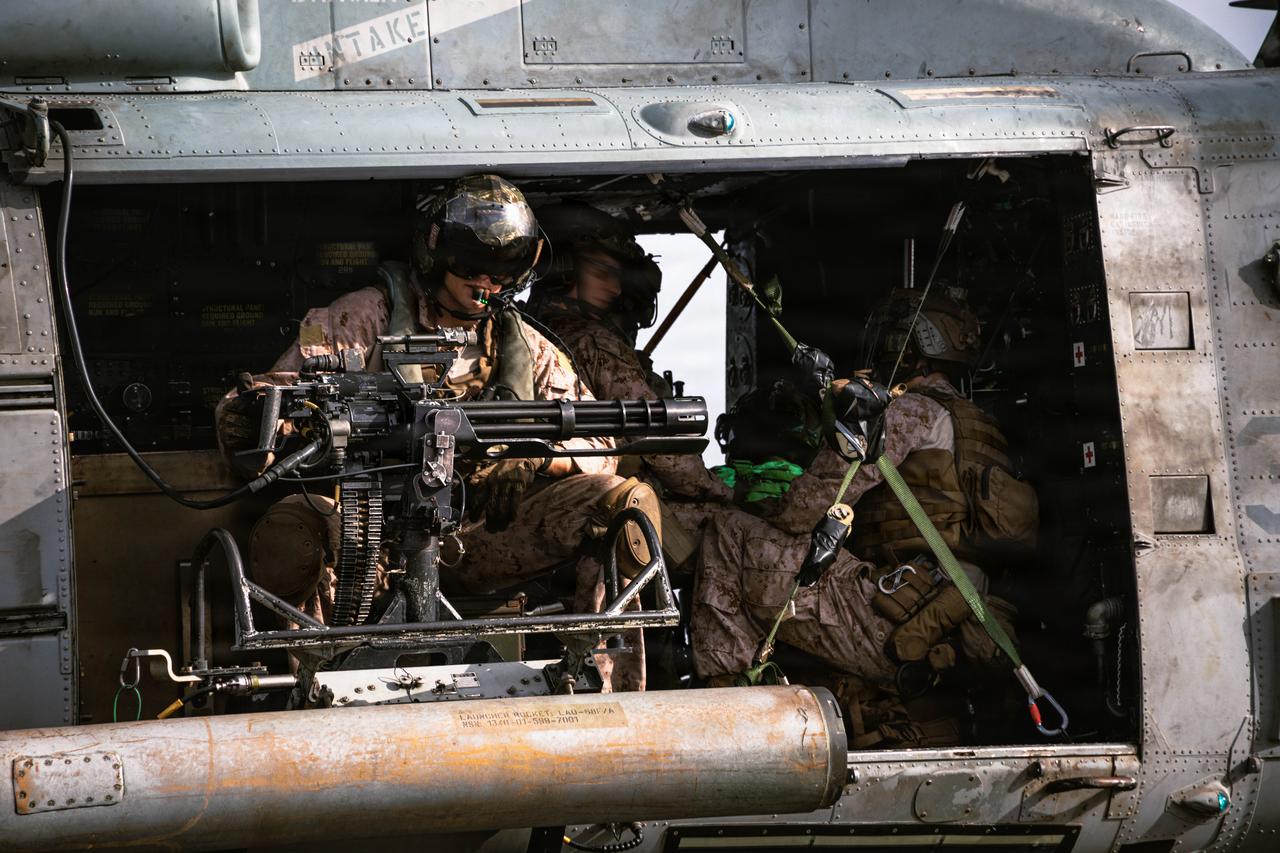


The United States will maintain its full military posture in the Middle East throughout the 60-day negotiation period that follows Friday's signing of the U.S.-Iran Memorandum of Understanding (MoU), senior administration officials said Monday.
U.S. Vice President JD Vance also warned that U.S. President Donald Trump would not hesitate to resume military strikes against Iran if Tehran failed to honor its commitments.
"The plan is to keep current force posture during the succeeding negotiations," a senior U.S. official told reporters on a conference call.
"We ramped up a lot of forces in the region to prepare for the operation in February. We hope to draw them down, but we're not doing that yet. We want to see, again, the Iranians do what they promise," the official added.
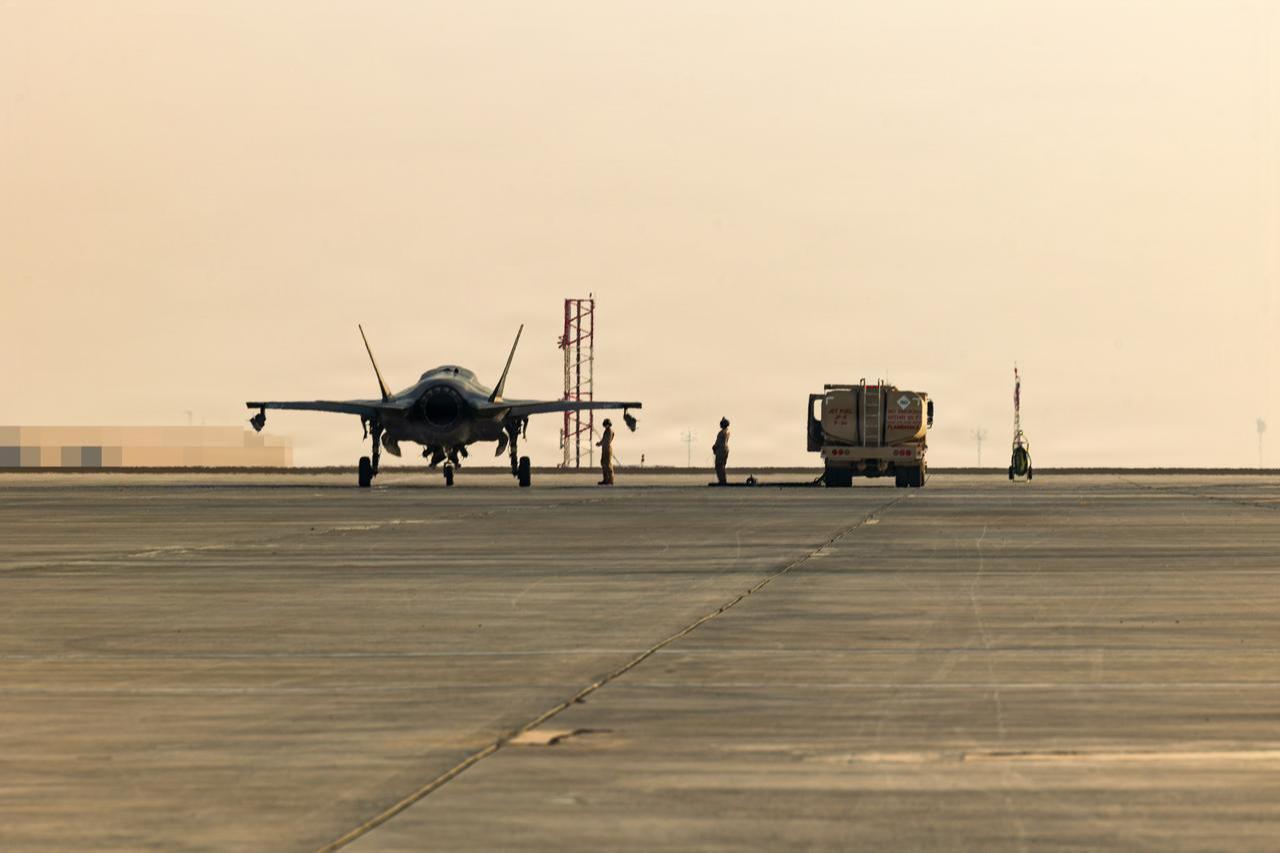
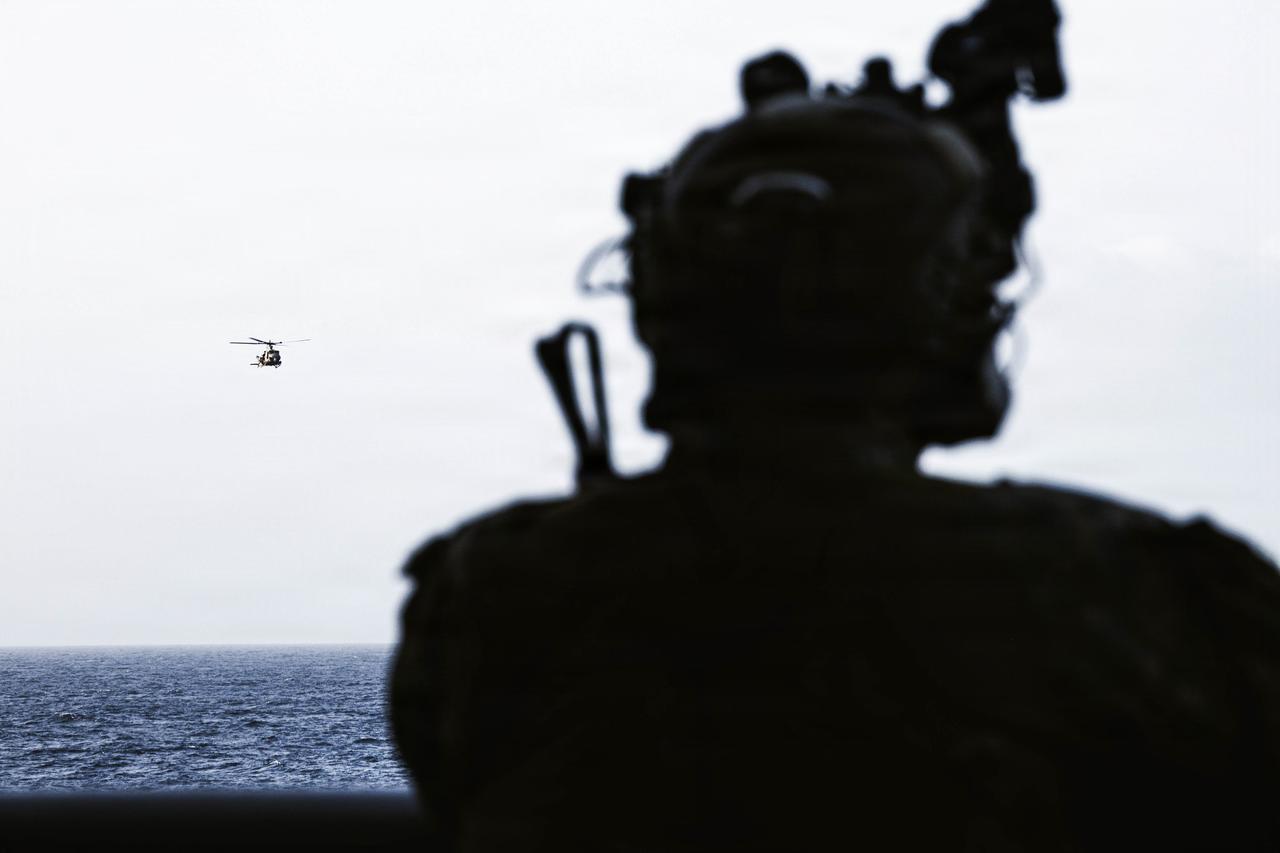
The deployment currently includes over 50,000 U.S. service members across the U.S. Central Command area of responsibility, among them elements of the Army's 82nd Airborne Division, Marine Expeditionary Units, THAAD and Patriot missile defense batteries, special operations forces, two aircraft carriers, and dozens of fighter jets, refueling tankers, drones and electronic warfare aircraft.

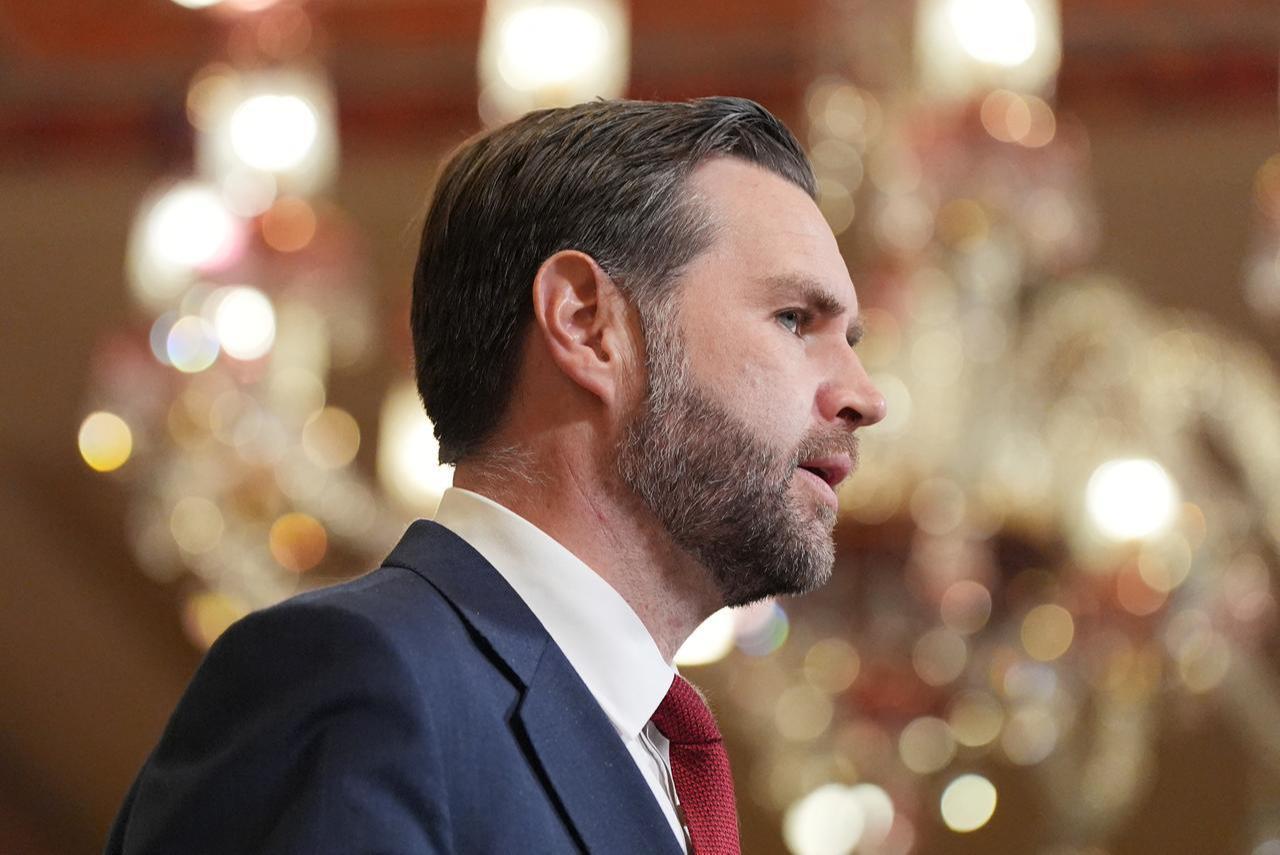
Speaking to Fox News's Sean Hannity, Vance made the most explicit threat of resumed military action yet from any senior administration official.
Asked what would happen if Tehran failed to meet its obligations under the deal, Vance said the consequences could include a return to strikes and a reinstatement of the naval blockade.
"If they don't do what they promise they're going to do, they don't get any benefits of the bargain, and as the president would say, we have all the cards," Vance said, adding: "Their economy will still be in very tough shape if they don't get the relief that they need."
"I've known President Trump for a long time. I would say that means go back and resume bombing. It could. It could be, and he would. I don't think he would hesitate. It could mean the blockade goes back on," Vance said.
Vance framed Trump's objective as behavioral change rather than regime change. "He wants Iran to be a normal country. They've got to act like it," he said.
Defense Secretary Pete Hegseth reinforced the message in an earlier interview.
"Our military posture will be whatever it needs to be to ensure they're compelled over these 60 days through the memorandum of understanding that they live up to what they said they would do," Hegseth said Sunday on CBS's Face the Nation.
A U.S. military advisory to mariners sent Monday confirmed that the U.S. Navy's blockade of Iranian ports would remain in place until the deal is signed Friday and that ships should not attempt to cross it.
A senior U.S. official cited by Al-Monitor clarified that the memorandum "provides for the immediate opening of the Strait of Hormuz and the combined lifting of the naval blockade" but acknowledged it would take "a little bit of time because you have mines in the straits and you have ships that have different risk tolerances."
"We probably won't return to normal in two weeks, but we will see a significant increase in strait traffic," the official said.
A second senior official on the same call estimated commercial traffic would "return to normal pretty quickly, definitely within 30 days once Iran has committed to get rid of all the mines."
That official added, "We know where all the mines are at this point, and we could actually help them clear the munitions."
On the nuclear question, one senior official said the U.S. expected to know within two to three weeks whether Iran was serious about concessions. If not, the official said, the process could stop before Iran gained any significant benefits.
The current MoU requires Iran to maintain the status quo of its nuclear program during the negotiating period and commits both sides to "resolve the disposition of stockpiled enriched material" and discuss future enrichment in the final deal phase.
Military force reductions are contemplated "upon the agreement of a final deal," not before, the senior official confirmed.
The Memorandum of Understanding was signed electronically on Sunday by Vance and Iranian Parliament Speaker Mohammad Bagher Ghalibaf.
Officials said the full text of the 14-point document would be released Tuesday or Wednesday.
Both sides will formally sign it in person on Friday in Geneva.


 Set as preferred source
 Set as preferred source


 2 min read

 1 min read