Newsletters





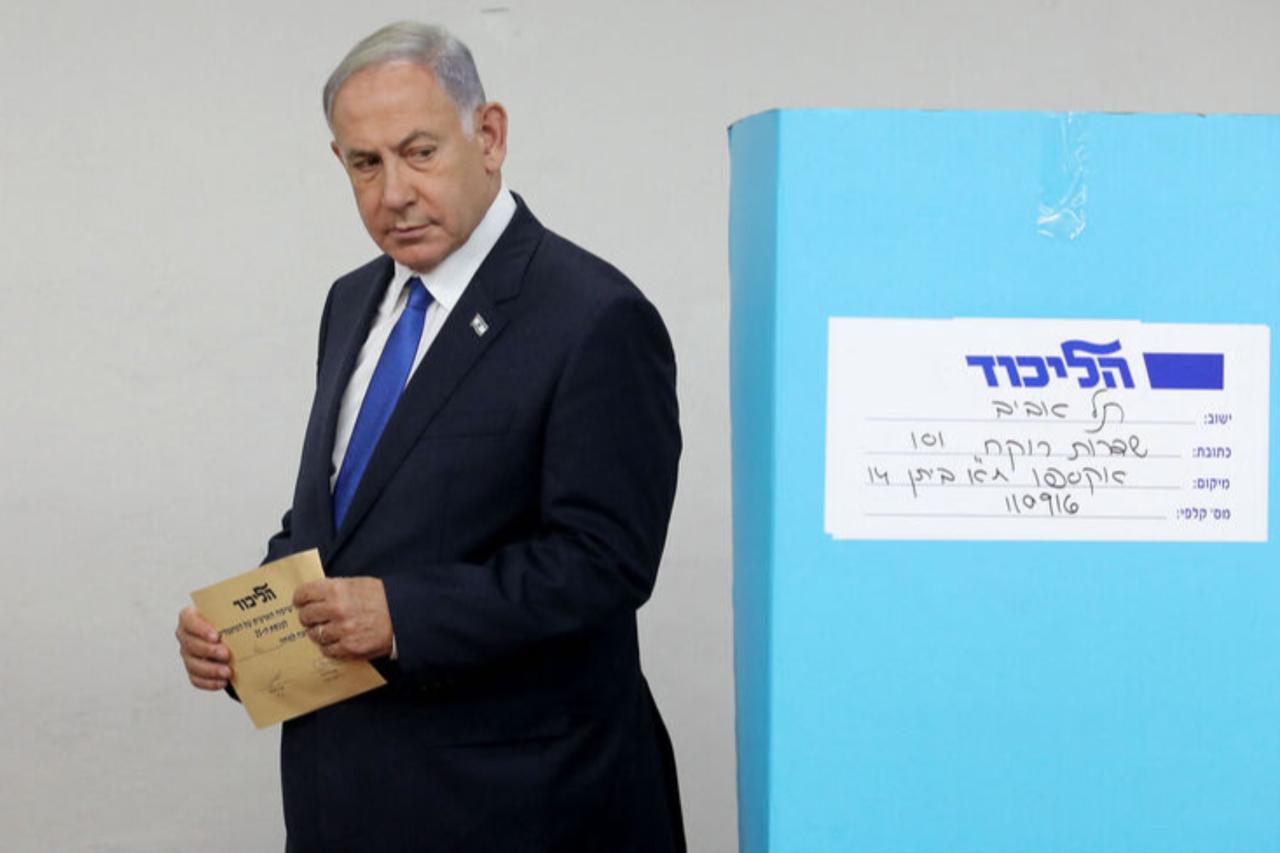
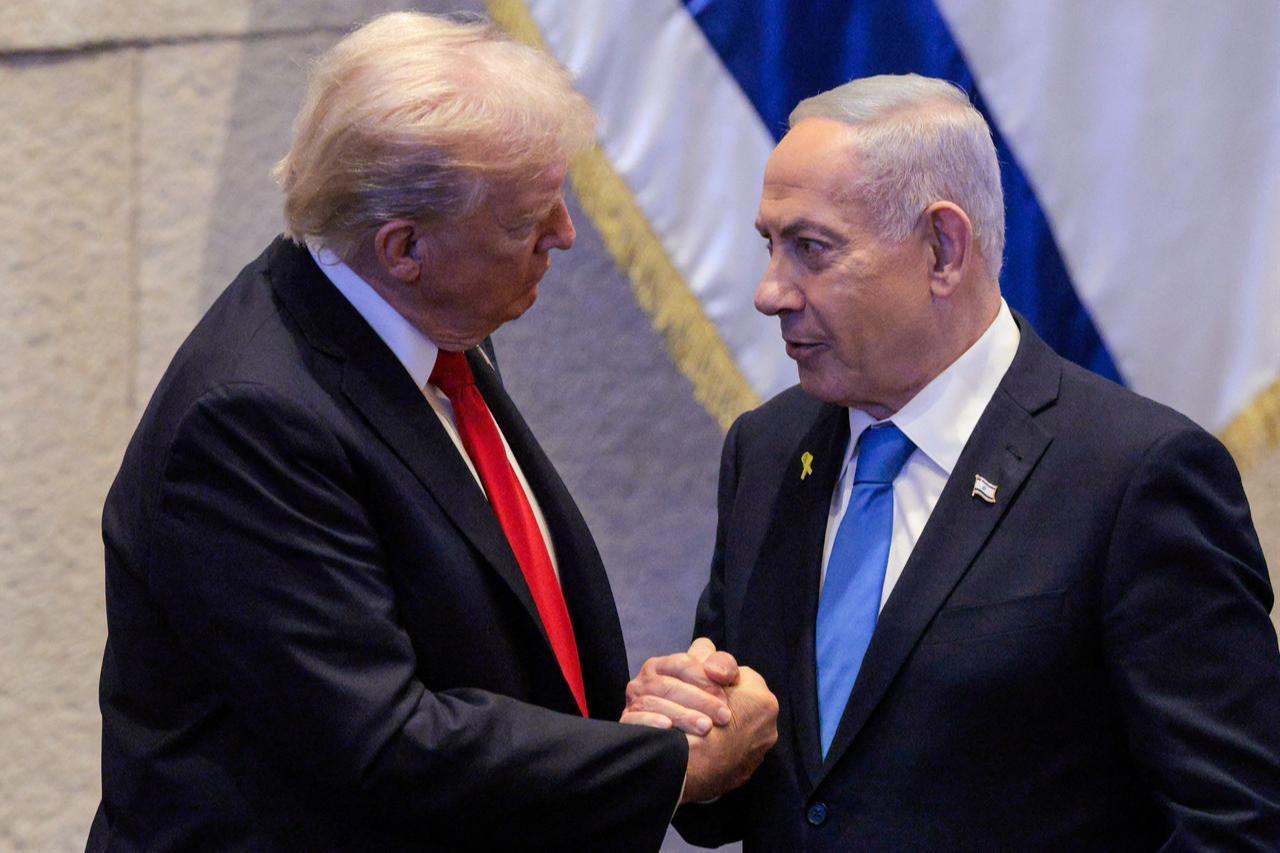
The Trump administration has begun establishing informal contacts with Israeli opposition leaders seen as potential alternatives to Prime Minister Benjamin Netanyahu's far-right government ahead of upcoming elections, Israel's Channel 12 reported, citing a prevailing view within the administration that Netanyahu will suffer a defeat at the polls.
According to the Channel 12 report, officials within the Trump administration, including some known for their closeness to Netanyahu, have begun 'testing the waters' with opposition figures whose names have circulated as potential candidates for the premiership.
The report identified former Prime Minister Naftali Bennett and former military chief of staff Gadi Eisenkot, leader of the Yashar! party, as among Netanyahu's strongest rivals being approached through informal channels by the Trump administration.
Trump administration officials reportedly believe there is a significant chance of a change in Israel's government and are working to build informal ties with Bennett and Eisenkot.
The outlet noted that until now, the dynamic had worked in reverse, with the opposition seeking ties to the U.S. administration, succeeding only partially with figures skeptical of Netanyahu, and largely failing with those close to him. Now figures reportedly considered very close to Netanyahu are themselves seeking paths to opposition parties, particularly Eisenkot and Bennett.


According to the Channel 12 report, the Trump administration's interest in engaging with the opposition stems from three core motivations.
First, the presence of far-right ministers in Netanyahu's coalition government has raised concerns in Washington.
Second, Washington has grown frustrated that various diplomatic processes and agendas cannot be advanced with the current Israeli government, whose international image has been damaged by its offensive in the Gaza Strip. Following the end of the war, some in the administration want to capitalize on diplomatic opportunities and secure the achievements Trump wants, but this cannot be done with Netanyahu and his government, against the backdrop of a trust crisis between the two governments.
Third, according to Channel 12, U.S. officials assess that Netanyahu will suffer a major defeat in Israel's elections, expected to be held no later than Oct. 27.
 2 min read
The dispute between the Israeli government and the Trump administration following the U.S.-Iran agreement has already played out publicly.
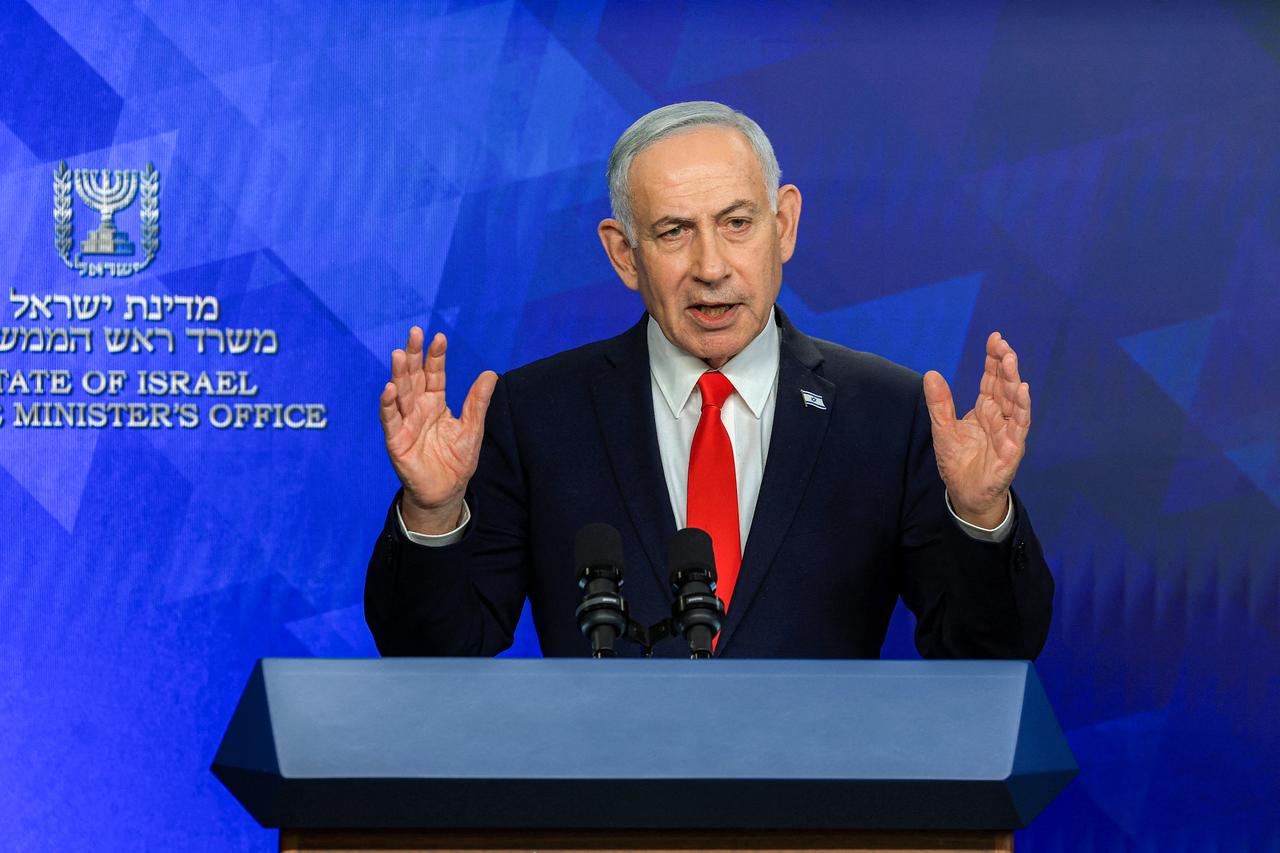
Israeli Defense Minister Israel Katz said after the agreement took effect that "no one can tell us what to do," telling Channel 14: "If Iran attacks us, we will act immediately and respond with force. No one can tell us what to do, and we have proven that."
Katz also said Israel had never asked the U.S. to fight alongside it against Hezbollah in Lebanon, in Syria, or Hamas in Gaza. "We do that alone," he said.
"We expected, and still expect, that the U.S. will back our right and give us a diplomatic umbrella, not a military one, to act against all these enemies," Katz said, adding that Israel would not withdraw from security zones in Lebanon, Syria or Gaza "under any circumstances."
Trump has criticized the Netanyahu government over its strikes on Lebanon, saying he disagreed with its approach there.
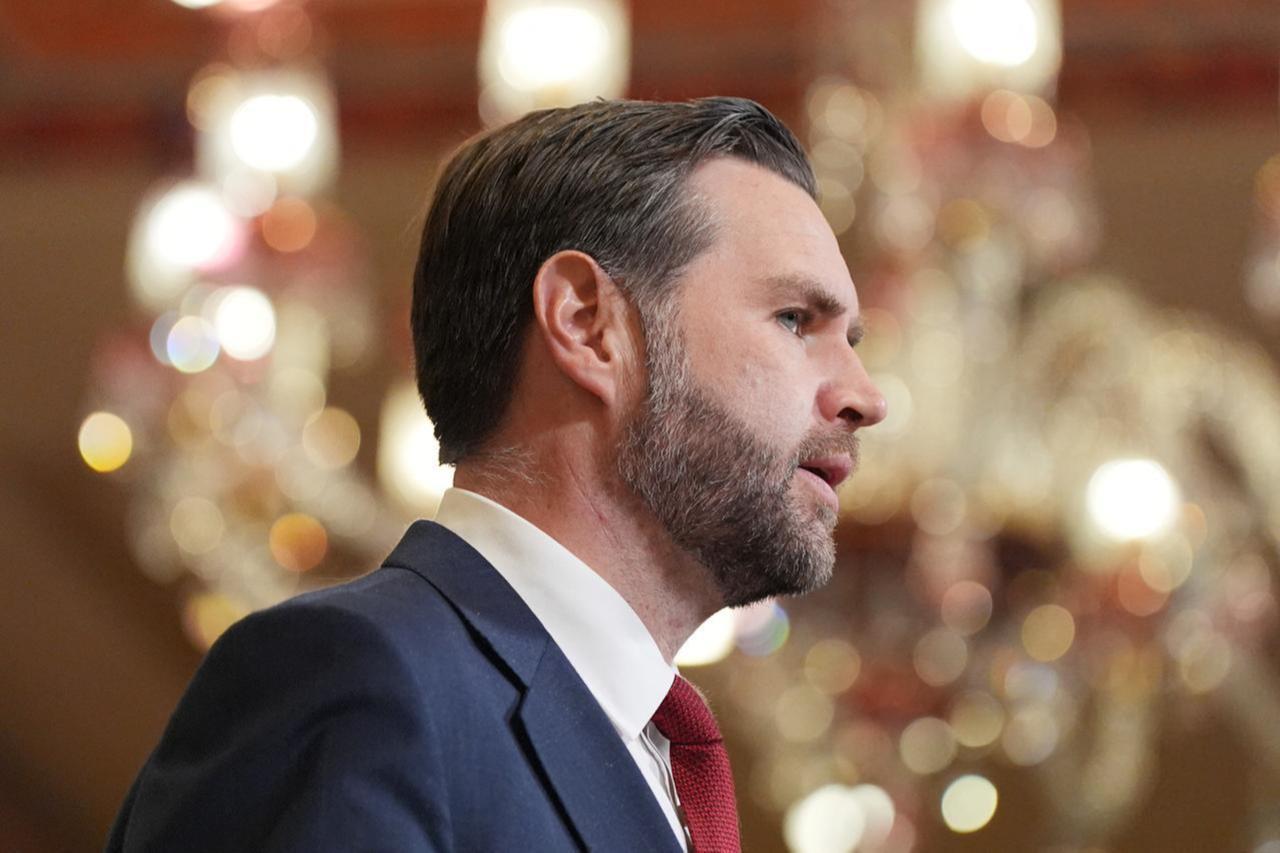
Vice President JD Vance sharply criticized Israeli far-right Finance Minister Bezalel Smotrich and National Security Minister Itamar Ben-Gvir over their reaction to the agreement, saying "two-thirds of the weapons protecting Israel are produced in the United States and paid for by American taxpayers."
Vance said at the White House that some members of the Israeli government had "very personally attacked the President of the United States," adding: "If I were in the Cabinet of the Israeli government, I might not be attacking the only powerful ally that I have anywhere left in the entire world."
A new poll released Friday found that Israel's opposition would secure 61 seats in the 120-member Knesset, Israel's house of representatives (the parliament), if elections were held today, enough to form a government, compared with 49 seats for Netanyahu's ruling bloc.
Arab parties would collectively win 10 seats, according to the survey, conducted by the Lazar Research Institute in cooperation with Maariv between June 17 and 18 among 501 respondents, with a margin of error of approximately 4.4%.
The poll showed continued gains for Eisenkot's Yashar party, which climbed to 21 seats, tying Netanyahu's Likud party.
Likud has lost seven seats in recent polling, according to Maariv, while Bennett's Together party has dropped by 11 seats since the alliance was announced in April.
A previous Maariv poll released the prior Friday put Likud's support at 22 seats, its lowest level in nearly a year and its weakest showing since August 2025, when it polled 21 seats.
Maariv noted that the latest findings were particularly notable because the far-right Religious Zionism party, led by Smotrich, cleared the electoral threshold and was projected to win four seats.


 Set as preferred source
 Set as preferred source


 1 min read