Newsletters





Washington has offered Tel Aviv an option under which Türkiye would provide remote support for operations in Gaza, with Turkish troops offering logistical assistance from bases in Egypt and Jordan, according to a report Thursday by Israel’s public broadcaster KAN.
According to the report, U.S. officials presented their Israeli counterparts with a framework that would exclude Turkish soldiers from operating on the ground in Gaza. Instead, Türkiye would maintain a presence at rear bases in Jordan and Egypt to provide logistical support to an international force.
KAN reported that the Trump administration wants Ankara to be part of a stability and peace force to be formed in the region. The idea was raised with Israeli Prime Minister Benjamin Netanyahu even before his talks this week in Florida with U.S. President Donald Trump.
The report said people close to Netanyahu indicated that he made clear to Trump that Türkiye would not be present in Gaza and would not take part in the second phase of the ceasefire agreement. According to the sources cited by KAN, Trump did not respond to those remarks.
Trump said Monday that he has a “great relationship” with Turkish President Recep Tayyip Erdogan and that he would discuss the possible deployment of Turkish forces to Gaza during his meeting with Netanyahu.
“I have a great relationship with President Erdogan, and we’ll be talking about it. And if it’s good, I think that’s good,” Trump said when asked whether he expects Turkish troops to be stationed in Gaza as part of an international stabilization force required under his 20-point Gaza ceasefire plan.
He added that the issue “will be having to do with Bibi,” using a common nickname for Netanyahu, ahead of their meeting at Trump’s Mar-a-Lago resort in Palm Beach, Florida.


Netanyahu’s visit marked his fifth trip to the United States since the start of Trump’s second term. The visit came as negotiations continue on advancing to the second phase of the October Gaza ceasefire plan, which followed more than two years of Israel’s war on the Palestinian enclave.
Discussions are ongoing over Türkiye’s potential participation in a peace force to be formed in the region. Türkiye has taken what officials describe as a leading role in diplomatic, humanitarian and political efforts related to Gaza since the war began on Oct. 7, 2023.
The second phase of the plan outlined in Trump’s 20-point proposal includes a full Israeli withdrawal from Gaza, the disarmament of Hamas, the deployment of an international stabilization force, and the establishment of a Palestinian technocratic committee to temporarily administer Gaza.
Israel opposes the involvement of Turkish troops in such a force.
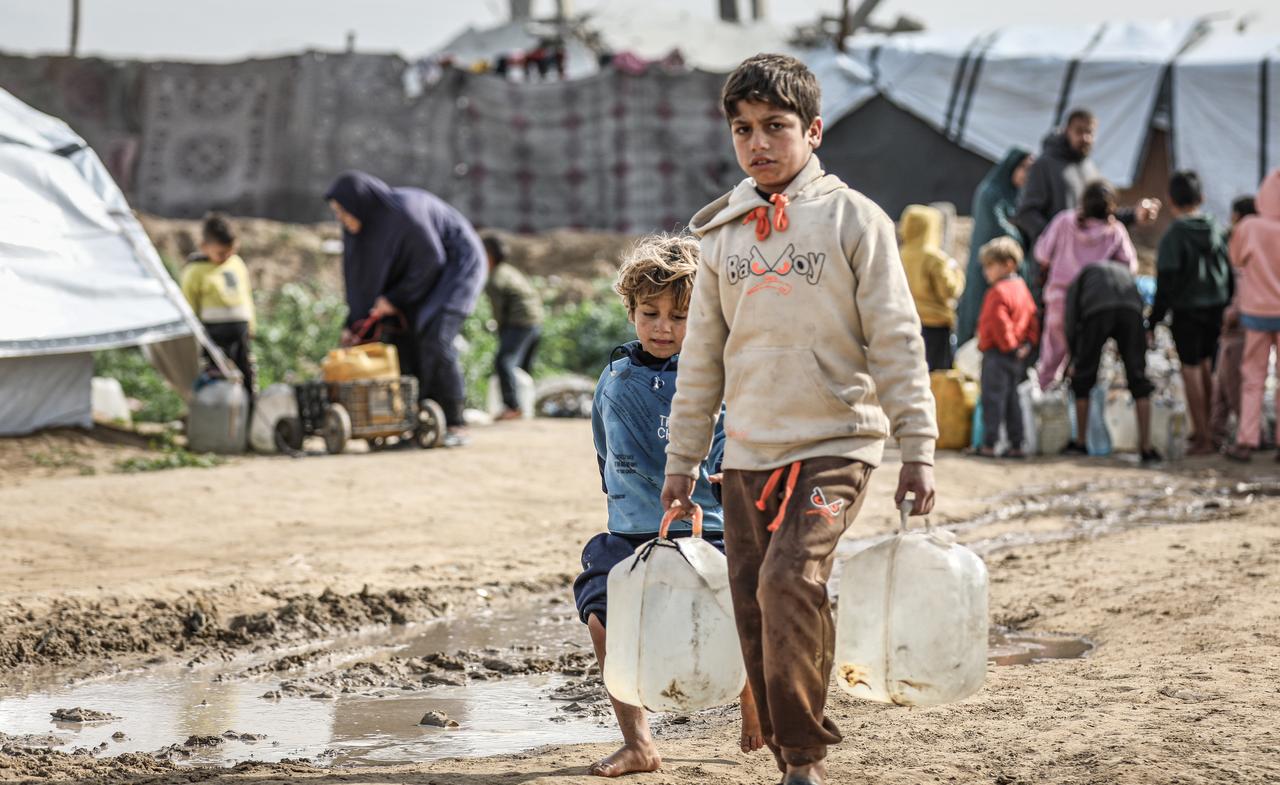
Despite the ceasefire, Israel has continued to keep Gaza’s crossings largely closed, restricting the entry of mobile homes and reconstruction materials and exacerbating the humanitarian crisis affecting more than 2 million people.
Meanwhile, Trump is expected to announce the composition of a proposed Board of Peace in January, along with the structure of a technocratic administration composed of Palestinians approved by Israel following a vetting process.
More than 72,000 Palestinians have been killed since Oct. 7, 2023, with about 98% of the deaths recorded in Gaza, according to figures cited in the report. The victims include 18,592 children and about 12,400 women. Around 11,000 people remain missing, while the number of wounded has risen to 171,195.
 2 min read

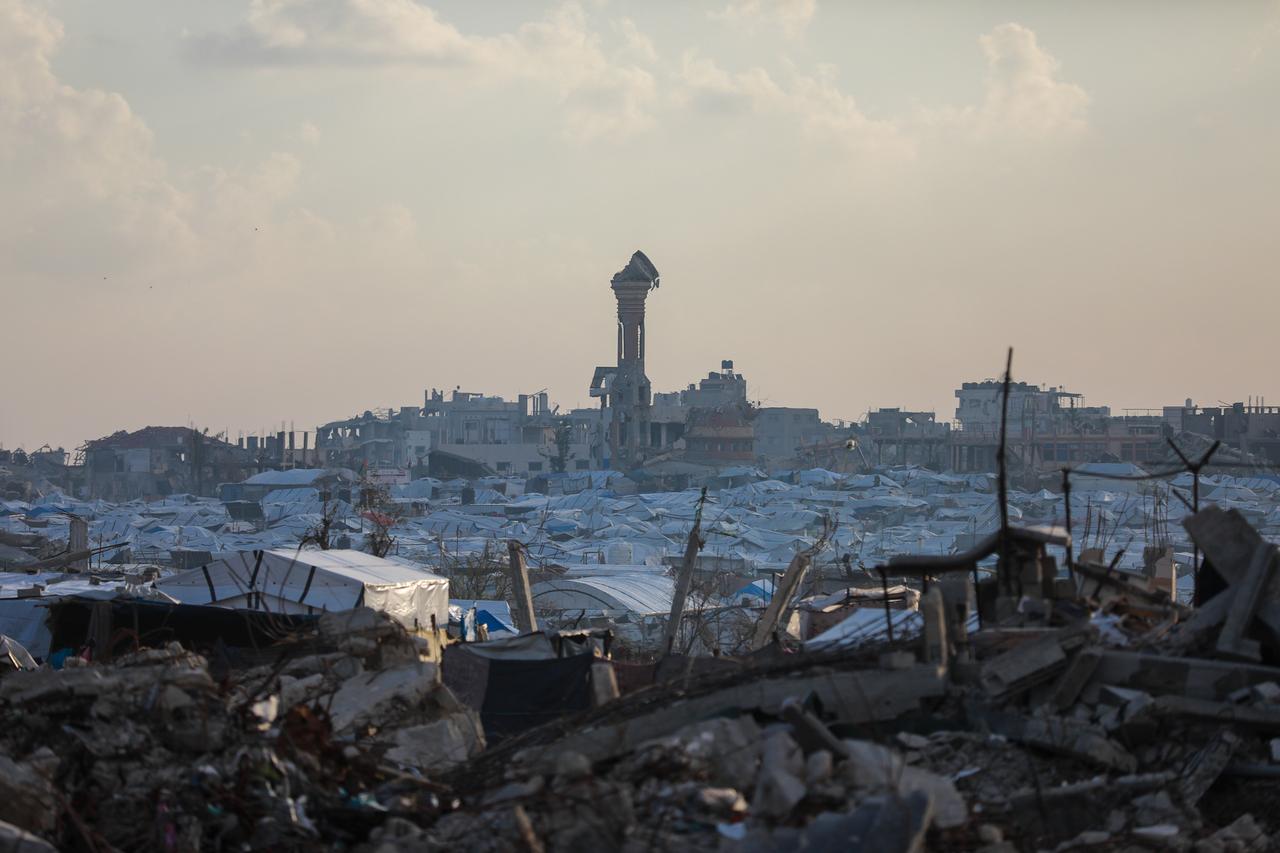
Gaza’s population has declined by about 254,000 people, a drop of roughly 10.6% compared with prewar estimates, reflecting what officials describe as an unprecedented demographic contraction driven by deaths, displacement and the collapse of living conditions. Nearly 2 million people have been displaced from their homes out of a prewar population of about 2.2 million.
About 94% of health care facilities and hospitals in Gaza have been damaged or destroyed, with only 19 of 36 hospitals partially operating at severely limited capacity. Hospitals currently have about 2,000 available beds to serve a population of more than 2 million.


 Set as preferred source
 Set as preferred source



 1 min read