

 Newsletters


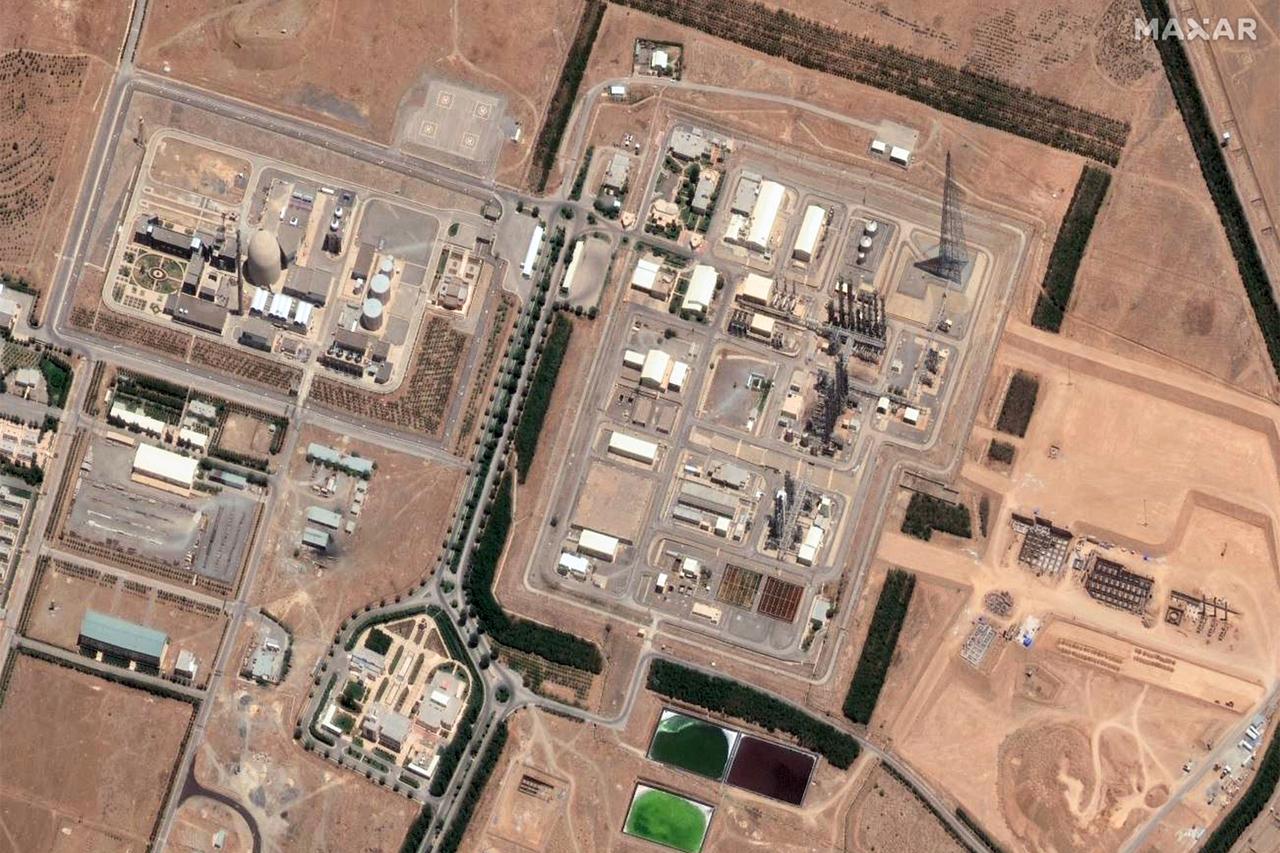


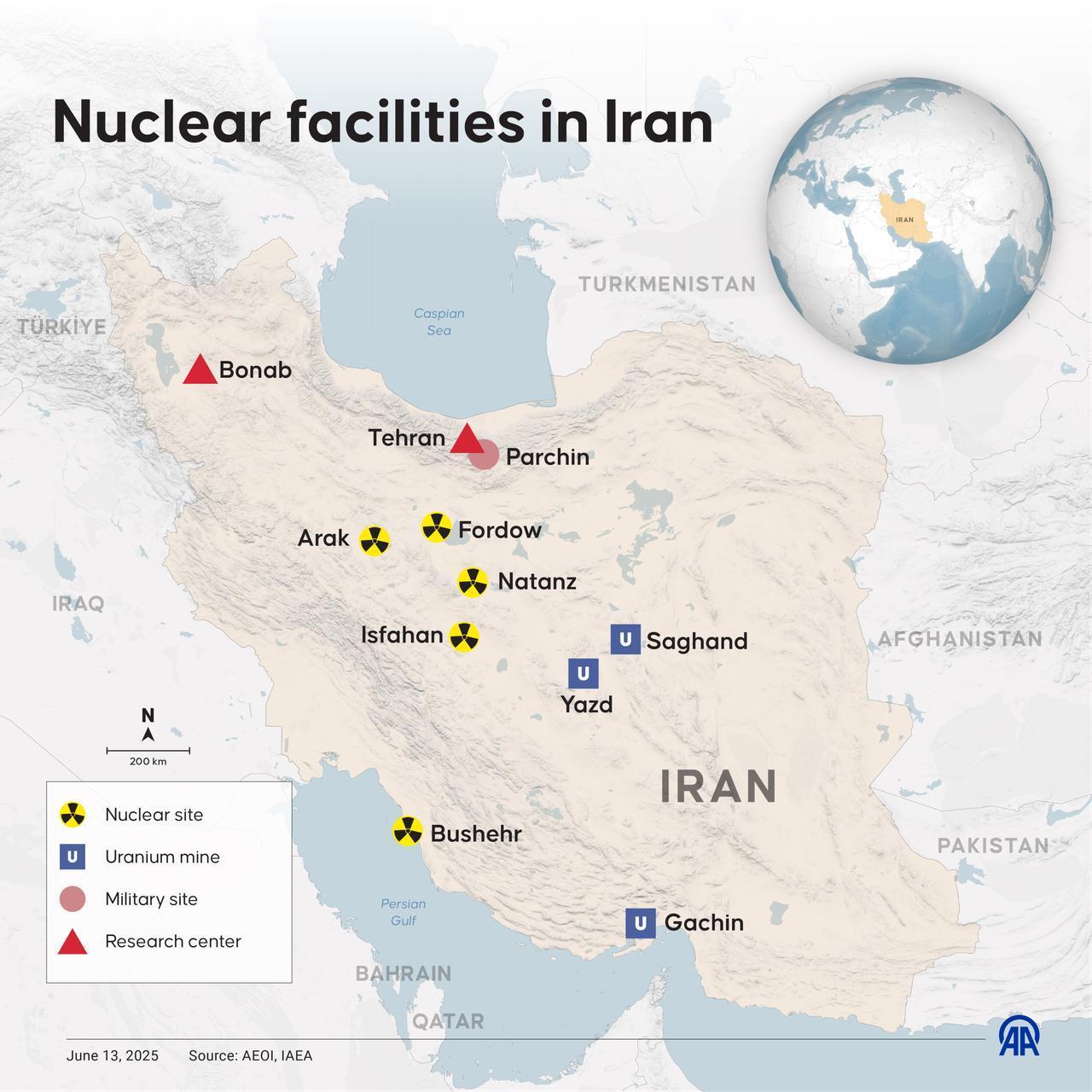
The United States is offering up to $20 million and possible relocation for information about Iran’s nuclear program, including its facilities, equipment and scientists, U.S. Central Command (CENTCOM) said Saturday.
"Rewards for Justice is offering a reward of up to $20 million and possible relocation for information about Iran’s nuclear program, including its facilities, equipment, and associated personnel, such as those in the scientific community, or the movement of any of the above," CENTCOM said on X, sharing a link for submitting tips.
The State Department claims Iran's "lack of compliance with the IAEA on safeguards obligations" has led to the agency’s loss of "continuity of knowledge" regarding Iran’s production and inventory of key components such as centrifuges.
It gave no specific parameters on what information would yield the reward.
The International Atomic Energy Agency (IAEA) reported in 2025 that Iran was enriching uranium to 60% purity, a short technical step from the 90% needed for a weapon.
The Rewards for Justice program was established in 1984 under the State Department to pay for information that protects American lives and interests.
Trump has repeatedly said U.S. forces effectively obliterated Iran’s nuclear program.
"If they had nuclear, they would have used nuclear. They would have obliterated the Middle East," he said.

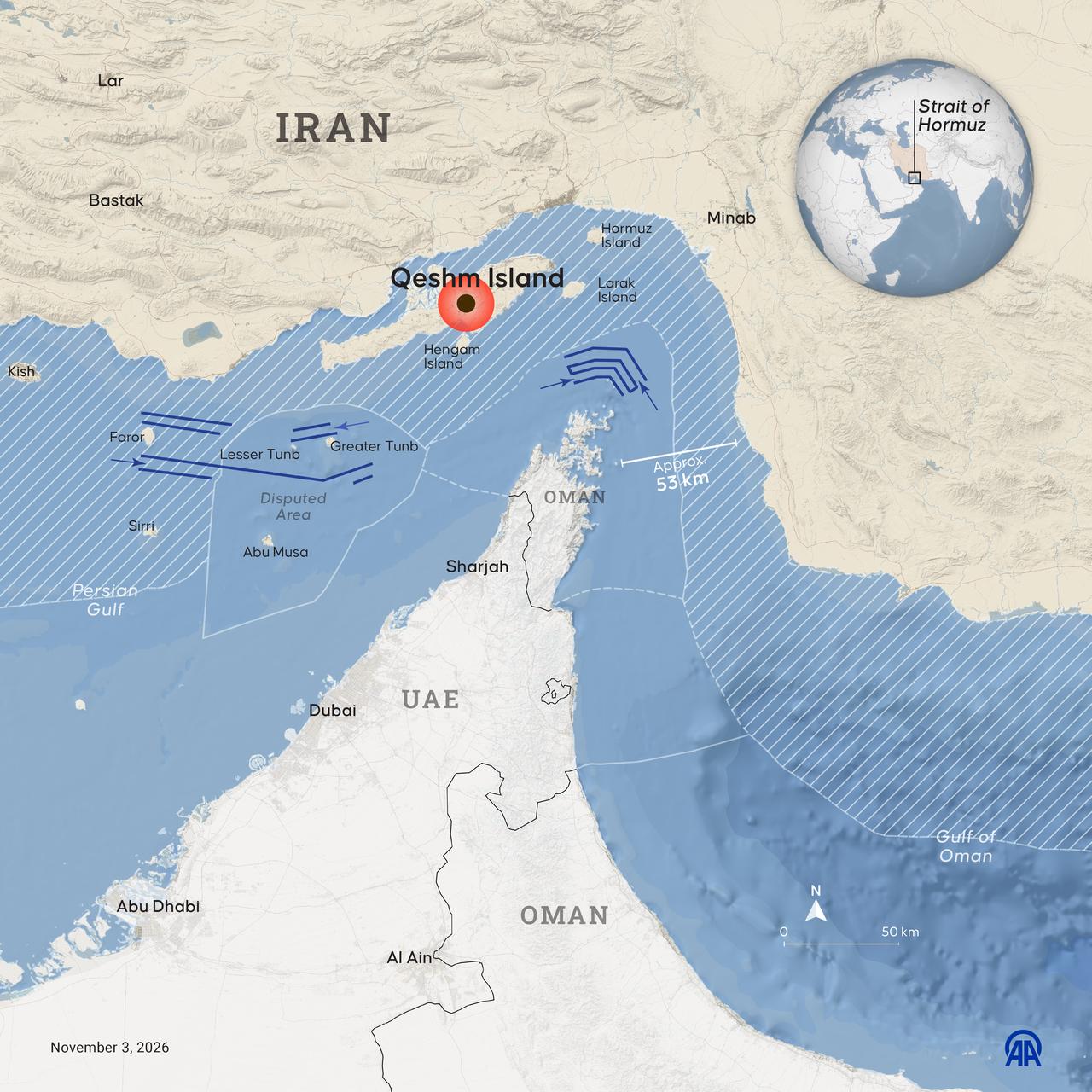
Trump on Friday confirmed limited U.S. strikes on Iran’s Qeshm Island.
"We do minor strikes," he told reporters in Florida.
"They built a little bit of an anti-aircraft device, and we knocked it out in about 15 minutes, maybe five," he said.
Iranian state media reported two missile strikes in the Suza area of Qeshm, and Iran’s army said its air defenses destroyed a U.S. MQ-9 drone over the island, according to state broadcaster IRIB.
A CENTCOM official cited by Al Jazeera described the situation as "relatively calm."
The strikes were the first since Tuesday’s U.S. midterm elections.
"All we are is maybe an occupier. (We) could be an occupier," Trump said, contrasting the conflict with the Russia-Ukraine war.
"We control the Hormuz Strait. We’re taking out more oil now than we have at any time in the history of the Hormuz Strait," he said.
Iran rejects U.S. claims of controlling the strait.
"We beat Iran. We are doing very well with Iran, we’re talking to Iran," Trump said, adding, "They want to make a deal very badly."
Pentagon officials recently told The New York Times (NYT) that thousands of U.S. forces on more than a dozen ships and at bases are poised to resume major combat on Trump’s orders.
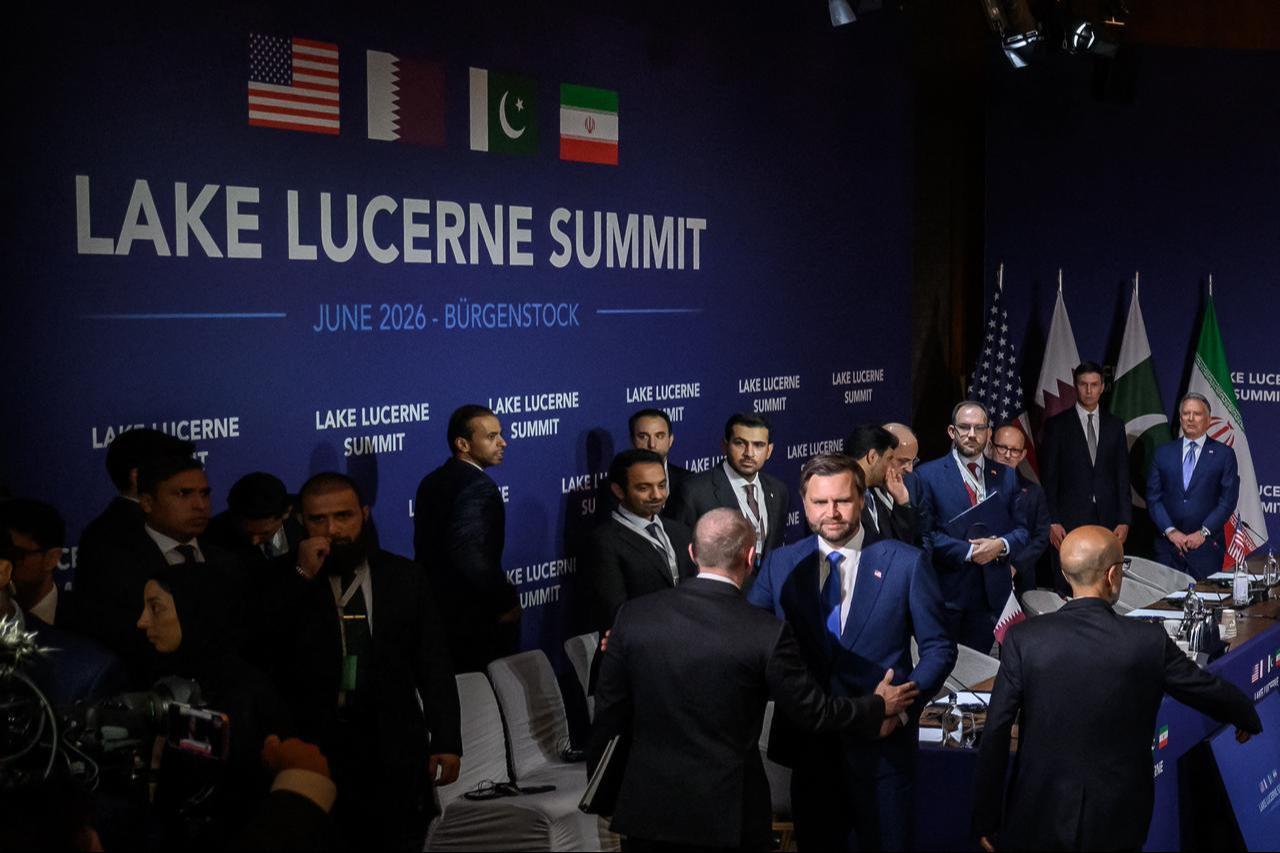
Qatar’s Prime Minister and Foreign Minister Sheikh Mohammed bin Abdulrahman Al Thani said mediation continues to prevent the situation from spiraling out of control and that Washington’s interest in a deal had not changed after the midterms.
"What happened with the election may affect their policies in the future, but it does not affect their intentions," he said at the Oxford Union. "We will never have a perfect peace deal, but we cannot just wait for this moment of a perfect deal and avoid having a good deal."
Diplomacy "is not as active as it was a few days ago," he said, but "our engagement did not stop and will not stop." He credited "some wise voices in Tehran" with helping contain the conflict.
At the same event, he proposed that small, stable states he called "Thriving States" collectively help build "a supply chain of peace and stability for the world."
Qatari Foreign Ministry spokesman Majed al-Ansari dismissed reports that U.S.-Iran talks had failed. "Promoting such false claims serves only those seeking to prolong the war and destabilise the region," he said.
Iran has proposed a seven-day plan since September, rejected so far by Trump, calling for the U.S. to lift its blockade of Iranian ports, unfreeze assets and approve an Iranian-backed route through the Strait of Hormuz.
The U.S. Treasury Department on Friday sanctioned eight Canada-based money services businesses accused of helping Iran evade sanctions under Operation Economic Outcast, including firms allegedly linked to Iran's Islamic Revolutionary Guard Corps (IRGC), addresses, and sanctioned drug trafficker Ryan Wedding.
"Canada cannot be a safe haven for illicit financial facilitators that provide sanctions evasion services to the Iranian regime and its proxies," Treasury Secretary Scott Bessent said.
The reward offer adds to U.S. pressure on Iran’s nuclear program.


 Set as preferred source
 Set as preferred source


 1 min read
 1 min read


