Newsletters




U.S. President Donald Trump has acknowledged continued limited strikes against Iranian targets, while Washington has warned Americans across the Middle East of an increased threat of attacks by Yemen's Iran-backed Houthi group.
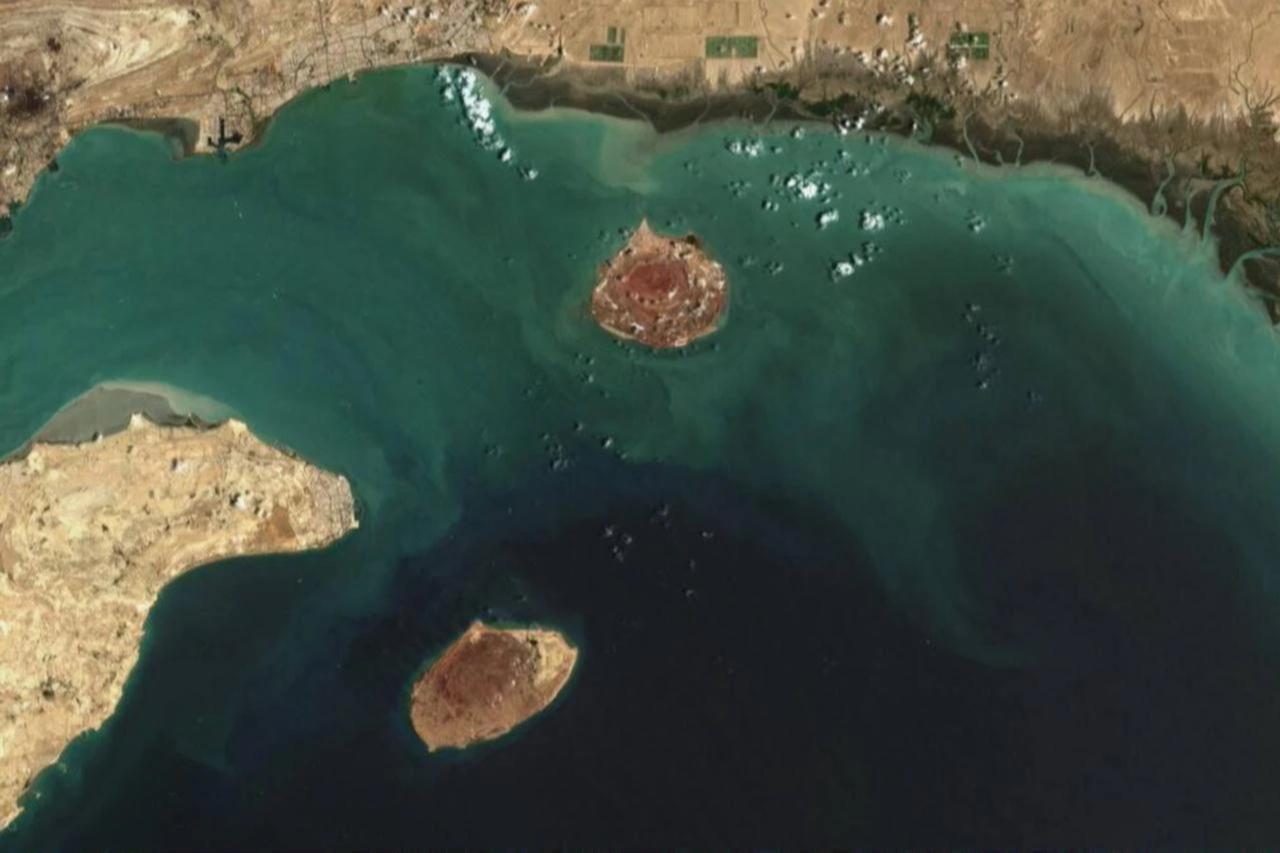
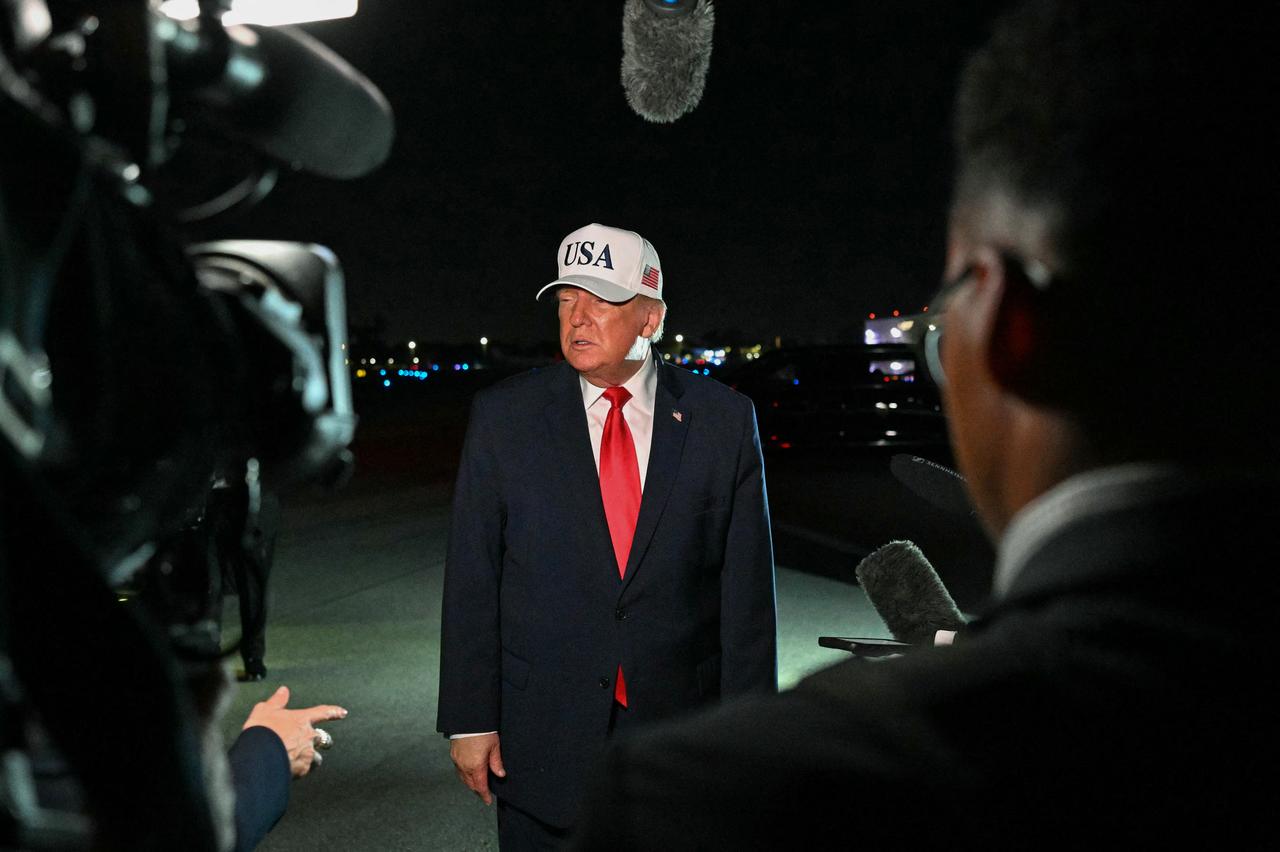
Asked about reports of explosions near Iran's Qeshm Island, Trump initially declined to discuss the operation before confirming the attacks. "I don't want to talk about. We do minor strikes," he told reporters.
He later claimed that American forces had destroyed an Iranian anti-aircraft installation within minutes of its construction. "They built a little bit of an anti-aircraft device, and we knocked it out in about 15 minutes, maybe five," Trump remarked after arriving in West Palm Beach, Florida.
Before Trump's remarks, Iranian state media reported two explosions in the Suza area of Qeshm Island, a strategically located island in the Strait of Hormuz.
The latest operation came just four days after U.S. forces struck the island on Nov. 2. U.S. officials described that earlier attack as defensive, saying it targeted Iranian surface-to-air missile capabilities that posed a threat to American assets in the region.
Trump again played down the scale of the operations, dismissing suggestions that they marked a return to full-scale warfare.
The U.S. president also suggested that Washington could take on an occupying role in Iran, while claiming that the U.S. controls the Strait of Hormuz. "All we are is maybe an occupier. (We) could be an occupier," he remarked.
Trump also repeated his claim that Washington controls the Strait of Hormuz, a strategic shipping route for global energy supplies, and is extracting record amounts of oil through the waterway.
"We control the Hormuz Strait," he said. "We're taking out more oil now than we have at any time in the history of the Hormuz Strait."
Iran has rejected Washington's claims of control over the strait, maintaining that Tehran retains strategic authority over the passage and will not reopen it until its conditions are met.
Trump also struck an optimistic tone on diplomatic efforts, claiming that Washington was making progress in negotiations with Tehran despite the renewed military strikes.
"We're dealing with them now. They want to make a deal," Trump told reporters, adding that the two sides had made "a lot of progress with Iran" without offering details about the discussions or a possible agreement.

The U.S. State Department issued a security advisory Friday, urging American citizens in the region to remain vigilant over the threat of armed attacks by the Houthis and alleged Iranian efforts to target U.S. government officials.
"Americans currently in the Middle East should exercise heightened vigilance due to the increased threat of armed attacks by Iranian-supported Houthis and Iranian efforts to target U.S. government officials in the region," the department warned in a post on X.
It also cautioned travelers about possible flight cancellations, airspace closures and other disruptions, without providing further details about the alleged threats.
The latest warning follows a fresh wave of Houthi attacks on Saudi Arabia, with the kingdom's air defenses intercepting two ballistic missiles near Najran and a drone near Mecca on Friday, Nov. 6.
U.S. diplomatic missions also cited previous Houthi strikes on civilian airports and critical infrastructure in Saudi Arabia, which caused civilian casualties and travel disruptions.
Washington warned that the hostilities could escalate rapidly and that Iran and groups aligned with Tehran could target U.S. interests, including American businesses and other institutions, beyond the Middle East.


 Set as preferred source
 Set as preferred source


 1 min read
 1 min read