Newsletters




U.S. intelligence analysts are investigating whether Russia assisted Iran in striking Central Intelligence Agency (CIA) facilities across the Gulf region, either by providing targeting information or advanced drone technology, according to four people familiar with U.S. intelligence cited by Reuters.
The sources, who spoke to Reuters on condition of anonymity to discuss national security matters, said U.S. intelligence officials have not yet reached firm conclusions about possible Russian involvement in the attacks.
They cited the strikes' effectiveness and apparent precision, along with Russia's broader technical support for Iran, as possible evidence, according to Reuters.
Reuters noted that while it and other outlets have previously reported, and U.S. officials have acknowledged, that Russia has provided targeting and other support to Iran for strikes on U.S. targets in the Gulf generally, the intelligence community's specific investigation into Russian involvement in the CIA facility attacks had not been previously disclosed.
According to Reuters, at least two CIA sites were struck in March: the CIA station in Saudi Arabia, located within the U.S. embassy in Riyadh, and a separate site in eastern Iraq.
Some sources told Reuters additional CIA sites had been hit but did not disclose further details. Two sources described the number of facilities struck only in general terms; one said "more than one and fewer than a dozen," while a second said several facilities were hit and declined to disclose exact numbers or locations.

Reuters reported that one internal memo from a Western intelligence agency, described to Reuters by an official in the region with access to the document (who did not disclose the memo's precise authorship), concluded that Russia has likely played a role in targeting regional CIA facilities.
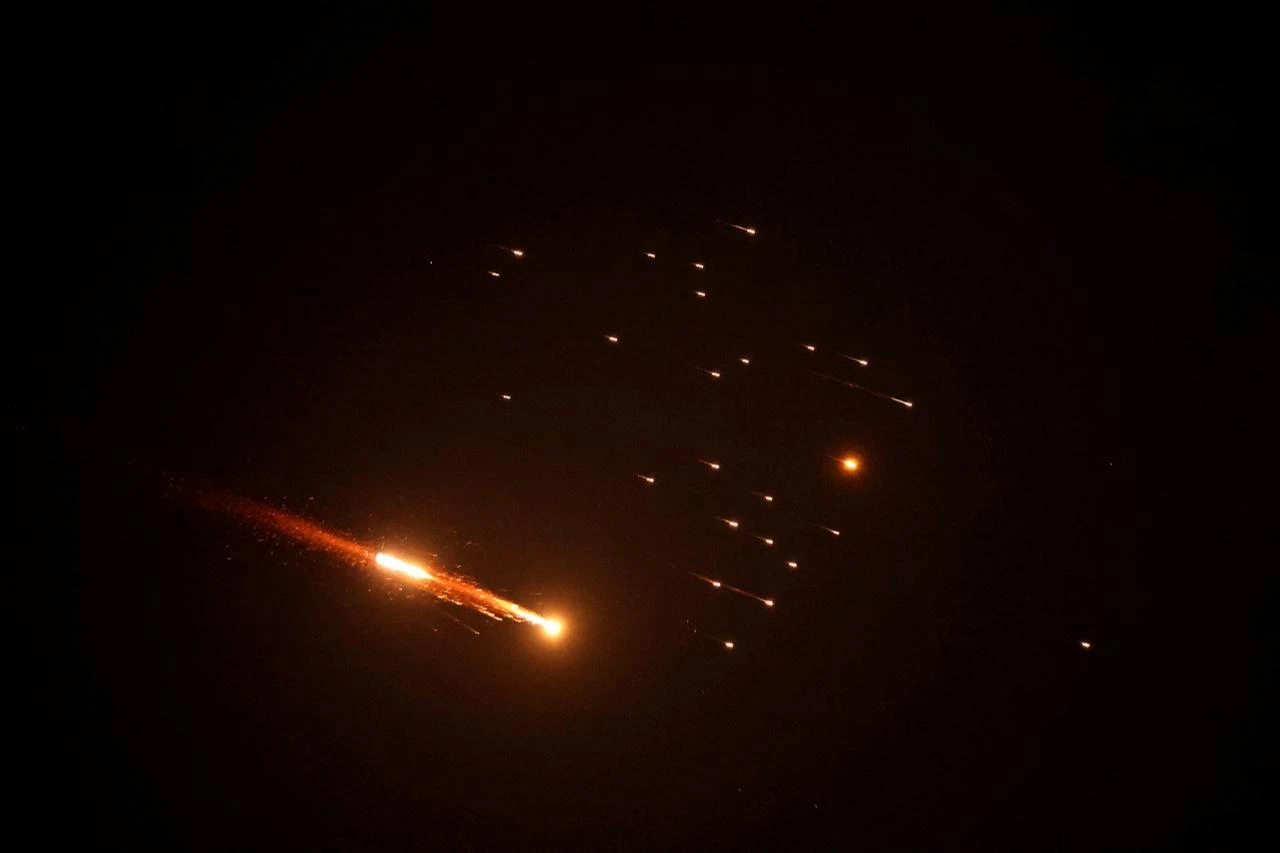
Two Western officials in the Gulf who were briefed on intelligence reports told Reuters that analysts believe the Saudi attack involved a pair of Russian-enhanced versions of Iran's Shahed drones, one of which blew a hole in a vulnerable part of the embassy's exterior, with the second flying through the opening and detonating.
No deaths or injuries were reported in that attack, according to Reuters.
Reuters noted that while Russian assistance to Iran is longstanding given the two countries' close ties, the specific targeting of sensitive CIA sites would indicate Moscow's willingness to go further in disrupting U.S. operations amid the ongoing war.
Concerns that Russia might be supplying targeting data intensified over the weekend, Reuters reported, following the strike on the U.S. air base in Jordan in which Iran struck army barracks with ballistic missiles, killing two soldiers, an incident covered in greater detail in this outlet's earlier reporting.
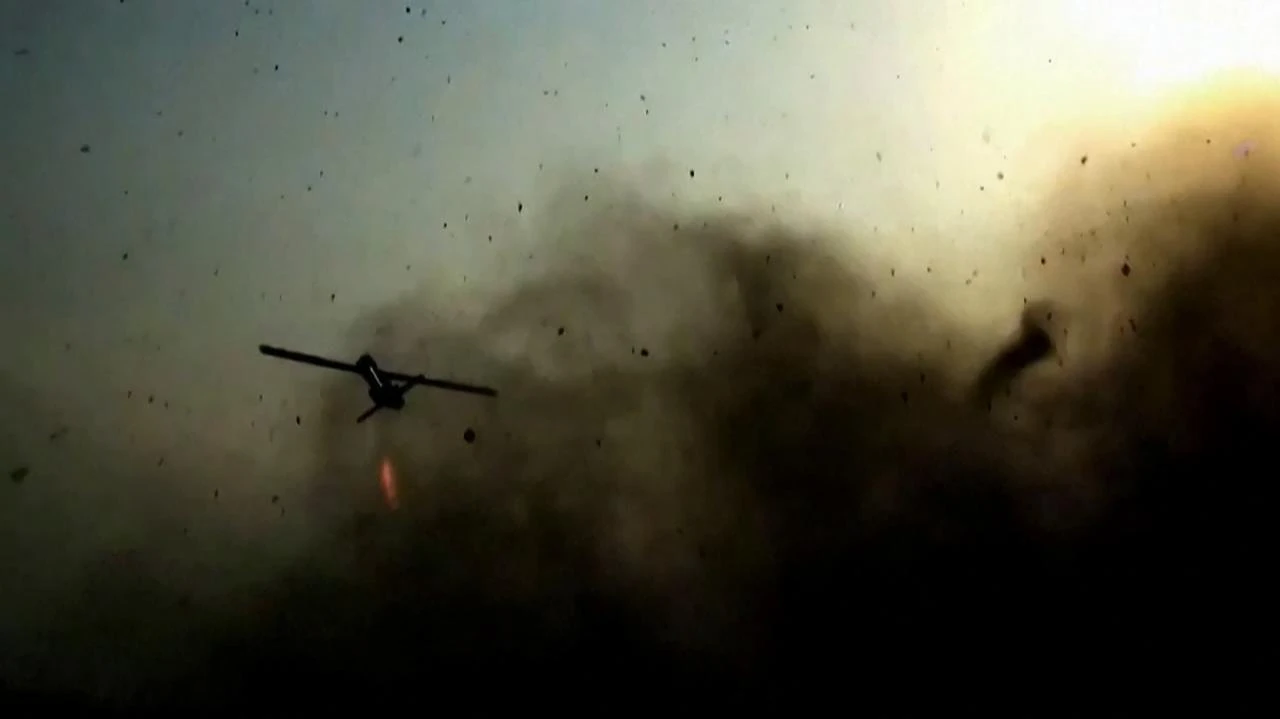
Two Western officials in the region told Reuters that Russia has helped Iran improve its Shahed drones' ability to reach targets and that analysts suspect Iran used these enhanced versions in the Riyadh strike.
A separate source told Reuters that Russia has helped Tehran improve the accuracy of its Shahed-136 drones by supplying a satellite navigation system called the Kometa-M, which experts say is significantly more accurate and harder to jam than Iran's domestically produced equivalent.
Reuters noted the Wall Street Journal (WSJ) first reported in March that Russia had provided the Kometa-M system to Iran, a report the Kremlin denied at the time, calling it "fake news."
Reuters reported that doubts persist among some sources, who cautioned that Iran could have been targeting the U.S. embassy generally and struck the CIA station by chance rather than deliberately.
Some analysts concluded that few nations beyond Russia would have both the means to acquire and the interest in weaponizing such sensitive targeting intelligence against the U.S., according to the sources cited by Reuters.
Daniel Hoffman, a former CIA station chief and undercover operations officer, told Reuters it would not be surprising for Moscow to help Tehran target CIA facilities given their close strategic partnership.
"They share an interest in trying to reduce or eliminate U.S. influence altogether in their self-designated spheres of influence," he said.


 Set as preferred source
 Set as preferred source


 3 min read