Newsletters




The United States is increasing diplomatic pressure on Iran by proposing that Tehran be referred to the United Nations Security Council over its refusal to let nuclear inspectors verify the location of its stockpile of near-weapons-grade uranium, according to Bloomberg News, as Iran's Foreign Ministry dismissed the effort as "biased" and legally void.
The move is expected to unfold this week at the International Atomic Energy Agency's (IAEA) board of governors meeting in Vienna, which convened Monday with representatives from the board's 35 member states.
Iran has blocked the U.N. nuclear watchdog from reviewing its uranium inventory for 15 months, since Israeli airstrikes began in June 2025.
The U.S. resolution demands that Iran "urgently remedy its non-compliance" and allow inspections to ensure "the non-diversion of nuclear material," according to a copy of the two-page document seen by Bloomberg.
The resolution, backed by European nations on the IAEA board, also "stresses its support for a diplomatic solution" while encouraging "all parties to constructively engage in diplomacy."
IAEA Director General Rafael Mariano Grossi told diplomats last week that the agency's lack of information about Iran's nuclear material was "a matter of proliferation concern," adding that Iran needs to allow inspectors back in "with the utmost urgency."
Inspectors have been blocked from returning to damaged plants in Fordow, Isfahan and Natanz, where Iran's 440.9 kilograms of higher-enriched material and 8,599.6 kilograms of lower-enriched material were last confirmed.
The IAEA board meeting is the first for new U.S. Ambassador Preston Wells Griffith III, a White House special assistant during Trump's first term.
Grossi is expected to hold a press conference following Monday's board session, according to a post on the social media platform X.
The last time Washington referred Iran's nuclear file to the U.N., Israel launched strikes against Iran's nuclear facilities within 24 hours, triggering a 12-day war.
The current conflict began Feb. 28, a day after the IAEA reported observing renewed activity near previously bombed sites.
U.S. President Donald Trump has repeatedly said the ongoing military campaign against Iran aims to prevent it from developing a nuclear weapon.
The conflict remains at a stalemate, with less known about Iran's nuclear capabilities now than before the mid-2025 strikes.

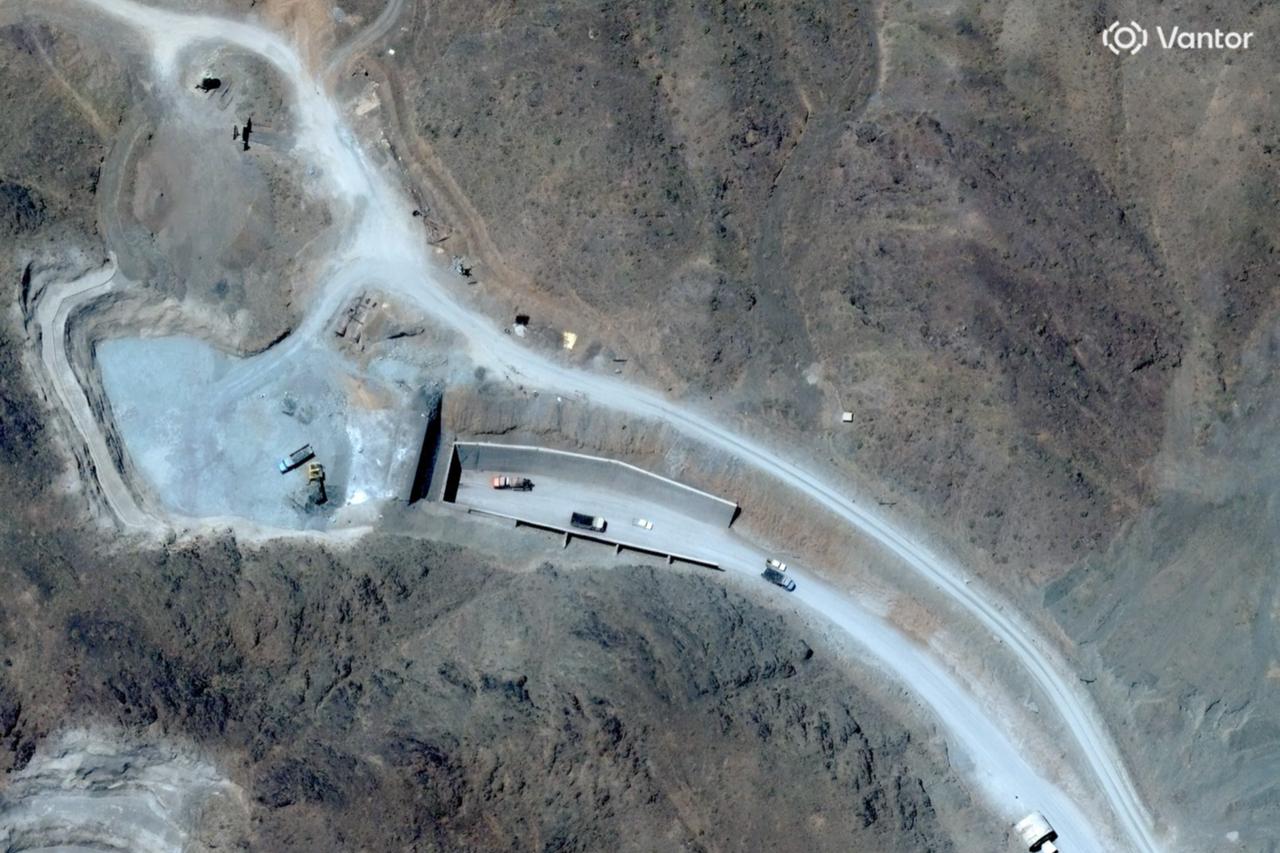
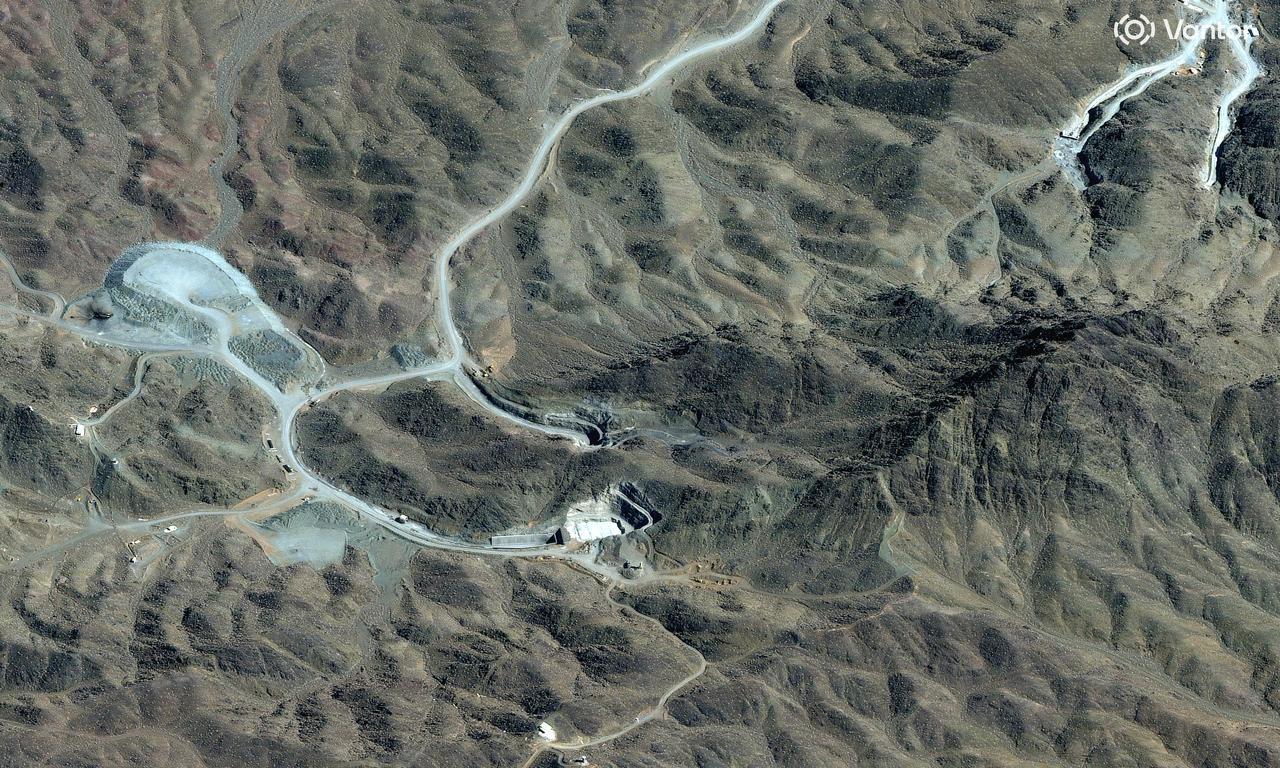
Trump said last week the U.S. is considering fresh strikes against deeply buried nuclear facilities, referring specifically to a heavily fortified mountain site south of Iran's main enrichment facility in Natanz.
"We may hit Pickaxe very soon," Trump told reporters Sept. 4, adding, "We know everybody that's moving at Pickaxe. If anything goes bad we hit them."
The IAEA has not been able to verify Iranian activities at the site, located in the Zagros Mountains 220 kilometers south of Tehran.
While a Security Council referral could historically lead to economic sanctions or authorization of military force, China and Russia are unlikely to support new action against Tehran, having repeatedly criticized Washington's campaign and contested the legality of U.N. sanctions snapped back on Iran last year.
Asked Monday about the U.S.-European push at the IAEA board, Iranian Foreign Ministry spokesman Esmail Baghaei rejected the effort as legally void and politically motivated, comparing the agency's conduct to what he called a pattern of past abuse by Western powers.
"This resolution, this draft resolution, is based on a report published by the International Atomic Energy Agency and its director general. We have faced this pattern before," Baghaei said.
He argued the push contradicts the Europeans' own prior claims about the legality of the "snapback" mechanism reviving Security Council resolutions.
"This action by the three European countries and the United States to raise Iran's nuclear issue again at the U.N. Security Council violates the very claim they made, and proves the correctness of the position held by Iran, China and Russia, that the snapback was fundamentally illegal and inapplicable," Baghaei said.
He said the three European countries, France, the U.K. and Germany, were discrediting themselves by repeating a strategy that had previously left them "humiliated" and "sidelined" by Washington.
Baghaei also argued that the demand for Iranian compliance was self-contradictory, since U.S. and Israeli strikes on Iranian nuclear facilities were themselves responsible for blocking IAEA access.
"They blocked the path themselves, and now they reproach Iran for the agency's inability to access Iran's nuclear facilities. This action is self-contradictory. The action of the three European countries and the United States is certainly a sign of bad faith, a sign that they are seeking to escalate the situation," Baghaei said, adding that Iran would take "necessary measures" in response to any resolution and had repeatedly warned the Europeans that "tasting what has already been tasted is a mistake."


 Set as preferred source
 Set as preferred source


 3 min read