Newsletters


A senior U.S. Central Command (CENTCOM) officer sent an email last week to a broad group of military analysts asking for "new creative and unconventional ways to pressure and punish Iran," CNN reported, an unusual crowdsourcing-style request that officials said reflects the limited options available to U.S. President Donald Trump for forcing Iran into a deal.
According to CNN, an officer in CENTCOM's intelligence branch wrote in a message sent Wednesday to a broad group of military analysts: "We are looking for new creative and unconventional ways to pressure and punish Iran," according to a source familiar with the message.
A second source told CNN that a senior U.S. military officer sent the message last week soliciting new ideas for handling Iran, and that CENTCOM is "looking at everything," acknowledging a need to reevaluate strategy.
CNN reported that military officials described soliciting ideas this way over email as unusual.
CENTCOM spokesperson Capt. Timothy Hawkins told CNN in a statement: "U.S. Central Command has a long history of thinking and working in innovative ways. Admiral Cooper, in particular, reaches out to members of our great team, regardless of rank, to achieve the highest levels of operational performance possible."
CNN reported the email preceded Trump's threat to launch new strikes on Iran, which he called off over the weekend after regional officials, particularly Saudi Arabia's crown prince, urged de-escalation in a call with the president.
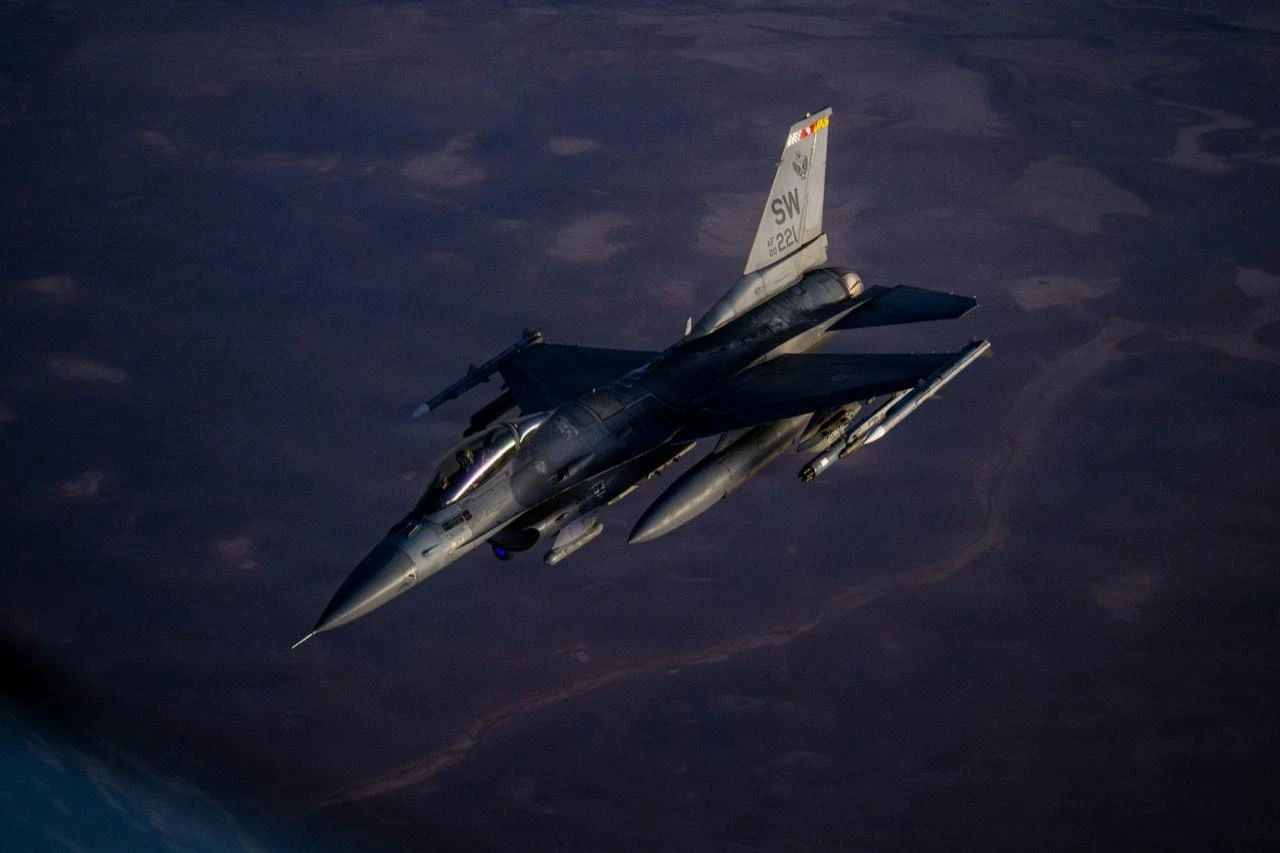

According to CNN, the U.S. has struck Iran for weeks in an effort to degrade its ability to threaten shipping through the Strait of Hormuz and pressure Tehran back to the table, without a deal materializing.
CNN reported Trump has been weighing intensifying the campaign, potentially by relaunching strikes on Iran's remaining nuclear facilities, which he has claimed were "obliterated" in strikes the previous summer.
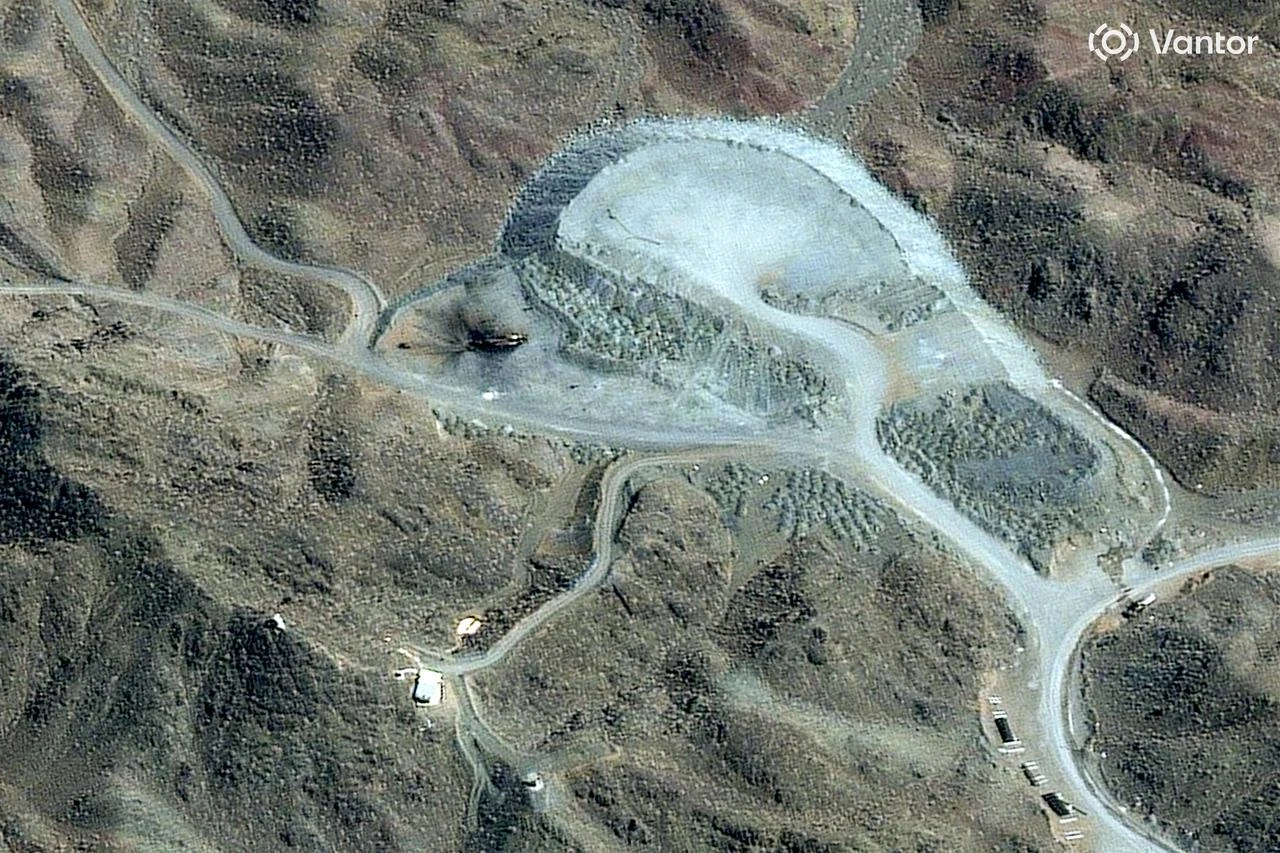
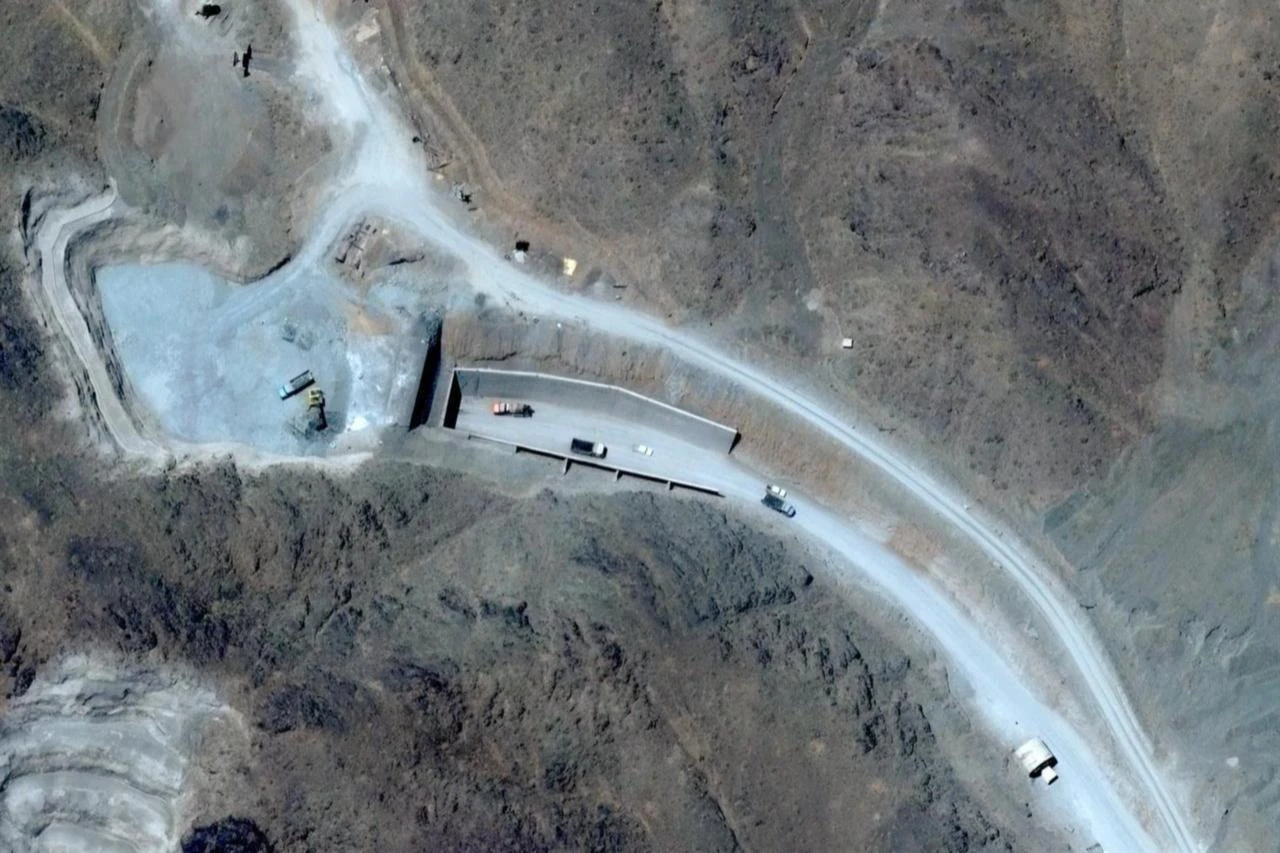
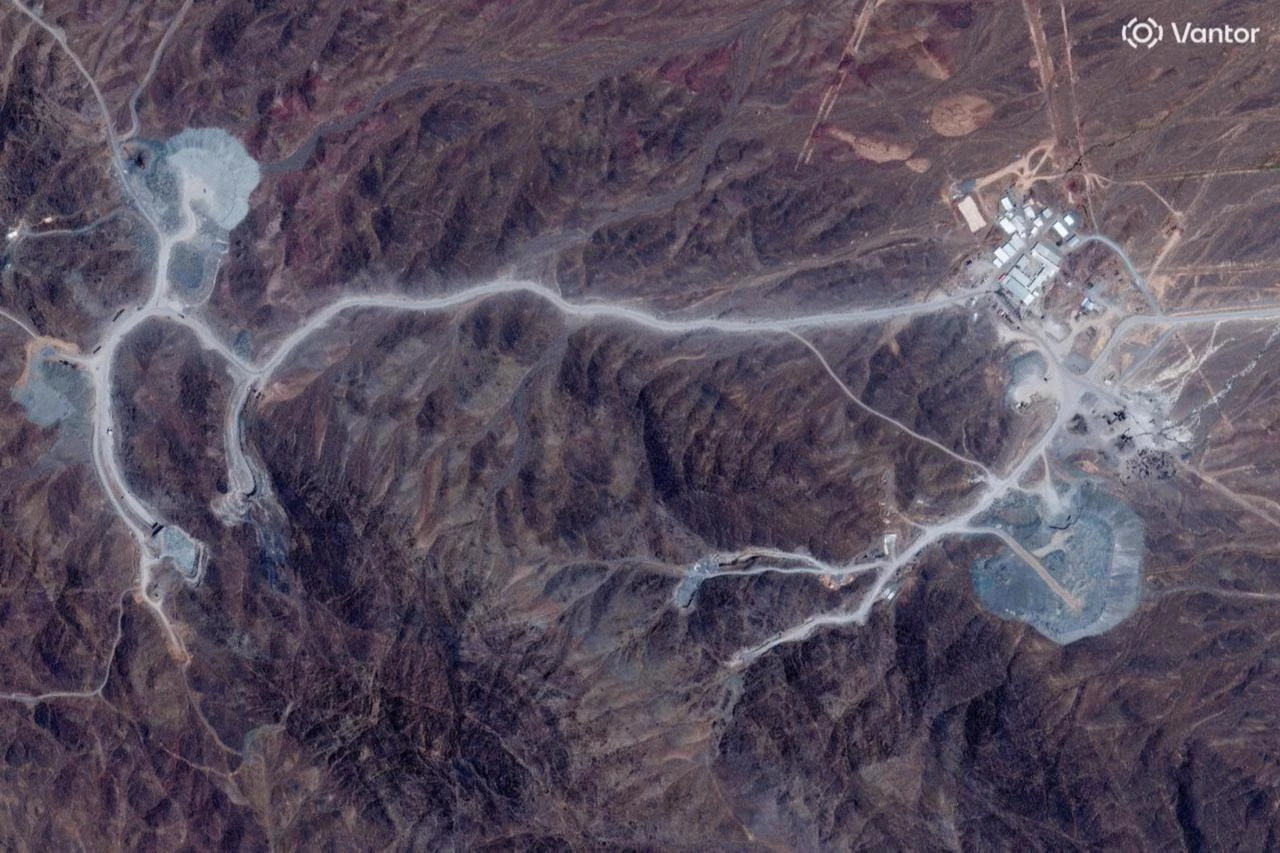
Two sources familiar with the planning told CNN that the military has been actively preparing potential strikes on Pickaxe Mountain and other sites believed to contain nuclear material or equipment.
But those same sources told CNN that missiles and bombs alone are unlikely to destroy such deeply buried facilities. Fully neutralizing them would likely require ground troops, a risk Trump has been unwilling to take. That reluctance comes amid questions about the administration's transparency on U.S. casualties, which CNN put at 18 service members killed in the conflict so far.
One source described to CNN a scenario in which Trump considers strikes resembling a "fireworks" display, hitting the same or similar sites targeted a year earlier.
The goal would be symbolic: letting him exit the conflict without achieving his original aim of eliminating Iran's nuclear program. CNN noted that such a step would likely leave the war's central dispute—the Strait of Hormuz—unresolved.
"At the end of the day, POTUS will want a deal, so he'll continually look for ways to get tough and get out of this," one source familiar with the planning discussions told CNN.
"You need creative minds at times, especially if you're running out of conventional options," the source added.
CNN reported that both the CIA and the Defense Intelligence Agency (DIA) have recently assessed that the current bombing campaign is unlikely to shift Iran's negotiating position, according to CNN's own earlier reporting.
Joint Chiefs of Staff Chairman Gen. Dan Caine has publicly acknowledged that bombing alone is unlikely to achieve all of Trump's stated war objectives, telling lawmakers last month: "Air power has its limits."
The escalation options have been debated for months, with one CENTCOM-conceived plan involving one to two weeks of heavy bombardment aimed at eliminating Iran's missile capabilities, according to U.S. officials cited by CNN.
Trump has so far held off partly due to concerns Caine raised about dwindling supplies of air-defense interceptors, and partly due to other officials' concerns about the risk of high civilian casualties if Trump followed through on threats to strike infrastructure such as bridges and desalination plants.
CNN reported Trump could escalate further by deploying American ground forces, a threat he has repeatedly raised in connection with occupying Kharg Island or seizing Iran's enriched uranium stockpile.
Though CNN noted this would conflict with a pledge Trump made to his base during a 2024 campaign rally: "I will not send you to fight and die in stupid foreign wars that never end."
Alternatively, CNN reported, Trump could accept what it described as a dangerous status quo of continued strikes and counterstrikes likely to cost further American lives and leave the strait in persistent danger, a dynamic resembling the "forever wars" Trump has long criticized.
"I think we just want to win," Trump said during a Friday Cabinet meeting when asked about ending the war, according to CNN, adding, "We'll be hitting them very hard, and you know, at some point, they're going to say, 'We just can't take it anymore.'"
Iran's Foreign Ministry said Monday it is not currently engaged in negotiations with the U.S., even as Trump said a day earlier that talks would begin Monday afternoon.
"We are not having negotiations with the United States," Spokesperson Esmaeil Baghaei told during a press briefing.
Baghaei said Iran's current talks with Oman are instead focused on "ensuring the safe passage of ships in the Strait of Hormuz," adding, "We are working to establish a temporary route, in cooperation with Oman, as soon as possible, so that we can ensure the safety of shipping in the Strait of Hormuz."
He said the situation in the strait "will not change as long as the United States continues its acts of aggression and its blockade."
Speaking to reporters aboard Air Force One Sunday, Trump said conversations with Saudi Arabia, the UAE, Qatar and Iran had led him to cancel what he called a "massive attack" planned for Friday.
"We were asked by the three primary groups. We were also asked by Iran very strongly," Trump said, adding, "They said we'd like to make a deal."
He said Saudi Arabia also did not want the strike to proceed, saying regional officials believed "a deal is imminent... having to do with the Hormuz Strait and also ultimately denuclearization."
Asked whether there was a deadline for reaching an agreement, Trump said there was none, adding: "We're ready to go anytime we want. Would I rather make a deal? I'm not looking to kill people because people die, a lot of people die, and we don't want that."
He declined to say whether the canceled operation would have targeted Iran's energy infrastructure, but said it would have been "disastrous" for Iran and would have taken the country "many, many years" to rebuild.


 Set as preferred source
 Set as preferred source


 2 min read
 1 min read