Newsletters


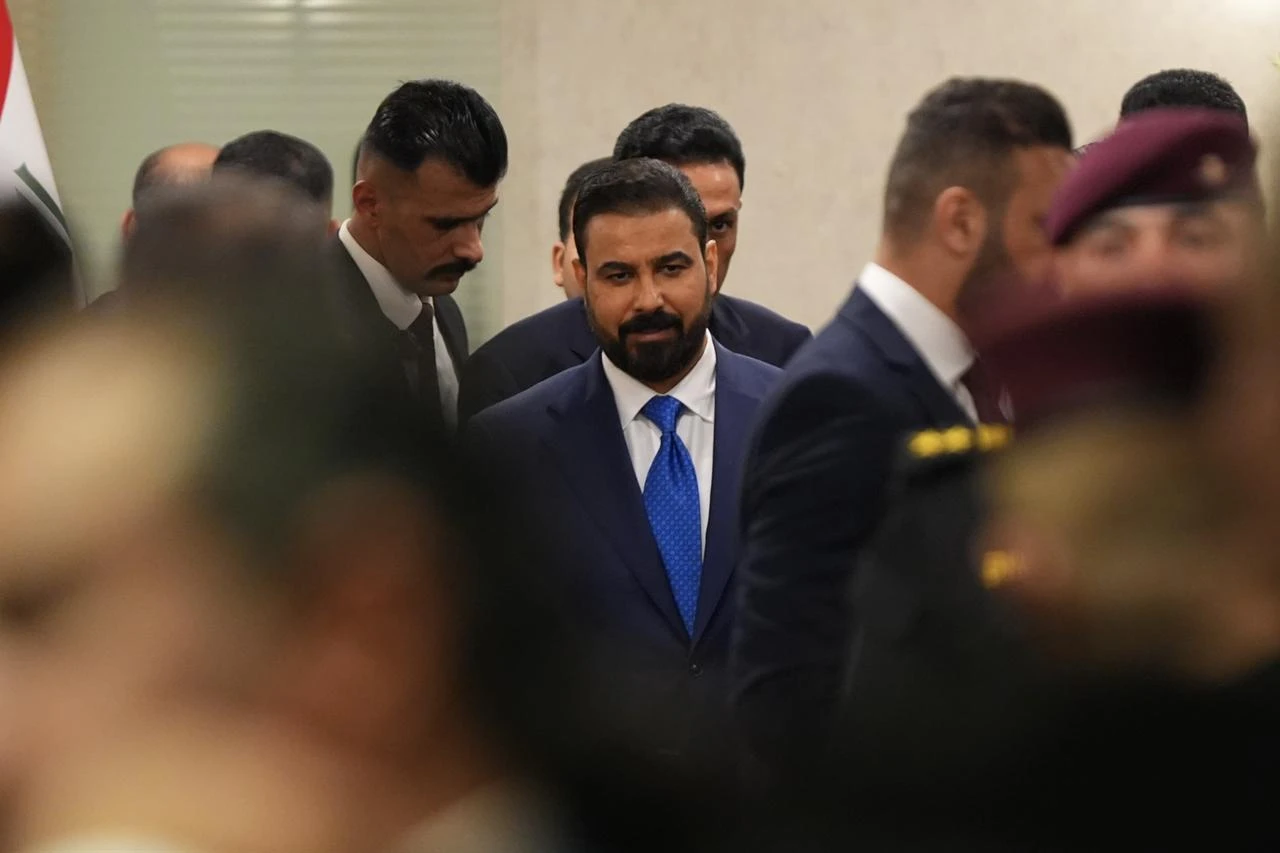


The United States has resumed some shipments of U.S. dollars to Iraq after suspending them for several months as part of efforts to pressure Baghdad to distance itself from Iran, The New York Times reported Thursday.
Two aides to Iraqi Prime Minister Ali al-Zaidi confirmed that the air shipments had resumed, according to the report
“The dollar shipments to Iraq have resumed,” Haider al-Aboudi, a spokesman for Zaidi, told the Times, adding that “the problem has been resolved.”
Mudhar Muhammad Salih, a financial adviser to the prime minister, also confirmed that the transfers had restarted.
The Trump administration suspended the shipments in April, withholding Iraqi funds generated through oil sales. The measure affected Iraq’s heavily cash-based economy and marked an unusual step between two countries with a longstanding security partnership.
The U.S. State Department referred a request for comment to the Treasury Department, which did not immediately respond, the Times reported.
Washington also suspended cooperation with and funding for Iraqi security services at the time, according to Iraqi officials.
Those measures remain in place, an Iraqi official told the newspaper on condition of anonymity because he was not authorized to discuss the issue publicly.
The restrictions were introduced as Iraq was selecting a new prime minister and Washington sought to prevent candidates considered close to Iran from taking office.
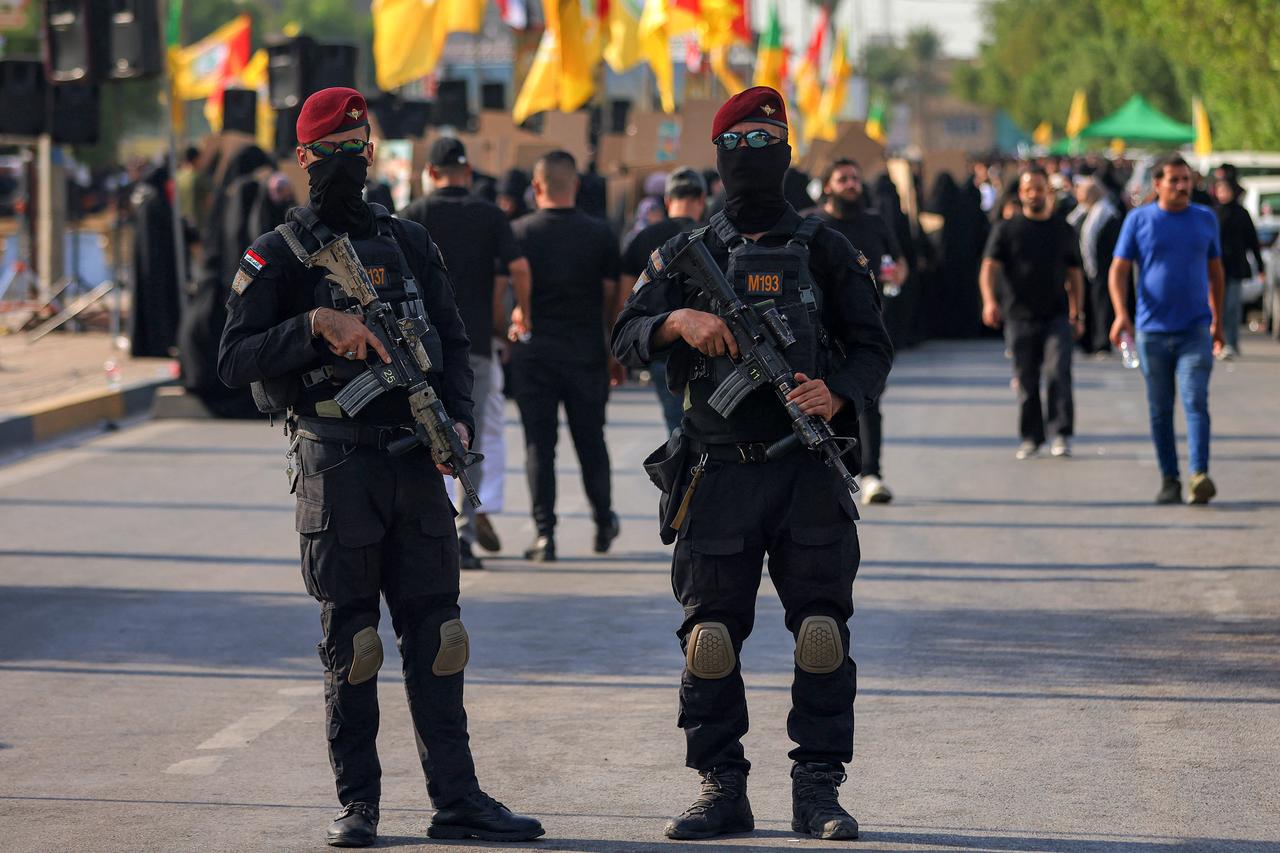
The United States was also pressing Baghdad to curb Iran-linked militias that operate largely outside government control and have periodically attacked U.S. targets in Iraq.
One reason for the suspension was concern that Iran-backed militias were smuggling U.S. dollars, an official from Iraq’s semi-autonomous Kurdish region said at the time.
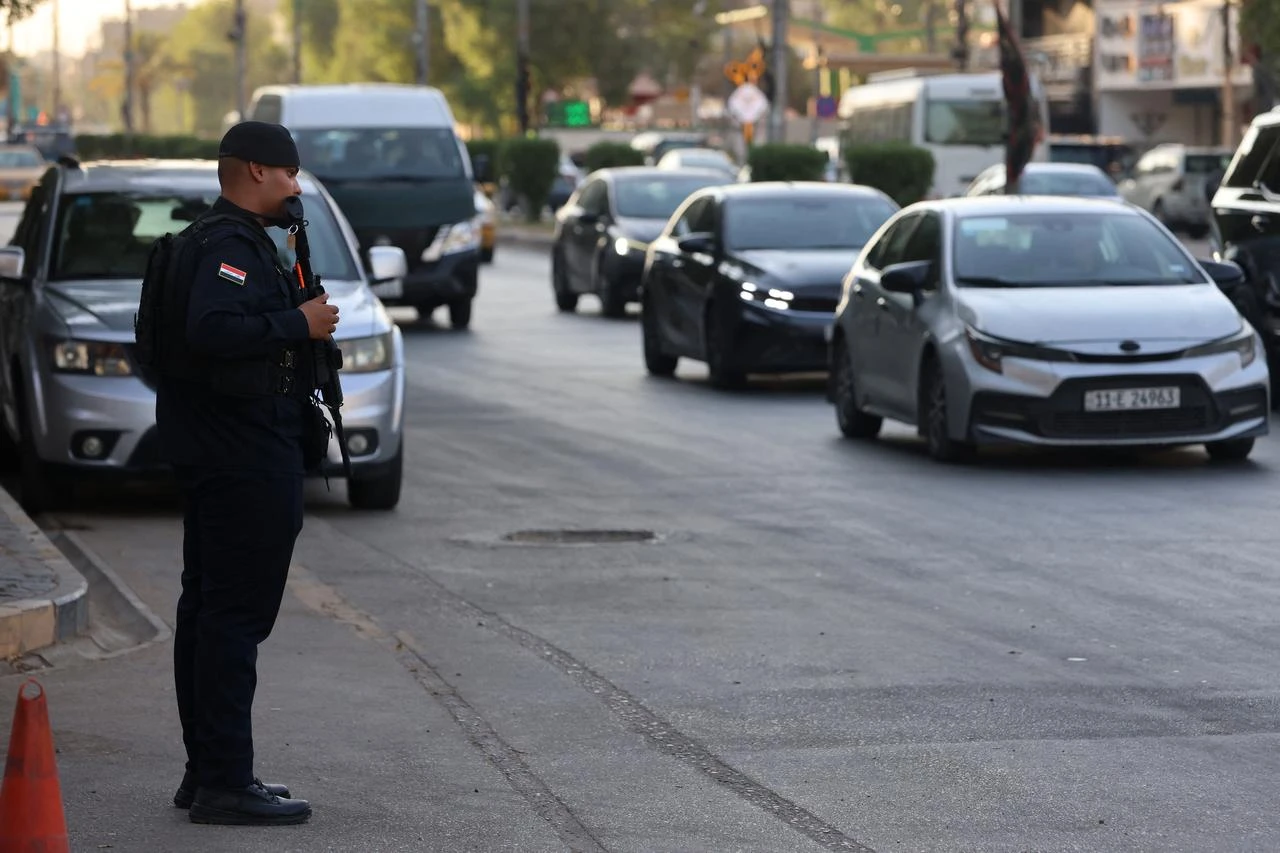

Zaidi, a political newcomer, became prime minister in late April, shortly after the dollar shipments were suspended.
The United States did not oppose his appointment, and he soon ordered all Iraqi militias to come under direct state authority, according to the Times.
Previous Iraqi governments have failed to bring powerful armed groups under tighter state control, and some Iran-linked militias have already rejected Zaidi’s initiative.
Among them is Kataib Hezbollah, which has attacked U.S. targets in Iraq in recent months and claimed responsibility for several high-profile kidnappings, including that of a U.S. journalist in Baghdad this year.
Iraq has long sought to balance its relations with the United States and Iran, its two most influential allies, while avoiding becoming a battleground for their rivalry.
Iraq’s foreign currency reserves are held in an account at the Federal Reserve Bank of New York.
The Iraqi central bank uses the account to facilitate daily dollar transfers for businesses and individuals purchasing goods from abroad. The transfers are considered vital because relatively few Iraqi businesses have access to international bank accounts.
Banking rules agreed by Washington and Baghdad several years ago introduced greater transparency requirements for the transfers.
The measures were intended to prevent dollars from reaching criminal groups, money launderers and individuals supporting militant organizations in Iraq and neighboring countries, including Iran.
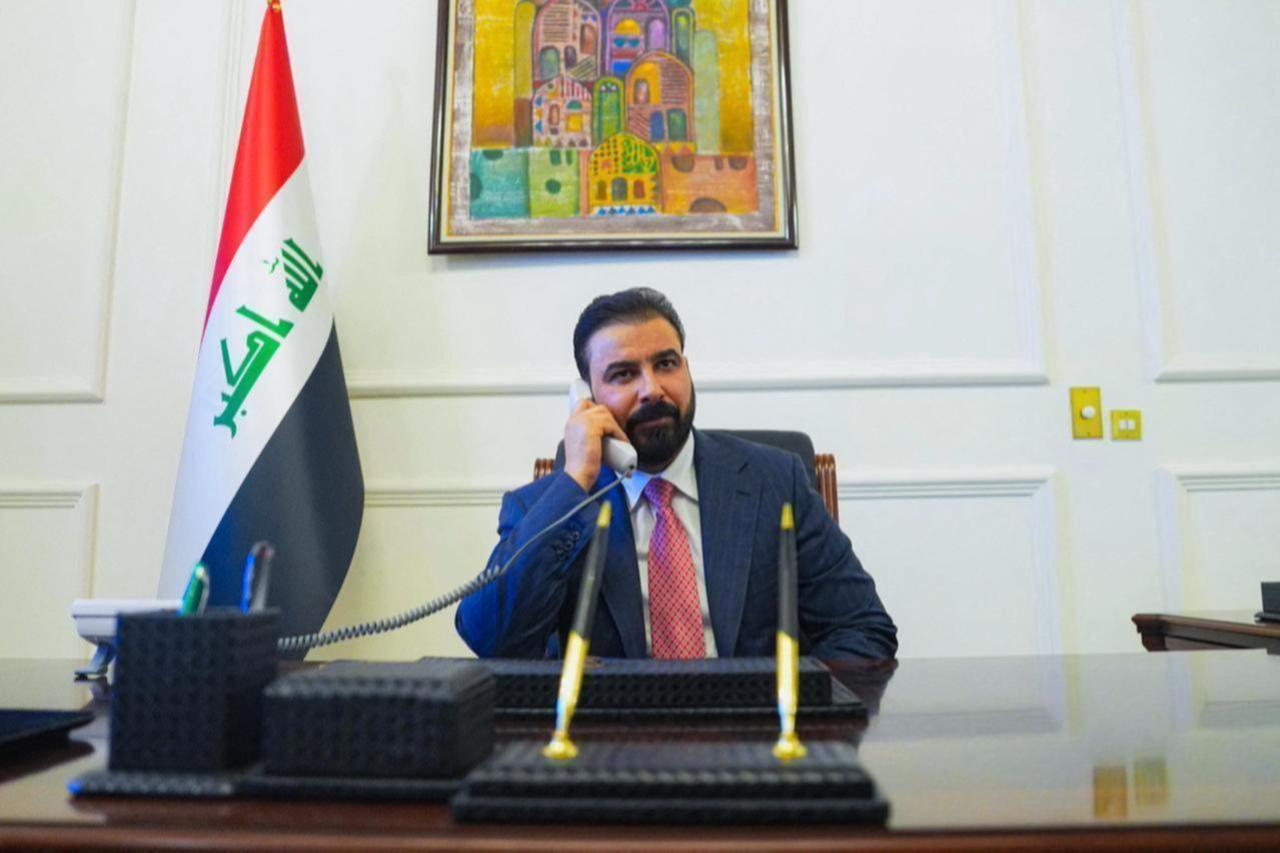
The resumption of the dollar shipments comes as Zaidi’s government conducts an anti-corruption campaign targeting current and former officials.
Iraqi authorities arrested dozens of people, including members of parliament, on corruption charges, according to the state-run Iraqi News Agency.
Authorities detained 47 people Sunday and were continuing operations to locate other suspects, the report said.


 Set as preferred source
 Set as preferred source


 1 min read
 1 min read