Newsletters


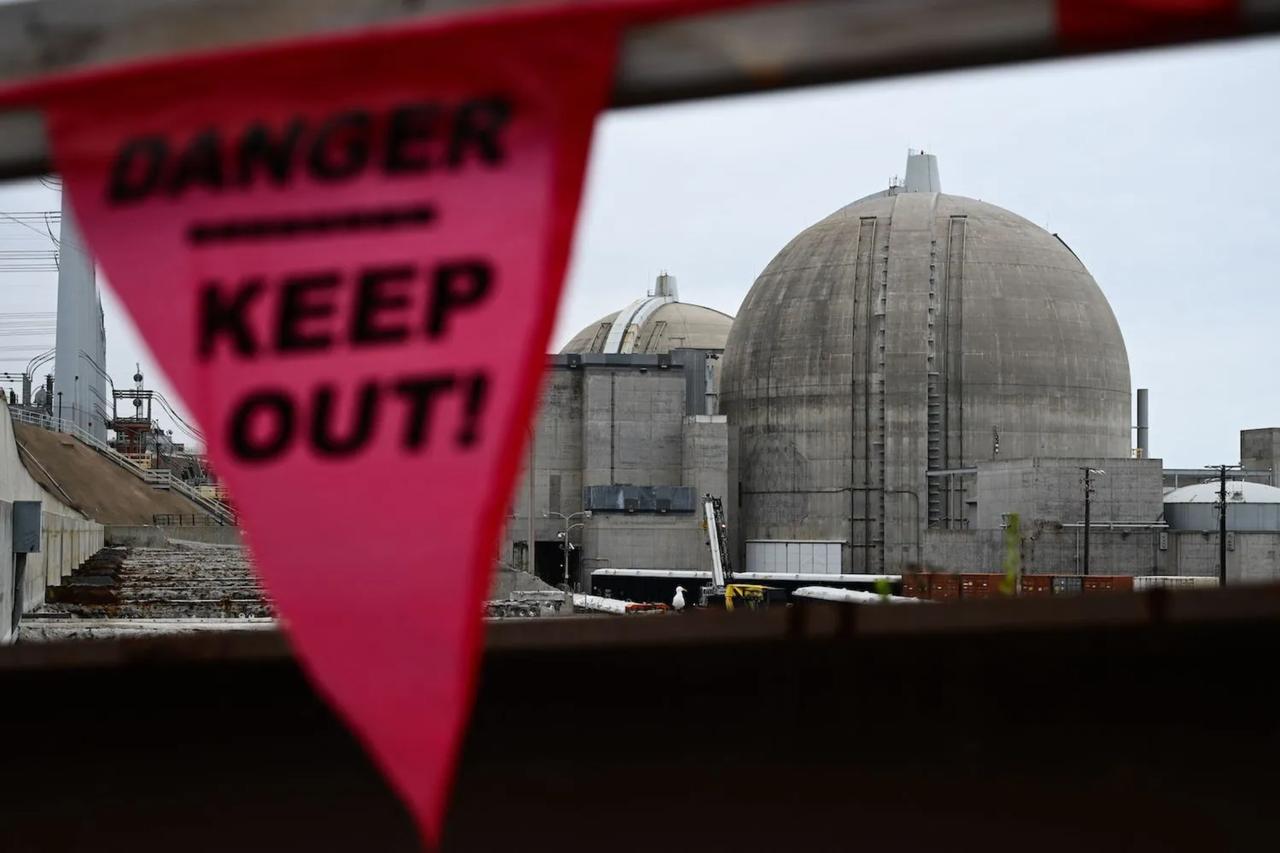


A draft U.S.-Saudi nuclear agreement that would allow Riyadh to enrich uranium without adopting standard enhanced international safeguards is awaiting President Donald Trump’s signature, CNN reported, citing sources familiar with the negotiations and documents reviewed by the network.
Negotiations concluded in October 2025, but the package—including a civilian nuclear cooperation accord known as a "123 agreement" and a separate safeguards arrangement—has not been signed or submitted to Congress for review.
Two sources said the ongoing war with Iran contributed to the delay. Another said the administration may be concerned that lawmakers could introduce a bipartisan resolution blocking the agreements.
The administration briefed some lawmakers earlier this year on a special arrangement that could permit Saudi Arabia to enrich uranium or reprocess plutonium domestically, according to CNN.
A source familiar with the briefing described the arrangement as unprecedented for a U.S. nuclear cooperation agreement.
Washington has reportedly placed conditions on enrichment, but the details remain unclear.
A 123 agreement creates the legal framework for transferring U.S. nuclear technology and materials to another country’s civilian program. Individual transfers would still require additional approval.
Enrichment and reprocessing can produce material needed for nuclear weapons. Most countries with civilian reactors purchase enriched uranium from suppliers such as the U.S. or Russia under international supervision.
Saudi Crown Prince Mohammed bin Salman has previously said the kingdom would seek nuclear weapons if Iran acquired them.
Saudi Energy Minister Prince Abdulaziz bin Salman also said last year that Riyadh intended to use its uranium resources.
“We will enrich it, and we will sell it, and we will do a ‘yellowcake,’” he said.
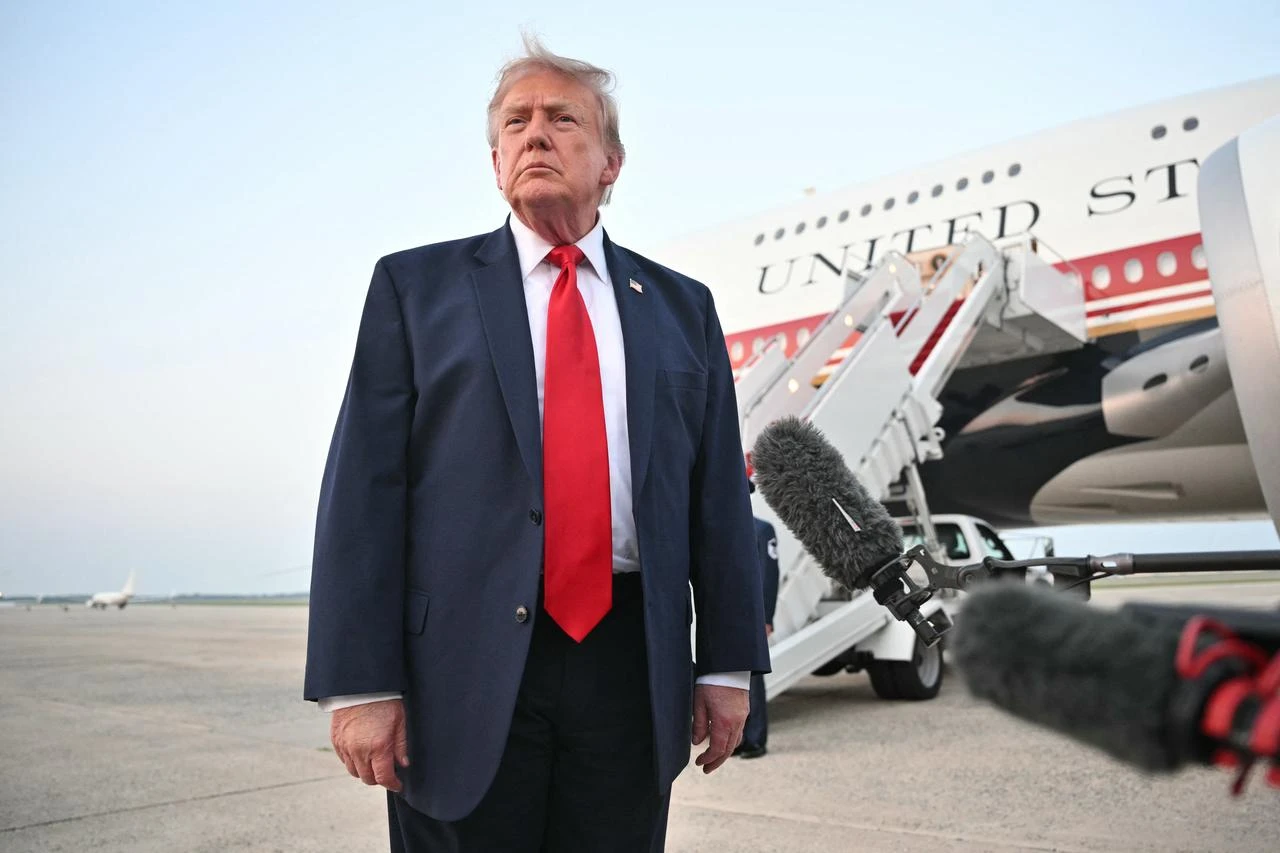

The draft agreement would not require Saudi Arabia to adopt the International Atomic Energy Agency’s Additional Protocol, according to an administration waiver and a State Department letter reviewed by CNN.
The protocol gives the U.N. nuclear watchdog broader access to facilities, information, and suspected undeclared sites.
Instead, safeguards would be established through a bilateral U.S.-Saudi agreement covering sensitive areas, including enrichment, conversion, fuel production, and reprocessing.
The administration said the IAEA would still play a role and receive the tools needed to monitor the program, but Saudi Arabia would not be subject to the standardized oversight of the Additional Protocol.
The proposal differs from the U.S. agreement with the United Arab Emirates, known as the “gold standard.” Under the 2009 deal, the UAE accepted enhanced IAEA oversight and renounced enrichment and reprocessing.
Kelsey Davenport of the Arms Control Association said the Additional Protocol was created because basic safeguards were insufficient to prevent countries from moving toward nuclear weapons capabilities.
Andrea Stricker of the Foundation for Defense of Democracies warned that allowing enrichment in Saudi Arabia would remain risky even if a facility were initially under U.S. control.
“You can’t be sure that the Saudis would not try to nationalize a facility,” she told CNN.
Stricker also said Saudi specialists trained to operate centrifuges could apply that knowledge at secret sites.
Dan Joyner, a nuclear regulatory consultant and University of Alabama law professor, said the absence of the Additional Protocol was not necessarily alarming on its own.
He said the bilateral arrangement could reasonably supplement Saudi Arabia’s existing IAEA safeguards, although its effectiveness would depend on terms that have not been published.
Supporters say cooperation could benefit the U.S. nuclear industry and prevent Saudi Arabia from seeking less restrictive agreements with Russia or China.
Davenport cautioned that customized bilateral safeguards could encourage Moscow and Beijing to pursue similar arrangements with other countries.
Saudi Arabia’s interest in joining the U.S. nuclear umbrella was discussed during the crown prince’s White House visit in November, according to Middle East Eye.
Saudi Arabia had earlier signed a defense pact with Pakistan, the Muslim world’s only nuclear-armed country, after Israel attacked Hamas negotiators in Qatar.
Pakistan is estimated to possess about 170 nuclear warheads, while Saudi and Pakistani descriptions of the agreement said it covered all military options.
A former U.S. intelligence official reportedly told Middle East Eye that extending American protection could draw Riyadh away from Pakistan’s nuclear umbrella.
The Trump administration notified Congress in February that it was pursuing a Saudi civil nuclear agreement without the nonproliferation conditions traditionally required by Washington.
Reuters later reported that the administration submitted a preliminary report to congressional committee leaders because it was not seeking Saudi adoption of the Additional Protocol.


 Set as preferred source
 Set as preferred source


 1 min read
 1 min read