Newsletters


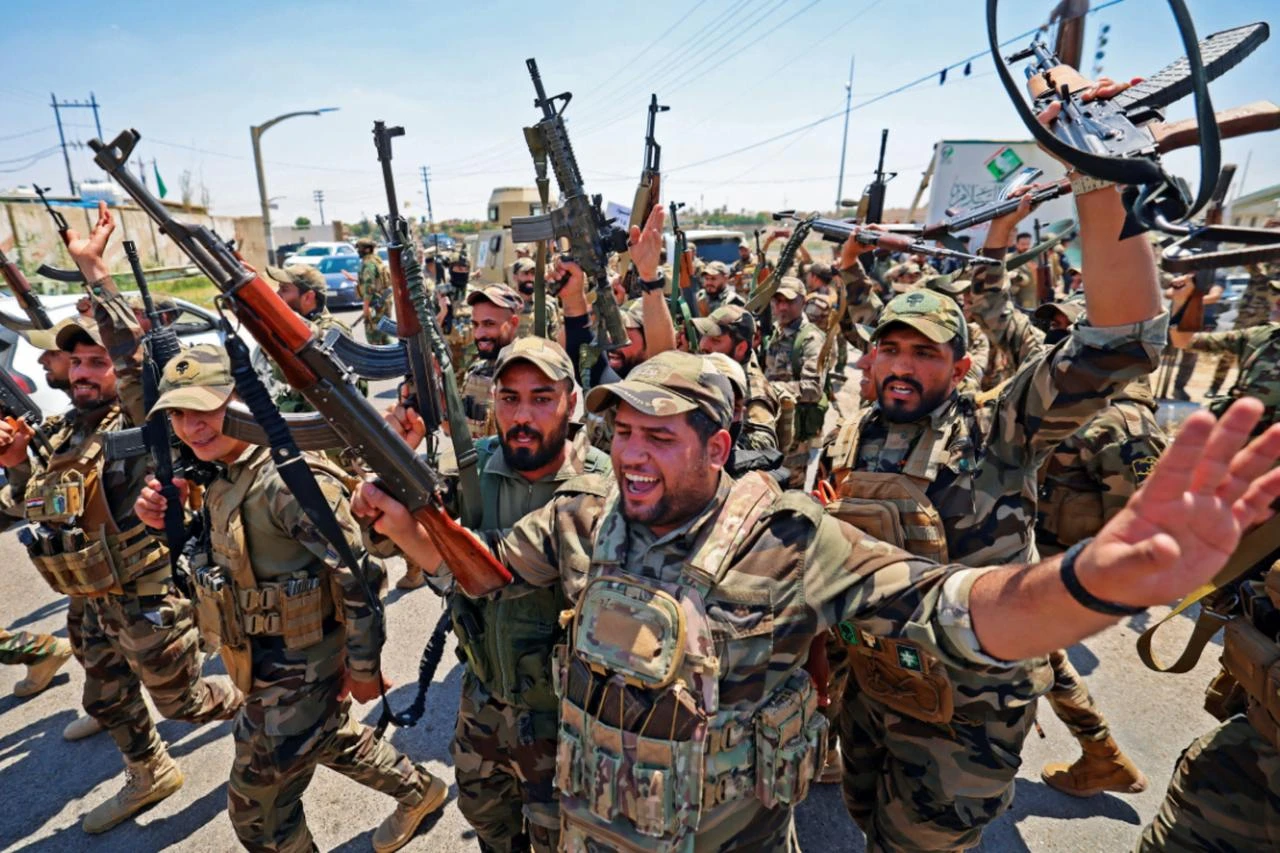


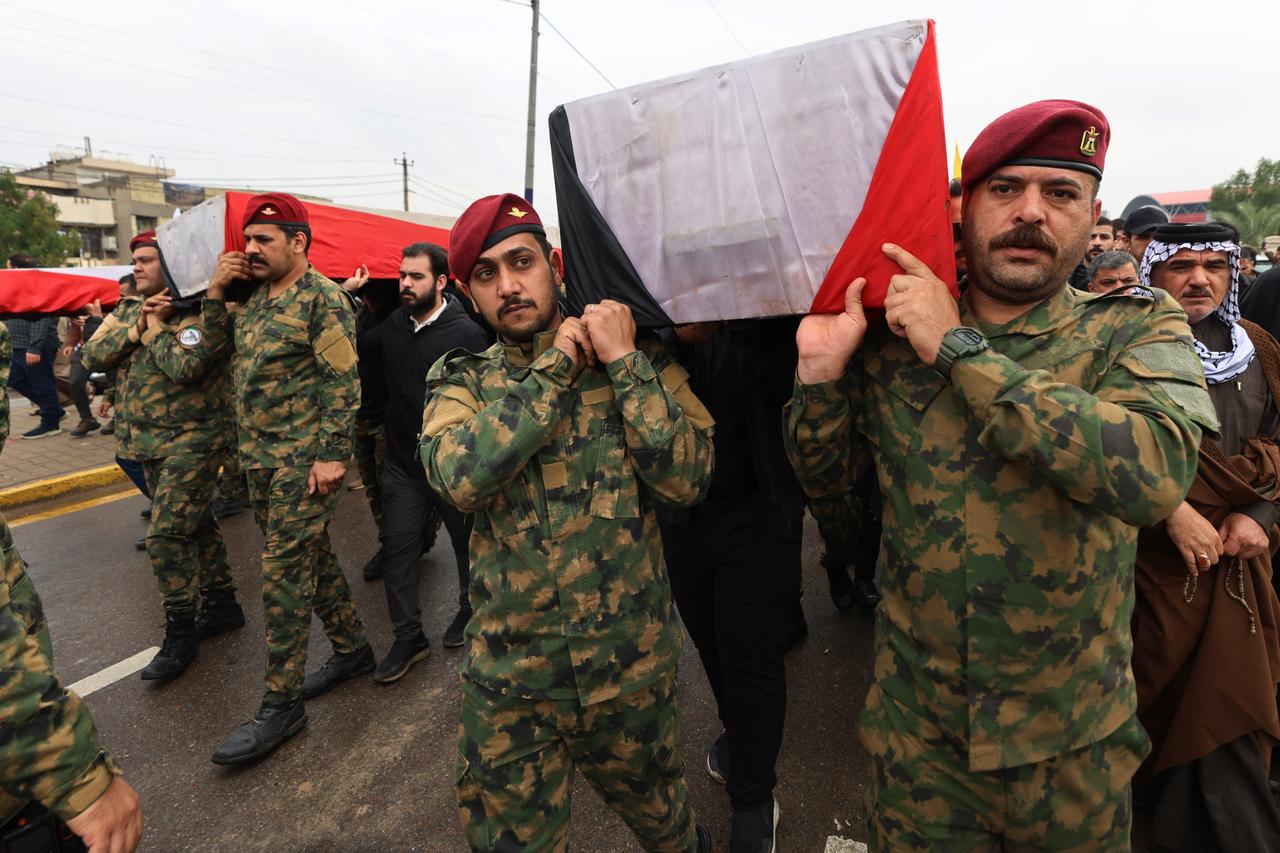
At least 20 fighters from Iraq's Iran-backed Popular Mobilization Forces (PMF) were killed and 32 others wounded in overnight U.S.-Saudi airstrikes that targeted the group's headquarters and facilities across several provinces, the militia announced Wednesday.
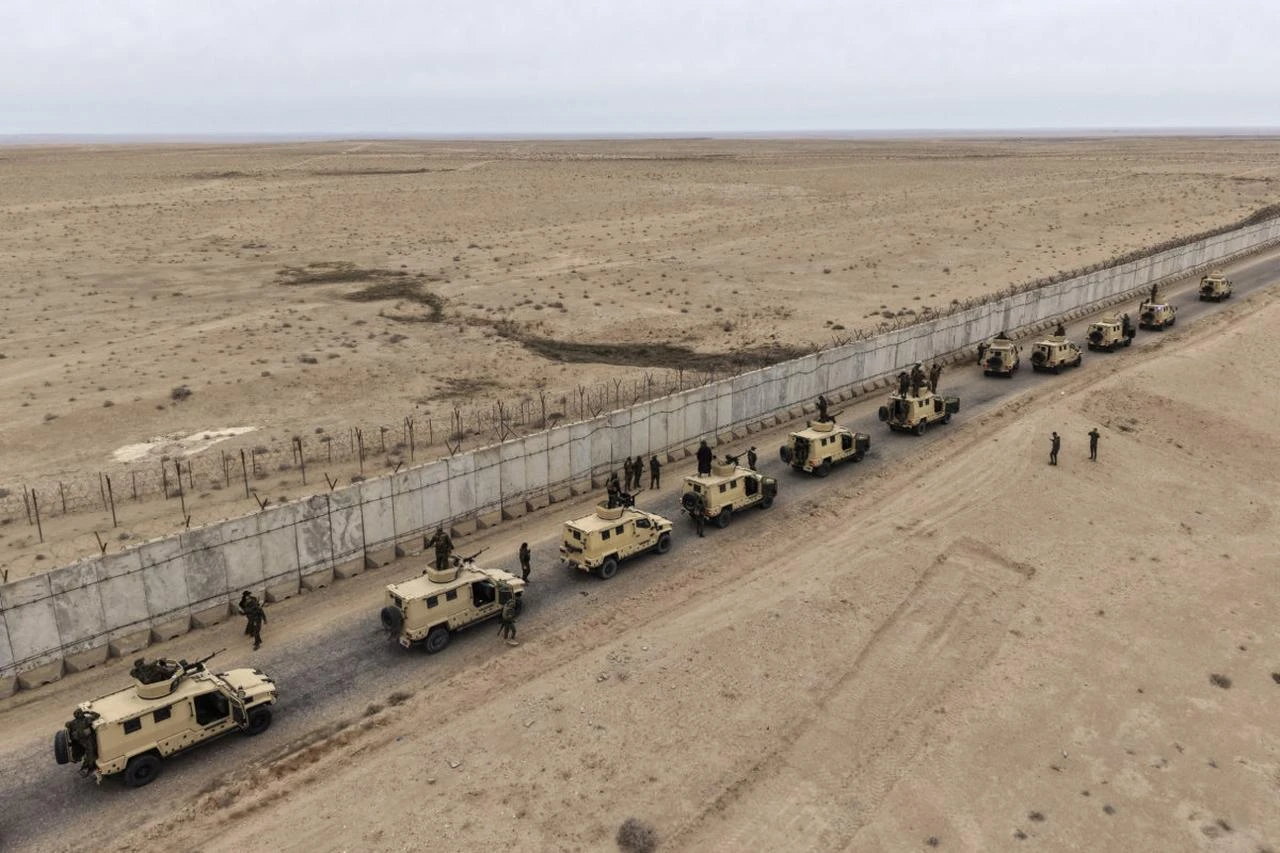
The PMF said the strikes hit its sites in Baghdad, Wasit, Nineveh, Basra, Kirkuk, Karbala and Diyala, causing extensive damage to headquarters, military vehicles and equipment.
Earlier, the PMF denounced the strikes as "treacherous terrorist attacks," calling them "a highly dangerous escalation, a violation of Iraq's sovereignty, and an attack on its official security institutions."
The announcement came shortly after U.S. Central Command (CENTCOM) confirmed that American and Saudi forces had carried out joint precision strikes against Iranian-aligned group targets in Iraq.
CENTCOM said the operation targeted sites linked to attacks on U.S. forces and Saudi energy infrastructure, adding that the groups had been directed by Iran's Islamic Revolutionary Guard Corps (IRGC). The U.S. military said recent attempted attacks against American troops and Saudi facilities had been unsuccessful.
According to U.S. officials, the strikes followed a surge in regional tensions after Iranian missile and drone attacks and were intended to disrupt the operational capabilities of Iran-backed armed groups based in Iraq.
Saudi Arabia said it joined the operation under Article 51 of the U.N. Charter, arguing that the strikes were a response to attacks launched from Iraqi territory against the kingdom's petroleum facilities.
The kingdom's defense ministry warned it would take further military action if Iran-backed groups carried out additional attacks against Saudi Arabia.

The strikes came as tensions across the Middle East flared up again after several days of relative calm and renewed diplomatic efforts.
On Tuesday, Jordanian air defenses intercepted five ballistic missiles launched by Iran toward U.S. military facilities in the country, while the IRGC claimed responsibility for targeting the Muwaffaq Salti Air Base and U.S. Central Command facilities.
The missile attack followed a series of drone assaults over recent days targeting Saudi Arabia's energy infrastructure.
Riyadh said Monday its air defenses shot down several drones launched from Iraqi territory toward petroleum facilities in the Eastern Province and the capital, blaming Iran-backed militias for the attacks.
Saudi authorities warned they reserved the right to respond while calling on Baghdad to prevent its territory from being used to launch attacks against neighboring countries.
Following the airstrikes, Iraqi Prime Minister Ali al-Zaidi ordered an emergency meeting of the Cabinet to assess the security situation and coordinate the government's response.


 Set as preferred source
 Set as preferred source


 1 min read
 1 min read