Newsletters


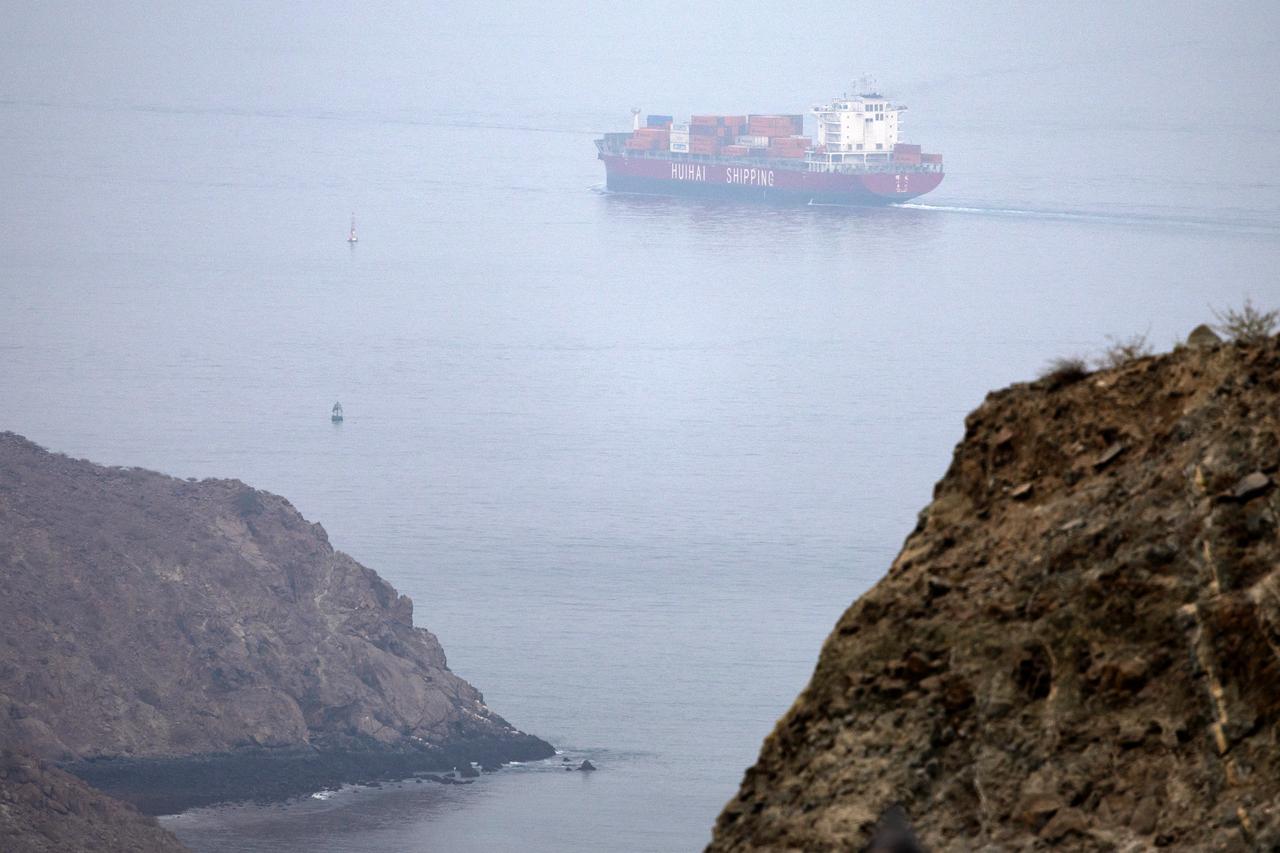


U.S. Central Command (CENTCOM) Commander Adm. Brad Cooper claimed Friday that Iran had been effectively cut off from maritime imports and exports as Washington intensified efforts to restrict Tehran's oil revenue and military financing, while Iranian forces reported that an oil supertanker had struck a naval mine in the Strait of Hormuz.
In a video message, Cooper said the U.S. campaign focused on three areas: restricting Iranian oil exports, disrupting digital financial networks and weakening the ability of Iran's security forces to pay their personnel.
"As a point of emphasis, with the exception of the humanitarian assistance we've allowed in, Iran has no exports and no imports by sea," Cooper said.
He claimed U.S. forces had prevented Iran from exporting at least $25 billion worth of crude oil in recent months.
"CENTCOM has also supported US interagency partners in freezing nearly $350 million in digital cryptocurrency assets, further constricting Iran's ability to fund terrorism or replace weapons and factories that we destroy," he said.
Cooper also claimed that Iran-aligned groups operating across the region had begun withholding payments to their fighters to redirect funds to the Islamic Revolutionary Guard Corps (IRGC).
He said the IRGC itself was struggling to pay its personnel as economic pressure mounted.
"The Islamic regime is clearly feeling the economic pain, and the IRGC is increasingly showing signs of greater desperation as a result," Cooper said.
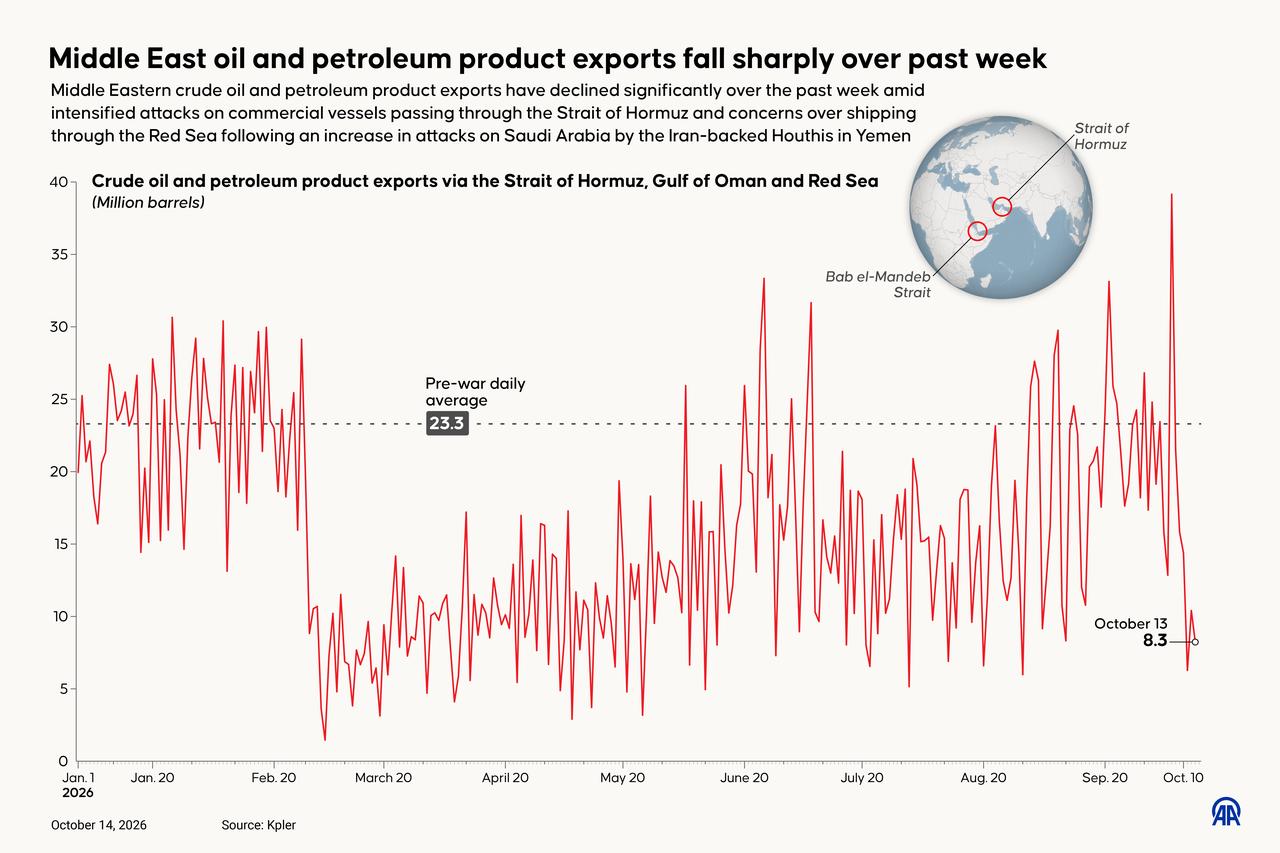

Despite restrictions on Iranian maritime trade, Cooper said commercial shipping continued through the Strait of Hormuz.
He accused Iran of attacking commercial vessels and said U.S. forces were coordinating with regional allies and shipping industry partners to strengthen maritime security.
"Let me be clear: the Strait of Hormuz is controlled by the United States and our regional partners, not Iran, and it remains open for business," Cooper said.
According to Cooper, approximately 400 merchant vessels transited the waterway over the previous seven days.
He added that U.S. forces had assisted Gulf partners in transporting more than 100 million barrels of crude oil through the strait during the same period.
Cooper said the total volume of oil transported with U.S. assistance in recent months had exceeded 1.3 billion barrels.
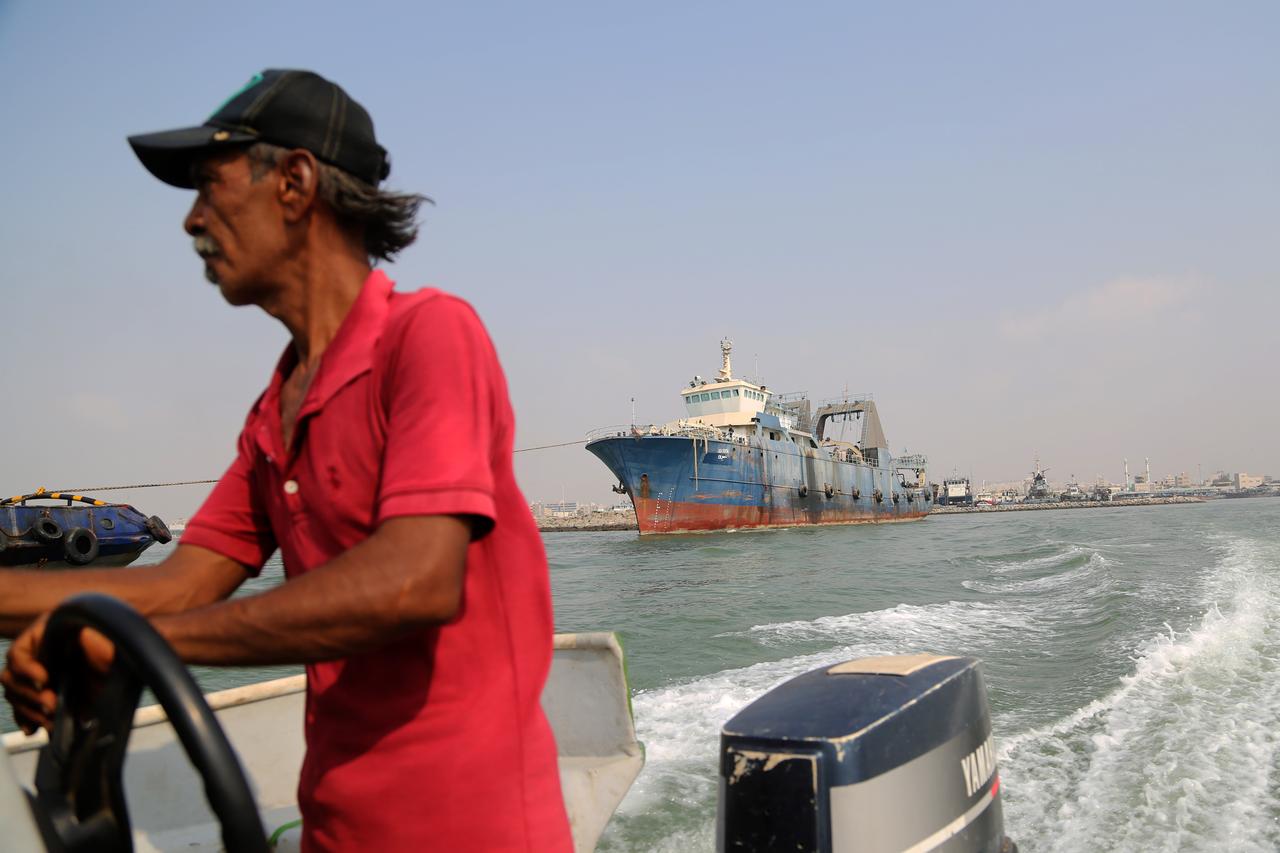
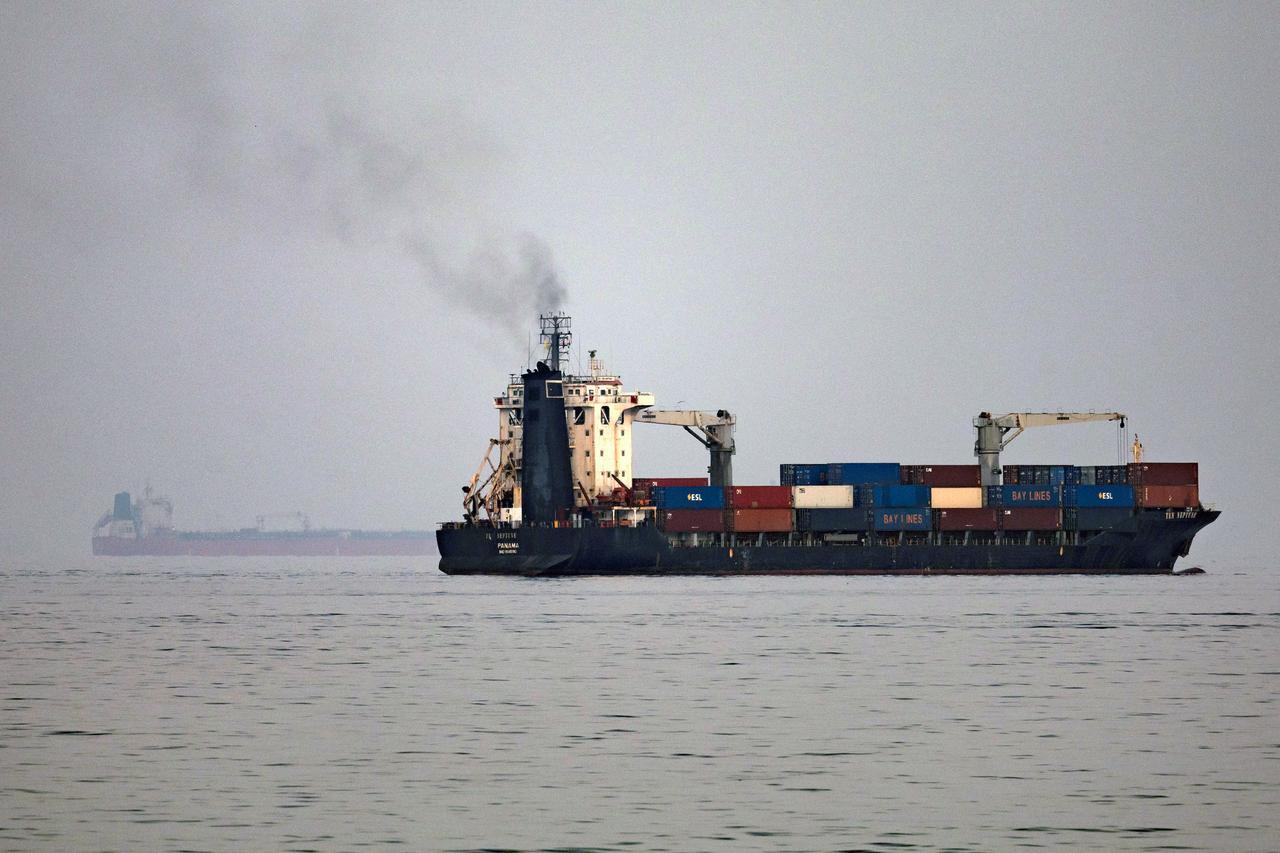
Meanwhile, the IRGC Navy said Friday that an oil supertanker carrying more than 2 million barrels of crude oil struck a naval mine in the Strait of Hormuz, triggering a massive explosion and fire.
According to a statement carried by Iran's semi-official Tasnim News Agency, the vessel was attempting to transit the strategic waterway when the explosion occurred.
The IRGC Navy described the ship as a "rogue" tanker that had switched off its navigation and radar systems.
It claimed the vessel had attempted to exploit U.S. military support to transport goods through the strait.
The statement did not identify the tanker, its owner or its flag state.
Iranian authorities also provided no information about possible casualties or the extent of the damage.
The circumstances of the reported explosion could not be independently verified.
The competing statements came amid heightened tensions between Washington and Tehran over control of maritime traffic through the Strait of Hormuz, one of the world's most important shipping routes for oil and natural gas.
Maritime traffic through the waterway has been severely disrupted since the United States and Israel launched military attacks against Iran on Feb. 28.
While U.S. officials maintain that the strait remains open to commercial shipping under American and allied protection, Iran continues to challenge maritime movements it considers unauthorized.
The reported tanker explosion highlights the continuing risks facing commercial vessels operating in the waterway despite U.S. assurances over maritime security.


 Set as preferred source
 Set as preferred source


 1 min read
 1 min read