Newsletters




Defense Secretary Pete Hegseth declared Friday at a Pentagon briefing that the U.S. naval blockade of Iranian ports was "growing and going global," and that "no one sails from the Strait of Hormuz to anywhere in the world without the permission of the United States Navy."
He added that Iran must "abandon a nuclear weapon in meaningful and verifiable ways, or watch its regime's fragile economic state collapse."
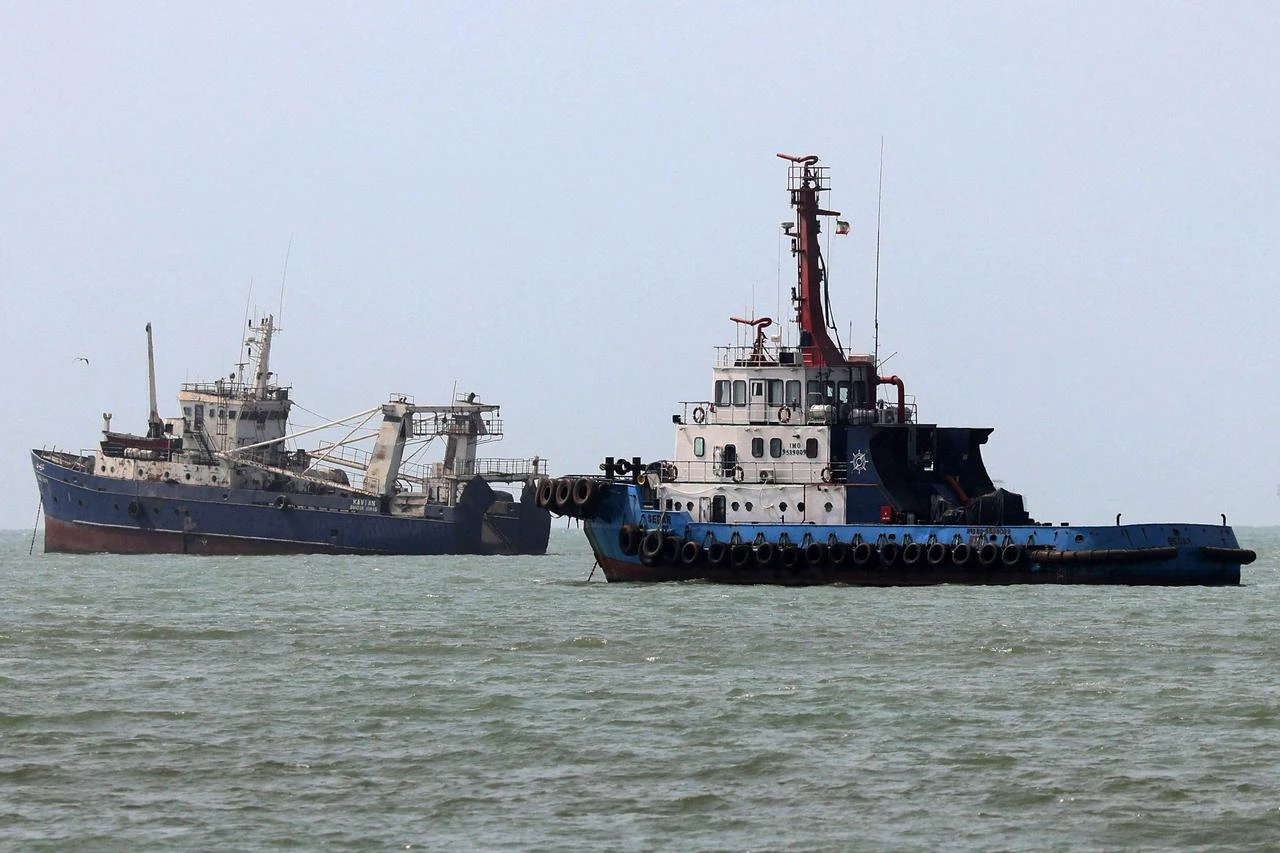
Joint Chiefs Chairman General Dan Caine also revealed that the USS Spruance fired five warning shots and nine inert disabling rounds at Iran's container ship Touska before seizing it.
Hegseth told Europe to stop holding "silly conferences" and "get in a boat."
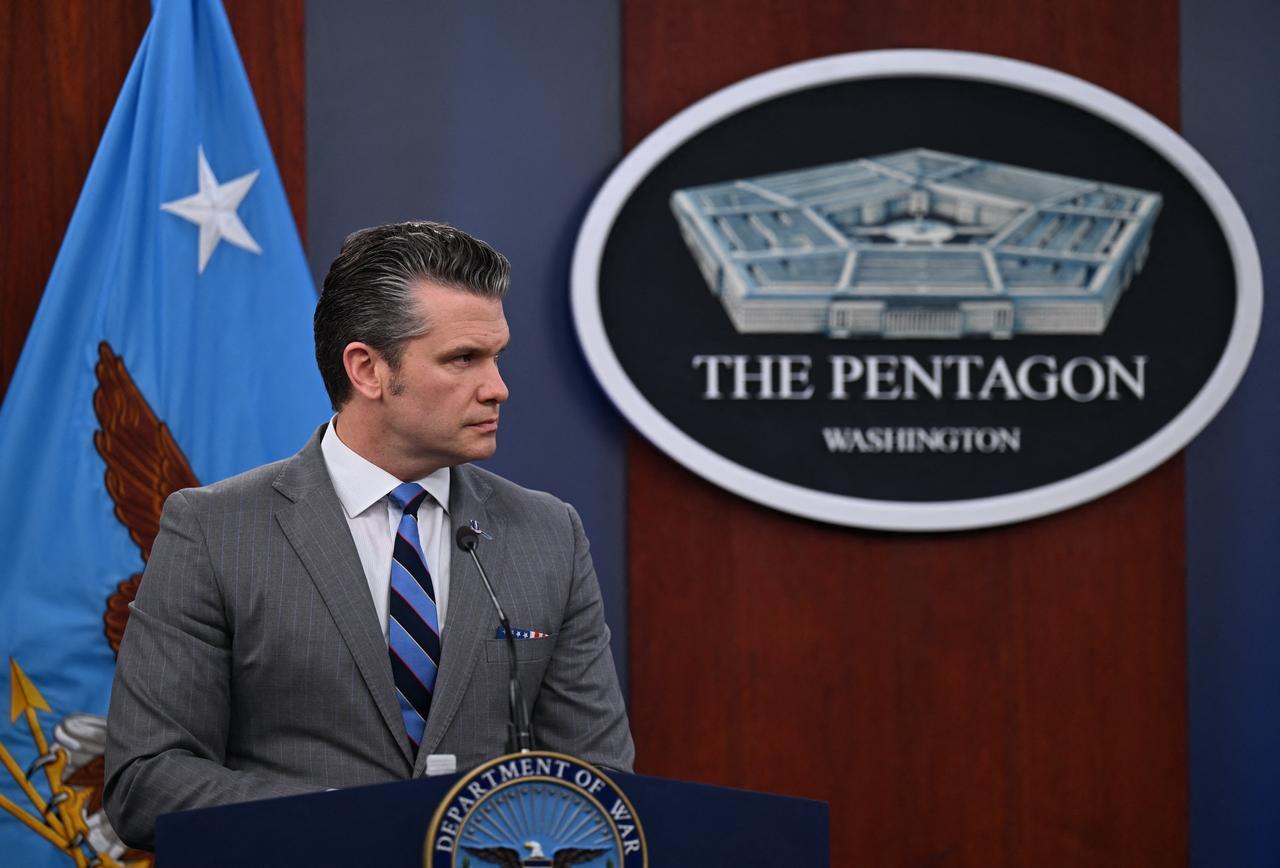

Hegseth opened with a full-throated defense of the blockade's scope and expanding reach.
"As part of that effort, the United States has imposed an ironclad blockade that grows more powerful by the day. From the Gulf of Oman to the open oceans, our Navy is enforcing this blockade without hesitation or apology," he said.
"No one sails from the Strait of Hormuz to anywhere in the world without the permission of the United States Navy. To the regime in Tehran: the blockade is tightening by the hour. We are in control. Nothing in, nothing out," Hegseth added.
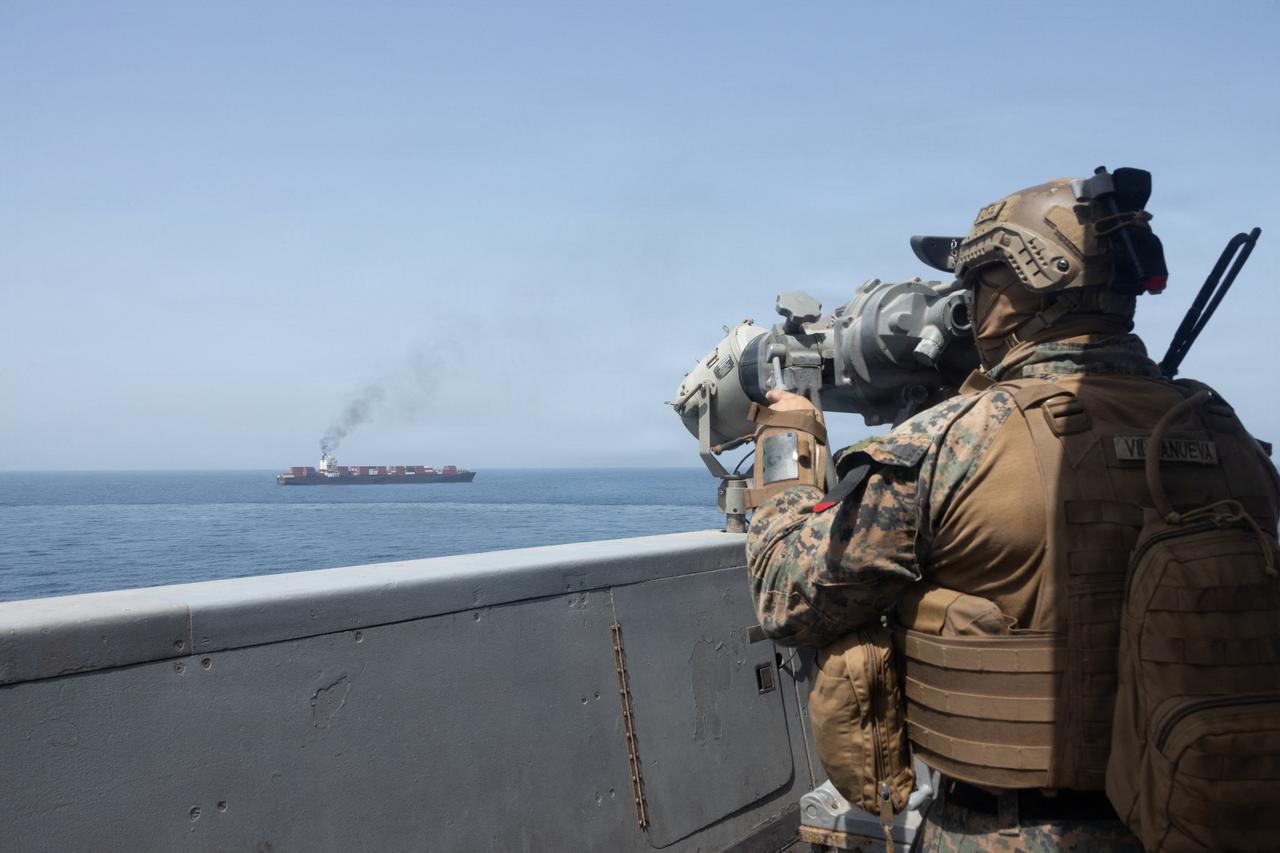
He said 34 ships had been turned back, two Iranian dark-fleet ships had been seized in the Indo-Pacific region this week, noting that "they thought they'd made it out just in time. They did not. We will seize more". He also announced that another aircraft carrier would join the blockade within days.
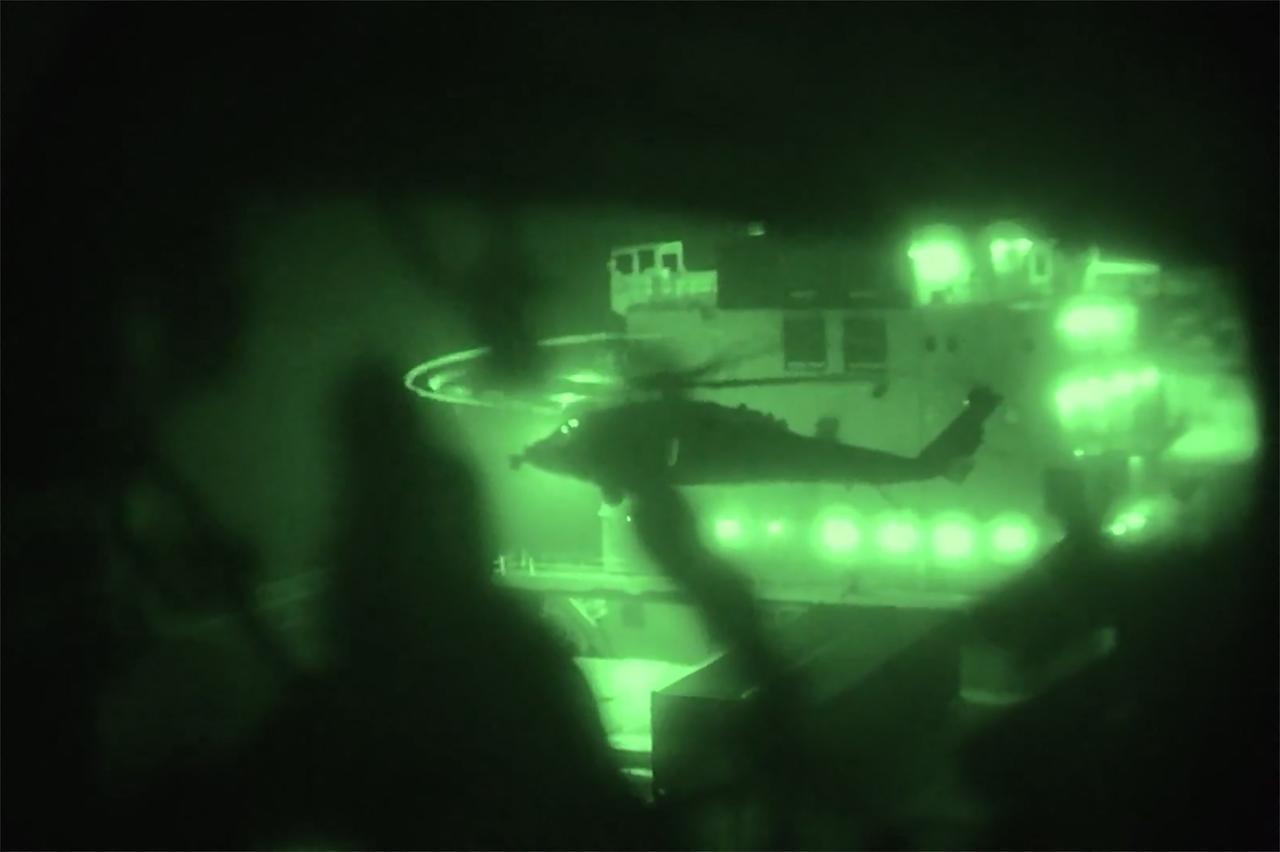
General Caine provided the most detailed public account of the Touska seizure.
"American forces began to issue several clear and unambiguous warnings and informed the vessel and its crew that they were in violation of the U.S. blockade and directed the ship to turn around. Over a six-hour period, the vessel and her crew repeatedly ignored U.S. warnings, and then the U.S. Navy destroyer executed a series of pre-planned, carefully calibrated escalation options, including firing five warning shots," he said.
"The vessel and her crew continued to ignore warnings, and after exhausting all other measures, CENTCOM authorized disabling fire against Touska," Caine added.
"U.S. sailors warned the crew to abandon the engine room, and at approximately 9 a.m. Eastern Time, the destroyer disabled Touska's engine by firing nine inert rounds precisely into the engine room. The vessel then reported issues with its engine, went dead in the water, and began to comply with U.S. directions. CENTCOM ordered United States Marines to seize the ship via helicopters," he said.
The crews of the three ships, Touska, M/T Tifani and M/T Majestic X, all remained in U.S. custody as of Friday.
Caine confirmed that U.S. forces would "continue to conduct similar maritime interdiction actions and activities in the Pacific and Indian Oceans."
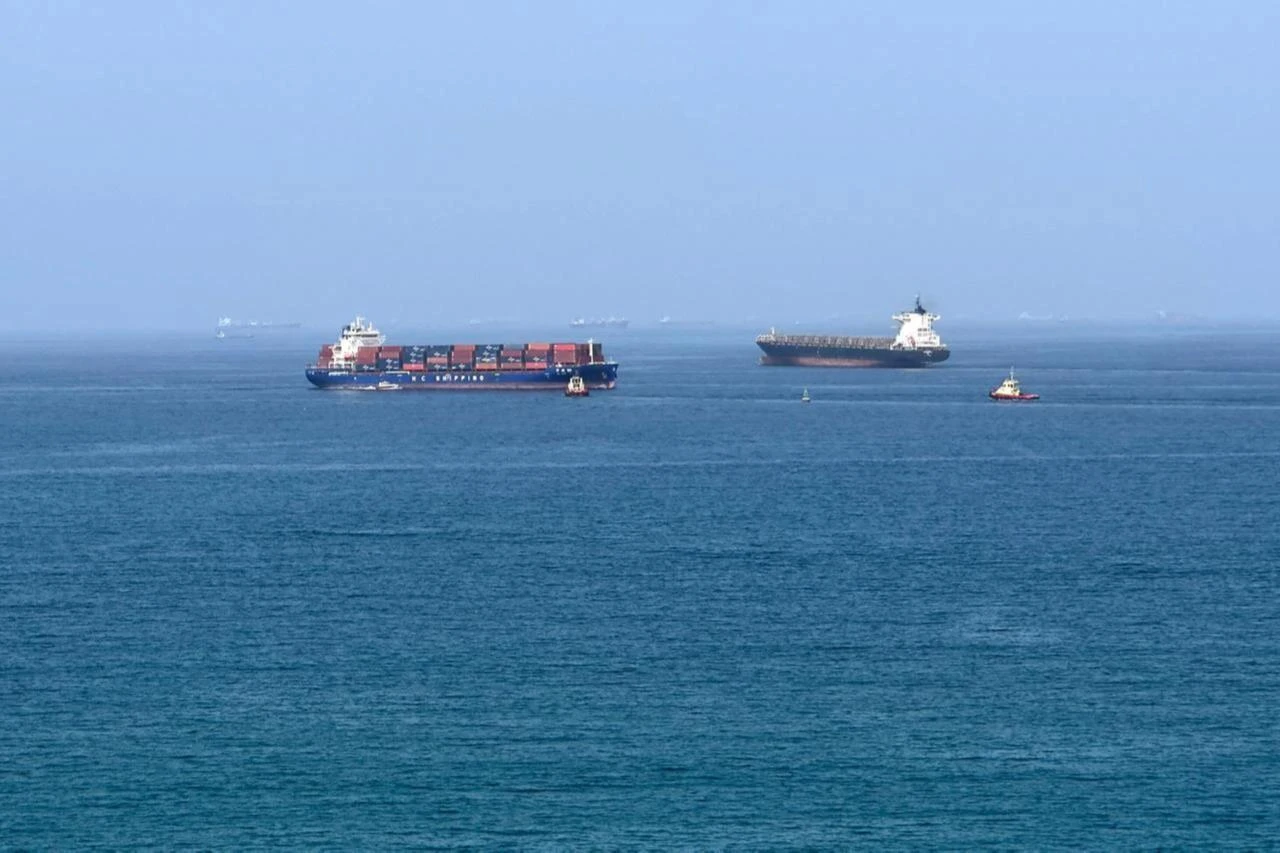
Caine also said Iran had attacked five merchant vessels in the strait in total, seizing two, attacking three, "including ships that Iran itself had cleared to proceed."
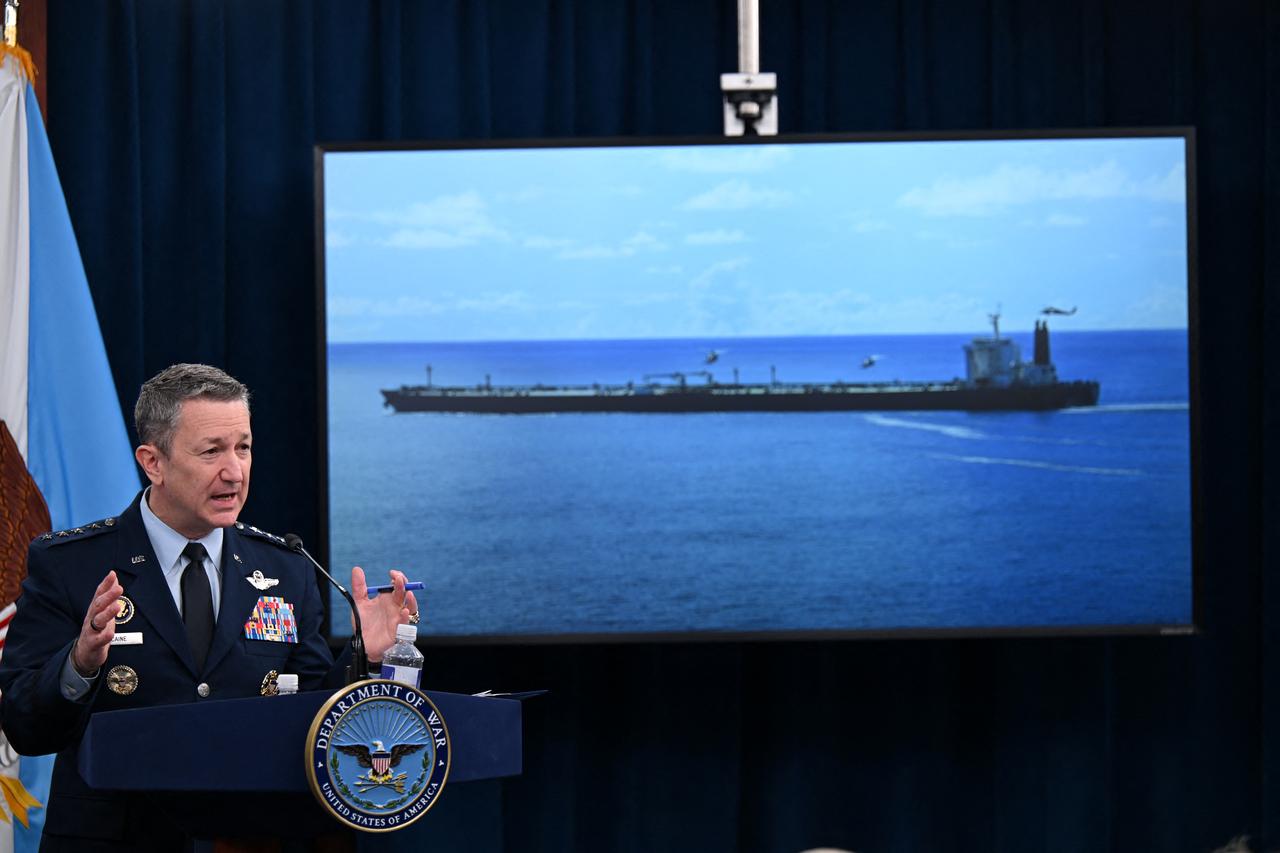
Hegseth delivered the U.S. ultimatum in direct terms.
"Iran knows that they still have an open window to choose wisely. All they have to do is abandon a nuclear weapon in meaningful and verifiable ways, or instead, they can watch their regime's fragile economic state collapse under the unrelenting pressure of American power," the U.S. defense secretary stated.
"A blockade as long as it takes. Whatever President Trump decides. Iran will never get a nuclear bomb. The choice is theirs. But with this blockade, the clock is not on their side," he added.
He said laying further mines would constitute a ceasefire violation, noting that if there are "attempts to recklessly and irresponsibly lay more mines," the U.S. is going to deal with that. "It's a violation of the ceasefire," he said
Hegseth added that transit was occurring "but much more limited than anybody would like to see, and with more risk, because Iran is doing irresponsible things with small, fast boats."
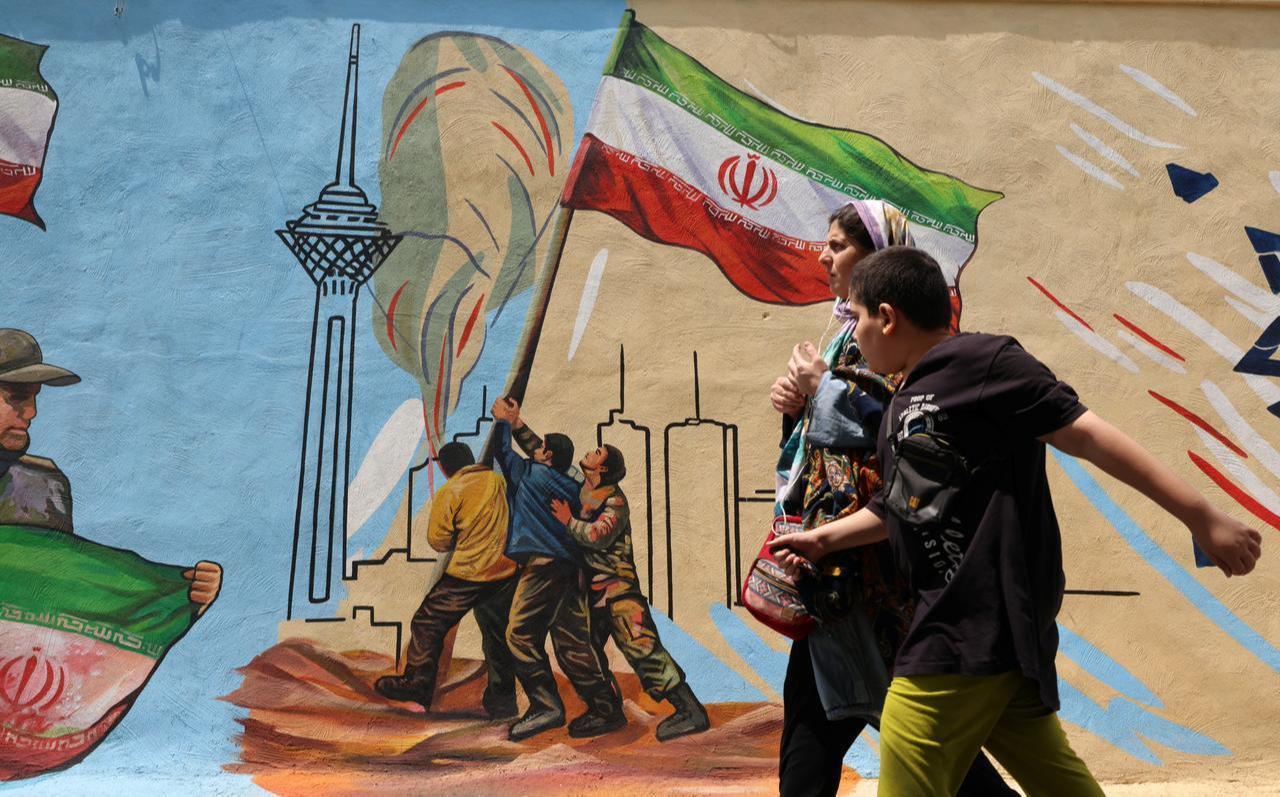
Hegseth was blunt about European inaction, directly targeting the Paris conference hosted by French President Emmanuel Macron and British Prime Minister Keir Starmer last week.
"I know there's a lot of talks. You saw what I would call a silly conference in Europe last week, where they got together and talked about maybe doing something eventually when things are done. Those are not serious efforts yet. We would welcome a serious European effort," he noted.
"Either you have capabilities, or you don't. Otherwise, you're at the behest of a country like Iran, and the only country that can do something about it is the United States," Hegseth stated.
"We are not counting on Europe, but they need the Strait of Hormuz much more than we do, and they might want to start doing less talking and having less fancy conferences in Europe and get in a boat. This is much more their fight than ours," he added.
"America and the free world deserve allies who are capable, who are loyal, and who understand that being an ally is not a one-way street. It's a two-way street. The time for free-riding is over," he concluded.


 Set as preferred source
 Set as preferred source


 4 min read