Newsletters


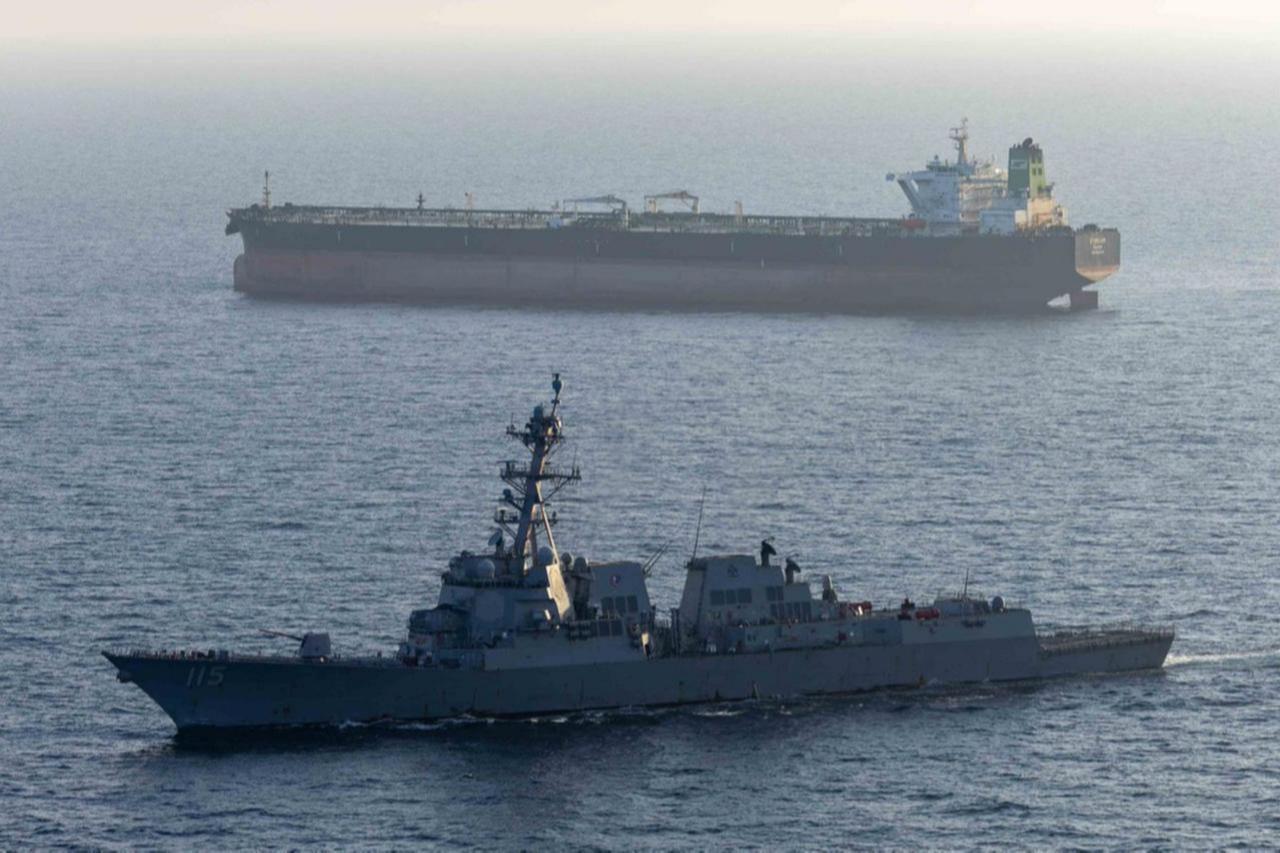


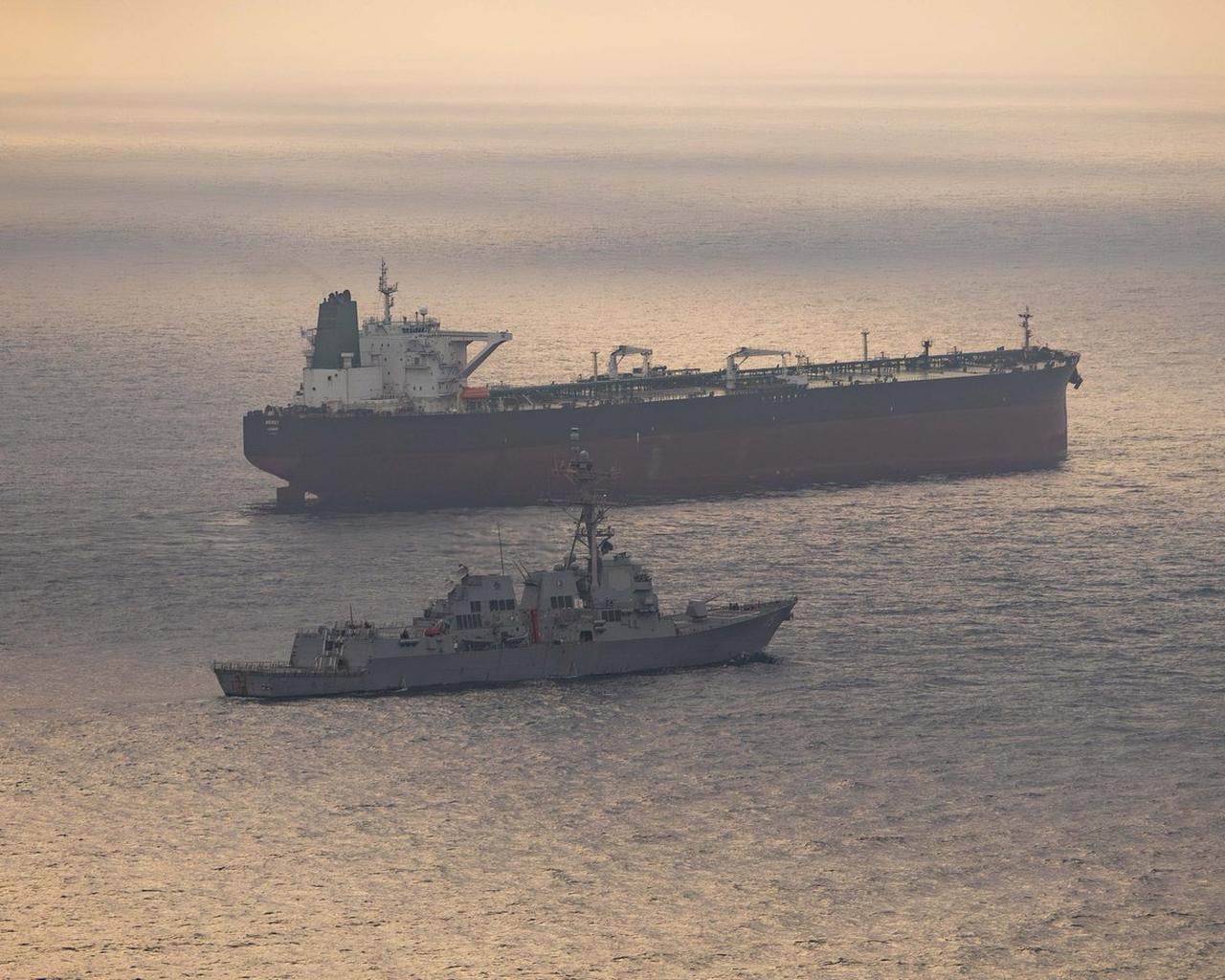
The U.S. secretly escorted at least 87 oil tankers through the Strait of Hormuz during its conflict with Iran, President Donald Trump said Friday, describing the operation as part of a broader effort to keep one of the world's most important energy corridors open.
Trump revealed the details while discussing "Project Freedom," a U.S.-led maritime mission launched after the Iran war neared the shipping traffic through the strait to a halt. The operation was aimed at protecting commercial traffic and maintaining global oil flows as concerns grew over possible disruptions in the Gulf.
According to Trump, American naval forces quietly guided tankers through the strait during overnight missions while avoiding detection by Iranian forces.
"We'd leave at 1 o'clock in the morning, all lights off, and we'd have our navy destroyers going alongside," Trump told Axios in an interview posted Friday.
The president claimed the missions succeeded because U.S. strikes earlier in the conflict had disabled Iran's radar and air defense capabilities, allowing vessels to move through the area without being tracked.
For more than a month, he added, the source of the oil shipments passing through the waterway remained unknown.
Defense Secretary Pete Hegseth earlier announced that the operation facilitated the movement of 125 million barrels of oil through the strait.

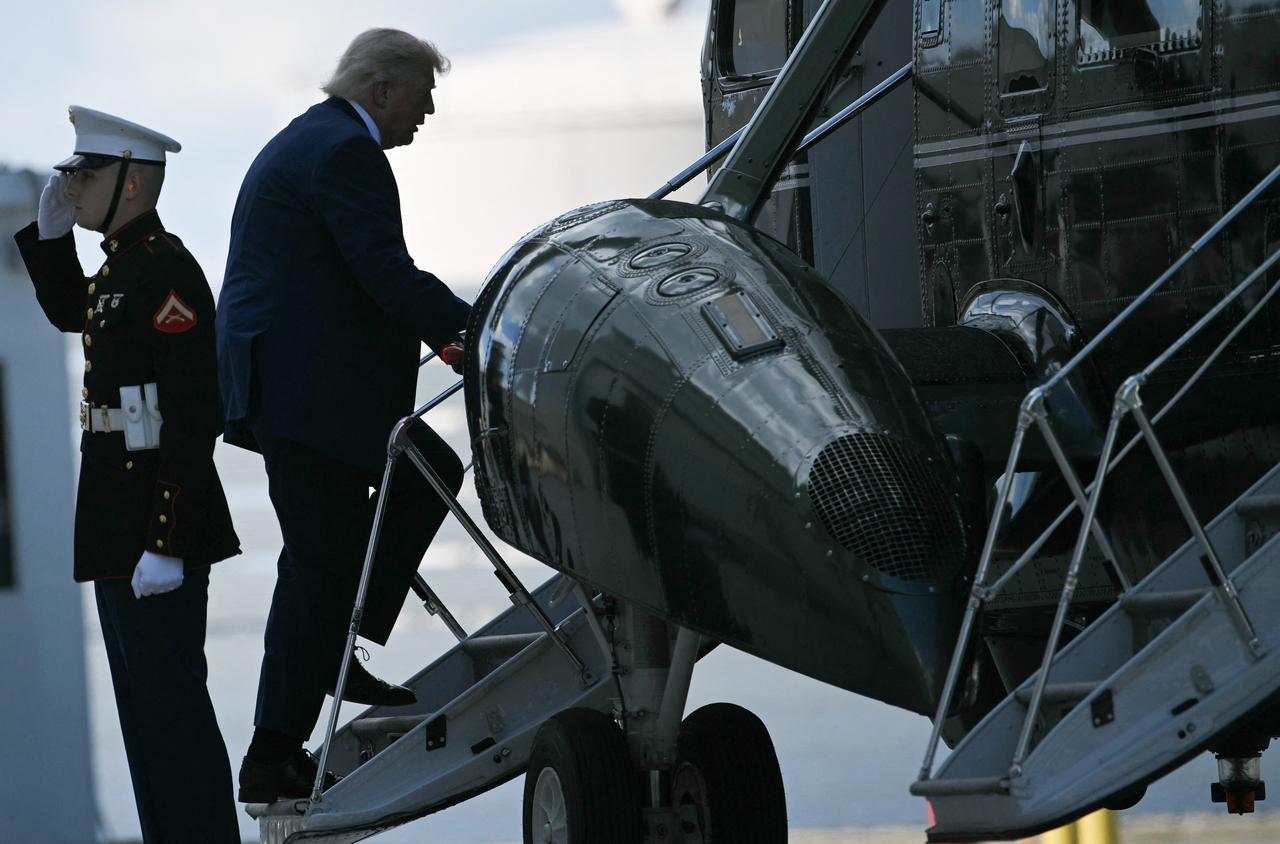
Trump later pointed to a sharp rise in shipping activity in an interview before departing Joint Base Andrews, saying vessel traffic had surged following recent diplomatic progress.
He also highlighted a newly signed understanding between Washington and Tehran, arguing that continued shipping activity depends on efforts to reach a broader settlement.
"We have an agreement that was signed last night. Sixty days — they have to make a deal; otherwise, we will do things that won't make them happy," he said. "If we do that, then all of a sudden, you're not going to have the oil flowing out of the strait."
The agreement, known as the Islamabad Memorandum, was negotiated through Pakistan-mediated talks and formally entered into force on June 18 after being digitally signed by Trump and Iranian President Masoud Pezeshkian.
The 14-point document includes commitments to end the war, reopen the Strait of Hormuz, lift the U.S. maritime blockade on Iran and halt Israeli attacks on Lebanon.
Commercial traffic through the waterway has increased since the memorandum took effect.
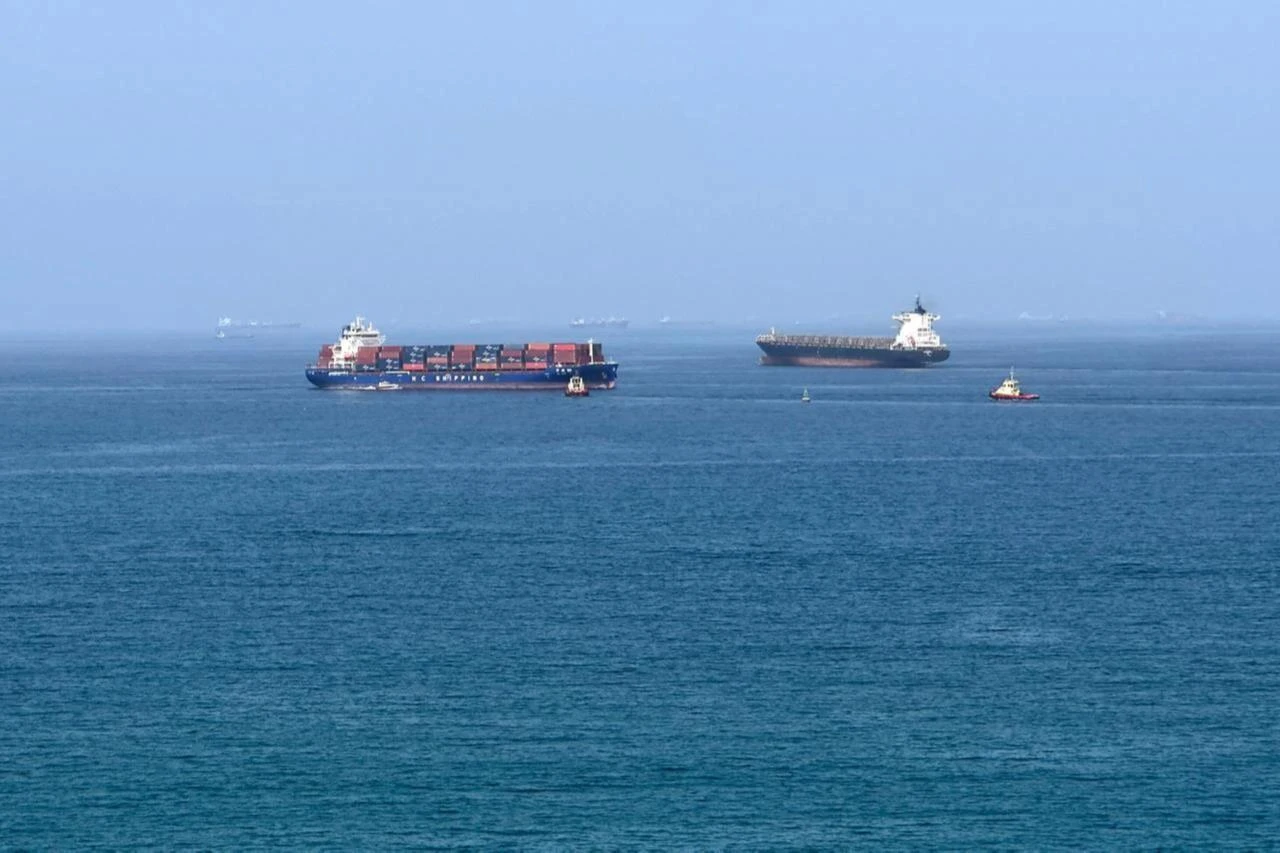
Twenty-five ships crossed the strait on Thursday, marking the highest level of vessel traffic recorded since the beginning of June. The increase followed measures reopening the chokepoint to international shipping.
Separately, Iran's Persian Gulf Strait Authority (PGSA), a body established during the conflict and not internationally recognized as an independent maritime authority, announced new transit procedures for vessels seeking to pass through the strait during the 60-day period covered by the agreement.
According to the authority, shipowners must submit transit requests through designated official channels at least 48 hours before arrival and provide valid contact information for their vessels.
The authority also said fees related to security, safety and environmental services, as well as associated Iranian insurance costs, which much of the international community considers illegal, would be waived for 60 days, with the government covering the expenses.
It further stated that vessels should coordinate designated routes and transit schedules before approaching the strait because of mine-affected areas and navigation safety concerns, warning that vessel owners would be responsible for any failure to comply with the procedures.


 Set as preferred source
 Set as preferred source


 1 min read
 1 min read