Sign in
 Newsletters


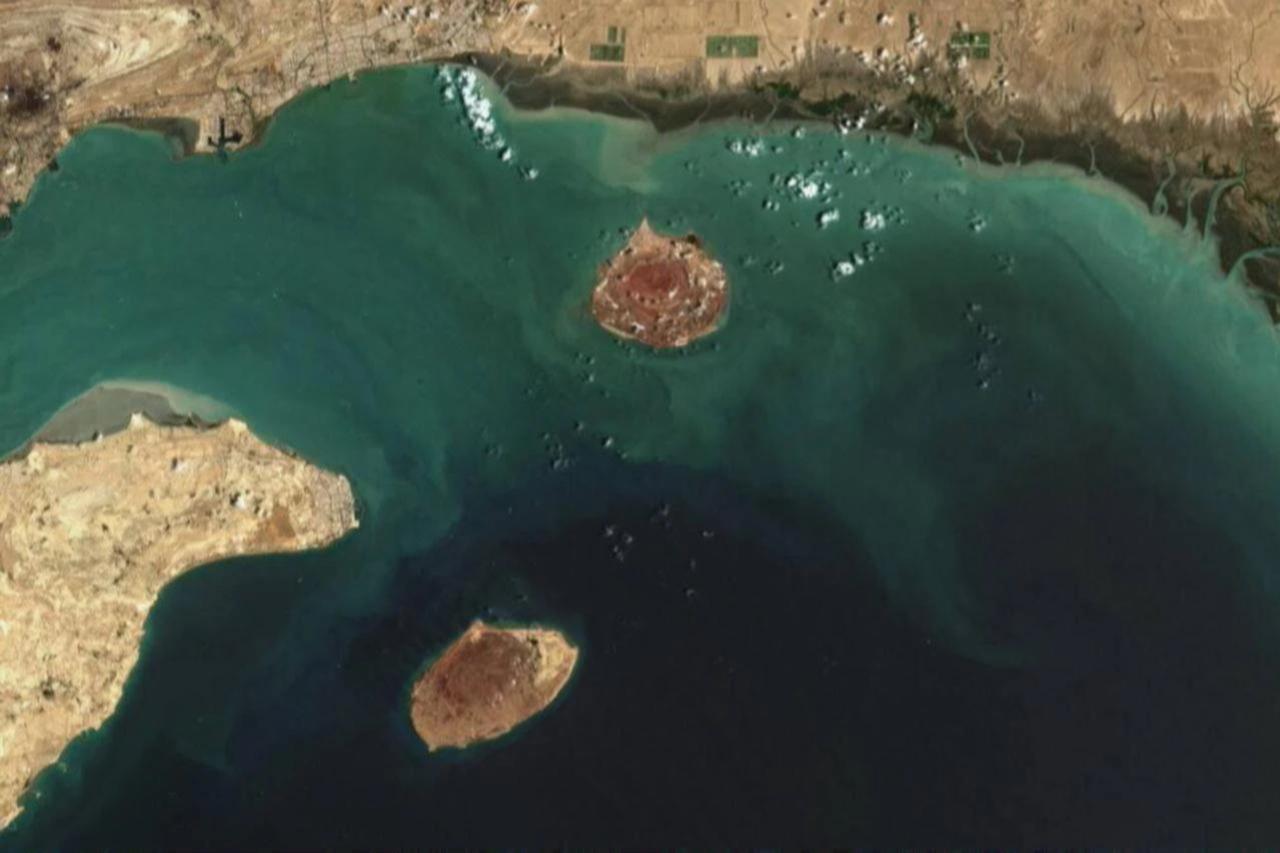


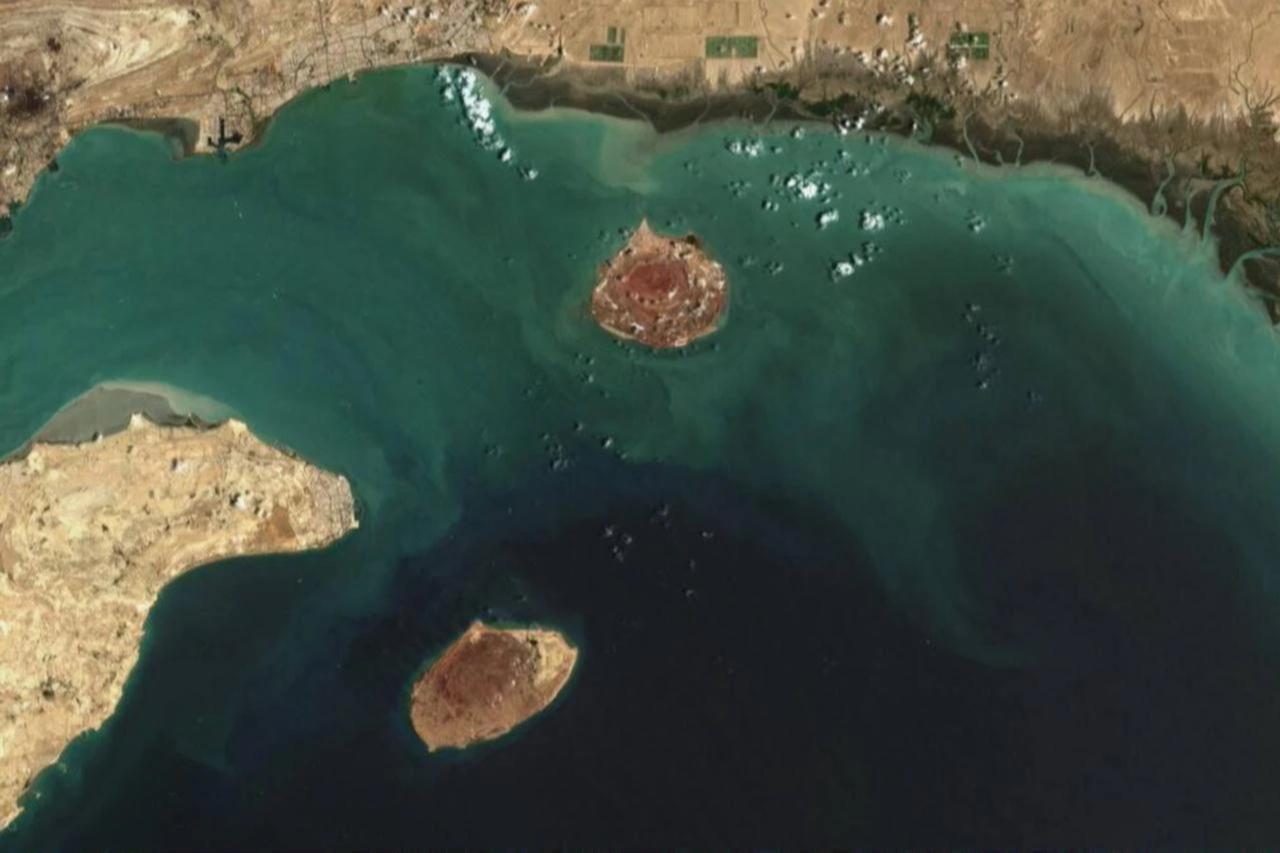
U.S. fighter aircraft struck Revolutionary Guard Corps missile launch sites on Iran’s Qeshm Island, the American military said, describing the action as self-defense after what it called aggression against U.S. personnel and assets.
Ahmad Nafisi, the deputy governor of Iran’s Hormozgan Province for political, security and social affairs, soon confirmed the airstrikes. It is the third confirmed U.S. strike on Iranian targets on Qeshm this month.
A U.S. military official told the Washington Examiner that the aircraft used precision munitions against a Guard missile launch site on the island. The official said U.S. Central Command “remains highly vigilant and fully postured to protect Americans across the region.”
The strike came only hours after the Guard targeted a U.S. radar system in Bahrain. Central Command said all projectiles in that attack were intercepted.
Nafisi told residents the attack on Qeshm did not damage any residential, commercial or infrastructure areas. Qeshm, Iran’s largest island, lies in the Strait of Hormuz and falls under Hormozgan Province. The strait is a key passage for global oil shipments.
The Guard has answered earlier U.S. strikes on its forces with drone and missile attacks on American bases across the Gulf. Both sides have sustained significant damage, but the exchanges have not broken the fragile de facto ceasefire.
An official ceasefire collapsed in early July. After nearly two weeks of on-and-off U.S. strikes, the two sides have largely refrained from major attacks on each other, while Washington has pursued a blockade aimed at squeezing Iran.
Speculation has been high that President Donald Trump could renew the war before the Democrat-controlled Congress is sworn in in January. The Theodore Roosevelt carrier strike group recently joined the George Washington and George H.W. Bush carrier strike groups off Iran’s coast, concentrating substantial firepower in the region.
Tehran, meanwhile, has signaled it is bracing for escalation. Mohammad Reza Mohseni Thani, a member of Iran’s National Security Commission, said Iran would respond “at the same level” if the United States attacked with a nuclear weapon. He also said there were “no positive expectations of reaching an agreement” to end the war, even as diplomatic efforts continue.
In Washington, Hakeem Jeffries, the Democratic leader poised to become House speaker, said the war “should end today.” He called it a “reckless and costly war of choice” and said it has driven up gas, food and diesel prices for Americans.


 Set as preferred source
 Set as preferred source


 1 min read
 1 min read