Newsletters


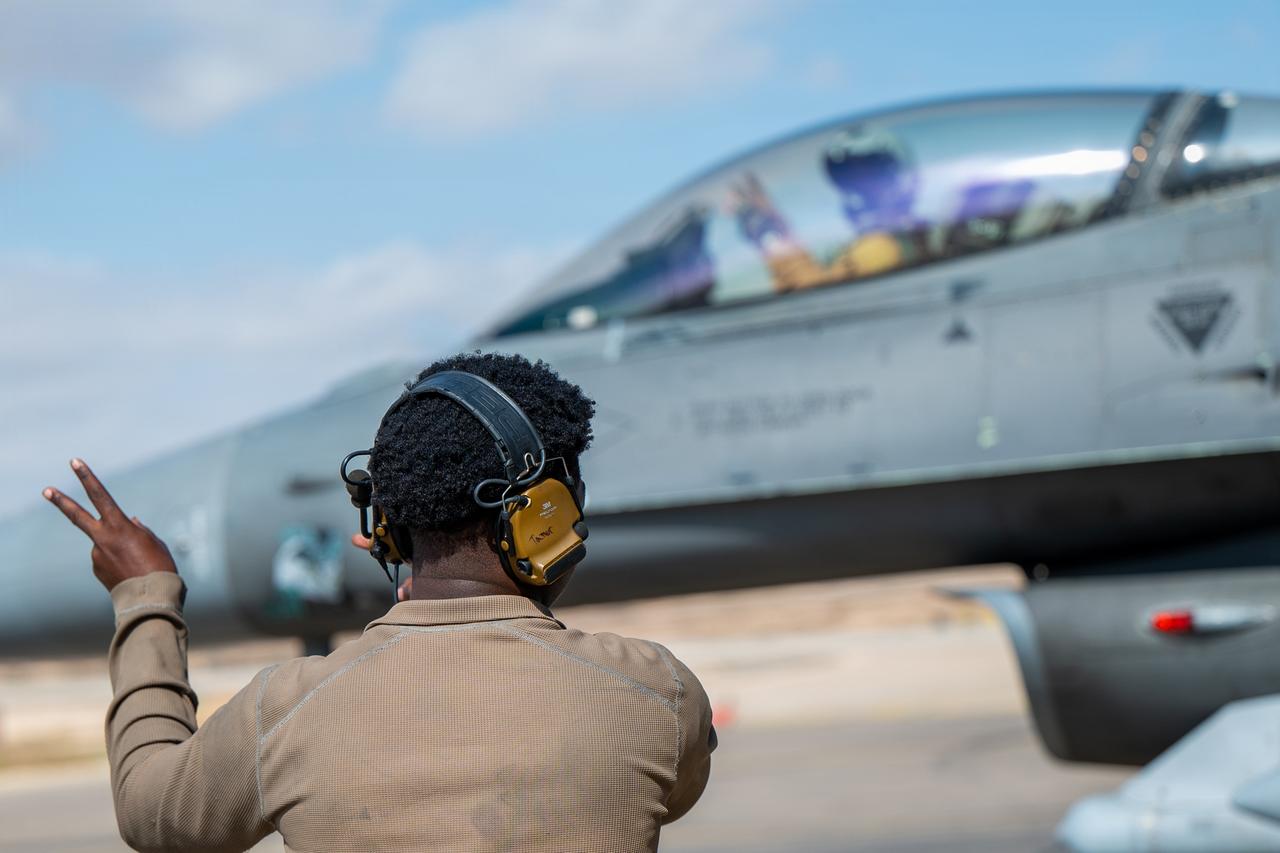


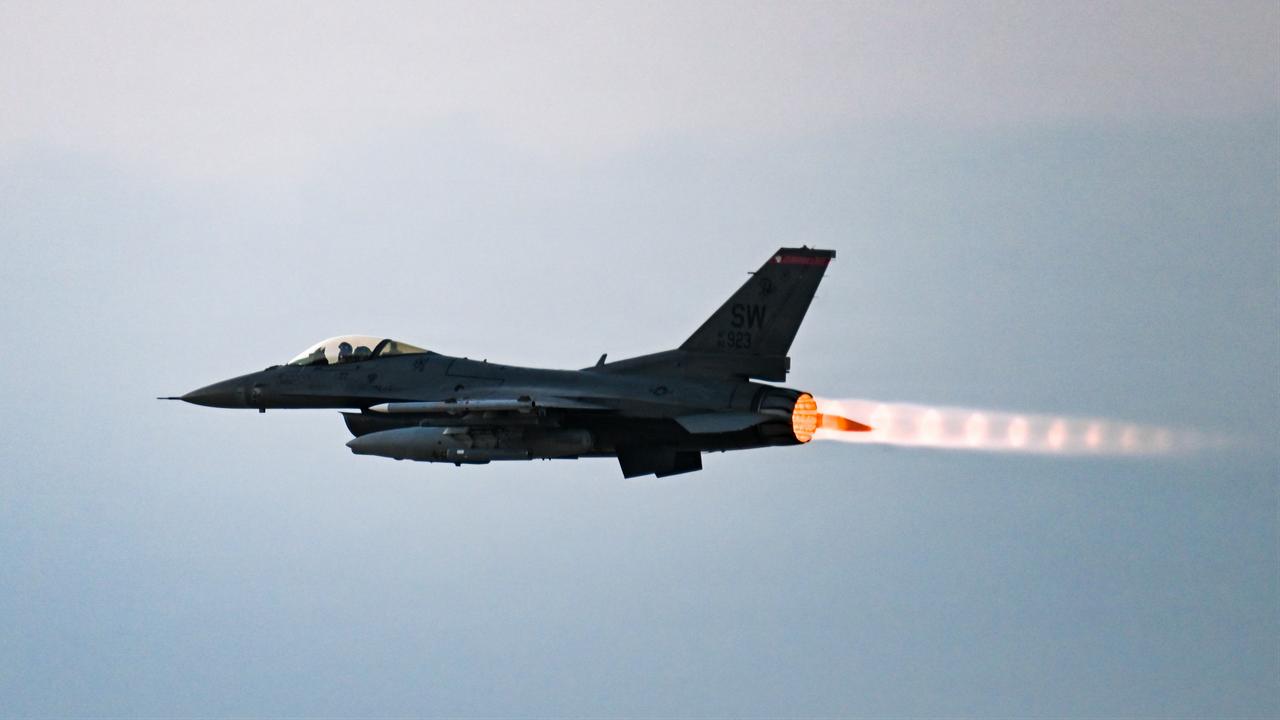
U.S. officials have told several Middle East countries and regional allies to prepare for possible renewed Iran strikes after the Nov. 3 midterm elections and for potential Iranian retaliation against them, two diplomats briefed on the matter told The Associated Press (AP).
The U.S. said a new round of military action could last several days, but regional officials are bracing for Iran and its proxies to respond with a fight that could last longer, the diplomats said, speaking on condition of anonymity.
U.S. President Donald Trump has not made a final decision on new strikes, the diplomats stressed, though he has repeatedly said he is weighing military action once the elections are over.
Allies were also urged to take precautions in anticipation that Iran’s response would include strikes on energy facilities and other critical infrastructure. The Wall Street Journal (WSJ) earlier reported Gulf nations were being briefed to prepare for escalation.
AP reported that it is unclear how soon after Election Day the U.S. military would be ready to resume strikes. The U.S. has not struck Iran since early September.
The Pentagon deployed the USS Theodore Roosevelt and amphibious ships carrying Marines, roughly 9,000 troops, from San Diego to the Gulf late last month. A U.S. official said the buildup could bring more than 20,000 sailors and Marines and hundreds of aircraft to the region.
The cost of the war has reached $47.1 billion, according to the latest Pentagon estimate provided to Congress.

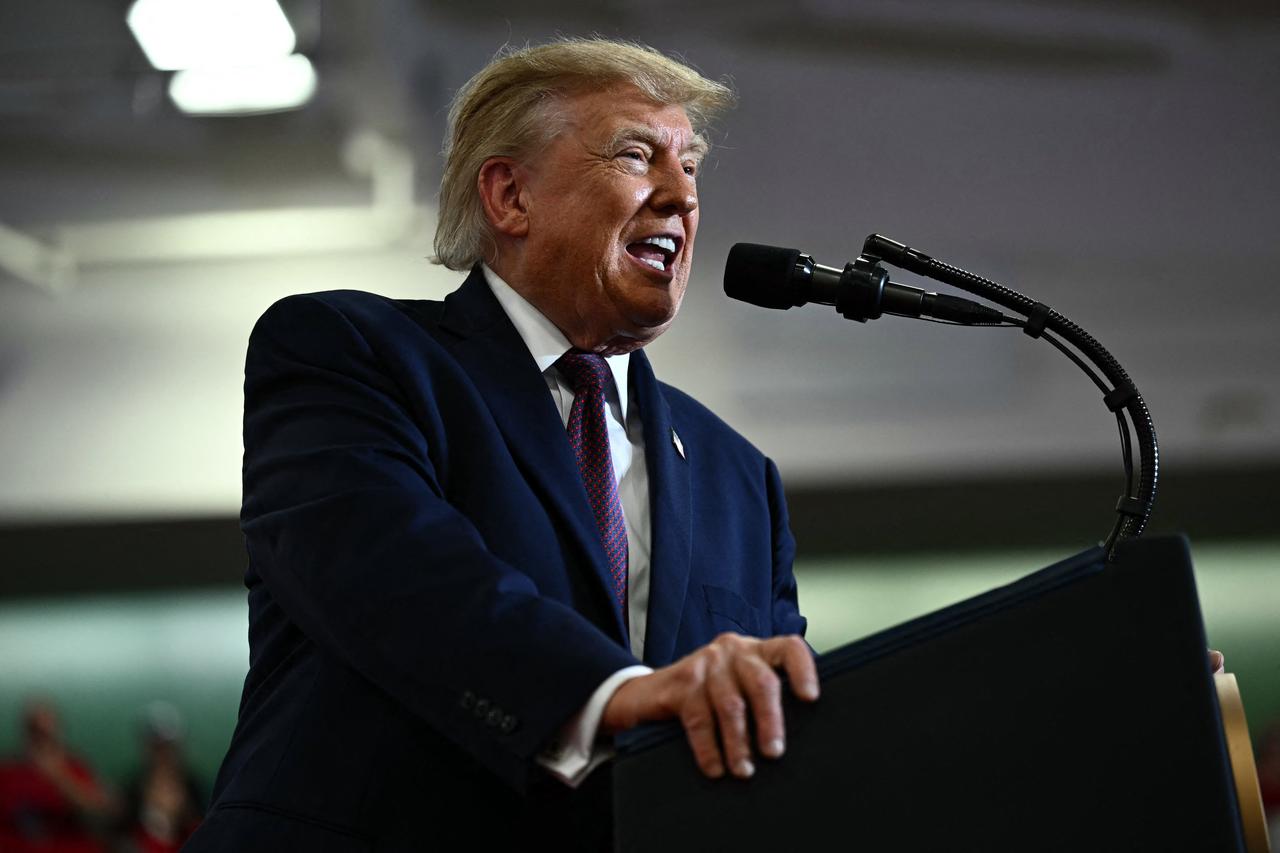
"Somebody asked me before, when will the war in Iran end?" Trump said Tuesday in Lubbock, Texas. "I said, ‘Whenever I want it to end.’ It’ll be very quick, but we have to have it end properly, with total and complete, a total statement, they will never have a nuclear weapon."
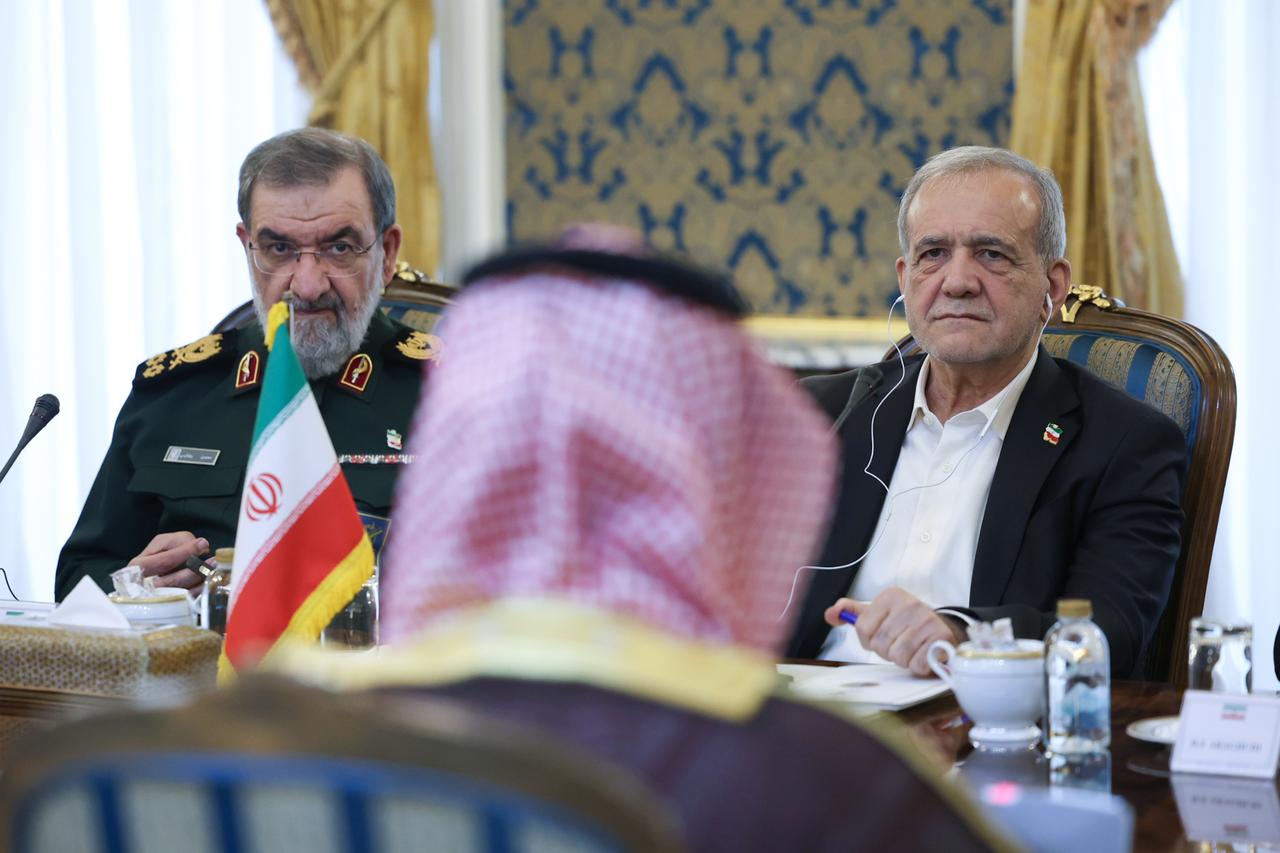
Trump also denied a Wall Street Journal report that he tasked Vice President JD Vance with restarting talks with Iran. WSJ said Vance sent a letter to Iran’s top security official, Mohsen Rezaei.
"No. Iran needed help with medical supplies. He asked me what I thought about that, and I said ‘OK.’ In short, supplies are being provided to help patients," Trump said.
Israel's inconclusive election could allow Prime Minister Benjamin Netanyahu to launch a new bombing campaign with the U.S. as caretaker prime minister, Israeli security experts told the Financial Times (FT).
Netanyahu had instructed the military to prepare for a multi-day bombing campaign on the weekend of Oct. 10, but it did not proceed without Trump’s green light, the FT reported, citing people briefed on the matter.
"He doesn’t have legal constraints," said Danny Citrinowicz, a former Iran analyst with Israeli military intelligence. "The IDF was against initiating war now, but when Trump calls him and says ‘this is the time’, they won’t say no."
Opposition leader Gadi Eisenkot said Netanyahu lacked the "mandate or the people’s trust" for any military move. "Netanyahu, do not dare use Israel’s security for your political needs," he said.
On Feb. 28, the U.S. and Israel launched a war against Iran, which responded with attacks on Israel and U.S. military facilities in Arab countries.
On June 18, Washington and Tehran signed a memorandum of understanding and began negotiations that later collapsed over disagreements, including navigation through the Strait of Hormuz, a strategic passage for global energy and goods supplies.


 Set as preferred source
 Set as preferred source


 2 min read

 1 min read