Newsletters


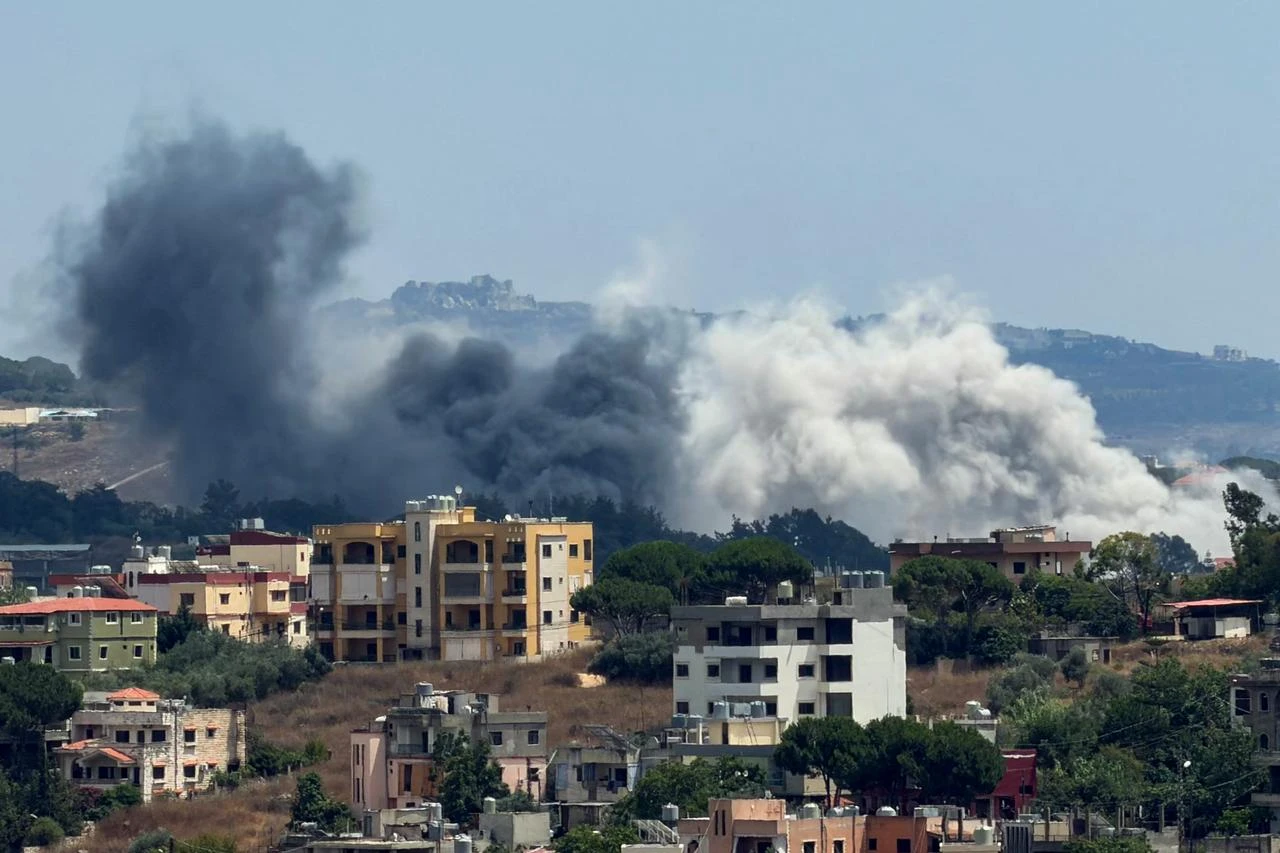


The United States on Saturday urged its citizens not to travel to Lebanon and northern parts of Israel, citing "high tensions" in the region.
"Due to high tensions in the Middle East, the security environment remains complex with the potential for unforeseen escalation," the U.S. Embassy in Beirut said in a statement.
The U.S. Embassy in Jerusalem issued a similar warning, saying Americans "should not travel to Gaza, Northern Israel, and the Egyptian border except for the Taba crossing, and reconsider travel to/through the Middle East."
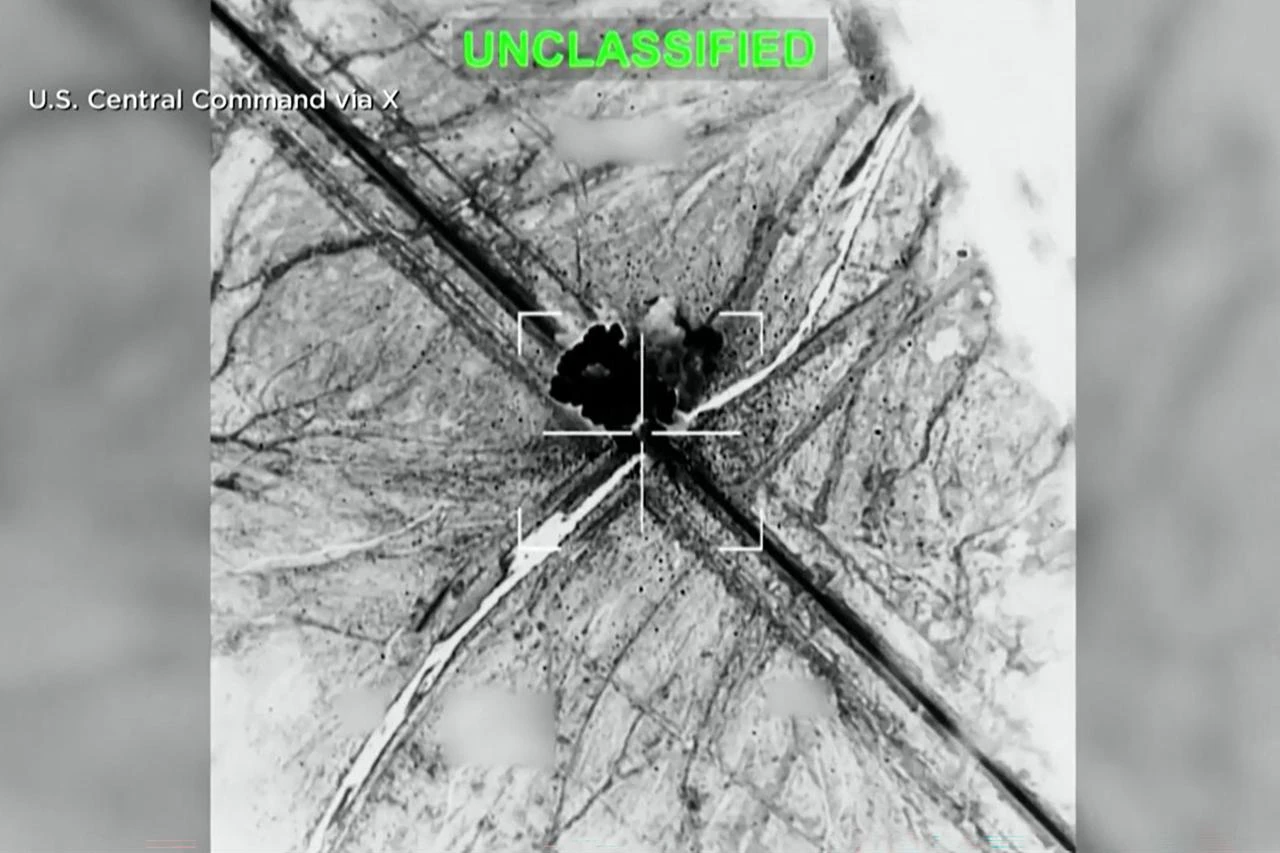
The warnings came amid heightened tensions in the Middle East, where the United States and Iran have exchanged attacks despite a Pakistan-brokered memorandum of understanding signed in June to end their war and reach a lasting peace agreement.
Lebanese President Joseph Aoun left Beirut for Washington, D.C., on Saturday, where he is expected to meet U.S. President Donald Trump, the Lebanese Presidency said.
Aoun will hold talks with several U.S. officials to discuss the situation in Lebanon and efforts to solidify the cease-fire with Israel, the presidency said in a post on X.
The discussions will also address efforts to "secure Israel's withdrawal from the Lebanese territories it occupies, and extend the authority of the Lebanese state throughout the country," Lebanese officials said.
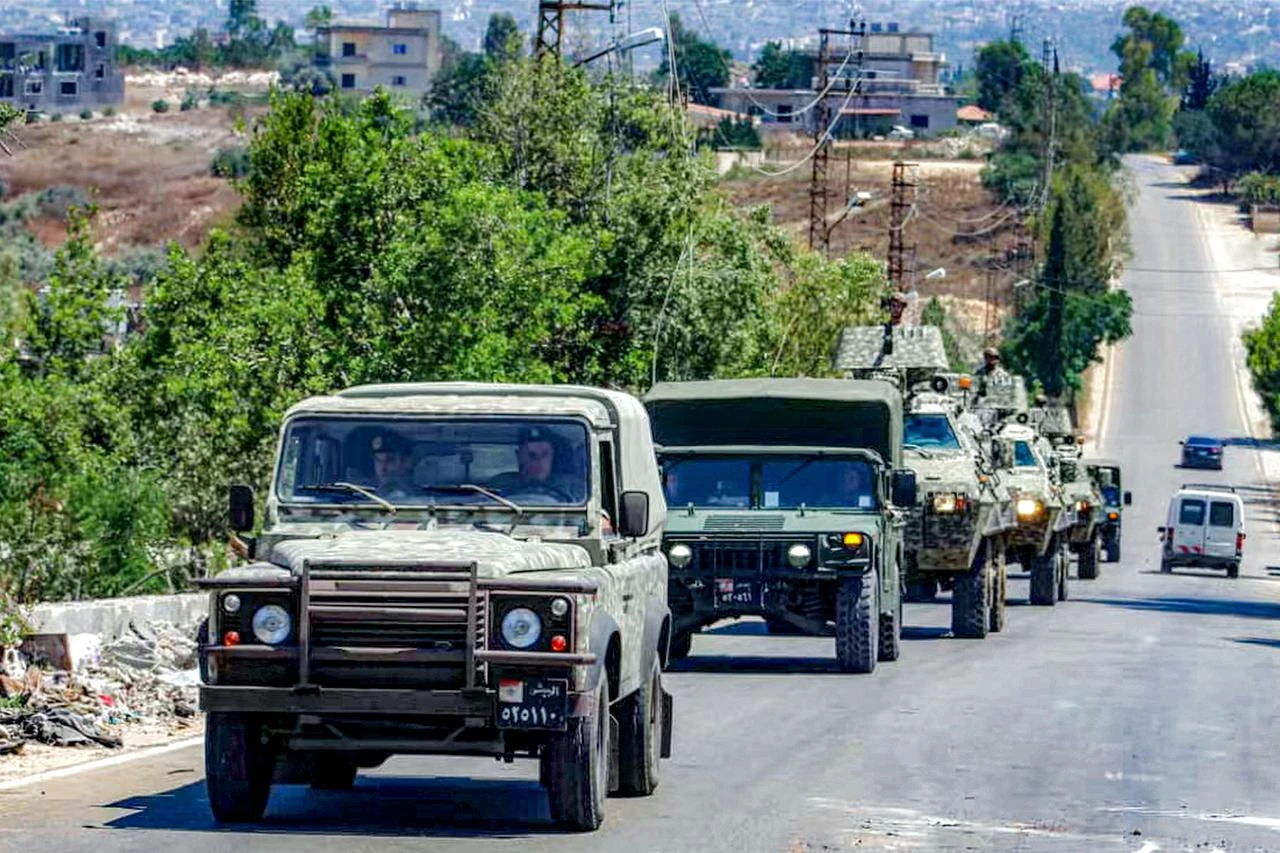

The visit comes after the sixth round of U.S.-sponsored Lebanese-Israeli negotiations concluded Wednesday in Rome.
Beirut and Tel Aviv signed a U.S.-mediated framework agreement on June 26.
The agreement provides for a phased Israeli withdrawal from all occupied Lebanese territory, beginning with a pilot model in two zones that have not been publicly identified.
It does not set a timetable for the withdrawal, linking its completion to the Lebanese army assuming full security responsibility in the evacuated areas and the disarmament of armed groups, in reference to Hezbollah.
Israeli attacks in Lebanon have killed more than 4,300 people and wounded 12,200 since March 2, according to official Lebanese figures.


 Set as preferred source
 Set as preferred source


 1 min read
 1 min read