Newsletters


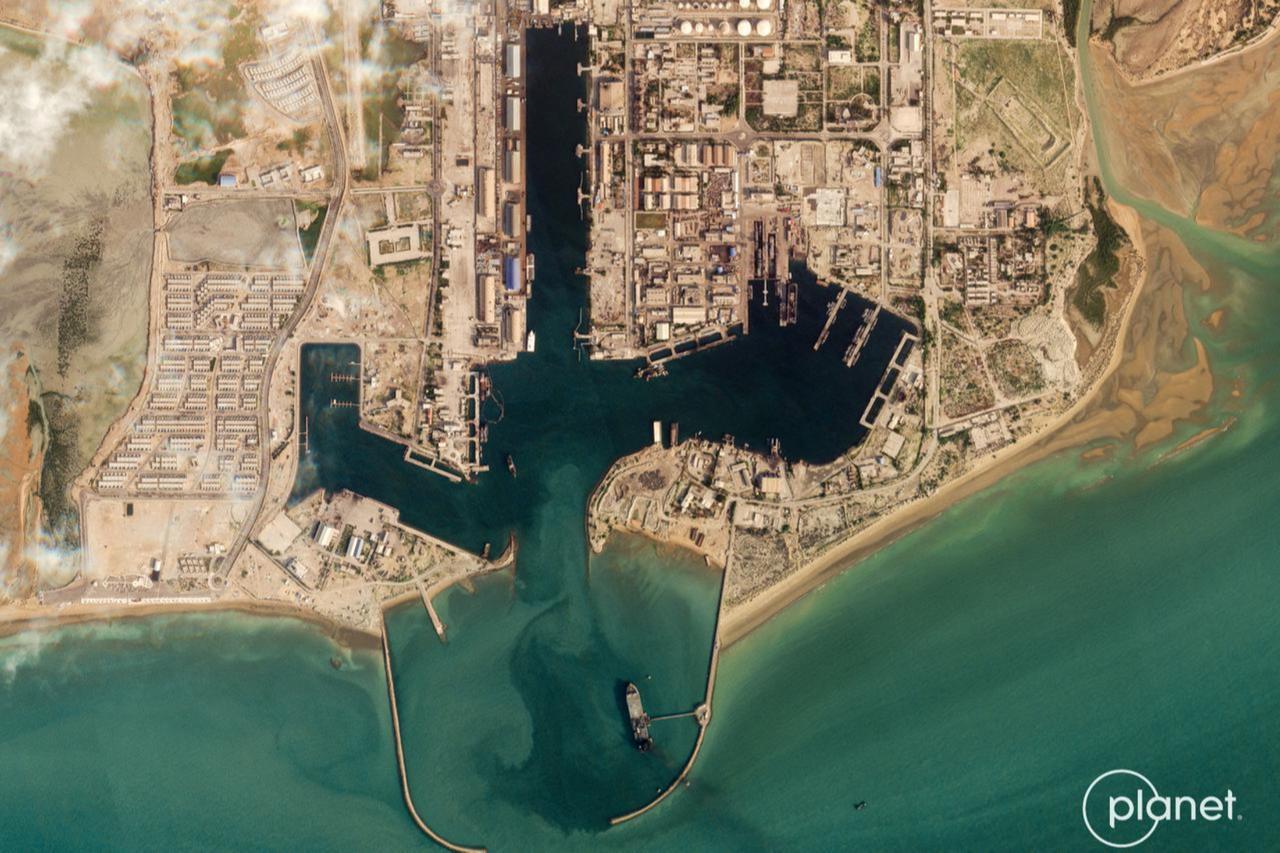


U.S. Central Command issued a direct warning to Iranian civilians on Wednesday to immediately vacate port facilities along the Strait of Hormuz, saying Iran's military has embedded naval forces and equipment inside commercial ports, effectively stripping those sites of their protected status under international law.
The statement, released from CENTCOM headquarters in Tampa, Florida, marks a significant escalation in rhetoric as the broader military conflict between the United States, Israel, and Iran enters its second week. By publicly designating civilian ports as potential military targets, the U.S. military appeared to be laying the legal and operational groundwork for possible strikes on Iranian port infrastructure.
"Civilian ports used for military purposes lose protected status and become legitimate military targets under international law," CENTCOM said, urging Iranian dockworkers, administrative personnel, and commercial vessel crews to stay away from Iranian naval vessels and military equipment.


The CENTCOM warning came after days of escalating threats from President Donald Trump and senior administration officials over Iran's effective closure of the strait, the world's most critical oil chokepoint.
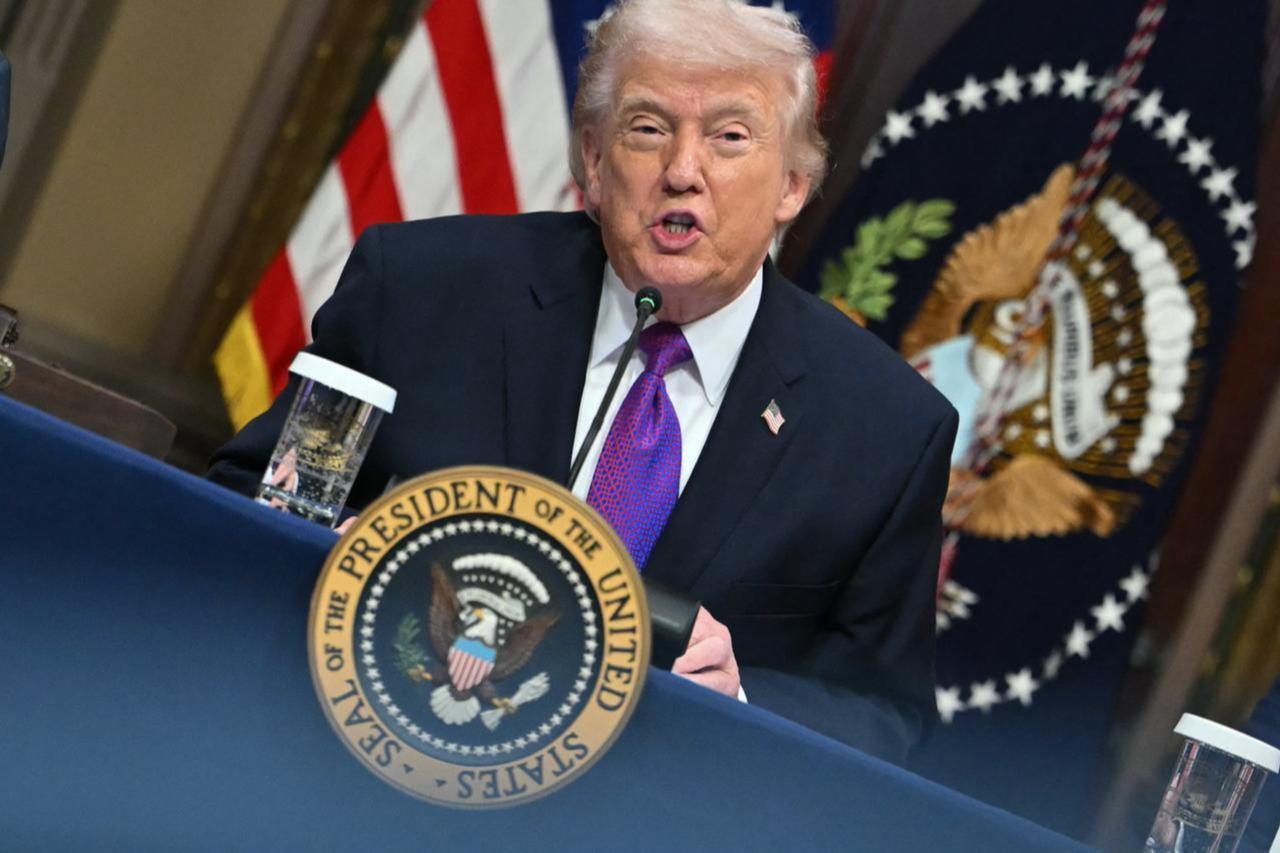
On Monday, Trump posted on Truth Social that Iran would "be hit by the United States of America TWENTY TIMES HARDER than they have been hit thus far" if it did anything to stop the flow of oil through the waterway. He went further, warning that the U.S. would target infrastructure that would make it "virtually impossible for Iran to ever be built back, as a Nation, again," adding: "Death, Fire, and Fury will reign upon them." Trump characterized the threat as "a gift from the United States of America to China, and all of those nations that heavily use the Hormuz."
In an interview with CBS News on Monday, Trump said the war was "very complete" and that he was "thinking about taking it over," referring to the strait. He also dismissed Iran's naval capabilities, reportedly telling associates that the U.S. had sunk all of Iran's ships and that commercial vessels "should go through the Strait of Hormuz and show some guts."
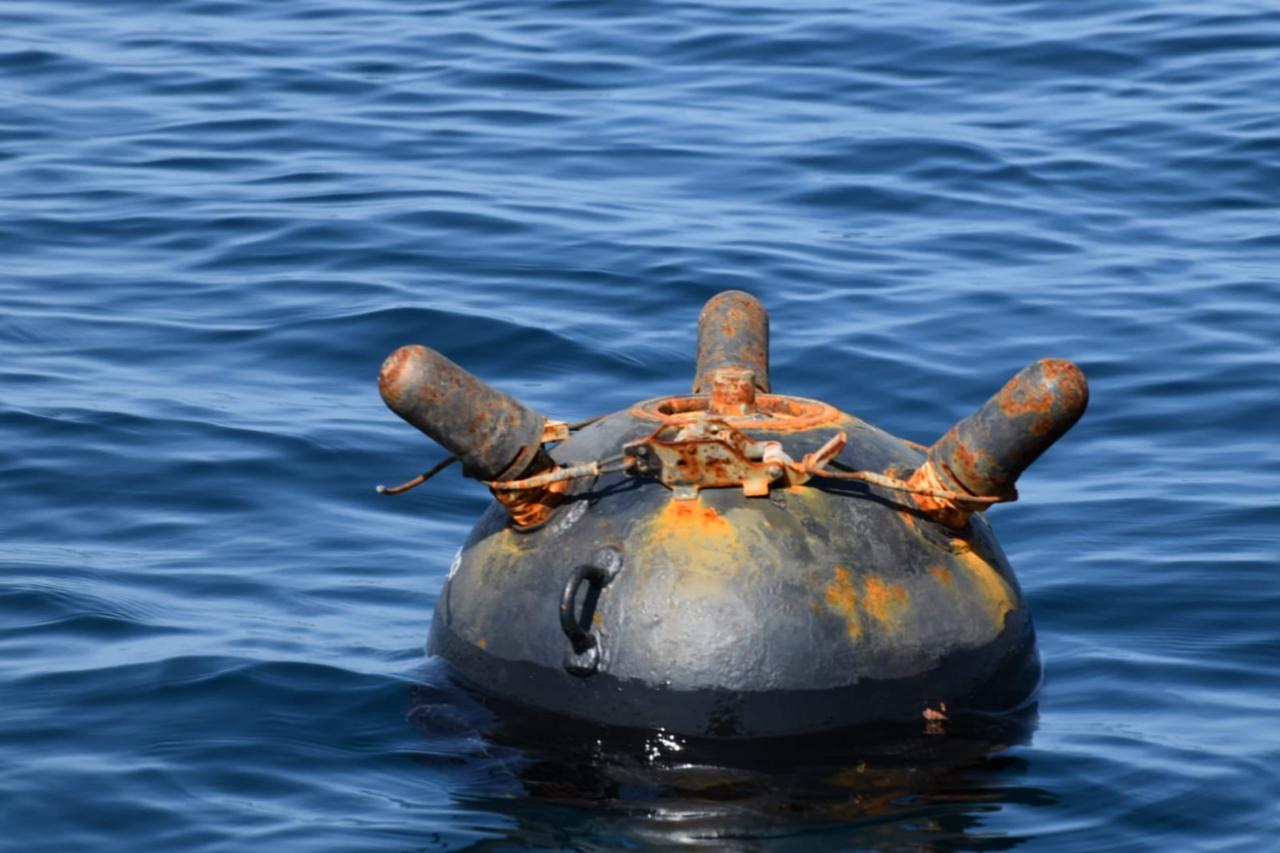
By Tuesday, Trump's tone shifted sharply after CNN and CBS reported that U.S. intelligence had detected Iran laying mines in the waterway. "If Iran has put out any mines in the Hormuz Strait, and we have no reports of them doing so, we want them removed, IMMEDIATELY!" he posted on Truth Social. He warned that failure to comply would bring military consequences "at a level never seen before," but also held out an olive branch, saying removal of the mines would be "a giant step in the right direction." Minutes later, Trump said the U.S. had destroyed 10 inactive mine-laying vessels in recent hours and that more strikes would follow. The U.S. military confirmed on Tuesday that it destroyed a total of 16 Iranian minelayers near the strait.
Senior Trump administration officials reinforced the president's messaging on Tuesday, though not without a notable misstep.
Defense Secretary Pete Hegseth said at a Pentagon briefing that Trump "takes very seriously the condition of that Strait" and that the U.S. has "capabilities that no nation on earth has." He posted on X that at Trump's direction, CENTCOM "has been eliminating inactive mine-laying vessels in the Strait of Hormuz, wiping them out with ruthless precision."
White House Press Secretary Karoline Leavitt vowed that "President Trump will not allow rogue Iranian terrorists to stop the freedom of navigation and the free flow of energy." She also promised that rising gas prices were temporary and that the operation would deliver lower energy costs in the long term.
However, the administration was forced into an embarrassing correction after Energy Secretary Chris Wright posted on X that the Navy had successfully escorted an oil tanker through the strait. Leavitt subsequently confirmed that "the U.S. Navy has not escorted a tanker or a vessel at this time." Wright's post was later deleted, with an Energy Department spokesperson blaming the error on staff who had "incorrectly captioned" the video.
Gen. Dan Caine, chairman of the Joint Chiefs of Staff, said the Pentagon is examining options for escorting commercial vessels through the strait, adding that officials are evaluating the risks and resources required. Sen. Chris Murphy, following a classified briefing, said the administration had "NO PLAN" for safely reopening the waterway, calling the situation "unforgiveable" because it was "100% foreseeable."


 Set as preferred source
 Set as preferred source


 2 min read

 1 min read