Newsletters




When Iranian missiles and drones targeted the nerve center of U.S. naval operations in the Middle East between late February and June, several strikes hit their mark, causing extensive damage that the Pentagon has not publicly acknowledged, according to a Wall Street Journal (WSJ) analysis of satellite imagery, social media footage, and interviews with current and former servicemembers.
The damage to the Naval Support Activity (NSA) Bahrain, the U.S. Navy's main base in the region, is now prompting a broader reassessment of America's military footprint across the Middle East, with Israel among the locations being considered for basing, U.S. officials familiar with the deliberations told the WSJ.
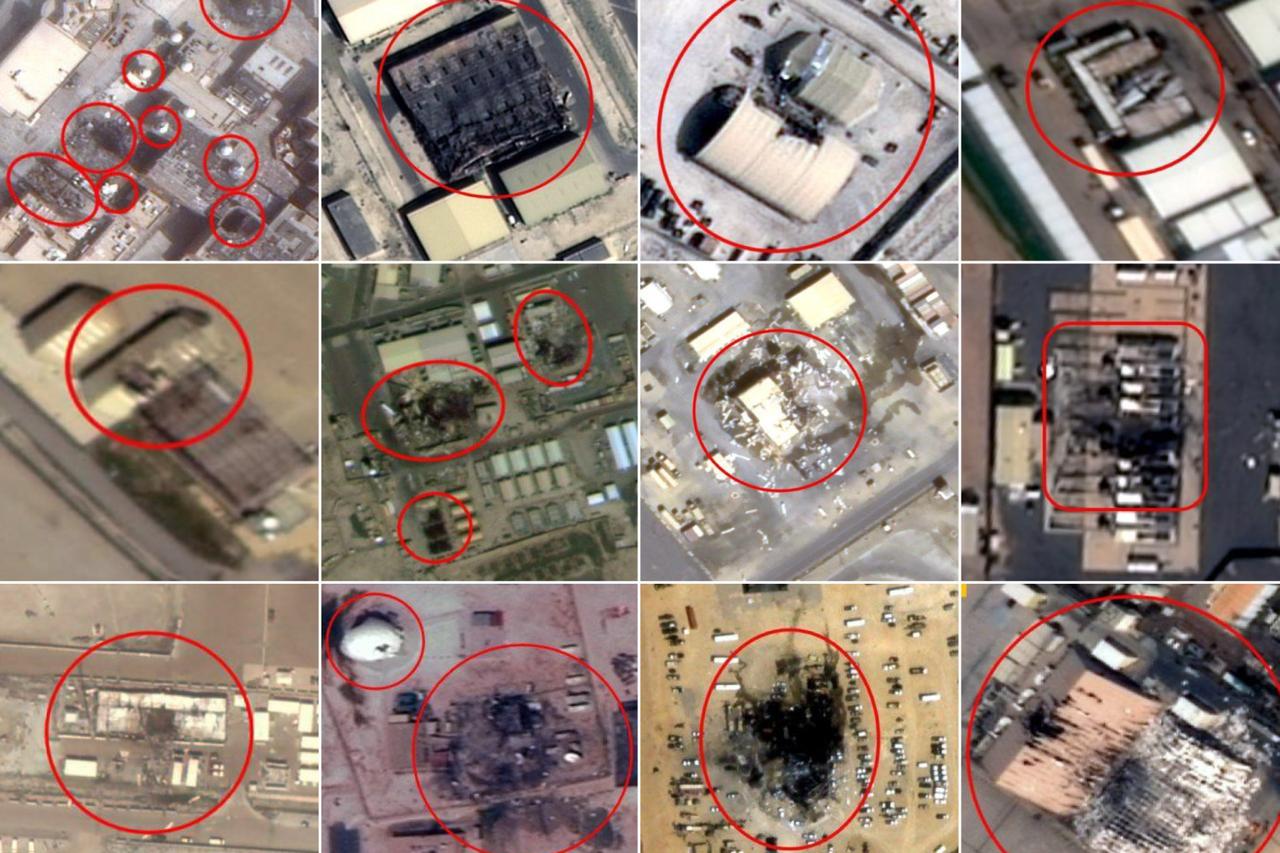
Strikes that got through at NSA Bahrain damaged the command headquarters and at least a dozen other buildings, along with two satellite communications terminals, the Journal found.
The military said no one was killed at the base and that the strikes did not significantly impact operations. The U.S. evacuated most personnel but kept a small staff on the ground.
"CENTCOM rightfully prioritized the protection of people over buildings, and our strategy of protecting people worked. Iran shot more than 8,000 missiles and drones and only two hits resulted in U.S. fatalities," Capt. Tim Hawkins, a spokesman for U.S. Central Command, told WSJ.
Hawkins said the U.S. military inflicted far more damage on Iran than it received, striking more than 13,500 targets over the course of the war.

Pentagon officials have frustrated lawmakers by declining to discuss the cost of U.S. damage with Congress.
Pressed for an estimate at a May congressional hearing, Defense Secretary Pete Hegseth replied: "What is the cost of Iran obtaining a nuclear weapon?" Pentagon comptroller Jay Hurst told Congress last month that the department's estimated $29 billion cost of the war did not include damage to U.S. bases.
The Center for Strategic and International Studies (CSIS) estimated in a report that the total cost of the war was approximately $40 billion, including an estimated $2.2 billion to $5.1 billion in damage to U.S. bases based on structures CSIS identified as damaged.
Using satellite imagery and social media footage, the WSJ identified specific damaged buildings on the Bahrain base. The base is divided into three sections: a waterfront ship operations area, the main administrative and command base, and a Navy-leased warehouse and annex complex. Iran struck all three, according to the Journal's analysis
The WSJ estimated reconstruction figures using a publicly available Defense Department cost model and procurement reports, covering construction only and excluding additional expenses like debris removal and reinforcement:
Mark Cancian, a retired Marine Corps colonel and senior adviser at CSIS who co-wrote the think tank's cost report, said building construction may represent the smaller part of the total cost depending on what equipment was inside the structures.
Two AN/GSC-52B satellite communications terminals, which enable near real-time military communication, were destroyed in the opening hours of Iran's retaliatory strikes, along with a communications management facility.
CSIS estimated each terminal cost about $20 million.
Beyond Bahrain, at least 20 U.S. sites across the region, including military installations and diplomatic facilities, sustained hits, according to the Journal. The cumulative damage is now driving the broader reassessment of the U.S. regional posture.
Speaking to the WSJ, Mackenzie Eaglen, co-chair of the National Commission on the Future of the Navy and co-author of an April American Enterprise Institute analysis of damage to U.S. bases, said the strikes "exposed weakness and vulnerabilities across the board."
The NSA Bahrain was built long before Iran possessed its current arsenal of precision missiles and drones, and the war revealed those vulnerabilities, according to retired Vice Adm. John "Fozzie" Miller, who commanded U.S. naval forces in the Middle East.
We've been there for more than 50 years, and the base grew up the way the base grew up," Miller said, adding, "I think there are some things we would do differently."
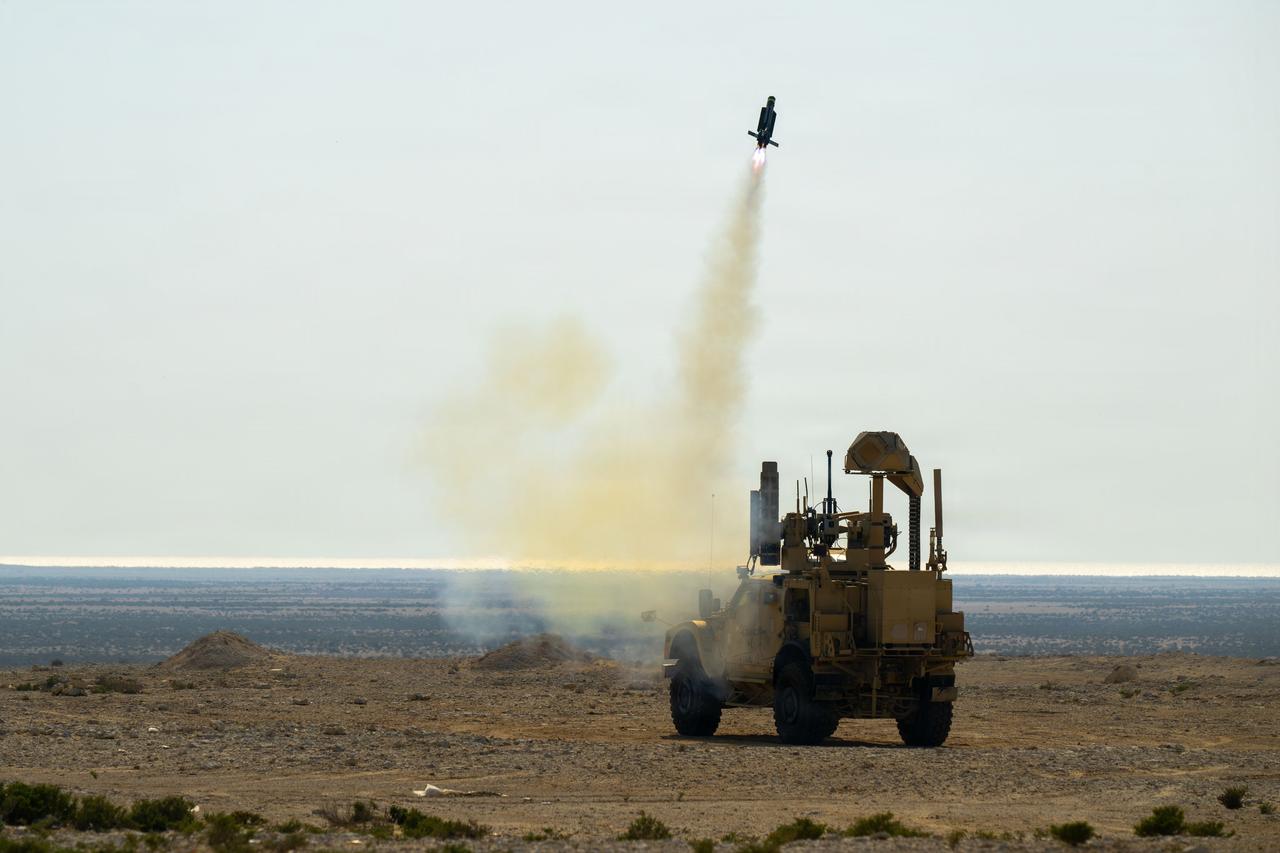
Located less than 150 miles from Iran's southern coast, the NSA Bahrain has anchored American naval power in the Middle East for more than three decades. The base could host every type of ship in the U.S. fleet and played a critical role in countering Iranian weapon smuggling, minelaying and tanker attacks.
It also served as the only U.S. posting in the Middle East where military families could live, functioning like a small American city complete with a softball field, restaurants, a naval exchange and a school.
"When I was there last time, they were having a dance party," said Cancian, who was based at NSA Bahrain twice.
Retired Navy Vice Adm. Kevin Donegan, who commanded U.S. naval forces in the Middle East, said he expects the U.S. to maintain a presence in Bahrain, which is considered a strong ally.
"We keep a Fifth Fleet headquarters there, and the question is probably not does that go away, but what does it look like when this is over?" he said.
 2 min read
Before the war, some military officials had warned that Gulf bases were exposed.
A proposal to move installations farther west was floated during Trump's first term but never acted upon.
"We defended our installations admirably, but the munitions that got through hit infrastructure required for us to conduct operations," said Ravi Chaudhary, a former assistant secretary of the air force, who spoke to WSJ.
"This is the byproduct of 10 years of Iran adapting its strike technologies for greater range and accuracy," Chaudhary added.


 Set as preferred source
 Set as preferred source


 1 min read