Newsletters


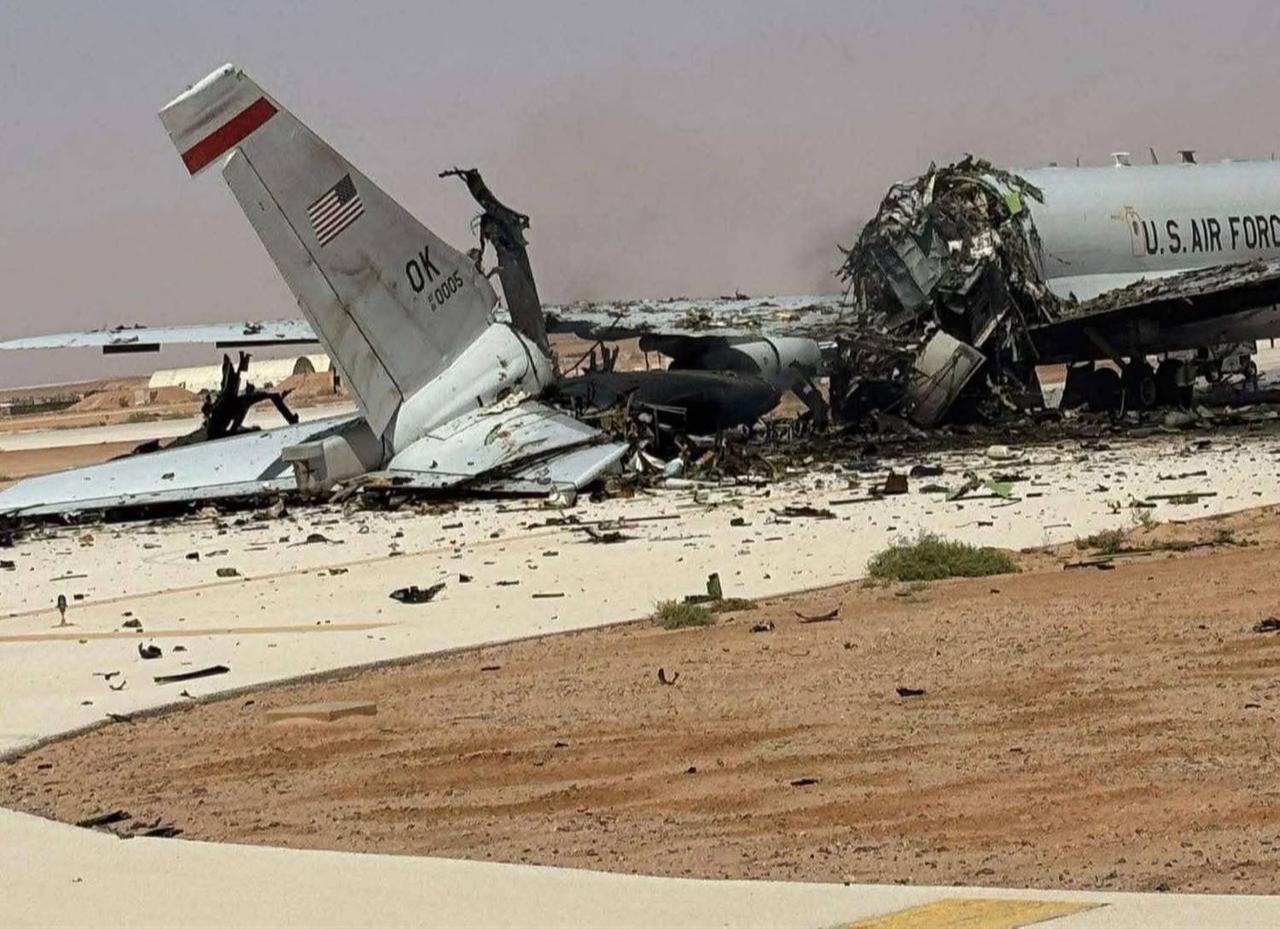
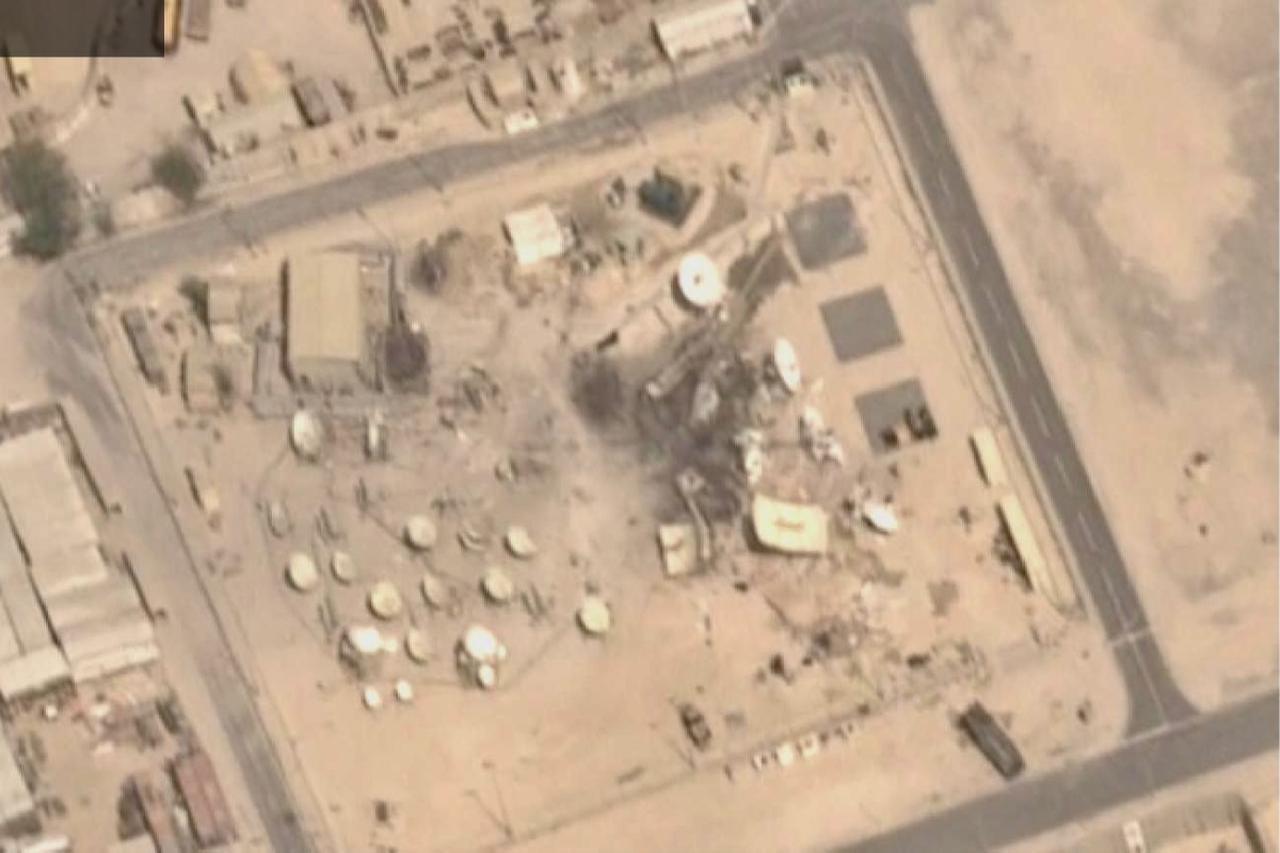
At least 16 U.S. military sites across eight Middle Eastern countries, constituting the majority of American military positions in the region, were damaged by Iranian strikes, with some rendered virtually unusable, a CNN investigation found.
Three sources told CNN the real cost of the war was closer to $40 billion-$50 billion rather than the $25 billion Pentagon comptroller Jules Hurst had stated to Congress.
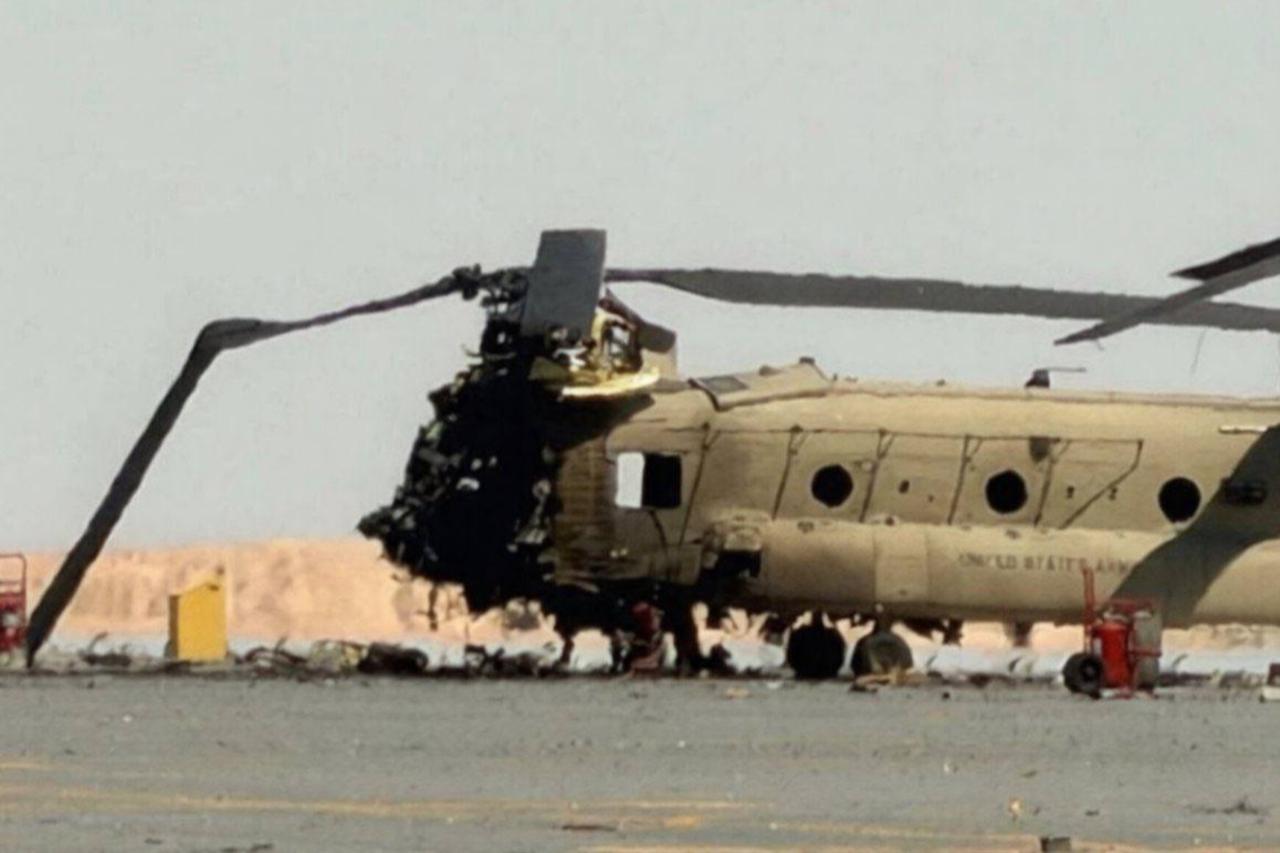
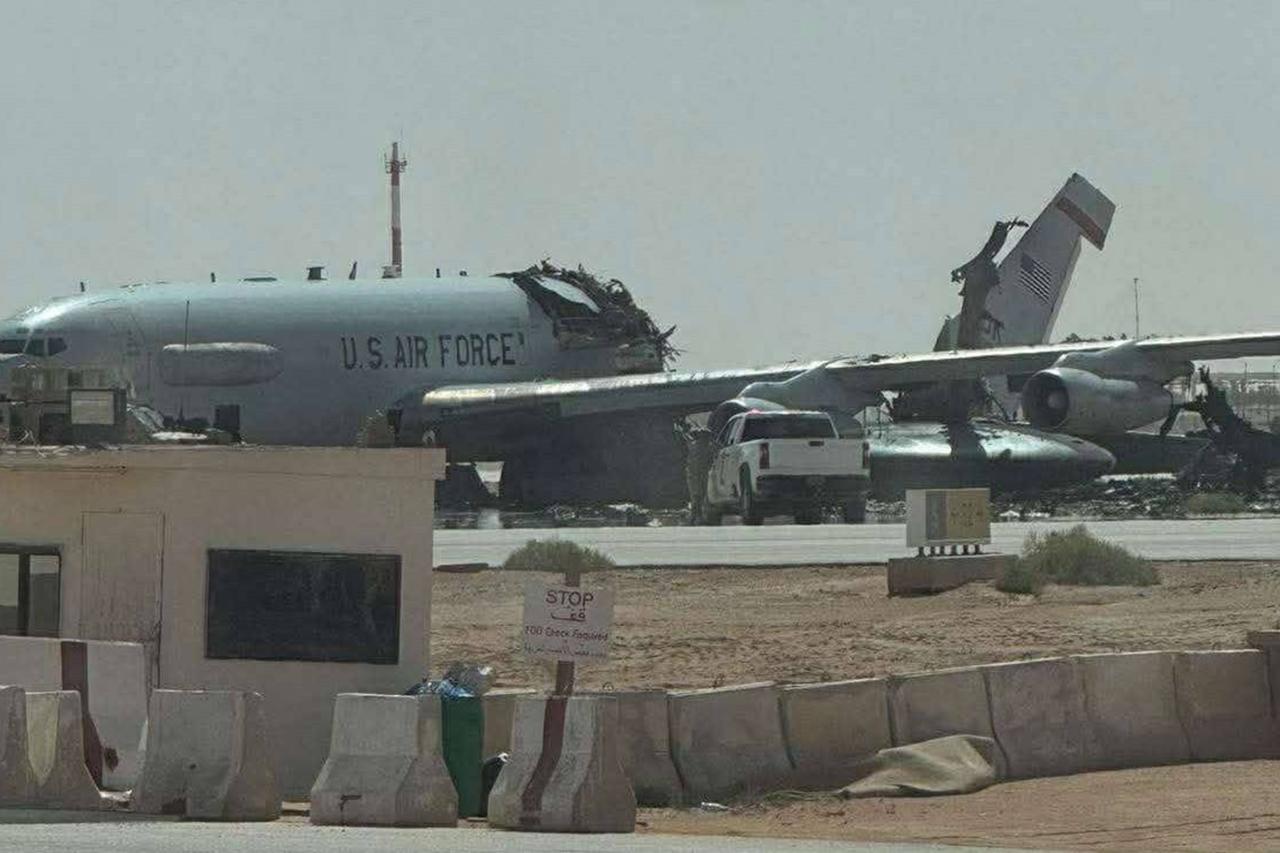
NBC News separately reported damage spanning runways, radar systems, dozens of aircraft, command headquarters, hangars and satellite communications infrastructure across seven countries, with a congressional aide saying: "No one knows anything. And it's not for lack of asking."
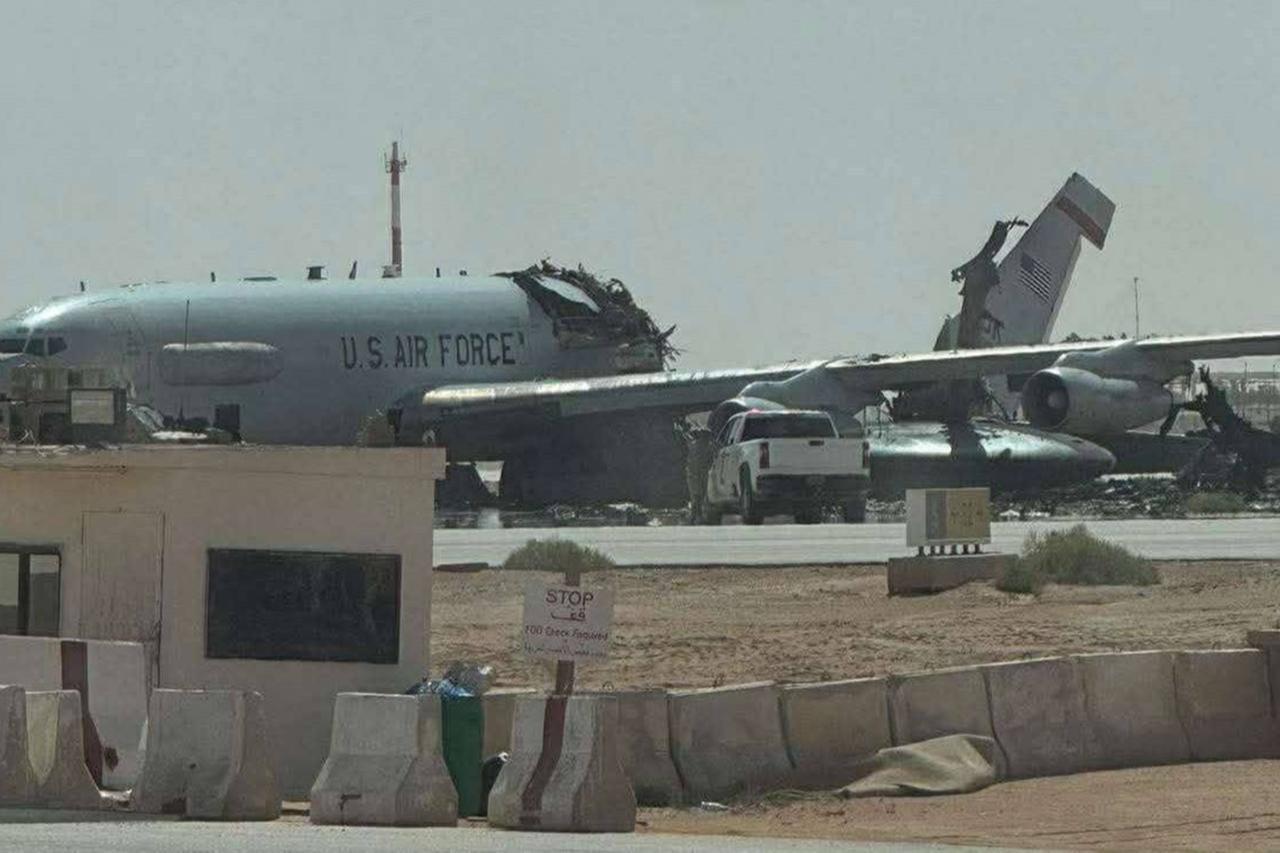

CNN's investigation, based on dozens of satellite images and interviews with U.S. and Gulf Arab sources, found at least 16 American military sites across eight countries had been damaged.
A congressional aide familiar with the damage assessments said the sites constituted the majority of U.S. military positions in the Middle East.
"There has been a spectrum of assessments, from a pretty dramatic side, of the whole facility is destroyed and needs to be shut down, to leaders who say these things are worth repairing due to the strategic benefit they give the U.S.," one source said.
Another source said, "I've never seen anything like this."
Iran's main targets included advanced U.S. radar systems, communications systems and aircraft, among the most expensive and difficult-to-replace assets in the region.
"It's notable they really identified those facilities as the most cost-effective targets to hit. Our radar systems are our most expensive and our most limited resources in the region," the congressional aide said.
NBC News detailed extensive damage:
Other damaged assets included at least one fighter jet, a dozen MQ-9 Reaper drones, two MC-130 tankers, helicopters and the E-3 Sentry.
CNN separately reported that THAAD radar systems at two UAE locations appeared to have been destroyed in satellite imagery.
A Saudi source told CNN: "This war showed that the alliance with the U.S. is neither unique nor invincible." Gulf Arab nations hosting U.S. bases were said to be privately criticizing the Trump administration for starting the war without prior consultation.
Three sources told CNN the real cost estimate was closer to $40 billion-$50 billion once base reconstruction and asset replacement were factored in.
Hurst had told Congress the $25 billion figure was "mostly munitions," and separately told Pentagon budget briefers that the department did not "have a final number for what the damage is to our installations overseas" and that it depended "on how we decide to rebuild those, or if we do."
He confirmed the repair cost was "not reflected" in the Pentagon's $1.5 trillion FY2027 budget request, adding, "Our partners also might contribute a share for that construction."
Speaking to NBC News, American Enterprise Institute (AEI) senior fellow Mackenzie Eaglen said: "As part of Epic Fury, the potential future costs to rebuild American military infrastructure overseas may include repair, reconstruction, outright replacement, or even abandonment/decommissioning of locales."
"War damage also includes estimated costs for infrastructure that is unsalvageable," she added.
Some Republican lawmakers privately expressed dissatisfaction with Pentagon officials for refusing to detail damage or repair costs, even as the Pentagon sought a record-high budget.
"No one knows anything. And it's not for lack of asking. We have been asking for weeks and not getting specifics, even as the Pentagon is asking for a record-high budget," one congressional aide told NBC.
The Pentagon declined to provide battle damage assessments, with a spokesman saying, "We do not discuss battle damage assessments for operational security reasons. Our forces remain fully operational and we continue to execute our mission with the same readiness and combat effectiveness."
The U.S. and Israel launched strikes on Iran on Feb. 28, prompting retaliation from Tehran against Israel and U.S. allies in the Gulf, as well as the closure of the Strait of Hormuz.
A two-week ceasefire was announced on April 8 through Pakistani mediation and followed by direct talks in Islamabad on April 11-12, though no lasting agreement was reached.
U.S. President Donald Trump later extended the ceasefire without setting a new deadline, following a request from Pakistan.
Since April 13, the U.S. has imposed a naval blockade targeting Iranian maritime traffic in the waterway.


 Set as preferred source
 Set as preferred source


 1 min read
 1 min read