Newsletters


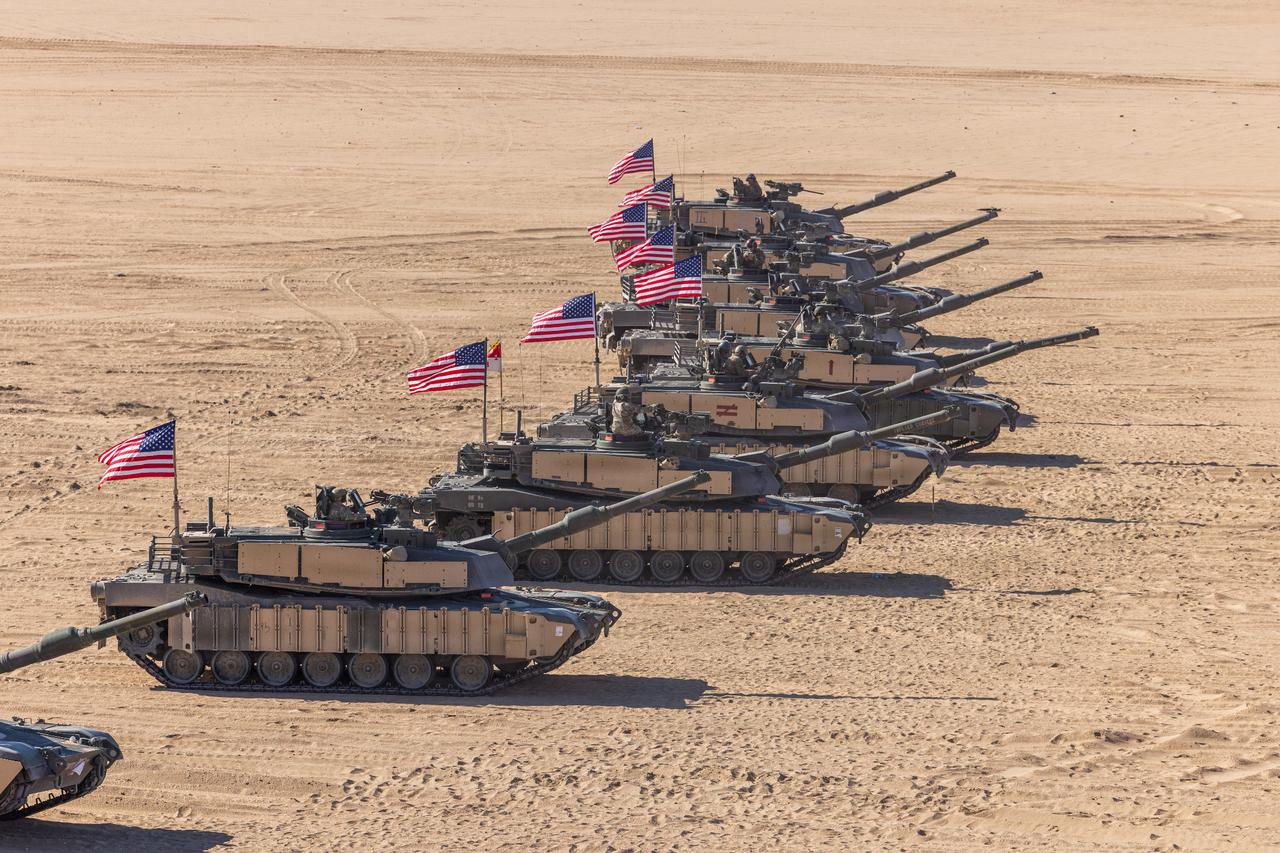


U.S. Secretary of State Marco Rubio said Tuesday that the Trump administration will honor its defense commitments to Saudi Arabia, while Washington works to see whether the kingdom's conflict with Iran-backed Houthi rebels can be resolved without direct U.S. military intervention.
"We have a defense agreement with Saudi Arabia. We intend to live up to our commitments on it," Rubio said in an interview on Fox News.
"We are working to see if this thing can be fixed. But ultimately, if it comes down to it, the United States will always stand with Saudi Arabia and support them because we have an agreement with them to do so," he added.
Rubio declined to discuss details of U.S.-Saudi conversations but added: "Suffice it to say that we will live up to our commitments to them."
He described the conflict between Saudi Arabia and the Houthis as "very dangerous and complicated."
The U.S. and Saudi Arabia signed a Strategic Defense Agreement in November 2025 intended to strengthen their defense partnership and "strengthen deterrence and countering threats in the Middle East."
The pact has taken on new significance as the Houthis, who seized the entirety of Yemen's Red Sea coast and areas adjacent to the Bab el-Mandeb Strait in a rapid offensive, continue exchanging attacks with Saudi Arabia, which backs Yemeni government forces fighting the group.
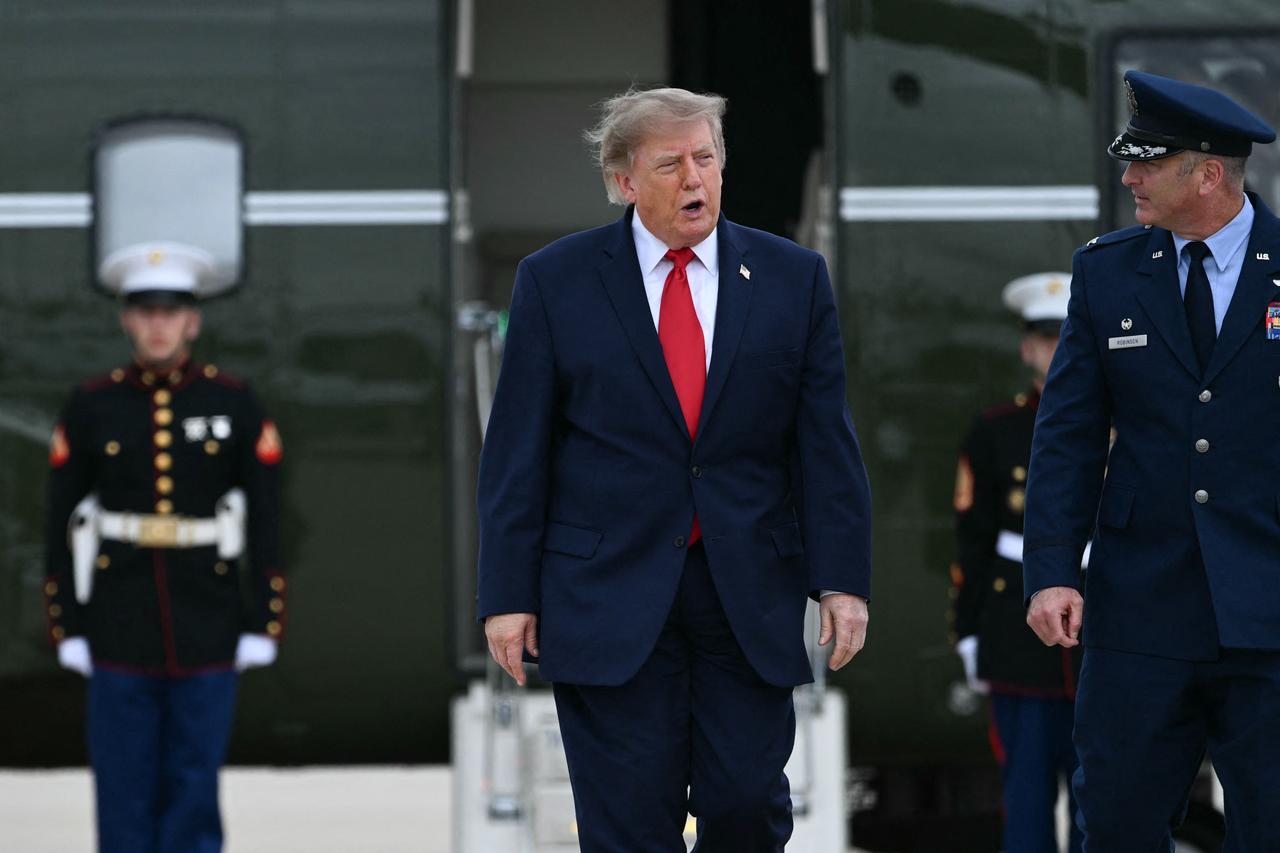
Separately, Rashad al-Alimi, head of Yemen's Saudi-backed Presidential Leadership Council, held a call with U.S. President Donald Trump in which he requested American support against the Houthis, a source in Alimi's office told Agence France-Presse (AFP).
Trump did not promise military support during the Sunday call, the source said, describing it instead as a show of solidarity with Yemen's government after the Houthis seized the country's entire Red Sea coast.
Alimi's request came after a Houthi attack on Riyadh on Saturday, the group's first to target the Saudi capital in years.
U.S. media have reported that Saudi Crown Prince Mohammed bin Salman has separately urged Trump to strike the Houthis directly, who have repeatedly attacked the kingdom since July.
The New York Times reported the crown prince called Trump on Sunday "to implore him, again" to help counter the group's advances, while Axios previously reported Trump had rebuffed a similar request the week before.

Trump said Sunday that the Houthis have agreed not to attack the United States, according to Fox News, even as the group escalates its campaign against Saudi Arabia.
Fox correspondent Trey Yingst cited Trump saying Washington is "in constant communication with the Houthis and that they've agreed not to fight the United States." Trump made a similar claim earlier this month during a visit to Ireland: "The Houthis called us and they don't want to fight with us. They don't want us to go after them."
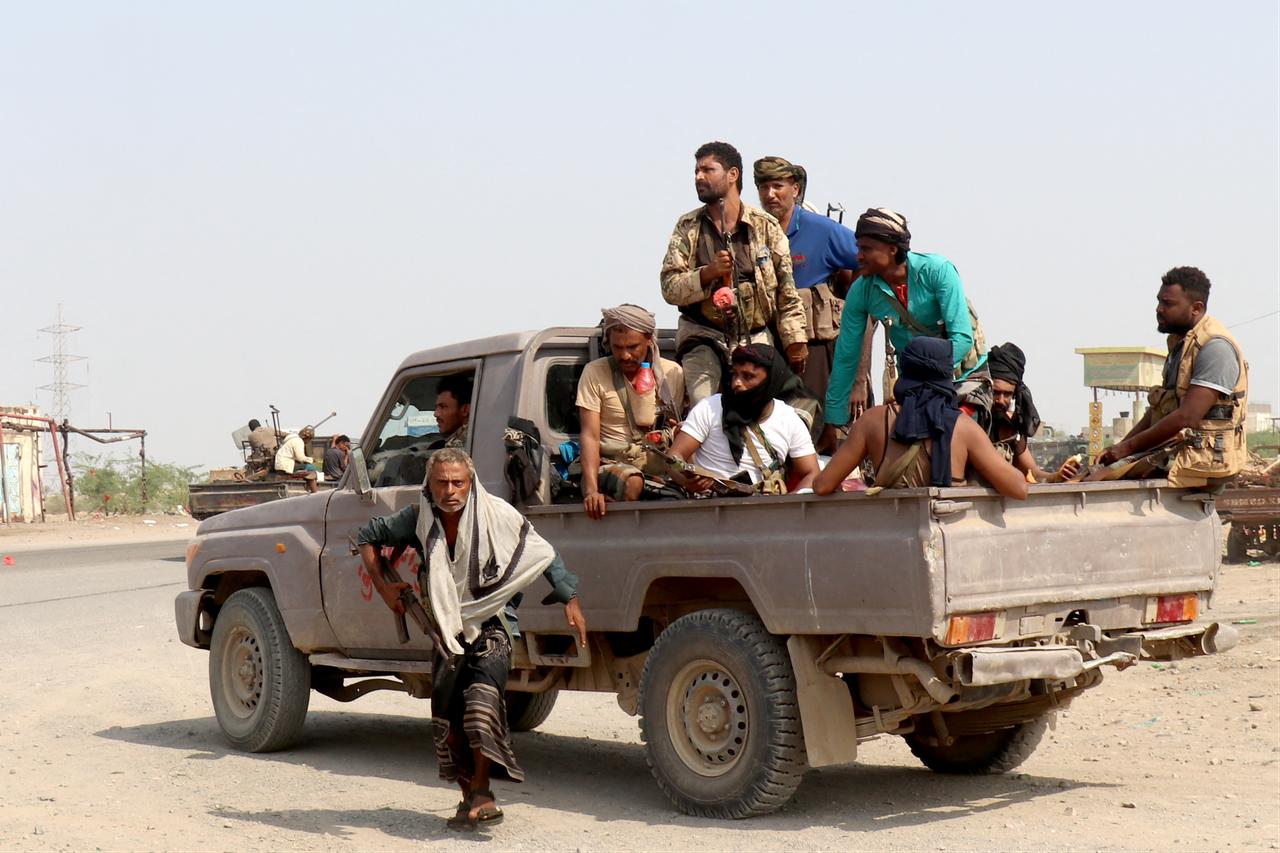
The Houthis have seized strategic coastal areas overlooking the Bab el-Mandeb after taking them from Saudi-backed government forces, cementing Iran and its allies' hold over two key waterways that the wider Gulf, including top crude exporter Saudi Arabia, relies on to ship oil.
A fragile 2022 truce between the Houthis and Yemen's government collapsed in July after the group allowed an Iranian plane to land in Sanaa in defiance of Riyadh's control over Yemeni airspace, triggering a new wave of attacks; the Houthis later declared a maritime blockade on Saudi Arabia and began striking its ships and territory.
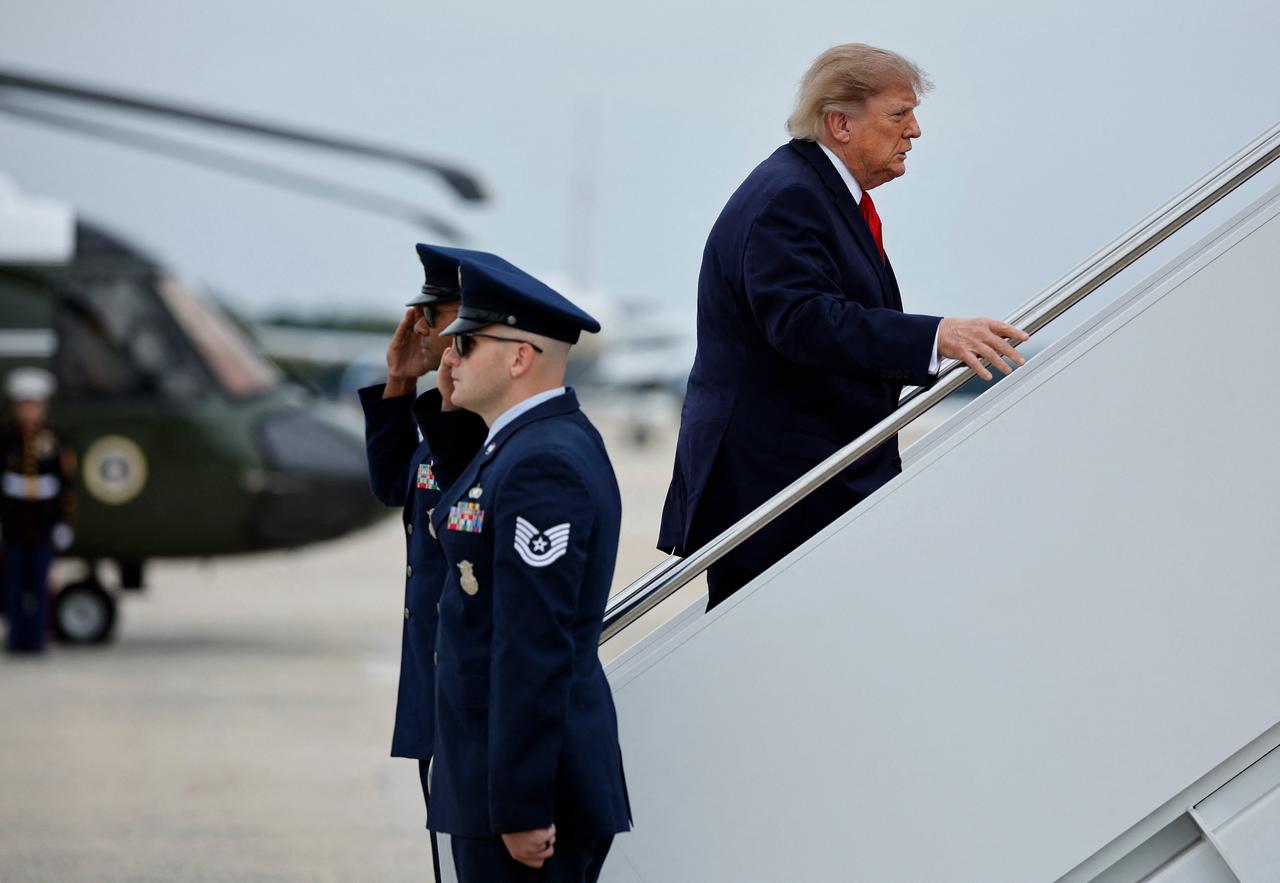
Rubio's remarks come amid reported division within the Pentagon over whether the U.S. should directly intervene.
According to two U.S. officials cited by NBC News, some military leaders have argued that opening another front would be a mistake given the Pentagon's dwindling supply of defensive and long-range weaponry and the fact that the Houthis have not been striking U.S. ships, while others have argued the U.S. should help Riyadh retaliate, warning that inaction risks appearing to betray an important regional ally.
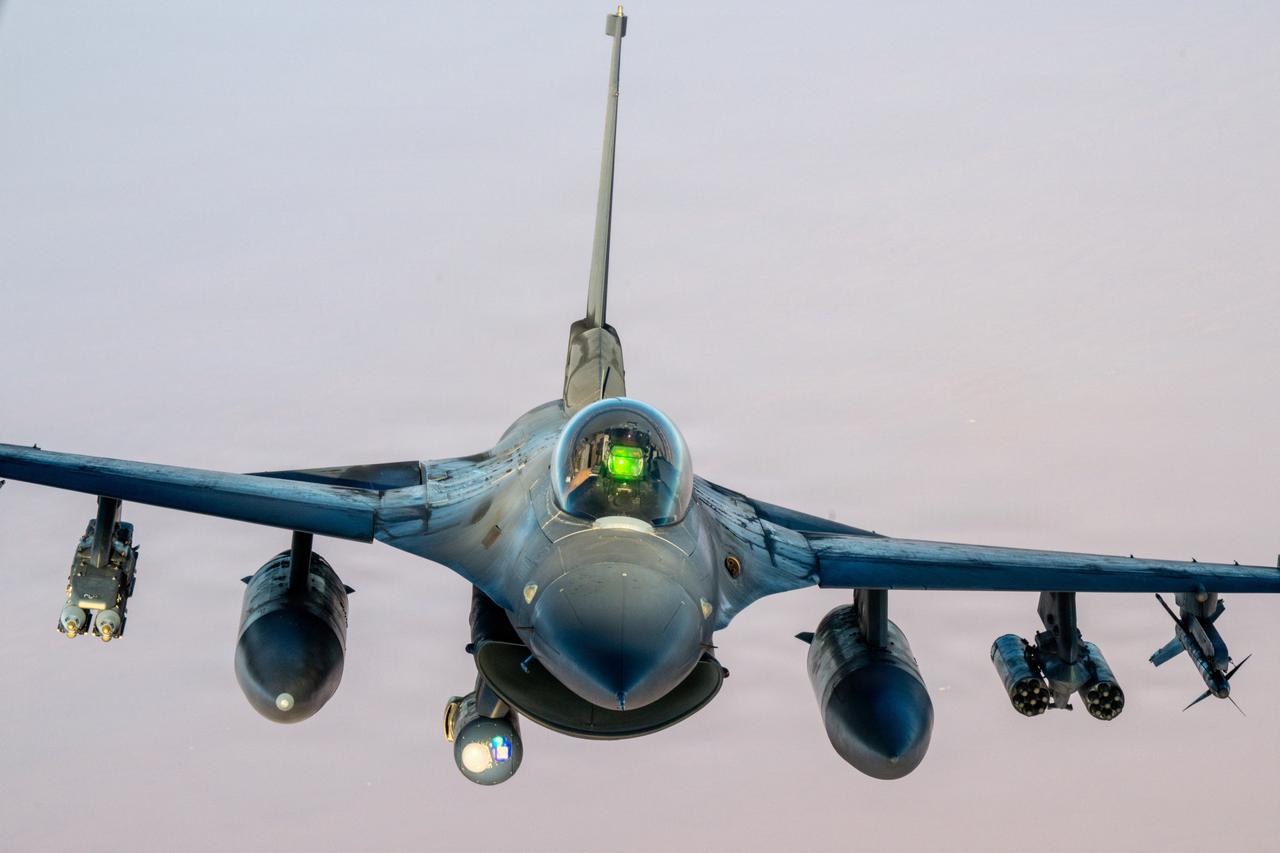
Trump had ordered strikes against the Houthis to begin around 5:00 p.m. Eastern time on Sunday, but the military was notified shortly after 2:00 p.m. that the order had been canceled, according to the officials, who said Trump has not ruled out future military action.
One senior U.S. military leader in the region reportedly warned that action against the Houthis could create "unmitigated risk" to U.S. troops elsewhere in the Middle East and to the broader Iran war mission, including the naval blockade and security operations in the Strait of Hormuz, though the same official reportedly said U.S. forces could still carry out both missions while mitigating some of that risk.
Trump had shown little interest in acting until Thursday, when Prince Mohammed told him by phone that the kingdom "cannot succeed alone," according to one of the officials.
Following that call, Joint Chiefs Chairman Gen. Dan Caine called an emergency meeting in the Pentagon's high-security "Tank" conference room to review strike options, canceling a planned trip to Copenhagen for a NATO chiefs of defense meeting in the process.
The New York Times separately reported that military commanders had already approved target lists and personnel were loading munitions onto designated aircraft when Trump suspended the operation.
The internal Pentagon divide reflects the broader strain facing Trump as the U.S. remains locked in its war with Iran amid weapons shortages, even as a key Gulf ally presses for more direct support.
Tensions between Washington and Riyadh over the Iran war are not new: in May, Saudi Arabia was caught off guard by a Trump announcement on helping ships through the Strait of Hormuz and responded by suspending the U.S. military's use of its bases and airspace, prompting Trump to reverse the decision.
Between 100 and 200 U.S. military advisers are currently in Saudi Arabia providing targeting and geospatial intelligence support for Saudi operations against the Houthis, according to CNN, though Riyadh has repeatedly pressed Washington to do more, including direct assistance with strikes.


 Set as preferred source
 Set as preferred source


 2 min read
 1 min read