Newsletters


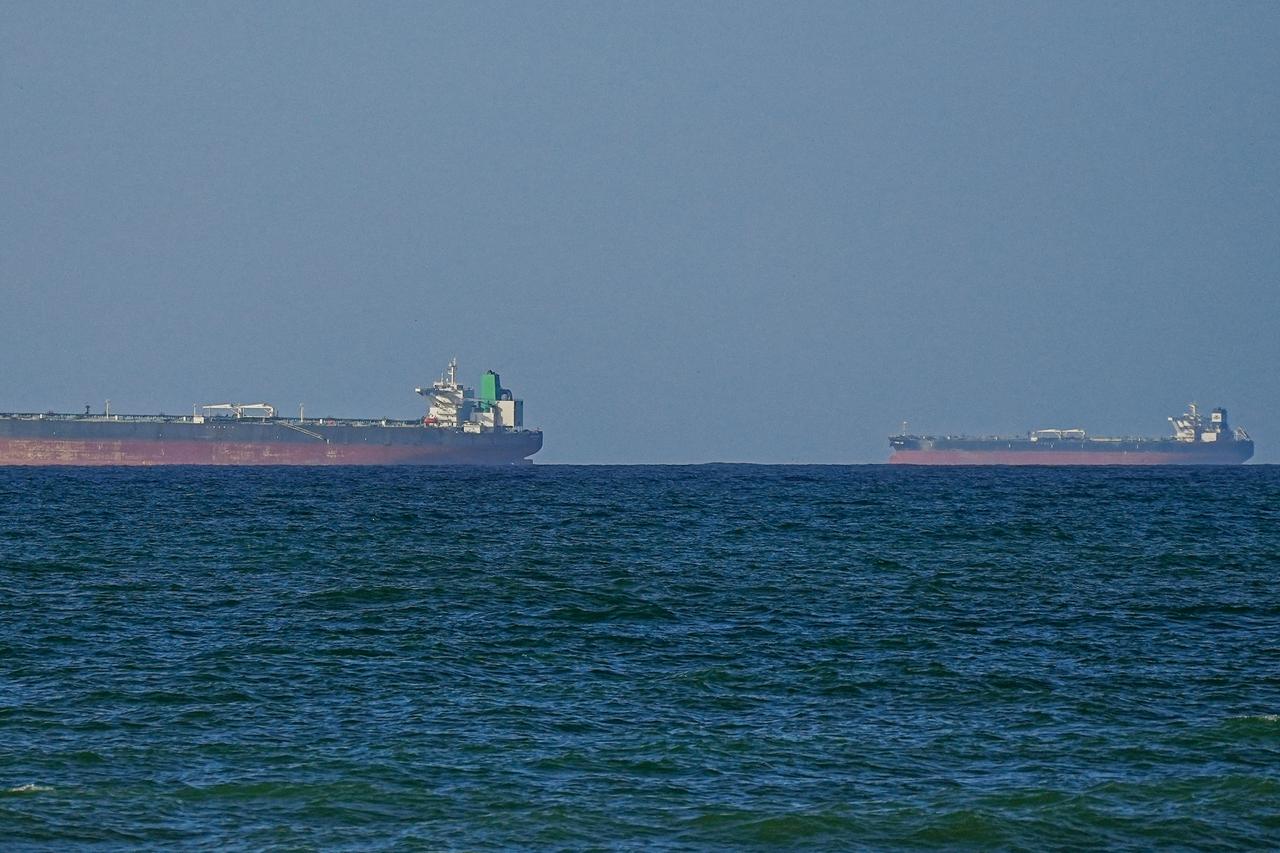


U.S. President Donald Trump declared that Washington will block any attempt by Iran to impose fees on vessels passing through the Strait of Hormuz, sharpening his stance ahead of direct talks with Tehran in Islamabad.
Speaking before departing Washington on Friday, Trump warned that the U.S. would not tolerate restrictions on one of the world’s most critical shipping routes. "Now we're going to open up the Gulf, with or without them… and if it doesn't, we'll be able to finish it off one way or the other. It's going well," he said.
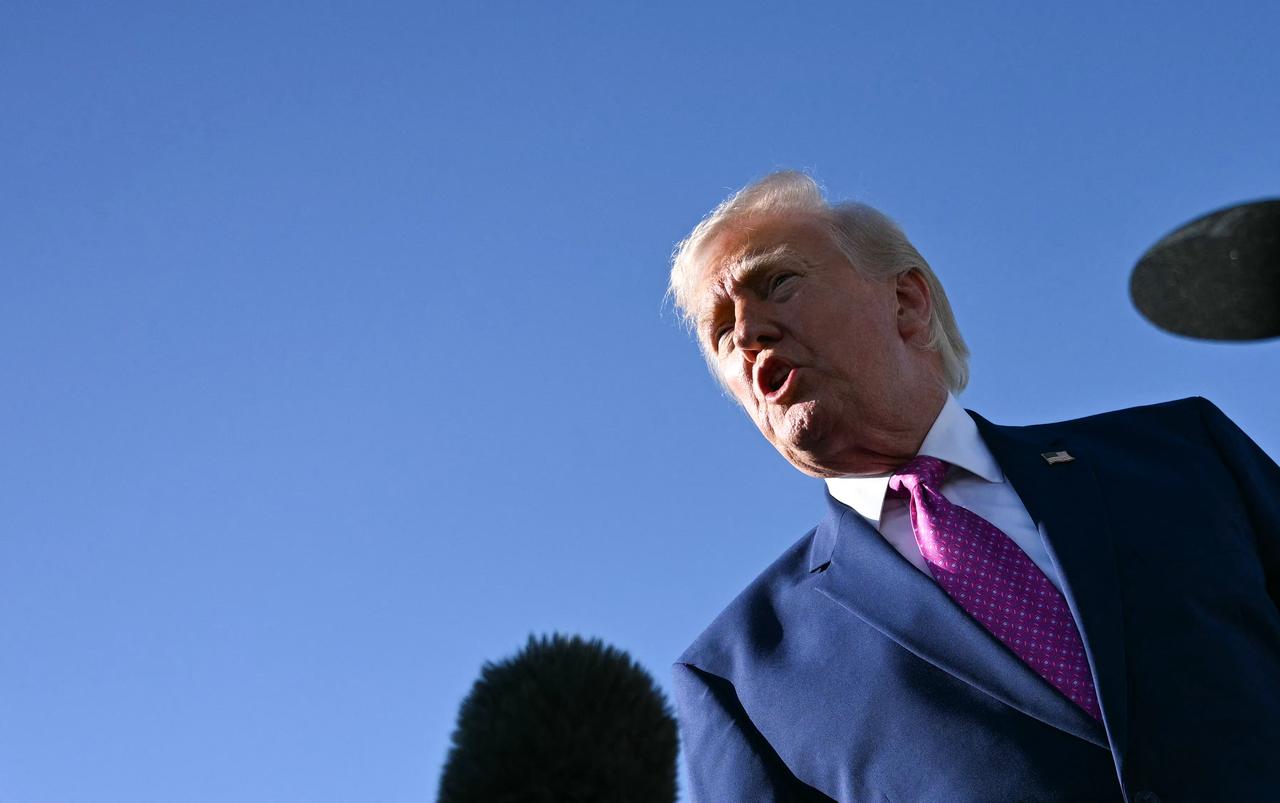

He stressed that the United States is "not going to let" Iran charge tolls on ships transiting the waterway, adding that access will be restored "automatically."
Trump also pointed to potential international backing, noting that “other countries” are ready to assist, though he did not identify them.
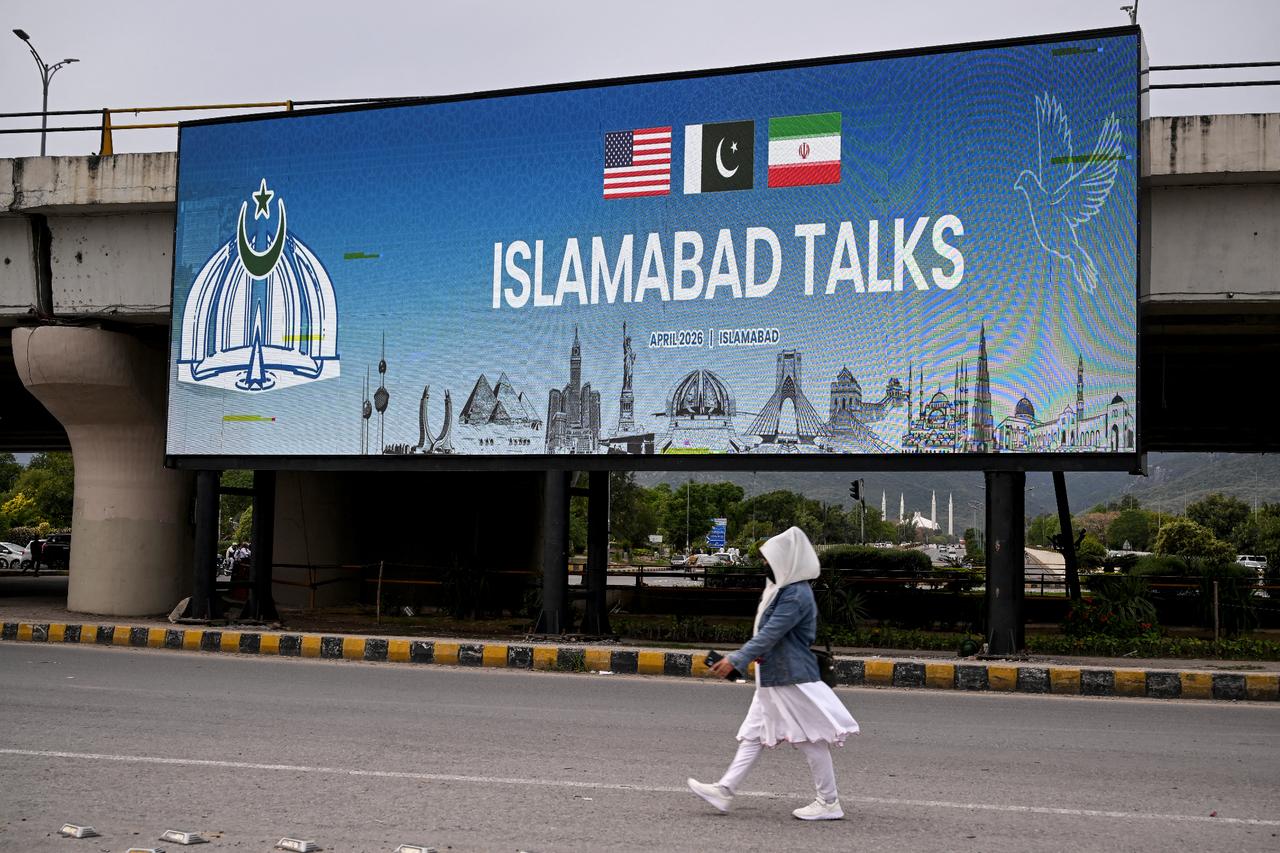
The talks in Islamabad follow a two-week ceasefire brokered by Pakistan with support from Türkiye, China, Saudi Arabia and Egypt after weeks of conflict triggered by U.S. and Israeli strikes on Iran starting Feb. 28.
As part of the agreement, both sides committed to meeting in Islamabad to pursue a lasting peace.
Vice President JD Vance is leading the U.S. delegation in Islamabad, joined by senior figures including special envoy Steve Witkoff and Jared Kushner, as talks aim to turn a fragile ceasefire into a broader settlement.
Iran has sent a senior delegation led by Parliament Speaker Mohammad Bagher Qalibaf, alongside Foreign Minister Abbas Araghchi and top officials spanning military, economic and political portfolios.
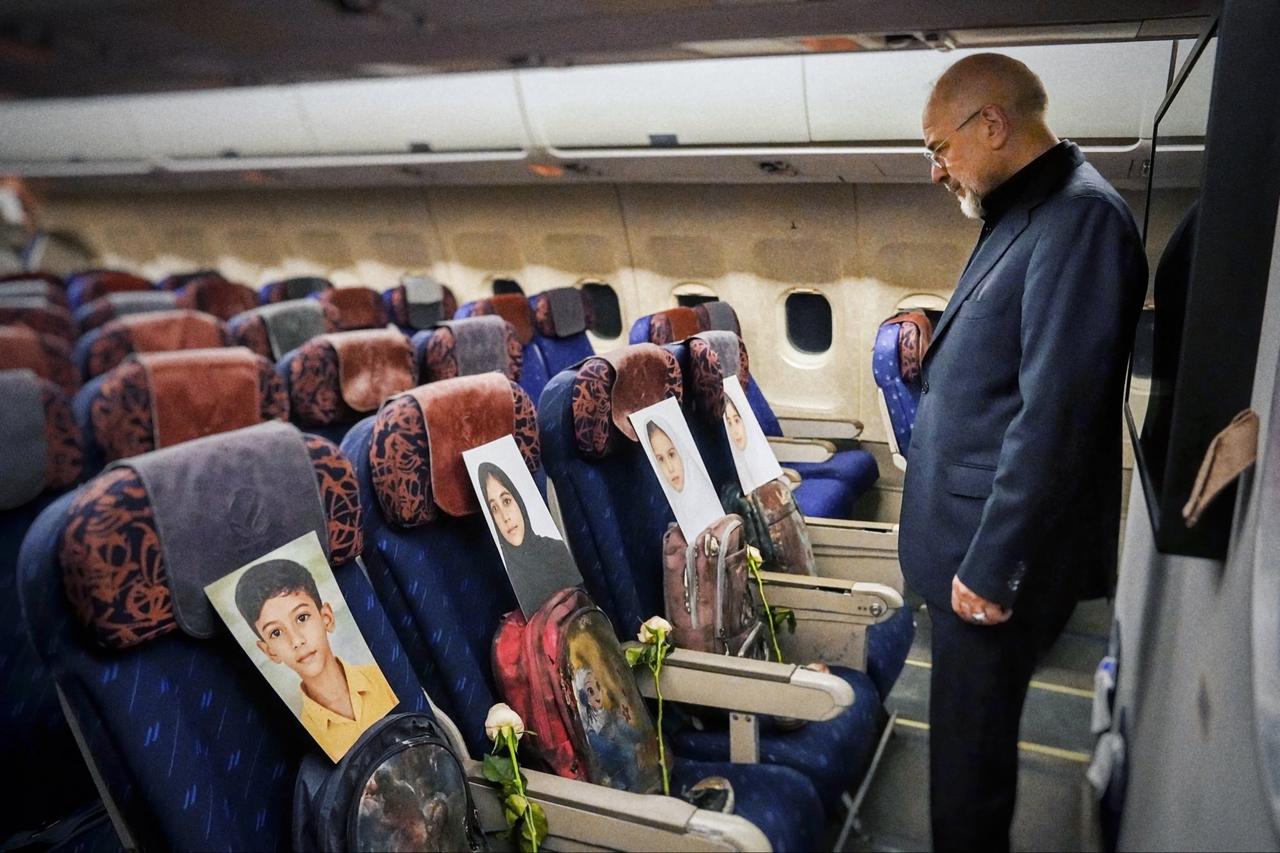
Trump signaled that Iran’s nuclear program remains the defining issue in negotiations, framing it as the core benchmark for any agreement.
Tehran is expected to engage only if its preconditions are addressed. Earlier statements from Qalibaf highlighted demands such as a ceasefire in Lebanon and the release of Iran’s blocked assets before negotiations formally begin.
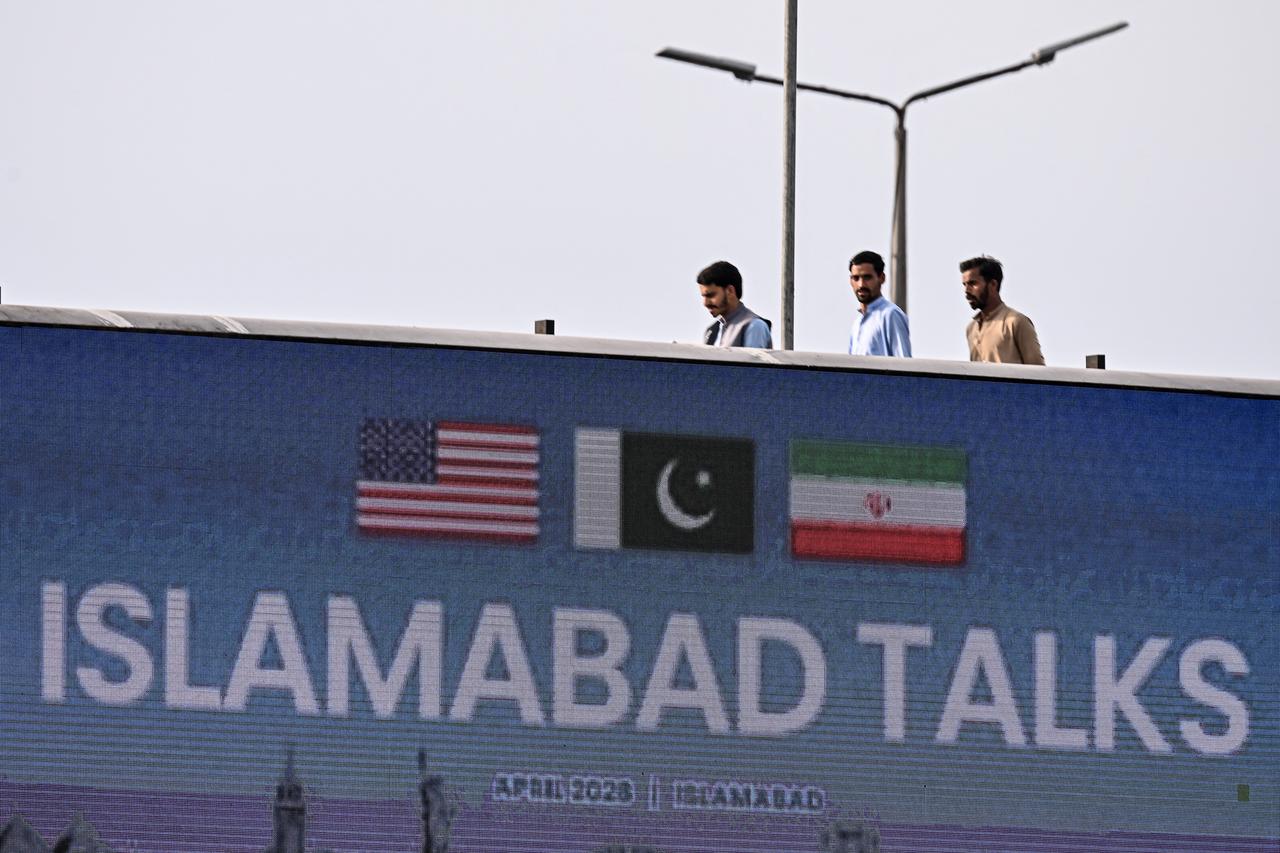
Prime Minister Shehbaz Sharif described the negotiations as a critical juncture, pledging Islamabad’s full effort to facilitate progress.
"Pakistan will do its best for the success of the talks, which is a tough task," he said in a televised address, calling the process a "make-or-break" phase for securing a permanent ceasefire.
He urged public support, saying a successful outcome could save lives and ease disruptions that have strained energy markets and daily life across the region.


 Set as preferred source
 Set as preferred source


 1 min read
 1 min read