Newsletters


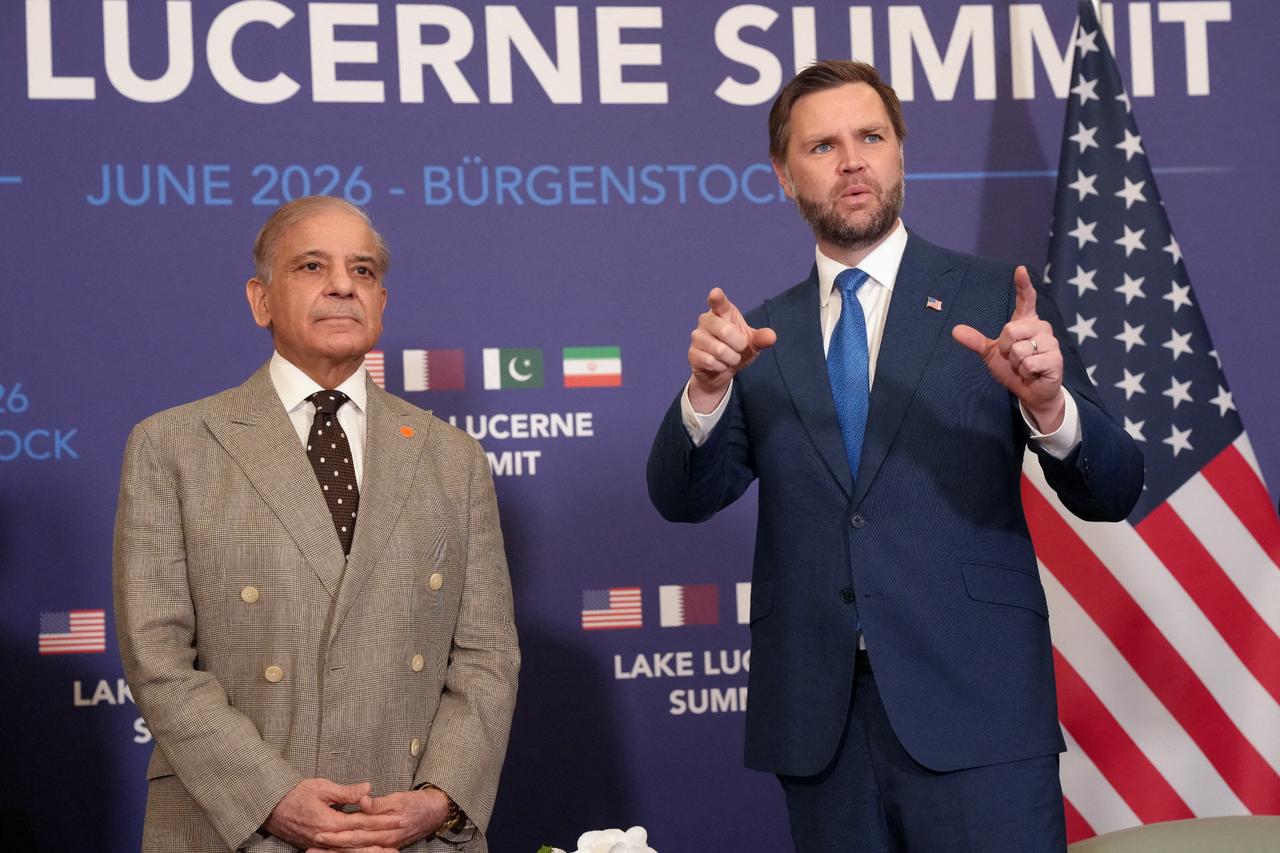


U.S. Vice President JD Vance said U.S.-Iran talks in Switzerland had made “great progress” within hours as technical-level negotiations officially began to turn the interim understanding between Washington and Tehran into a broader diplomatic process.
Speaking at a live press conference from the talks in Switzerland, Vance said the objective of the negotiations with Iran was to “transform the Middle East” through diplomacy.
“We’ve already made great progress over just the last few hours, and I expect that we will make additional progress in the hours to come,” Vance said.
He described the talks as a “historic meeting,” saying Iranian and American leadership had not previously met at such a high level outside the last few months.
“Never before has the Iranian and American leadership met at such a high level,” Vance said.
He said U.S. negotiators were in Switzerland to work through diplomacy and cooperation to transform the Middle East, where “Iran and the Gulf have been at war with each other.”
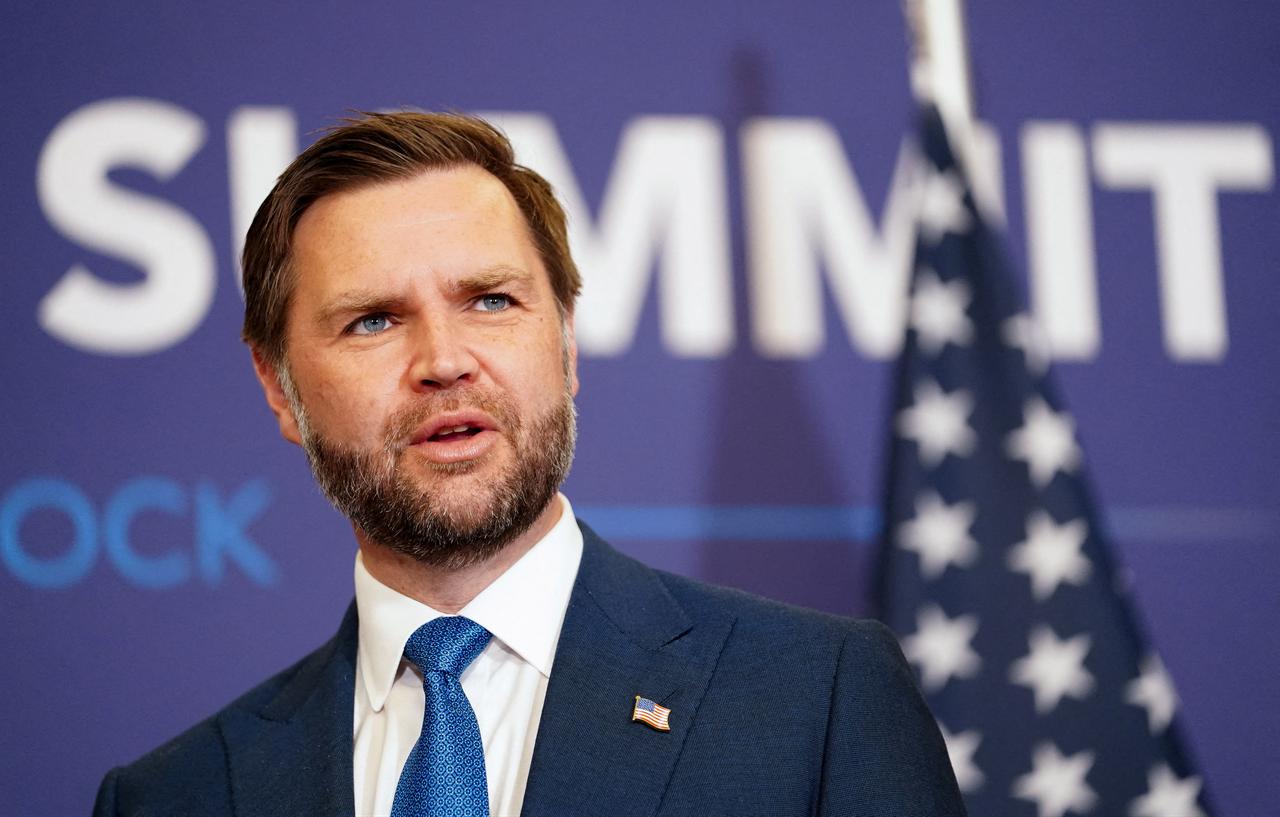

Vance said President Donald Trump had “empowered” the U.S. side to seek a diplomatic solution to multiple issues.
“The question is whether we can change relations in the Middle East permanently,” Vance said.
He said Trump had asked the U.S. team to “turn over a new leaf” in relations with the people of Iran.
“What the president has asked us to do is turn over a new leaf to transform our relationship with the people of Iran and to extend an outstretched hand that says to the people of Iran that if your leadership is willing to give up being a driver of regional instability, if they are willing to give up nuclear weapons ambitions for the long term, then the United States is willing to fundamentally transform our relationship with that country,” Vance said.
“That is certainly our goal,” he added.
Vance said Iran had been a “driver of regional instability,” but added that he could see a future in which all sides work together.
“We see a future where everybody can work together to promote peace and prosperity for everyone,” he said.
Vance said that if Iran gives up its ambition for nuclear weapons “for the long-term,” the U.S. would be willing to transform its relationship with Tehran.
He said the opening of the Strait of Hormuz and the end of Iran’s nuclear program were already accomplished matters.
“The opening of the Strait of Hormuz and the ending of the Iranian nuclear program are already things that have been accomplished,” Vance said.
“Now the question is how much more we can achieve together,” he added.
He said the next question was whether relations in the Middle East could be changed permanently or whether the region would return to old ways.
“Can we permanently change relations in the Middle East, or do we go back to the old ways; that is not our preference, but it is certainly something that can happen,” Vance said.
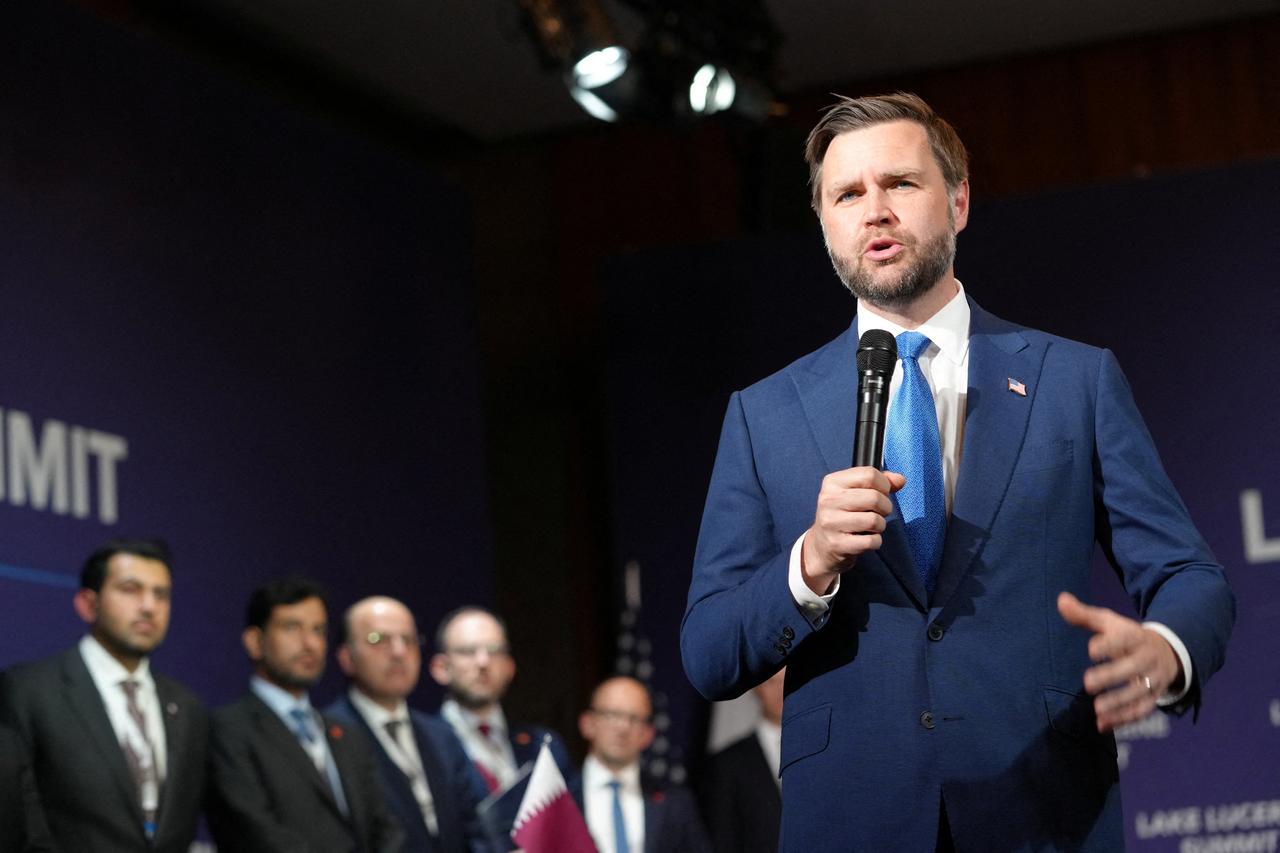
Vance said Trump was committed to seeing a full regional ceasefire.
He said “great progress” had been made in recent days to ensure that the ceasefire in Lebanon holds.
Vance also acknowledged that such ceasefires are “a little bit messy.”
The vice president said the technical negotiations may not resolve every disagreement, but they would allow both sides to sit together as teams for the first time in history.
“The technical negotiations may not solve every disagreement, but it will allow us to sit together as teams for the first time in history,” Vance said.
He said the talks had opened a path for the U.S. and Iran to work together to promote peace and prosperity.
“Now we see a future together where everyone can work together to promote peace and prosperity,” Vance said.


 Set as preferred source
 Set as preferred source


 1 min read
 1 min read