Newsletters


U.S. Vice President JD Vance stated on Monday that "the ball is in the Iranian court" after talks in Islamabad made "a lot of progress" but failed to close on the two core issues, enriched uranium removal and the Strait of Hormuz.
He warned that if Tehran does not make progress on the waterway, it will "fundamentally change the negotiation," and revealing that the Iranian delegation was unable to finalize a deal without returning to Tehran for authorization.
"I wouldn't just say that things went wrong. I also think things went right. We made a lot of progress," Vance told Fox News.
"They moved in our direction, which is why I think we would say that we had some good signs, but they didn't move far enough," he noted.
He said Iran showed "some flexibility" but that the critical issues remained unresolved.
"The big question from here is whether the Iranians will have enough flexibility, whether the Iranians will accept the critical things that we need to see for things to get done," Vance said.
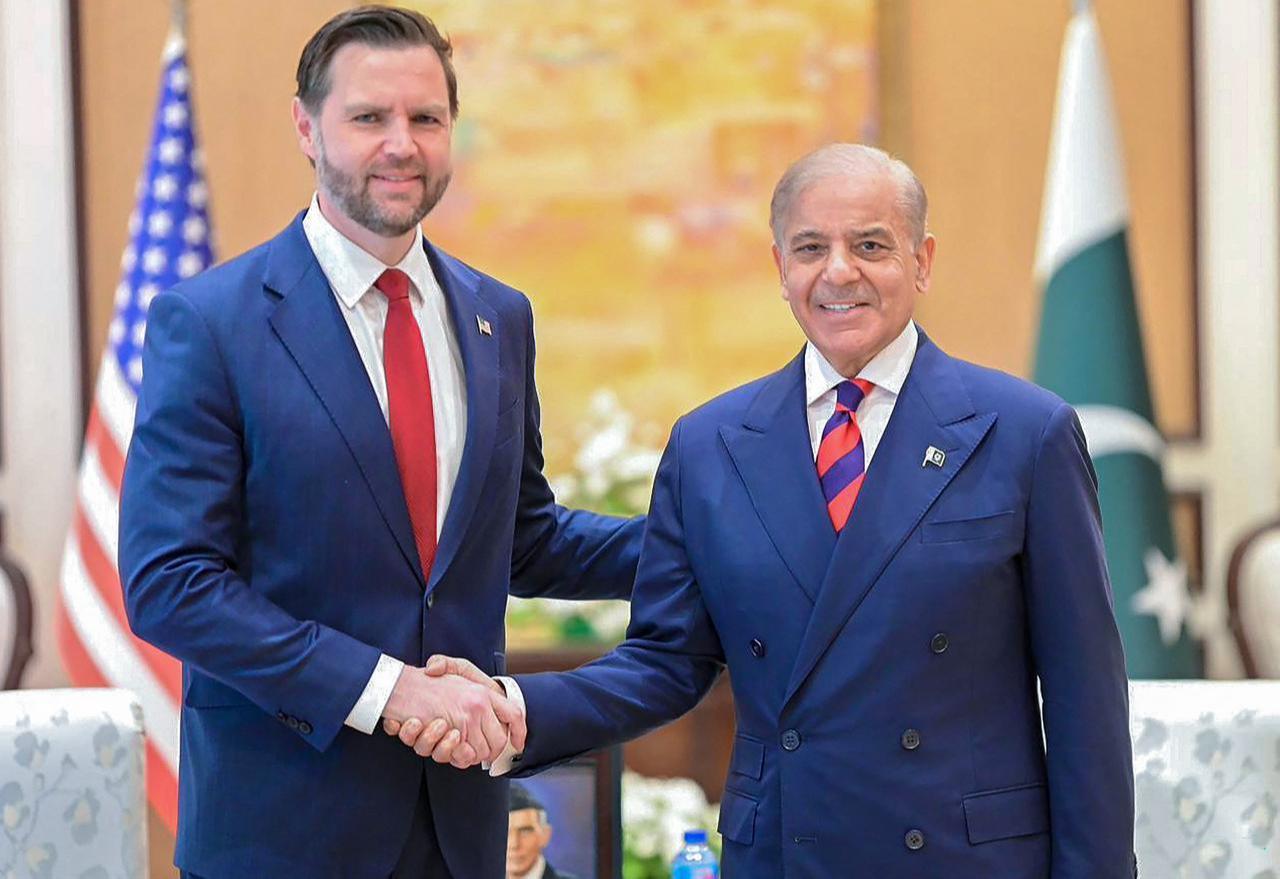

Vance made it clear that Washington had zero flexibility regarding its nuclear demands.
"We must have the enriched material out of Iran. We must have their conclusive commitment not to develop a nuclear weapon. And I think that if the Iranians are willing to meet us there, then this can be a very, very good deal for both countries," he said.
"It's one thing for the Iranians to say that they're not going to have a nuclear weapon. It's another thing for us to put in place the mechanism to ensure that's not going to happen," Vance noted.
He added that all U.S. red lines flow from a single premise. "What the president of the United States has said is Iran can never have a nuclear weapon. So all of our red lines flow from that fundamental premise."
Vance offered a revealing explanation for why talks collapsed at the final stage, suggesting the Iranian delegation lacked the authority to close a deal on the spot.
"I do think that we acquired some knowledge about how the Iranians are negotiating, and this is ultimately why we left Pakistan. What we figured out is that they were unable; the team that was there was unable to cut a deal. They had to go back to Tehran, either from the supreme leader or somebody else, and actually get approval to the terms that we had set," he said.
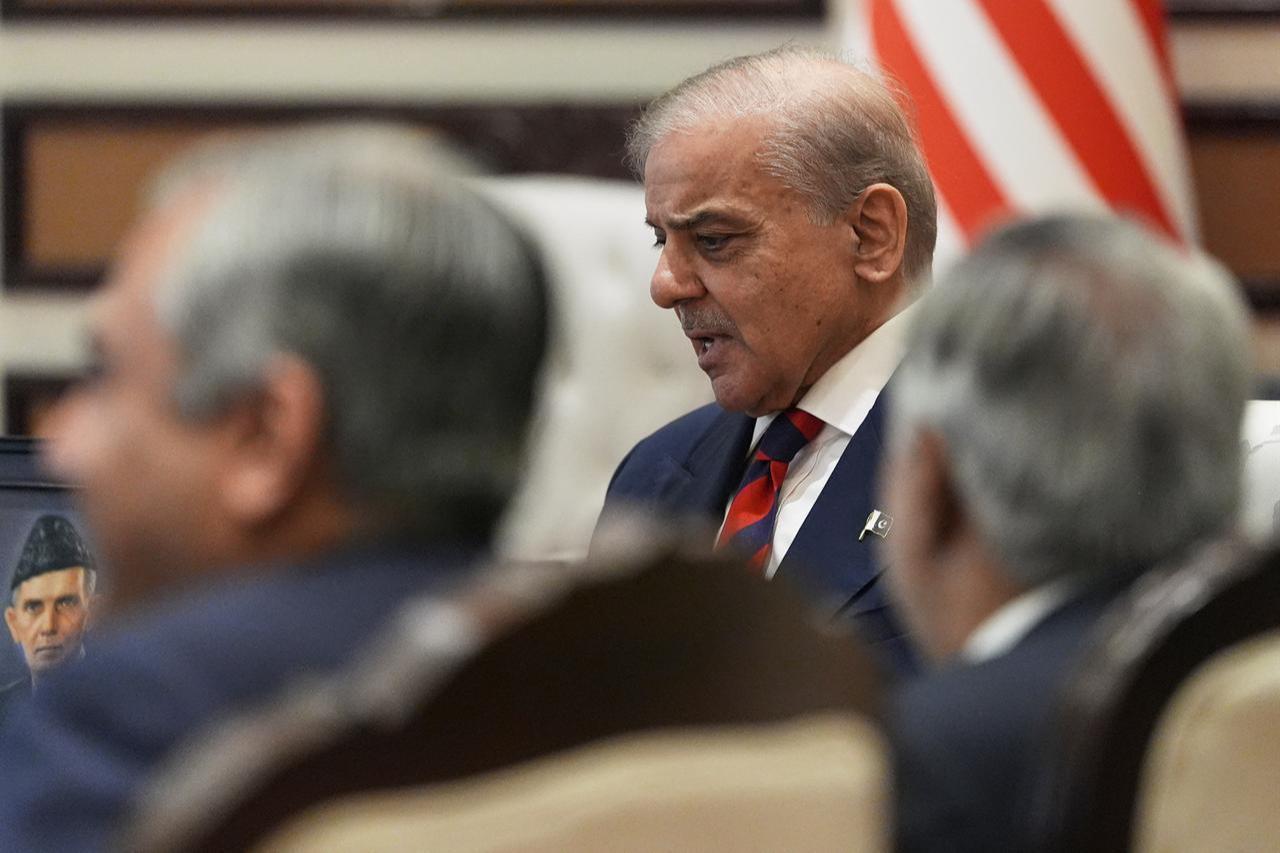
Vance said Iran had attempted to shift the terms on the Strait of Hormuz during the talks.
"Iran tried to move the goalposts on the strait during the talks in Pakistan," he said.
He added that there had been "an uptick in traffic coming through the strait" but that it had not been fully reopened.
"Our expectation is that the Iranians are going to continue to make progress toward opening the Straits of Hormuz, and if they don't, it's going to fundamentally change the negotiation that we have with them," Vance warned.
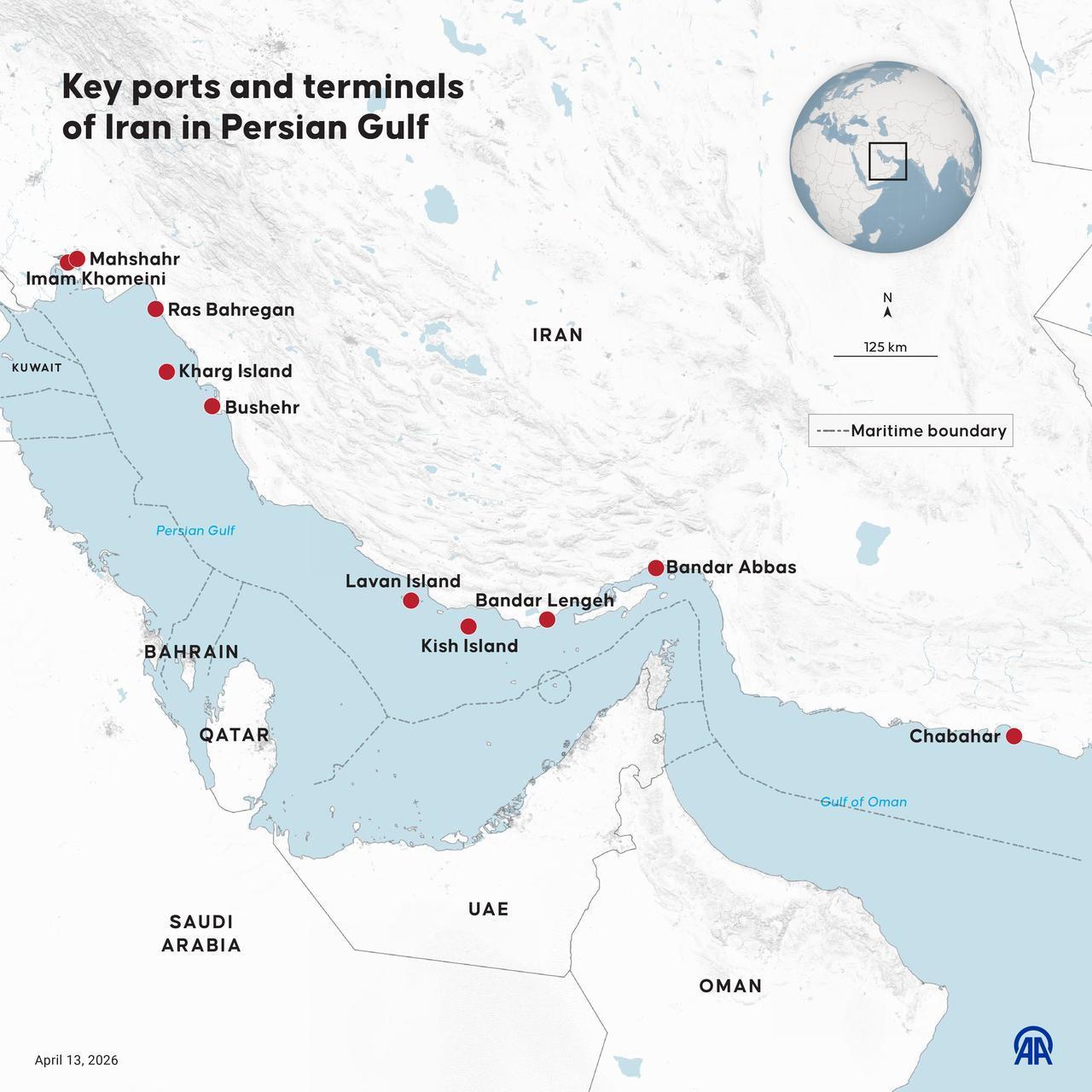
Vance defended the naval blockade as a direct response to Iranian economic pressure.
"What they have done is engage in this act of economic terrorism against the entire world. They've basically threatened any ship that's moving through the Straits of Hormuz. Well, as the president of the United States showed, two can play at that game," he said.
"If the Iranians are gonna try to engage in economic terrorism, we're gonna abide by a simple principle that no Iranian ships are getting out either. We know that's a big deal to them. We know it applies additional economic leverage," Vance noted.
He said the U.S. had the leverage on both tracks.
"We have the military advantage. We now have additional economic pressure that we're applying on them through the blockade that we've imposed on their oil coming out of the Straits of Hormuz. We have a lot of cards," Vance added.
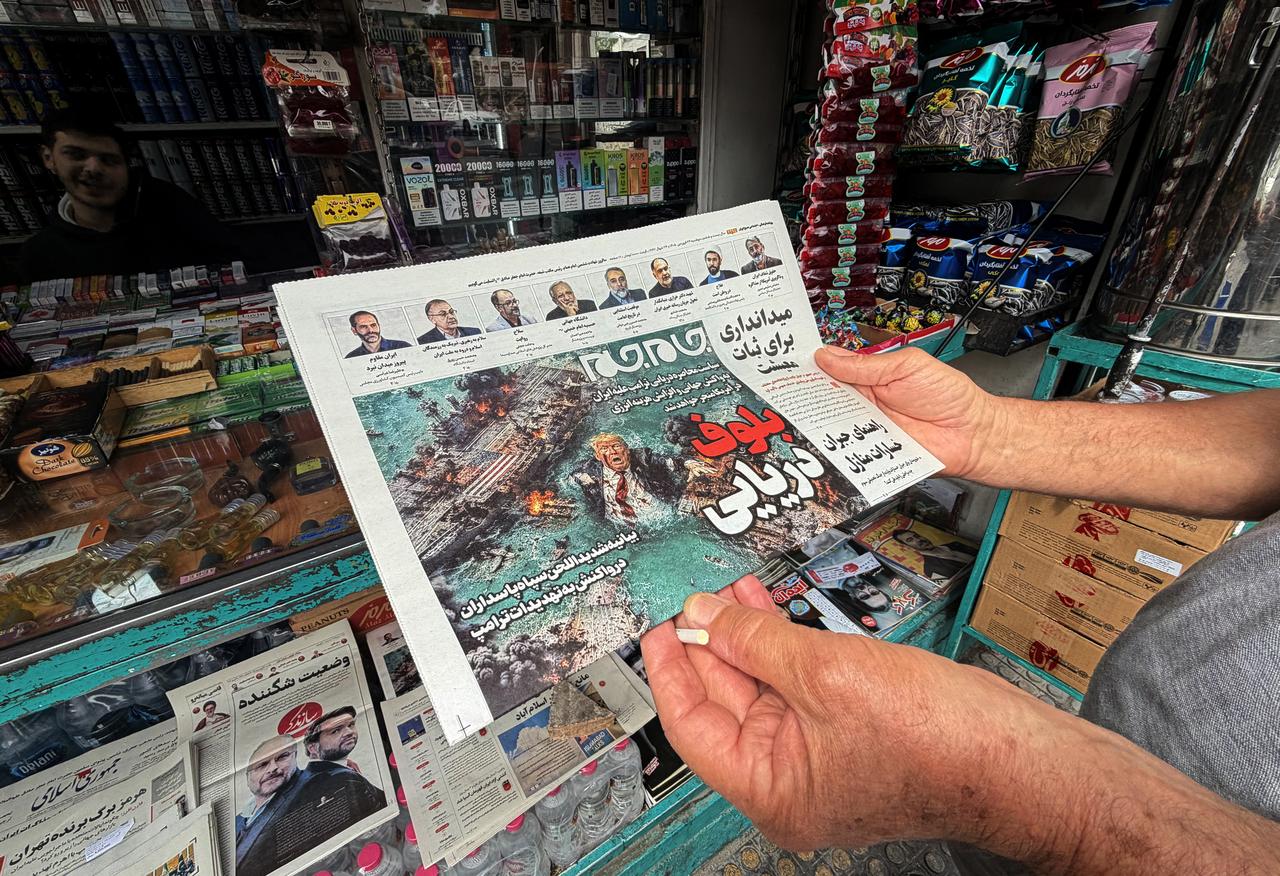
Despite the tough framing, Vance expressed genuine optimism about the prospects of a deal if Iran moves.
"There really is, I think, a grand deal to be had here, but it's up to the Iranians, I think, to take the next step," he said, adding that, "The ball is very much in their court."
On reports of his own prior skepticism about launching the war, Vance declined to confirm or deny.
"I give my advice to the President of the United States, and we all do. What I will say is that I 100% agree with the president on the fact that Iran can't have a nuclear weapon," he concluded.


 Set as preferred source
 Set as preferred source


 2 min read
 1 min read