Newsletters





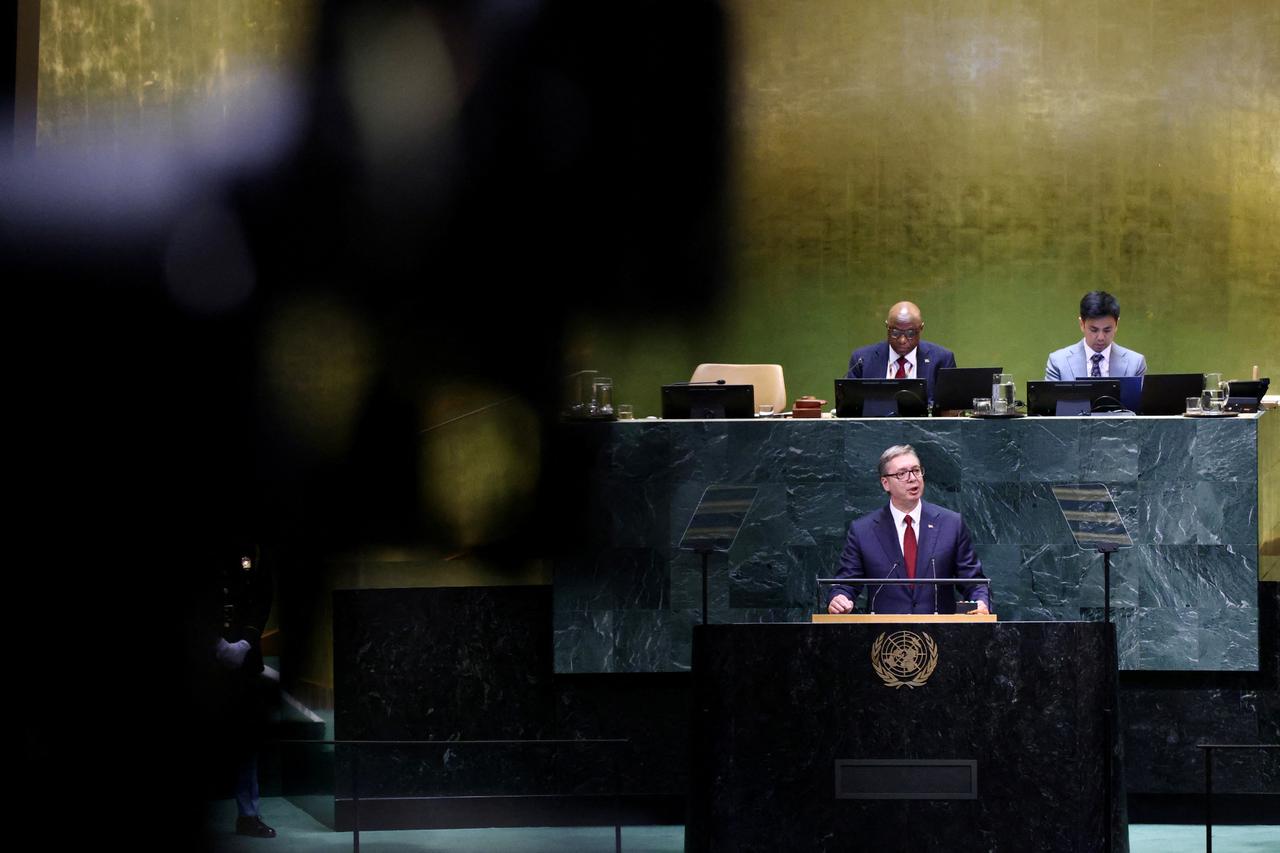
Serbian President Aleksandar Vucic resigned on Sunday, clearing the way for him to run for prime minister in snap parliamentary elections scheduled for Oct. 25, as the country heads into a dual electoral contest triggered by nearly two years of student-led protests.
Vucic, who was serving his second presidential term, is barred under the constitution from seeking a third. He will run as the candidate of the ruling Serbian Progressive Party, or SNS, in the parliamentary vote.
Parliament Speaker Ana Brnabic will take over as acting president following Vucic's resignation. Serbian law requires that a presidential election be held within three months of a sitting president stepping down, meaning the country will hold both parliamentary and presidential votes in short succession.

The move comes amid continued pressure from a protest movement led by university students that has persisted for close to two years.
The demonstrations, which have at times drawn hundreds of thousands of people into the streets, were set off by a train station disaster in northern Serbia on Nov. 1, 2024, that killed 16 people and was widely blamed on government corruption.
What began as a demand for accountability over the tragedy grew into a broader campaign calling for Vucic's removal from power through the ballot box.
Vucic has led Serbia as either prime minister or president since 2014, and his SNS party has controlled the government since 2012.
By stepping down from the presidency to run for prime minister, Vucic could leave one of Serbia's highest offices only to return at the head of its government, depending on the outcome of the October vote. Students opposing his rule have also entered the race, submitting a "Student list" of candidates to Serbia's electoral commission, joining traditional opposition parties in challenging the SNS.
Serbia will now hold parliamentary elections on Oct. 25 and a separate presidential election within three months of Vucic's Sunday resignation, setting up back-to-back tests of his political standing after more than a decade in power.


 Set as preferred source
 Set as preferred source


 1 min read


 1 min read