Newsletters


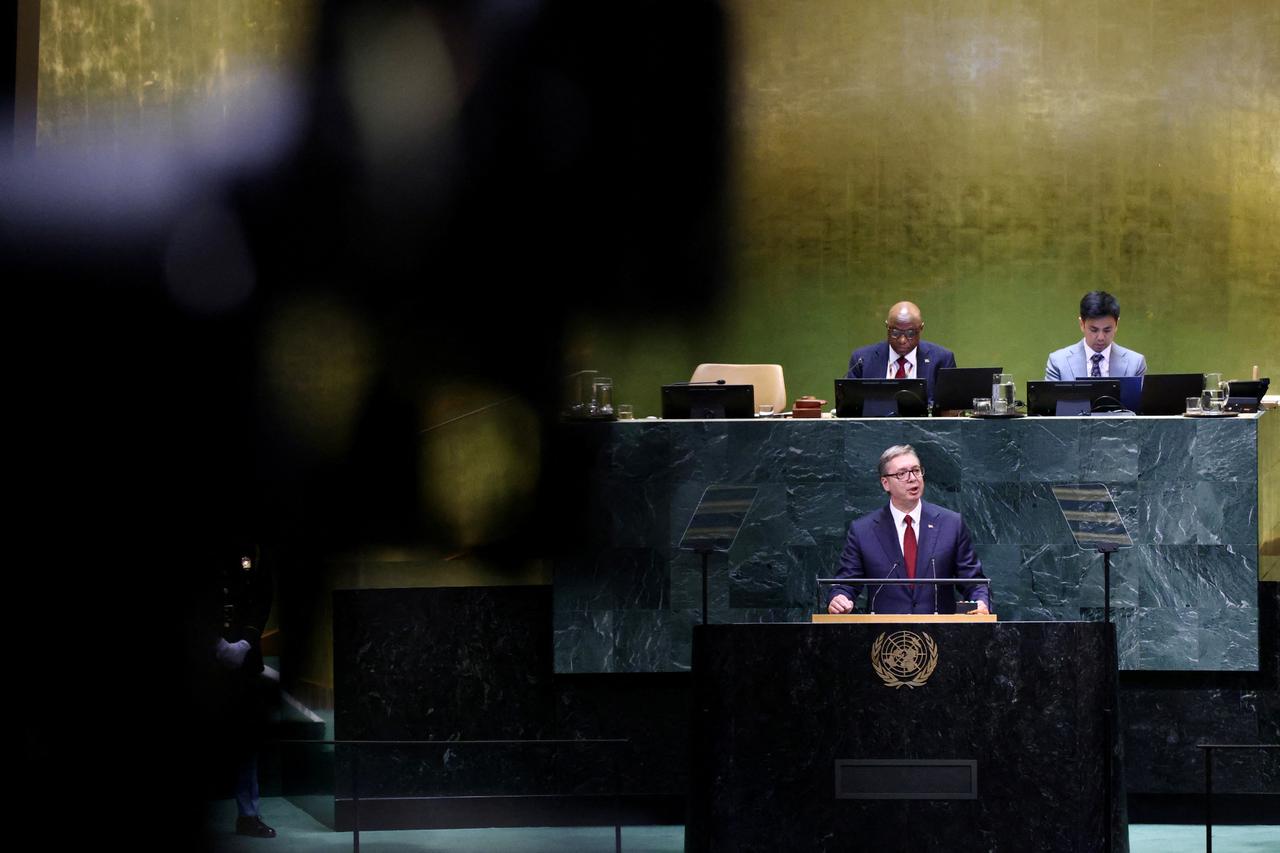


Serbian President Aleksandar Vucic said Wednesday that a new global order is emerging, shaped around two main power centers and strong regional actors, adding that “the international system as we knew it has collapsed; it no longer exists.”
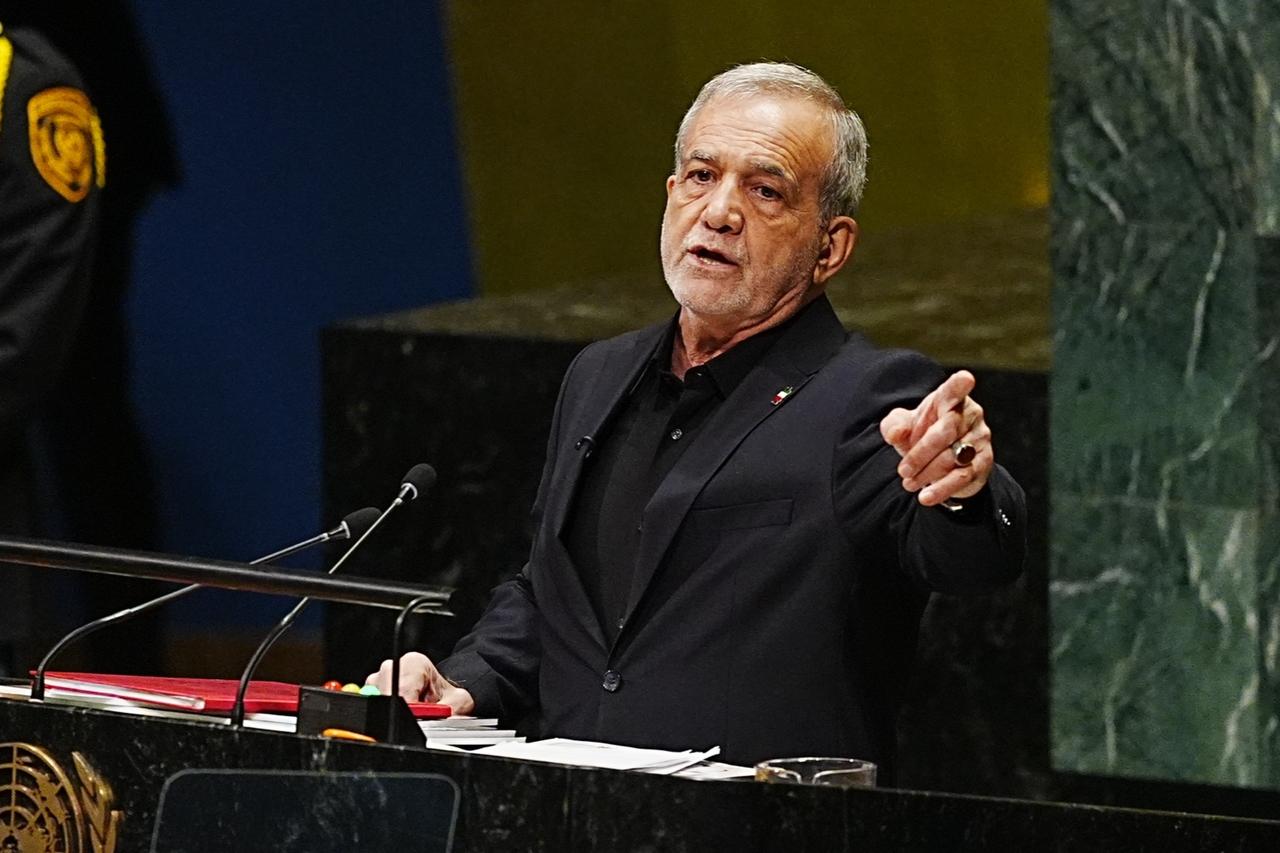
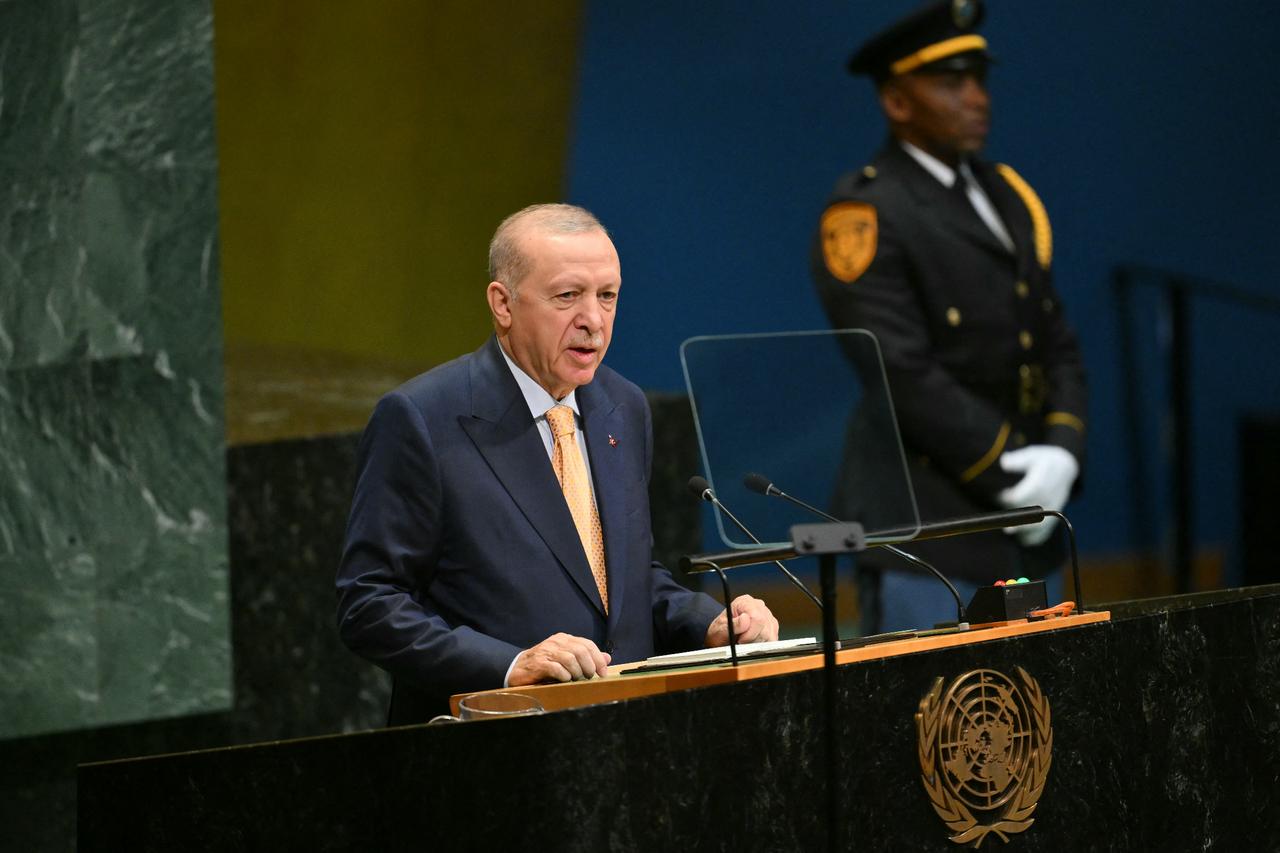
Vucic made the remarks at the 81st U.N. General Assembly in New York.
He said trust in the U.N. must be restored, while adding that he had doubts about how far the transformation already underway could be managed.
Vucic said the world had entered a period in which the number of regional actors with significant political, economic, military and technological capacities was increasing.
He said those actors were trying to shape their surroundings and influence global developments on their own terms.
“We are entering a period in which power is distributed in a more complex and less predictable way, and the risk of possible conflict has risen to a higher level than in the past few decades,” Vucic said.
He said these risks are no longer limited to traditional armed conflicts between states, but also appear through economic pressure, technological restrictions, competition for resources and markets, cyberattacks, disinformation and attempts to influence other societies.
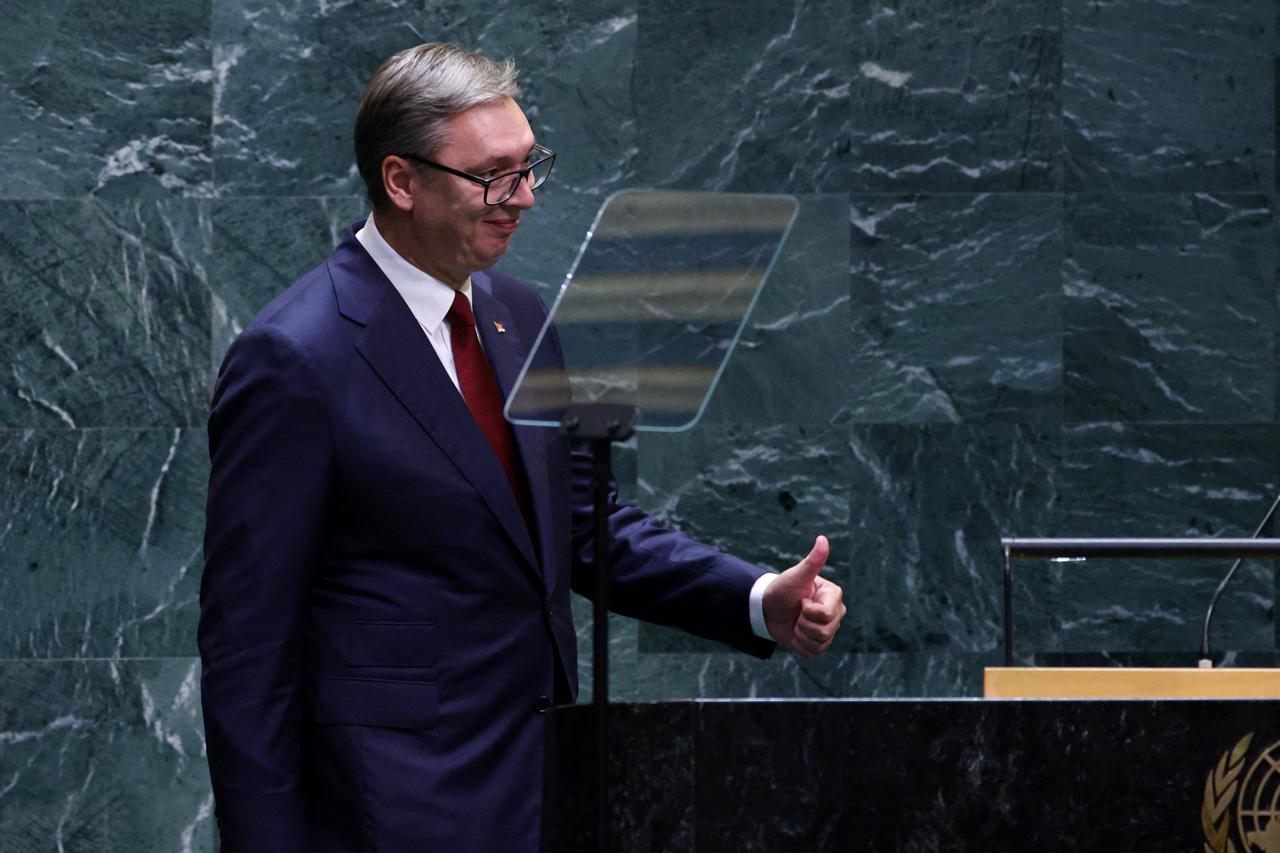

Referring to calls for compliance with international law in the context of the war in Ukraine, Vucic accused some countries of applying “double standards.”
“The vast majority of the same countries remain shamelessly and recklessly silent in the face of the fact that they themselves trampled on the U.N. Charter and destroyed the foundations of the international public law system,” Vucic said.
“Today, however, they want to return to these principles at any cost,” he added.
Vucic argued that those countries had seen stronger actors committing the same violations they had resorted to in the past and criticized states that recognized Kosovo’s independence.
He said Serbia’s full membership in the European Union remains among its strategic priorities, but added that long-running “enlargement fatigue” in some EU member states and candidate countries could not be ignored.
Vucic said the U.N. Security Council is often blocked in crises where it should be most active, while other parts of the U.N. system face financial pressures, overlapping mandates, bureaucratization and demands from member states for more concrete results.
He said these were real problems and that concealing them benefited no one.
“But all this does not mean we need the U.N. less. We perhaps need the U.N. more than ever,” Vucic said.
“The international system as we knew it has collapsed; it no longer exists,” he said, adding that a new order is emerging around two main power centers and strong regional actors.
Vucic said states had gathered under the U.N. roof over the past 80 years not because they shared the same interests, but because they understood that the cost of resolving disputes by force was too high.
He said multilateralism emerged from that understanding.
Vucic added that Serbia is trying to contribute to multilateralism by preserving peace with its neighbors, participating in peacekeeping missions far from its borders, helping countries in danger, maintaining dialogue with parties with which it disagrees and fulfilling the obligations it has undertaken.


 Set as preferred source
 Set as preferred source


 1 min read
 1 min read