Newsletters


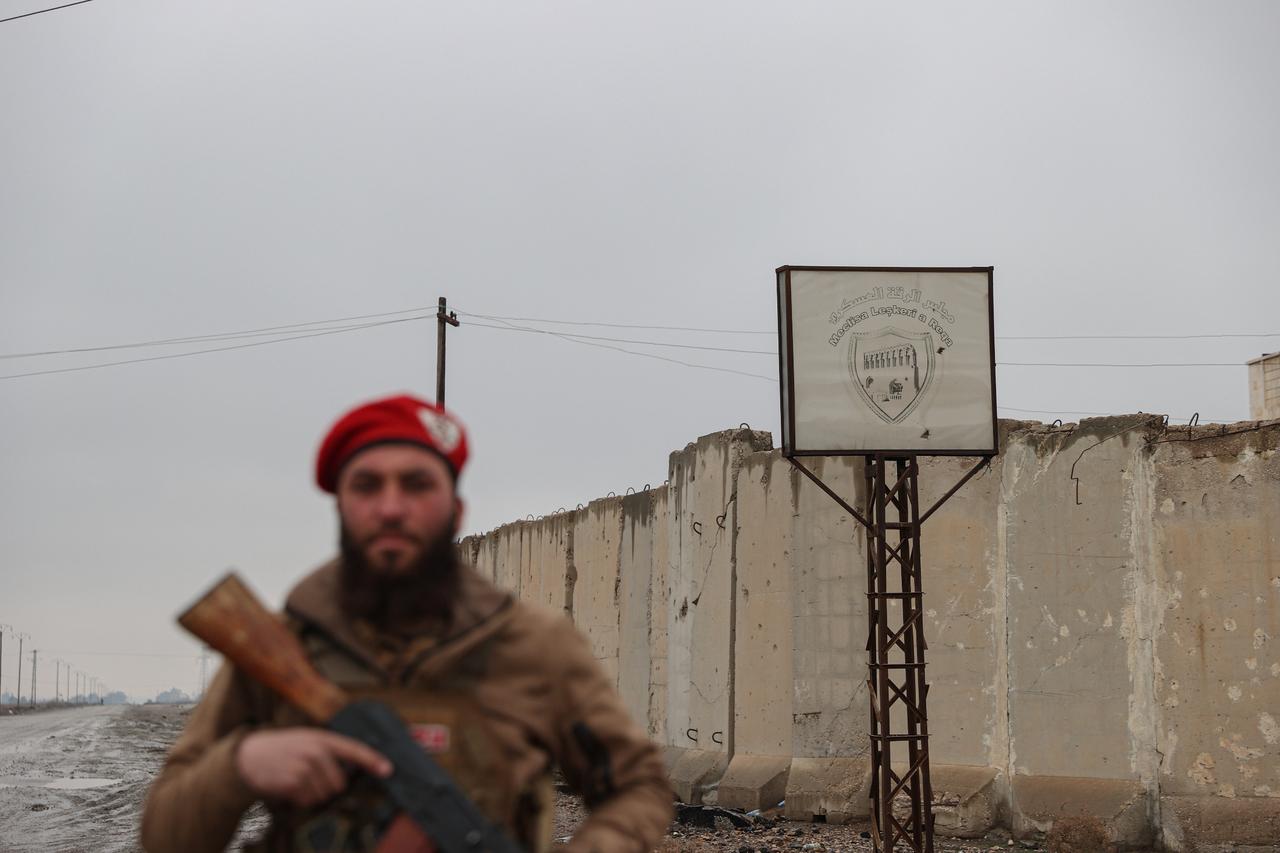


A Western diplomat has raised concerns over the YPG-linked SDF's handling of Daesh detainees, saying the group can no longer be trusted with prison security, according to a report by the Financial Times on Saturday.
“They’ve now shown we can’t trust them with the prisons; their willingness to abandon them, to risk hardcore Daesh prisoners running free, pi**ed everyone off,” the diplomat told the Financial Times. The official spoke on condition of anonymity.
The SDF is dominated by the YPG terrorist group, the Syrian branch of the PKK terrorist organization.

The remarks come as the role of the YPG/SDF as the “primary anti-Daesh force on the ground” has “largely expired,” U.S. Special Envoy for Syria Tom Barrack said Tuesday.
“Historically, the U.S. military presence in northeastern Syria was justified primarily as a counter-Daesh partnership,” Barrack wrote on X, noting that no functioning central government existed under Bashar al-Assad's regime.
He said Syria’s situation has “fundamentally” transformed, with Damascus joining the Global Coalition to Defeat Daesh as its 90th member in late 2025.
Barrack said an agreement between Syria and the YPG/SDF includes transferring key infrastructure, border crossings, Daesh prisons and camps to Damascus, while granting the Kurds a governance role “far beyond the semi-autonomy the SDF held amid civil war chaos.”
Washington’s priorities include “supporting reconciliation, and advancing national unity without endorsing separatism or federalism,” he added.
The envoy said U.S. efforts in Syria focus on ensuring security at prison facilities, holding Daesh detainees and facilitating negotiations between the terror group and Damascus for a “peaceful integration” and a “historic full Syrian citizenship” for the Kurdish population.
He described the “post-Assad transition under the new government” as the Kurds’ “greatest opportunity,” offering “a pathway to full integration” into a unified state with citizenship rights, cultural protections and political participation.
Barrack acknowledged that challenges remain but said Washington is advocating protections for Kurdish rights and continued counter-Daesh cooperation, warning that prolonged separation “could invite instability or Daesh resurgence.”
Syrian President Ahmad al-Sharaa announced late Sunday a ceasefire and an agreement for the full integration of the YPG/SDF into state institutions.
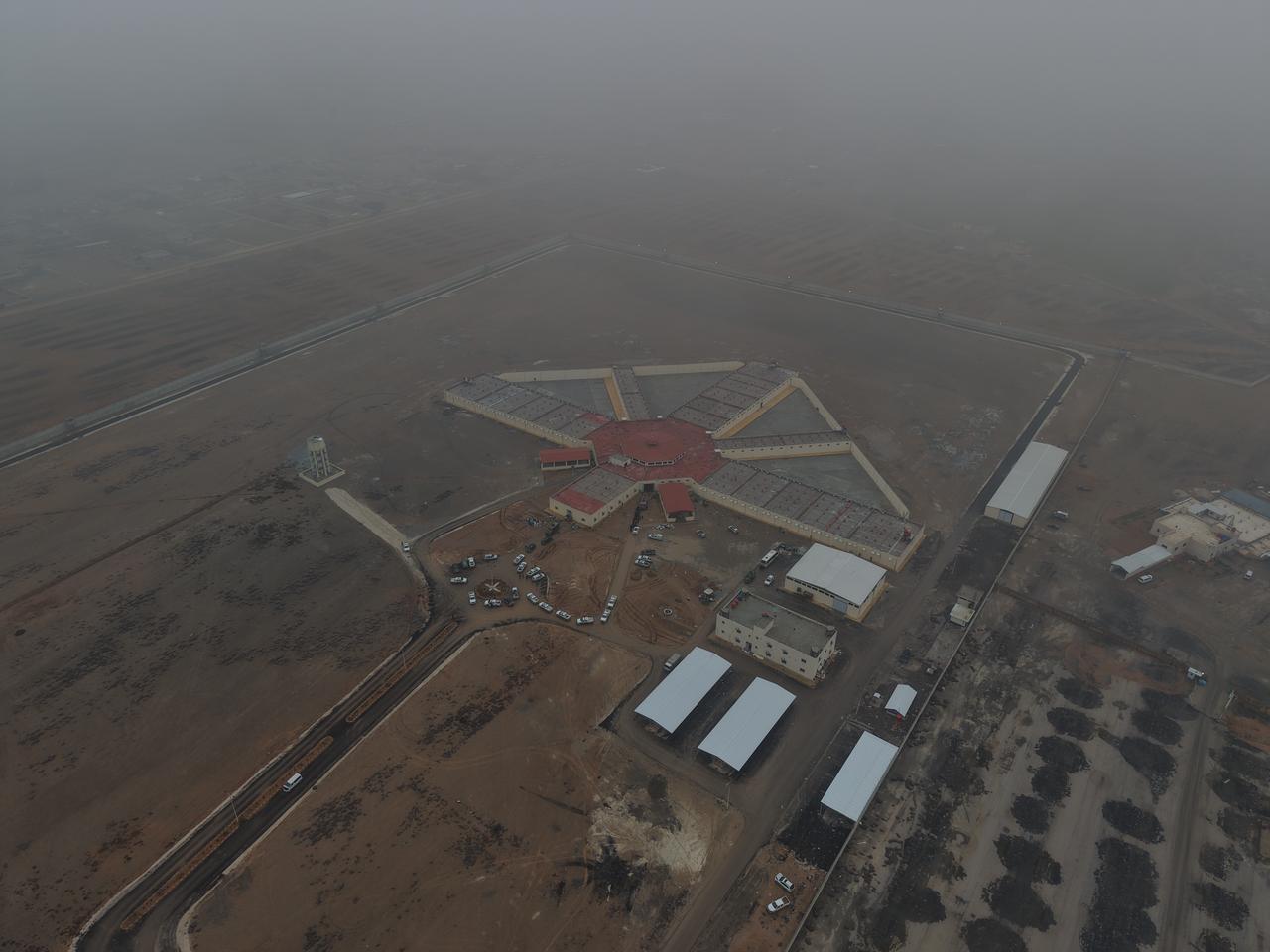
The Syrian government on Friday formed specialized judicial committees to review the legal status of inmates at al-Aktan prison in the northern city of Raqqa, following the withdrawal of the YPG/SDF from the facility.
The Justice Ministry said the prison was formally handed over to security authorities after SDF forces exited, as part of efforts to reassert state authority and restore institutions under the rule of law, according to the Syrian Arab News Agency, or SANA.
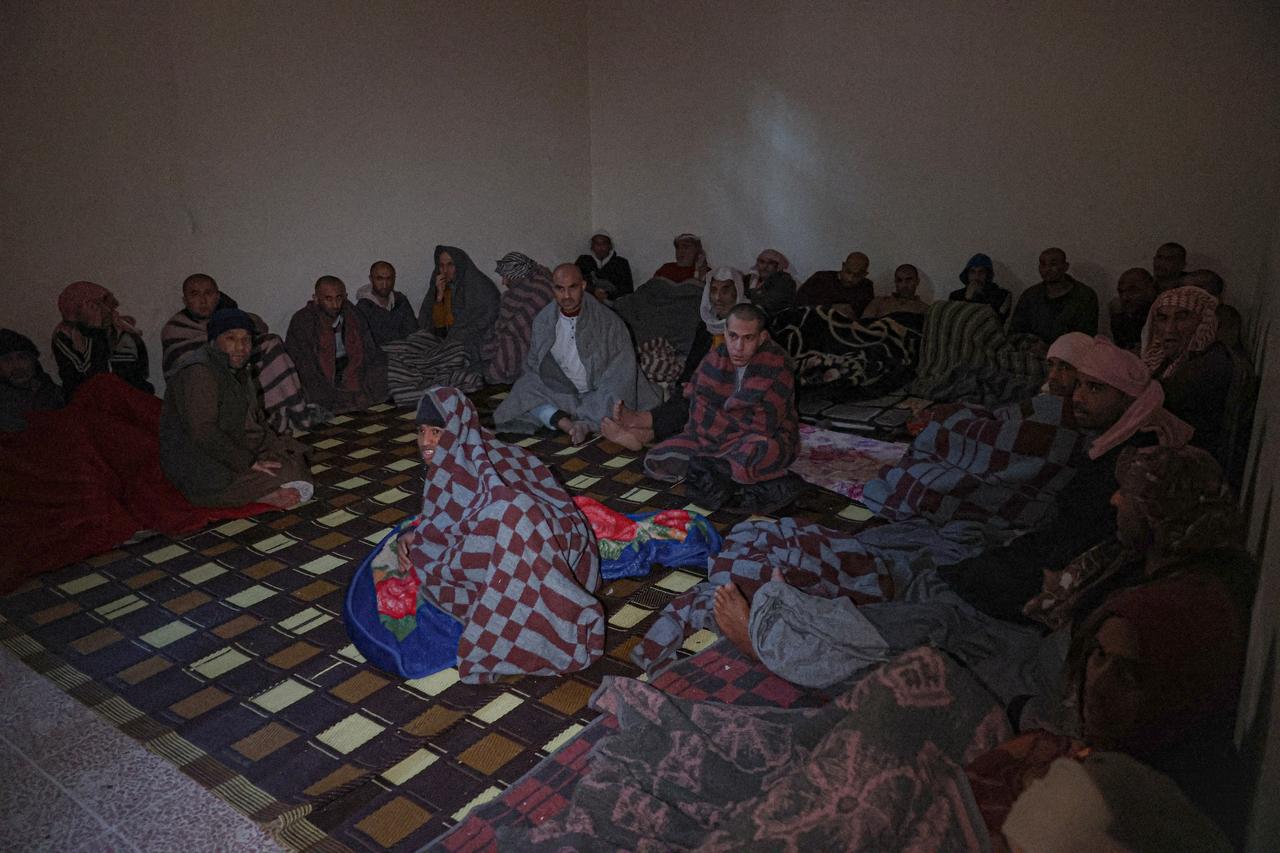
Authorities are ensuring the safety and security of detainees and have taken measures to guarantee their humanitarian and legal rights, including access to food, water and medical care, in line with Syrian law and judicial standards, the ministry said.
It added that specialized judicial committees were formed to review all inmates’ legal files and examine their cases with the aim of resolving them as quickly as possible through proper legal procedures. The process will be handled with “full responsibility and transparency,” the ministry said, reassuring families that detainees’ rights will be protected.
The Interior Ministry earlier said it had taken over al-Aktan prison from the SDF, with prison and corrections authorities beginning a comprehensive review of detainees’ personal and judicial files to ensure the application of the law.
 1 min read
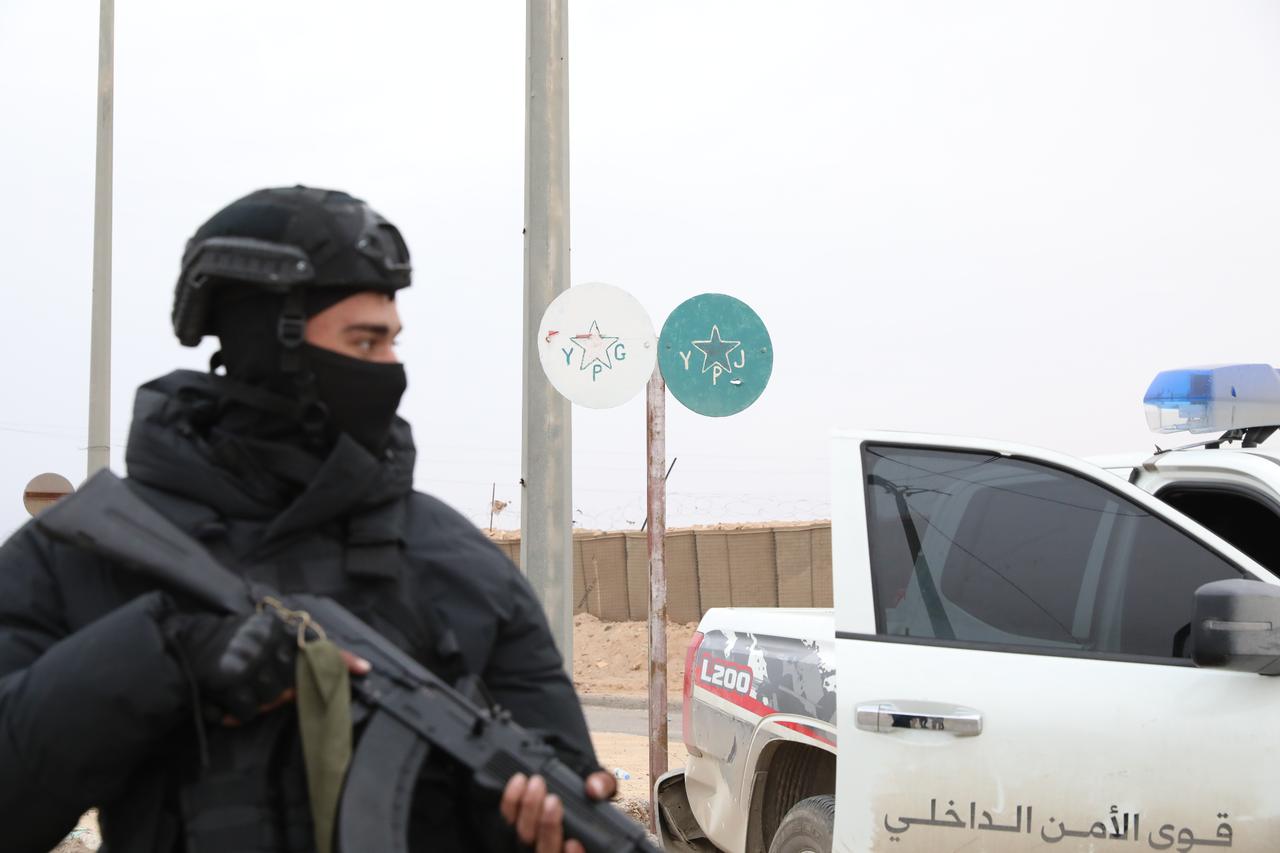
The handover followed the transfer of about 800 SDF members who had been running the prison and its surroundings, after five days of negotiations with the government, according to Alikhbaria TV.
Under the agreement, Syrian Army units and security agencies assumed full control of the prison, including sections holding detainees linked to the Daesh terror group, to ensure management under Syrian law.
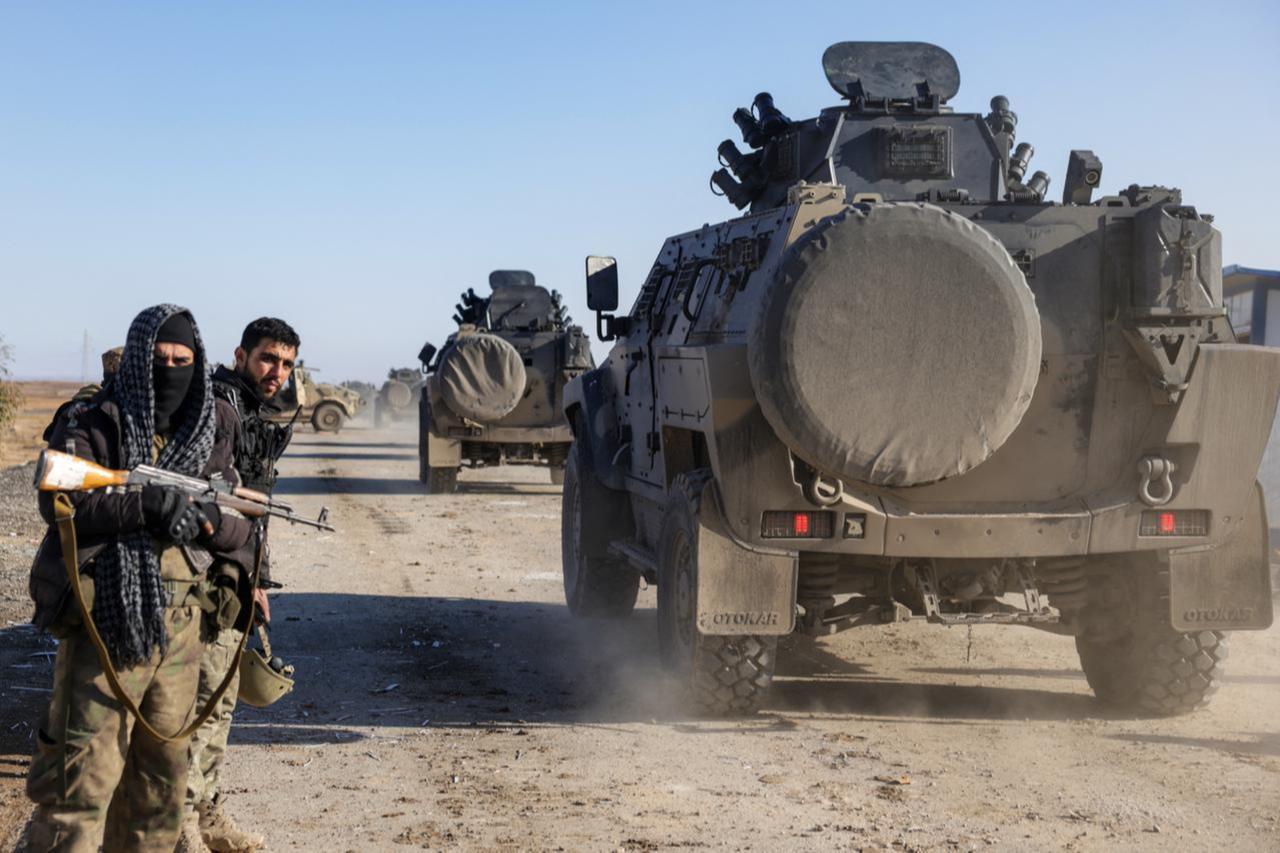
Syrian forces entered Raqqa earlier this week after advancing to the province’s administrative boundaries, following the collapse of SDF control that had been in place since 2017 with U.S. backing.
A key provision of the ceasefire agreement announced Sunday stipulates the transfer of responsibility for prisons and camps holding Daesh detainees, along with the forces guarding them, to the government, granting it full legal and security authority over the facilities.
The deal followed a multi-day military operation during which the army regained large areas in eastern and northeastern Syria after repeated SDF violations of earlier agreements signed about 10 months ago.
The SDF had previously failed to implement a March 10, 2025, agreement with the government that called for equal rights for the Kurdish component and the integration of civil and military institutions in northeastern Syria into state administration.


 Set as preferred source
 Set as preferred source



 1 min read