Newsletters




This article was originally written for Türkiye Today’s weekly newsletter, Saturday's Wrap-up, in its Jan. 24, 2025, issue. Please make sure you subscribe to the newsletter by clicking here.
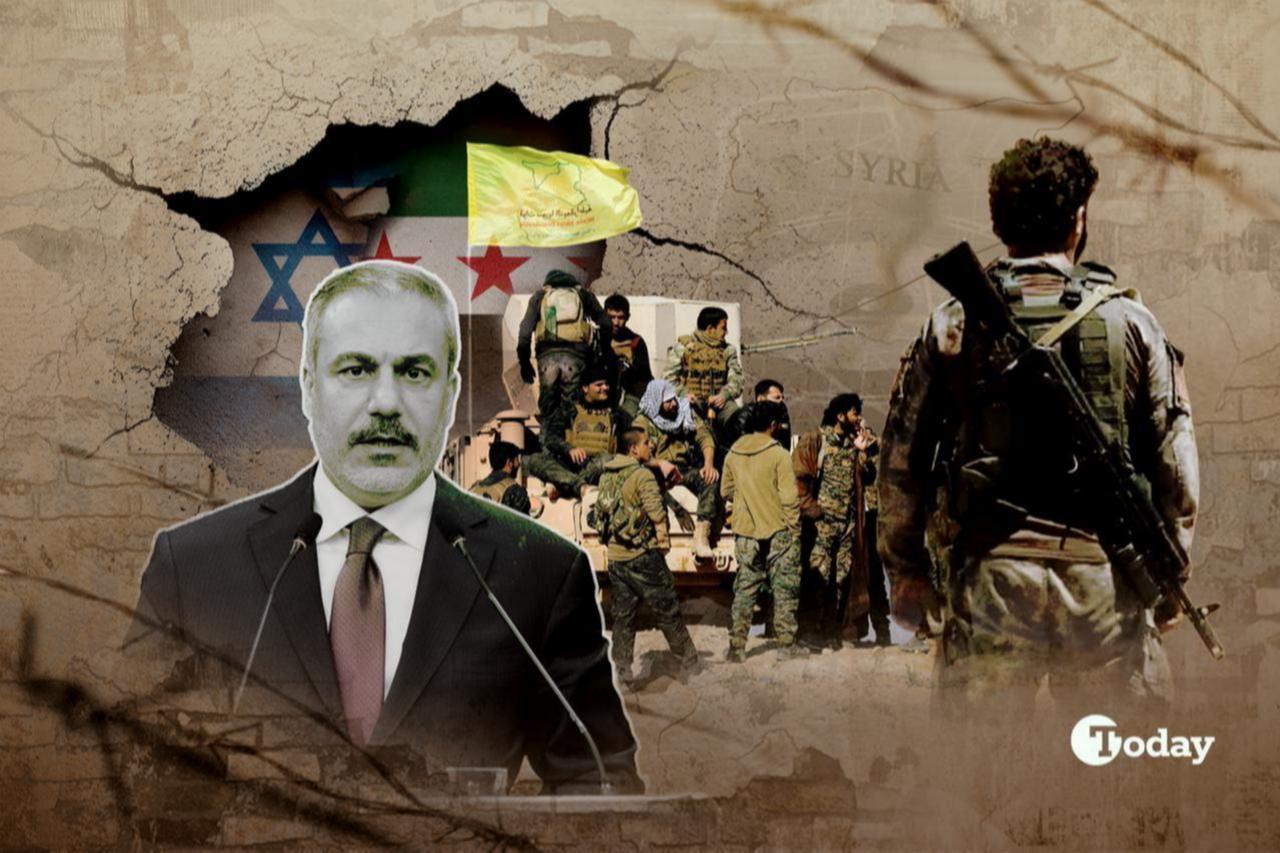
There are numerous angles to consider when examining the sudden collapse of SDF in January: the inherent fragility of its alliance with Arab tribes, SDF’smisplaced assumption that it would remain safe as long as there is a peace process in Türkiye and the shrinking U.S. support. This was compounded by the emergence of Mazloum Abdi’s non-leadership and Saudi Arabia’s close ties with the Arab tribes in eastern Syria accelerated the decline—all while the removal of SDF problem serves to pull Türkiye more into the U.S. orbit in international affairs. Each point deserves its own deep analysis and brainstorming session. In my previous newsletters, I took my time to explain that Türkiye's threat perception of SDF remains high and Türkiye’s peace process is not a major obstacle for a military action against SDF in Syria’s north. I also explained that it does not require Turkish troops on the ground at any point.
Türkiye Today contributor Levent Kemal aptly highlighted this week that the demography was decisive in what happened in Syria’s north. The SDF operated under the assumption that it could freely hang Abdullah Ocalan’s photos in official buildings in Raqqa, a city with no Kurdish population and no ideological ties with PKK. This was hardly the way to maintain its alliance with Arab tribes as the partnership was only on life support due to U.S. backing. SDF should have tried to turn this inorganic alliance into an organic one as they controlled these cities for almost 10 years. It did not have population depth within Syria’s borders, a problem that Israel suffers in its close proximity. The absence of any real strategy was trulystunning. Anyway, let’s move to the real story.
You likely remember the wave of very sudden air bombardments carried out by Israel after Assad’s fall in Syria, supposedly to prevent Assad’s military equipment from falling into the hands of then-Hayat Tahrir al-Sham (HTS). I remember them well as I witnessed many during my time in Damascus and Deir ez-Zor in December 2024. Before Assad’s fall, Israel was already carrying out nearly weekly airstrikes on targets to destroy Iran’s axis of resistance. However, these attacks never threatened Assad personally. After Assad’s fall, we witnessed more frequent attacks that targeted very central areas in Damascus. It even struck the Syrian Defense Ministry building once. To be specific, Israel conducted 988 attacks after Assad’s trip to Moscow. So, Israel’s threat perception of Syria was quite high, and Israel was reacting. The most common argument was that Israel intends to keep Syria weak and fragmented, opposing the rise of a central government with a strong acceptance in the public.
Israel did not react to the most significant development since Assad’s fall in December 2024, one that could affect its security interests dearly. But, why? We should not be quick to assume that Israel has changed its policies and now welcomes a strong, centralized Syrian government. Nor can we conclude that Israel’s threat perception of Syria has suddenly diminished.
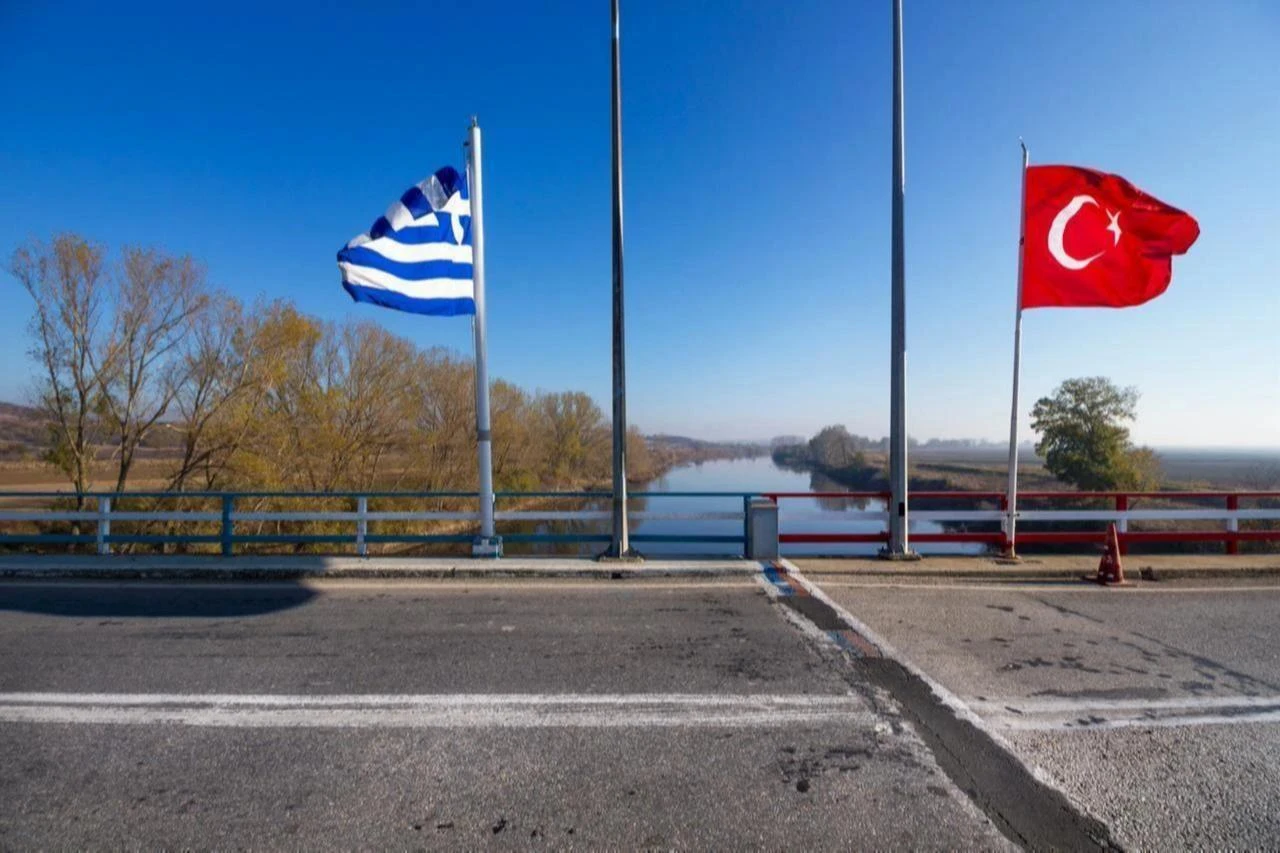
However, what we’re witnessing is a silent consensus: Israel appears to have agreed to Türkiye's sphere of influence in Syria following U.S.-brokered concessions from the Syrian government in the country’s south. This seems like an acceptable give-and-take for Israel. Statements from SDF requesting support were not responded to by any Israeli official. A Middle East Eye report detailed how U.S. special representative to Syria Tom Barrack accused Mazloum Abdi of attempting to bring Israel into the conflict in Syria. This reveals that the U.S. is attempting to play a role here similar to the one it has played between Türkiye and Greece for decades which is to create balance, support Greece against Türkiye’s “perceived” aggressiveness, and maintain multi-faceted and strong relations with Türkiye, thereby preventing any sort of hot conflict. With the fall of SDF, (yes, with the Arab tribes gone, the SDF no longer exists) a likelihood of increased tension that could evolve into a military accident may have reduced significantly. However, we need to see how the situation will evolve in Ain al-Arab, also known as Kobane, and Qamishli.
During the long press conference last week, Foreign Minister Fidan offered a striking assessment of the global landscape: “No country now is able to follow the same patterns that they are accustomed to in their foreign policy approach because uncertainty has become a permanent situation in foreign policy issues.’’ Fidan’s portrayal of the global events hints at Türkiye's more realistic approach to issues, including its relations with Syria and Israel.


 Set as preferred source
 Set as preferred source



 4 min read