Newsletters


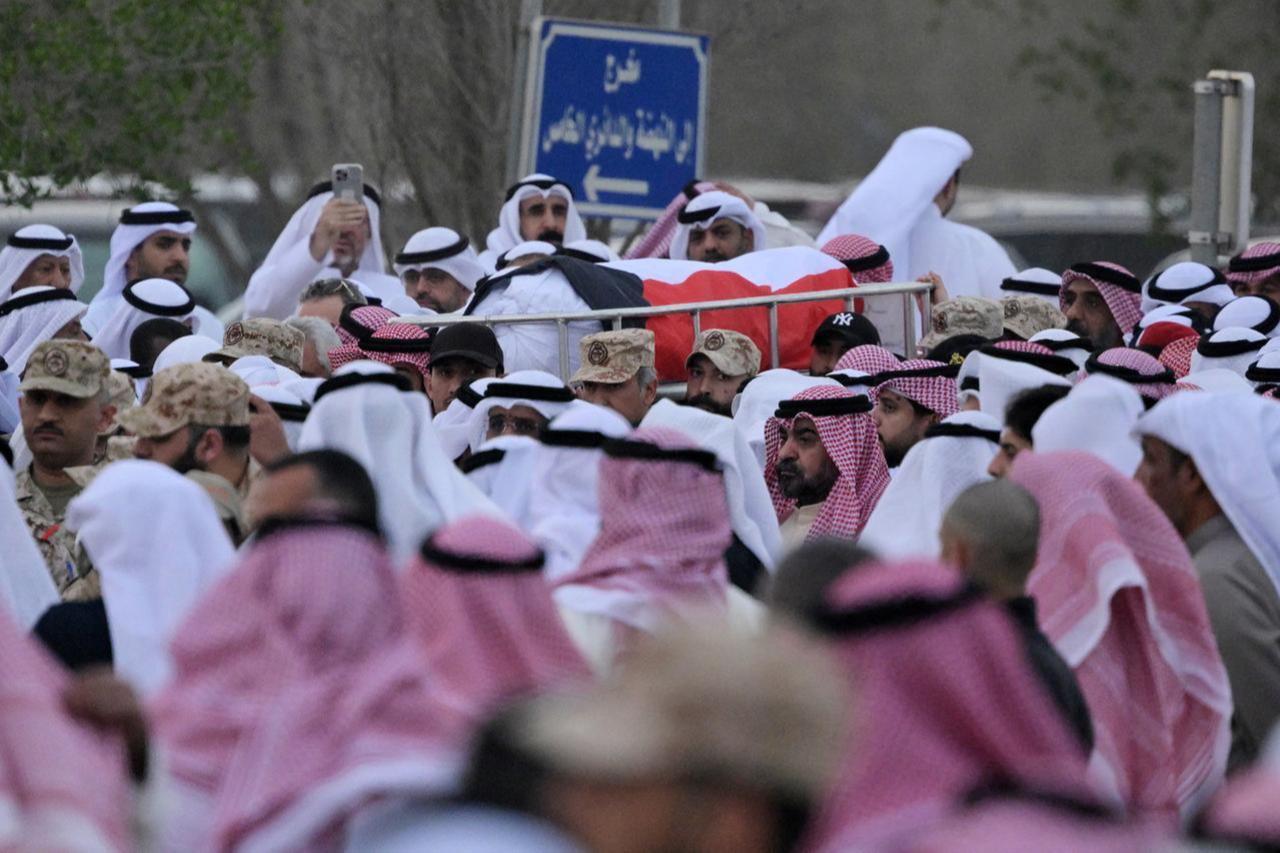


The Gulf governments repeatedly composed their messaging surrounding the war with Iran on three core themes: sovereignty, deterrence and stability.
Governments in the region have emphasized that Iranian attacks represent a violation of their territorial integrity and national sovereignty.
At the same time, officials have underscored that Gulf states retain the right to respond if they choose and have been called by some, like U.S. Senator Lindsey Graham, to practice that reservation. On Sunday, UAE officials denied Israeli reports of a strike inside Iran.
A third and equally important message centers on the continued functionality and safety of Gulf societies. Governments have been careful to stress that daily life continues largely uninterrupted despite regional tensions. Financial markets, tourism hubs, and commercial districts remain open and operational.
Projecting this sense of normalcy is not only about domestic reassurance but also about safeguarding long-term reputational interests, as many Gulf economies depend heavily on foreign investment, international tourism, and expatriate labor.
Preserving an image of stability is therefore viewed as a strategic necessity during periods of regional turbulence.
Other than that, there were also the reactions of public figures and independent analysts.
Within the region’s networked public sphere, particularly among students and younger audiences, the conversation could grow layered, according to Marc Owen Jones, an associate professor of media analytics at Northwestern University in Qatar.
While there is overlap with official narratives condemning Iranian attacks, younger voices often approach the conflict through a broader geopolitical lens.
Many observers in this demographic recognize the tension between opposing Iranian military actions and acknowledging that the current escalation emerged from a conflict initiated by the United States and Israel. This perspective does not necessarily translate into support for Iran, but it complicates the moral framing of the crisis.
Some individuals express concern about Iranian retaliation while simultaneously questioning the strategic decisions that produced the confrontation in the first place. This dual perspective has become a defining feature of online discourse in the region.
The widespread presence of American military bases across the Gulf also contributes to this ambivalence. For many residents, the U.S. security umbrella represents a key pillar of regional defense. Yet at the same time, that presence can transform Gulf territory into a potential frontline if hostilities expand.
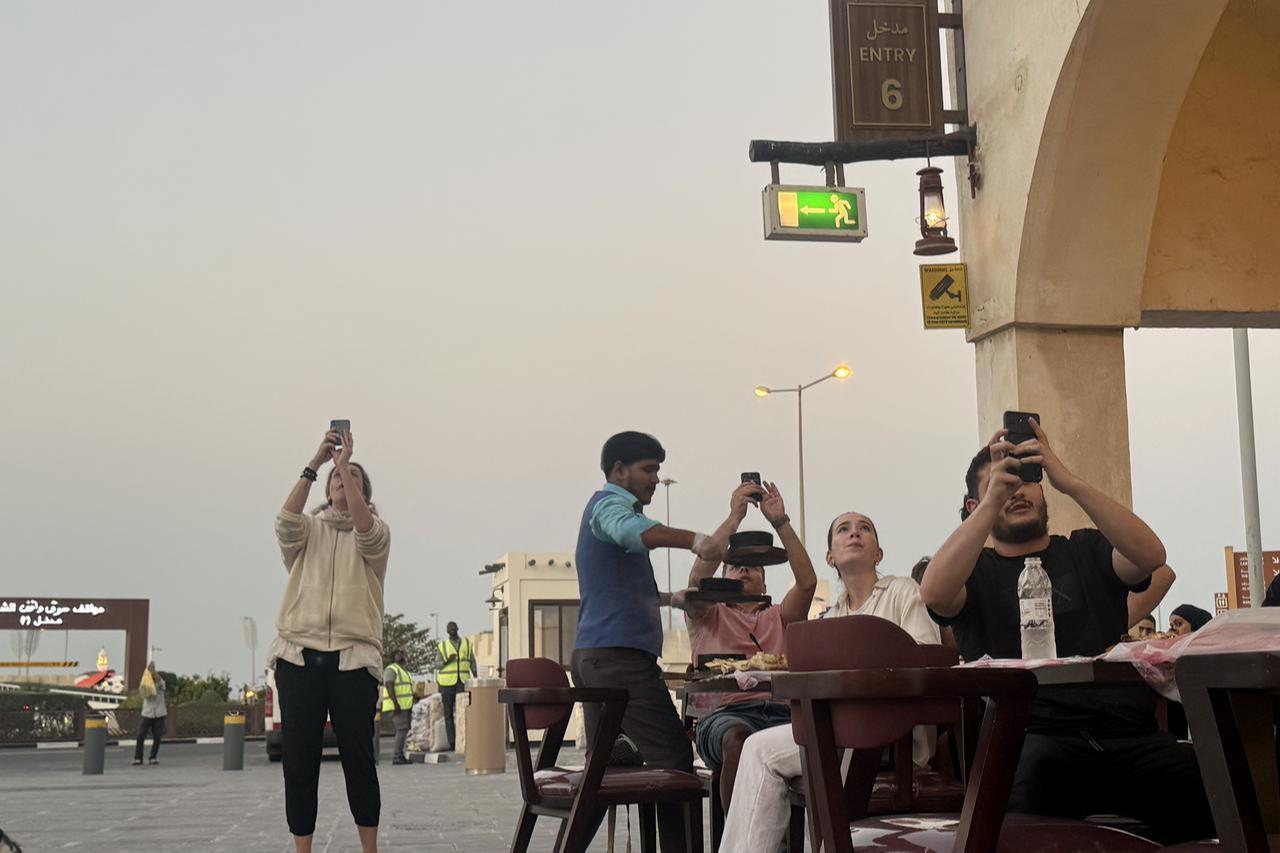

The Gulf is not a single entity. In certain cases, public reactions vary significantly from one Gulf country to another. Reports from Bahrain, for example, suggest that some individuals have openly celebrated Iranian attacks on U.S. military targets. Though limited, the reactions illustrate one of the differences.
One of the main sentiments in public opinion across the Gulf, however, remains sensitive to perceptions of alignment with outside powers, particularly the United States and Israel. Appearing too closely associated with Washington or especially with Tel Aviv can provoke discomfort among segments of the population.
This reaction does not necessarily indicate sympathy for Iran or support for its regional policies. Instead, it reflects a broader regional sensitivity toward foreign military intervention and perceived geopolitical double standards.
For many observers, these concerns shape how responsibility for the conflict is interpreted.
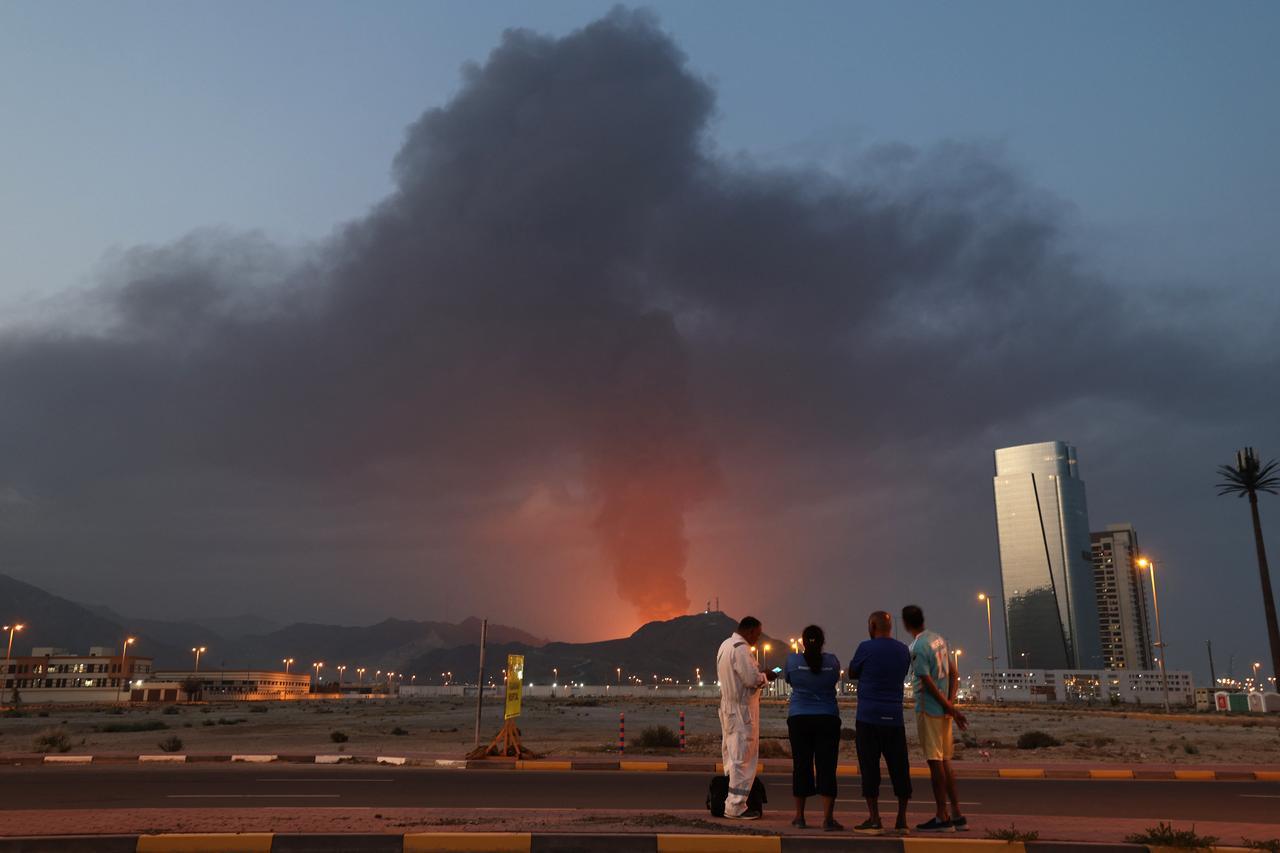
The public reactions were embedded in the analysis of commentators and public figures.
Saudi expert Sulaiman al-Oqaily articulated that the United States, while formally positioned as a security partner to Gulf states, appeared primarily focused on protecting Israeli security interests. In this view, the safety of Gulf partners seemed to play a secondary role in Washington’s calculations.
This perception has resonated in certain regional media discussions, where commentators have questioned whether long-standing security arrangements fully account for the vulnerabilities Gulf states face during periods of escalation.
Omani scholar Abdullah Baabood captured this concern in a widely shared social media post in early March. He argued that the confrontation between Iran and the United States is fundamentally not a Gulf war, yet Gulf states have found themselves exposed by geography and constrained by alliance structures. In this situation, regional countries risk becoming targets in a confrontation they neither initiated nor control.
UAE billionaire Habtoor, resonating the same message on his social media account, openly lambasted President Trump over the Iran war.
Qatari commentator Abdulrahman Al-Marri argued that any serious analysis of the crisis must begin with a fundamental observation: the war itself was a political choice shaped primarily by the United States and Israel.
At the same time, this perspective does not necessarily translate into absolving Iran of responsibility for its own regional conduct in the eyes of the Arab neighbors.
Al-Marri, for instance, emphasized that Gulf societies also carry long-standing grievances related to Iran’s involvement across the Middle East.
Iran’s backing of armed groups and its interventions in countries such as Iraq and Syria have left a deep imprint on regional political memory.
This layered interpretation reflects the broader reality that Gulf public opinion rarely divides neatly into pro- or anti-Iran positions. Instead, it often reflects a simultaneous criticism of multiple actors involved in the conflict.
In any case, there is only one thing that everyone wishes for, and that is for this situation not to last any longer.


 Set as preferred source
 Set as preferred source


 4 min read