Newsletters


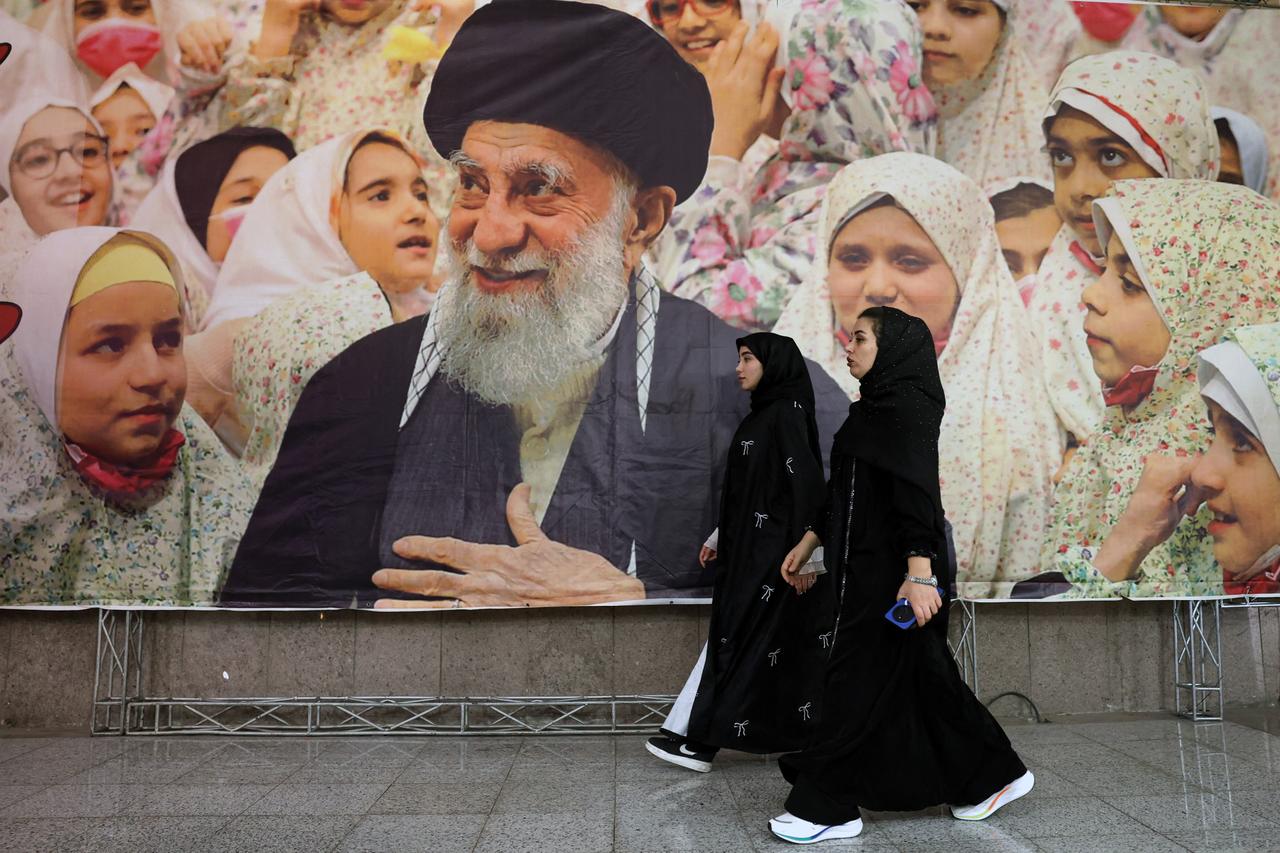


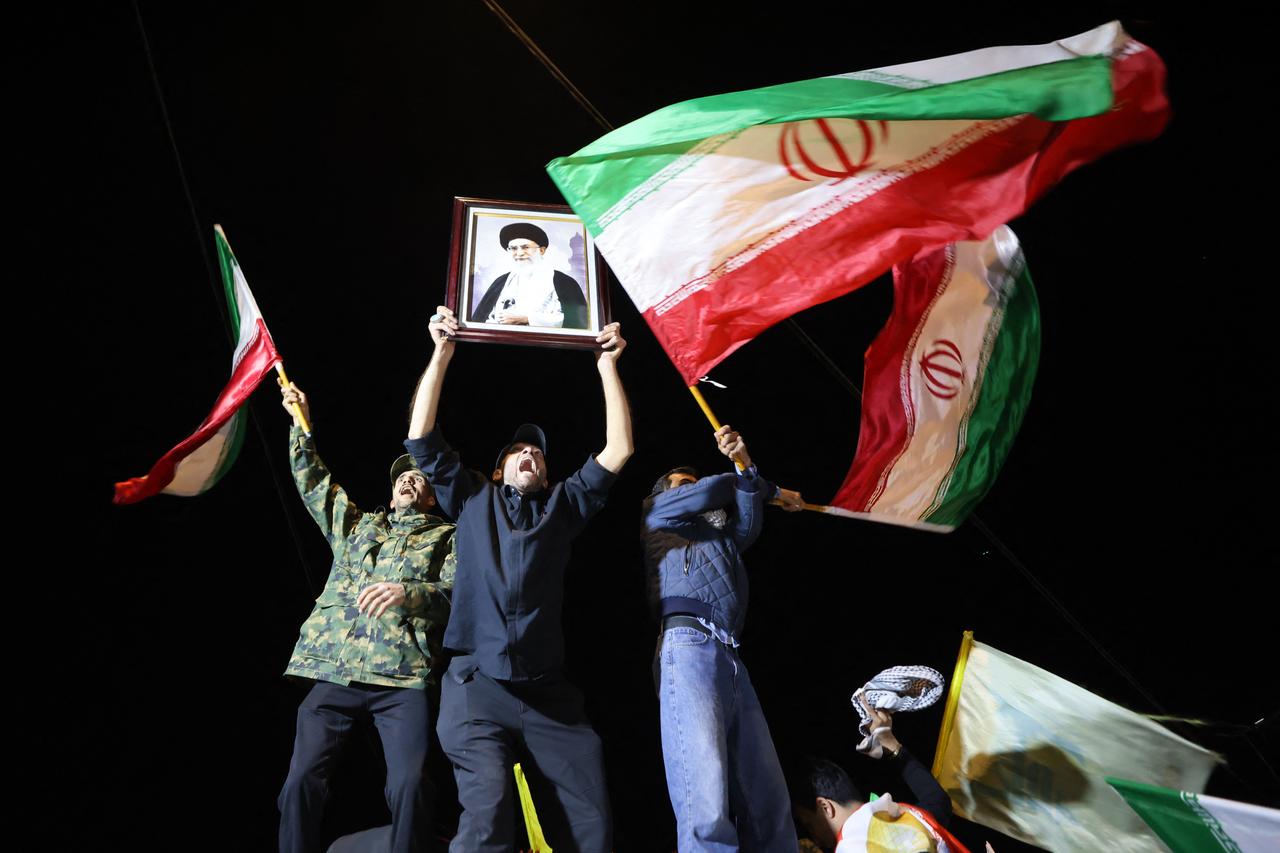
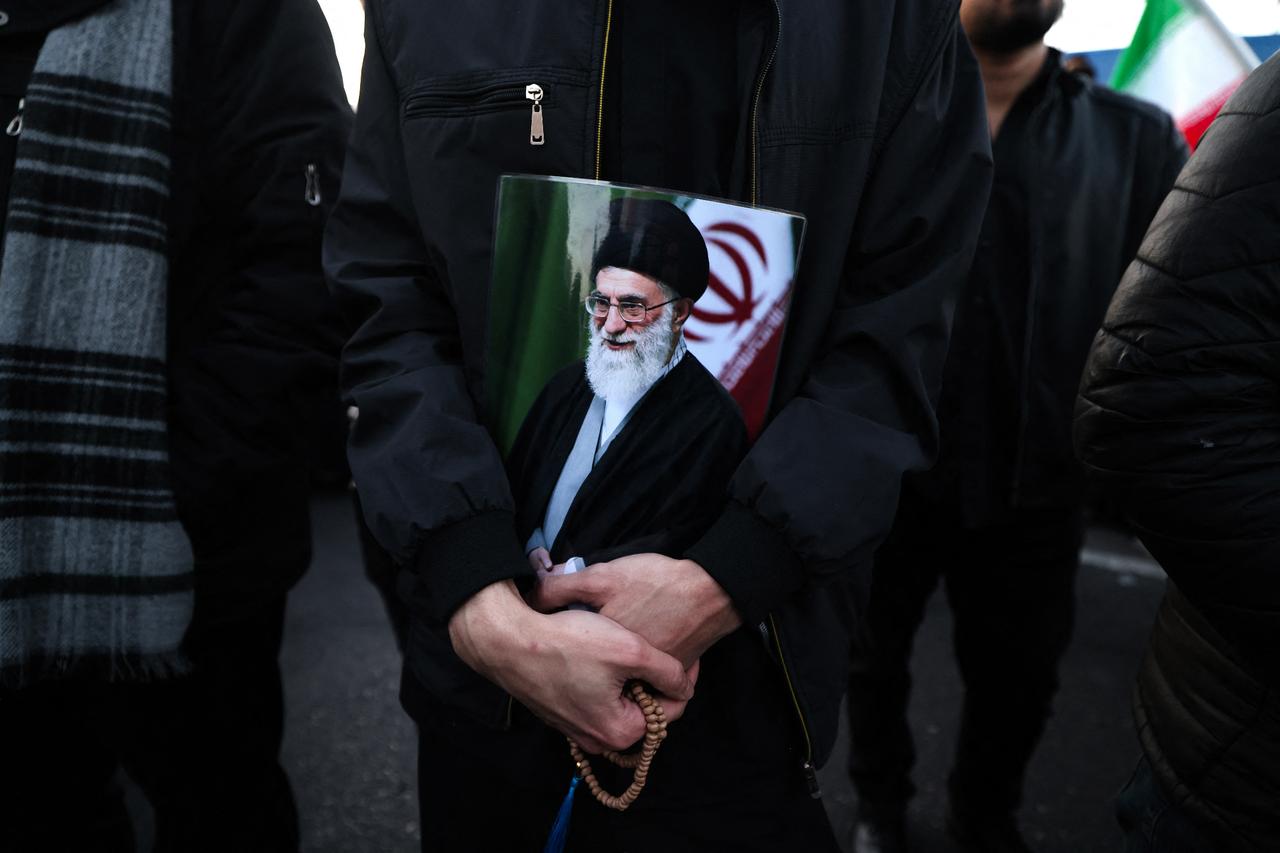
Iranian Supreme Leader and the religious head of followers of the Najaf school of Twelver Shiism, Ali Khamenei, has been killed during joint Israeli-American attacks against Iran.
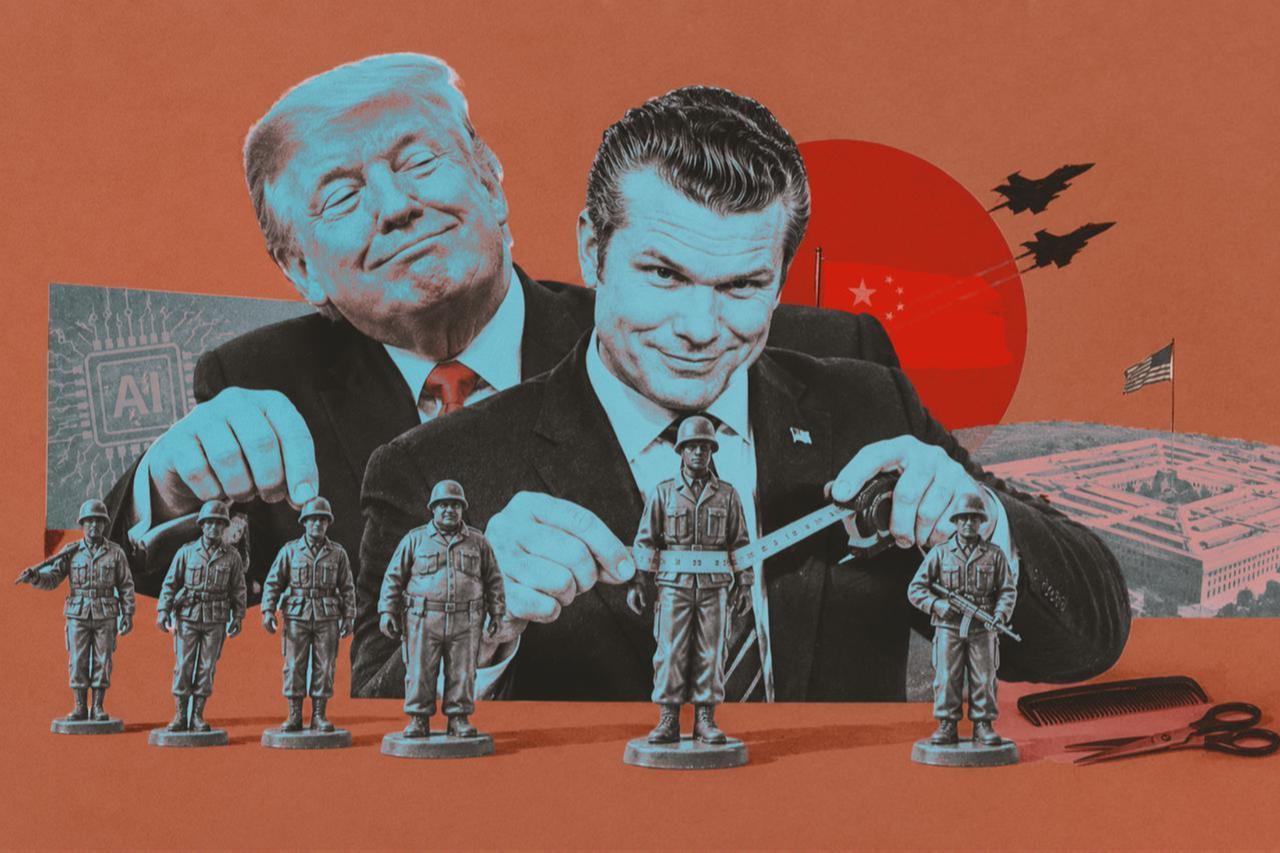
After Maduro, this is the second head of state taken out by the Trump administration’s policies this year.
But unlike Venezuela, the US actions in Iran give an impression of power poisoning rather than a calculated policy strategy.
When the 12-day war occurred, Donald Trump strongly opposed the killing of Ali Khamenei. Apparently, over time, the idea of assassinating Khamenei grew in Trump’s mind into something preferable.
Yet it remains unclear what the exact rationale of the Trump administration was in enabling his killing by Israel. Very unlike Trump, the American president has kept a relatively low profile since the American attacks on Iran.
The Trump administration has not provided the public with an explanation of the motives and political goals behind this assassination.

Don’t get me wrong.
Khamenei is a person who deserves to be held to account and punished. He was responsible for dozens of massacres, not only in Iran but also in Iraq and Syria.
He instructed the Iranian Revolutionary Guard Corps (IRGC) and Hezbollah to defend the brutal Assad regime.
But Khamenei being accused of war crimes does not mean that U.S. policy facilitating his killing by Benjamin Netanyahu—who is also accused of war crimes—has a clear political rationale.
 2 min read
As an outsider to U.S. politics, I cannot help but wonder whether the relative success in Venezuela helped convince Donald Trump that killing Khamenei was a good idea.
Looking back to June 2025, there is no significant change that would justify Trump’s shift in thinking.
Likewise, the popular uprising and its brutal suppression by the Iranian regime do not explain Trump’s change of mind, as the momentum had already faded.
The X posts by people close to the Trump administration asking who is next for March 2026 suggest that Trump changed his mind due to his perceived success in Venezuela.
But soon, even Trump will have to face an obvious reality.
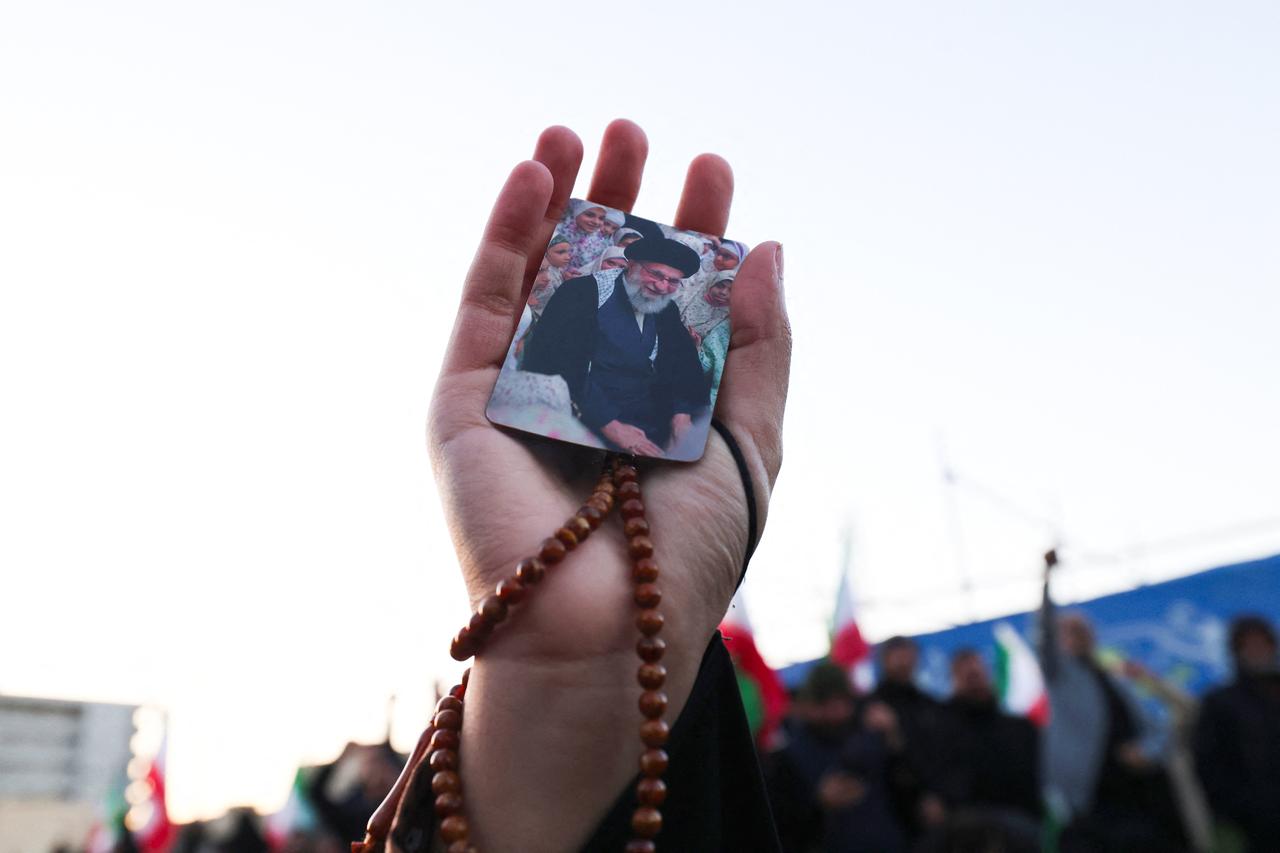
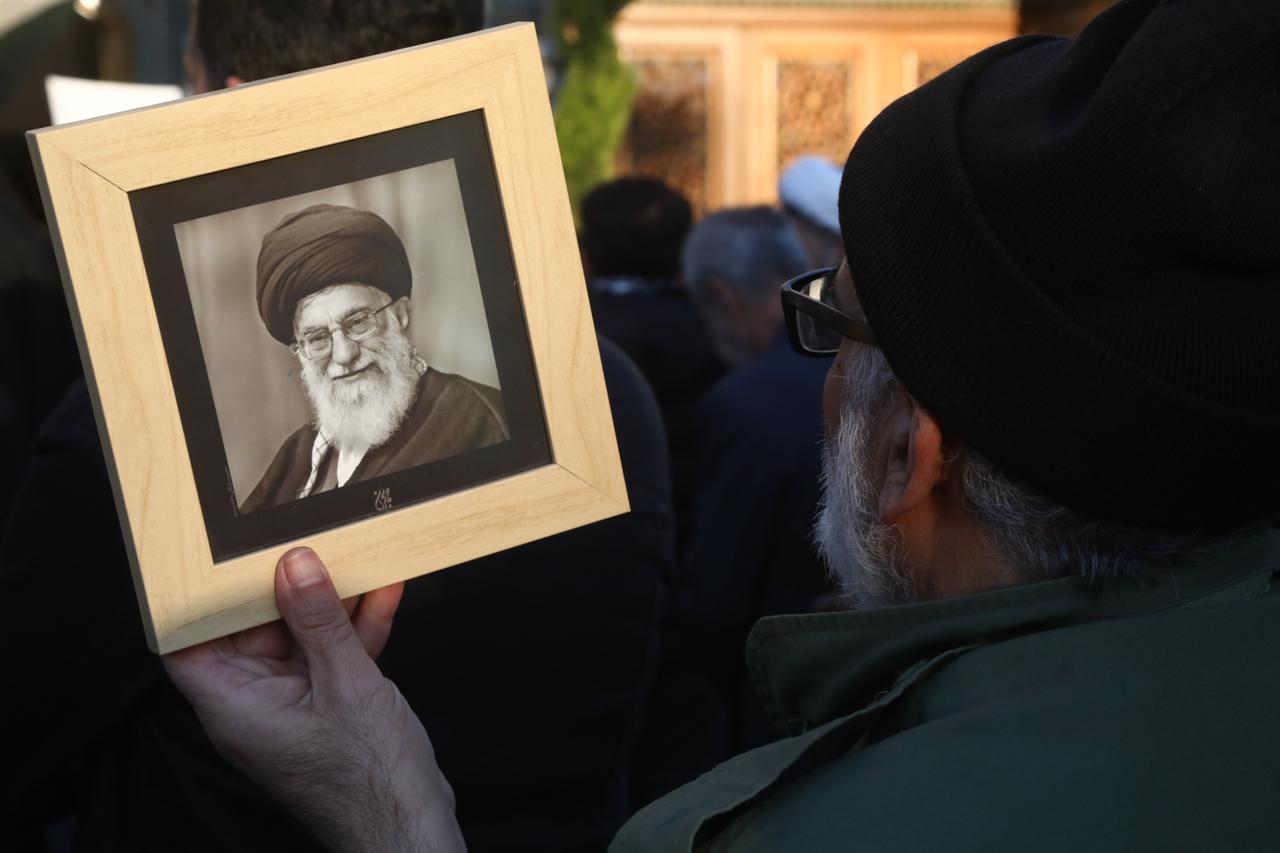
The Wilayat al-Faqih system is a core belief system of the Najaf school of Twelver Shiites, and religious obedience is not directed toward the individual supreme leader but toward the political and religious office itself.
Therefore, Iran is not Venezuela, and Khamenei was no Maduro.
The Iranian regime’s system has many flaws, but its greatest strength for survival is its religious foundation.


 Set as preferred source
 Set as preferred source


 1 min read