Newsletters





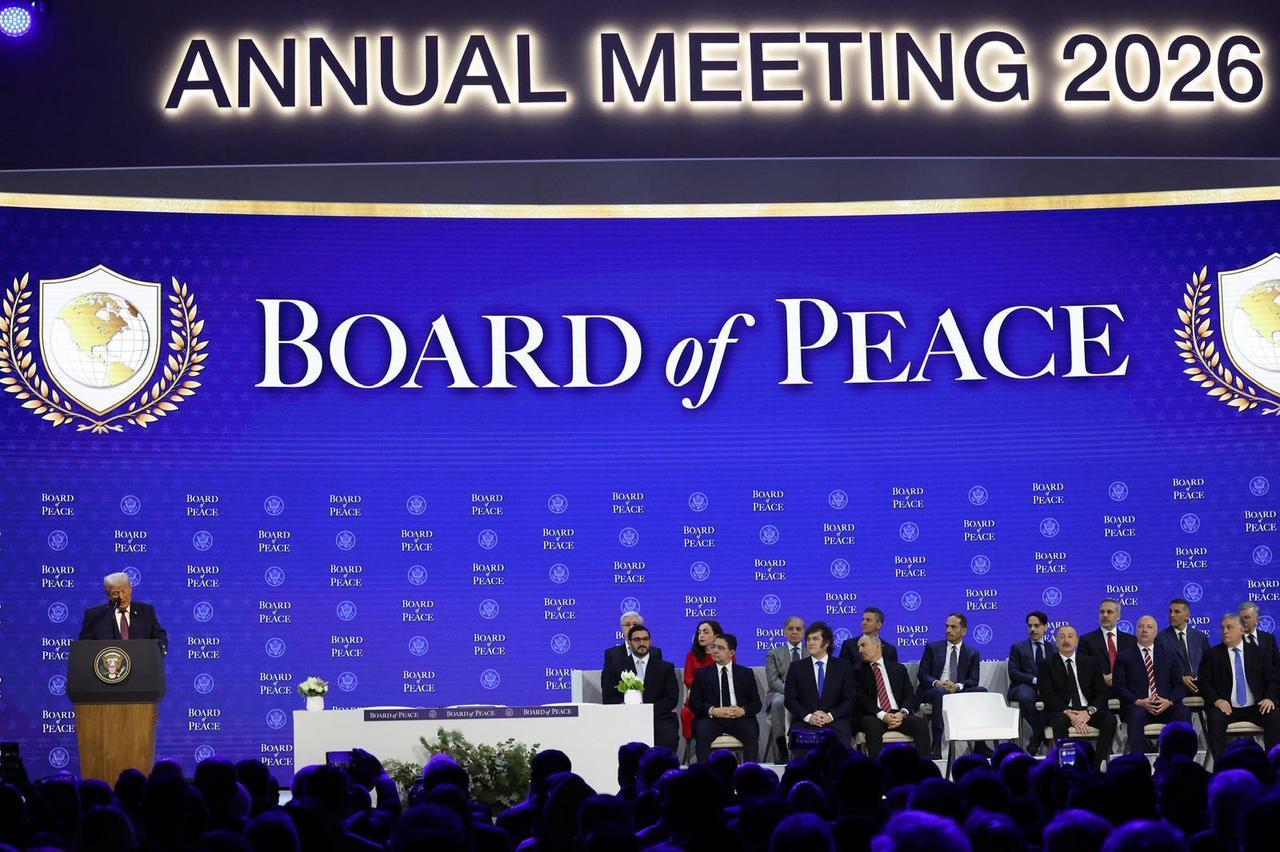
The White House is planning to host the first leaders' summit of the Gaza "Board of Peace" on Feb. 19 to advance the second phase of the Gaza ceasefire and raise funding for reconstruction in the war-ravaged Palestinian territory, Axios reported Friday.
"It will be the first Board of Peace meeting and a fundraising conference for Gaza reconstruction," Axios quoted a U.S. official as saying.
The Trump administration has begun reaching out to dozens of countries to invite leaders and discuss logistics, according to the report. The meeting is expected to be held at the Institute of Peace in Washington, which Trump recently rebranded in his own honor.
"Nothing has been confirmed yet, but the administration is planning it and has started checking which leaders are able to attend," one source told Axios.
The plans for the summit are still in the early stages and could change, according to the report.

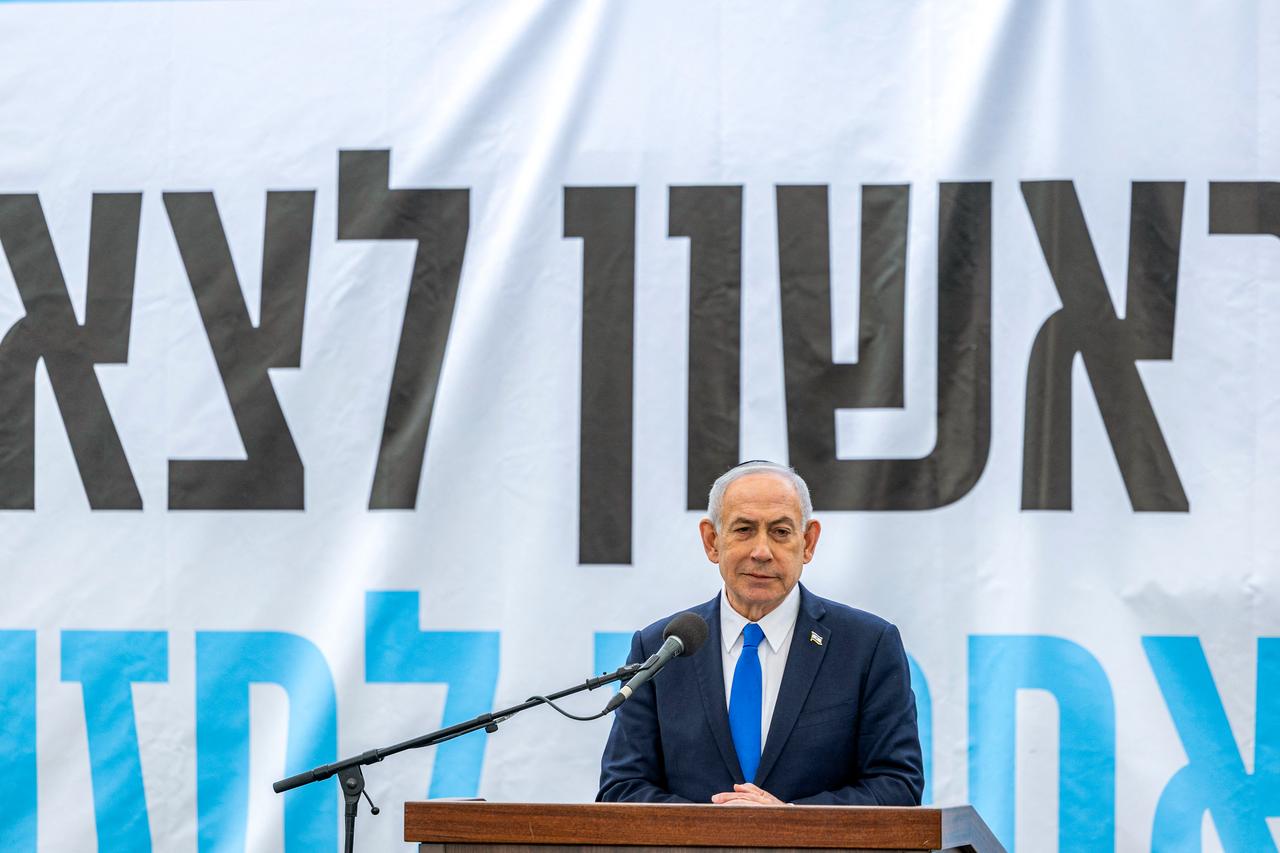
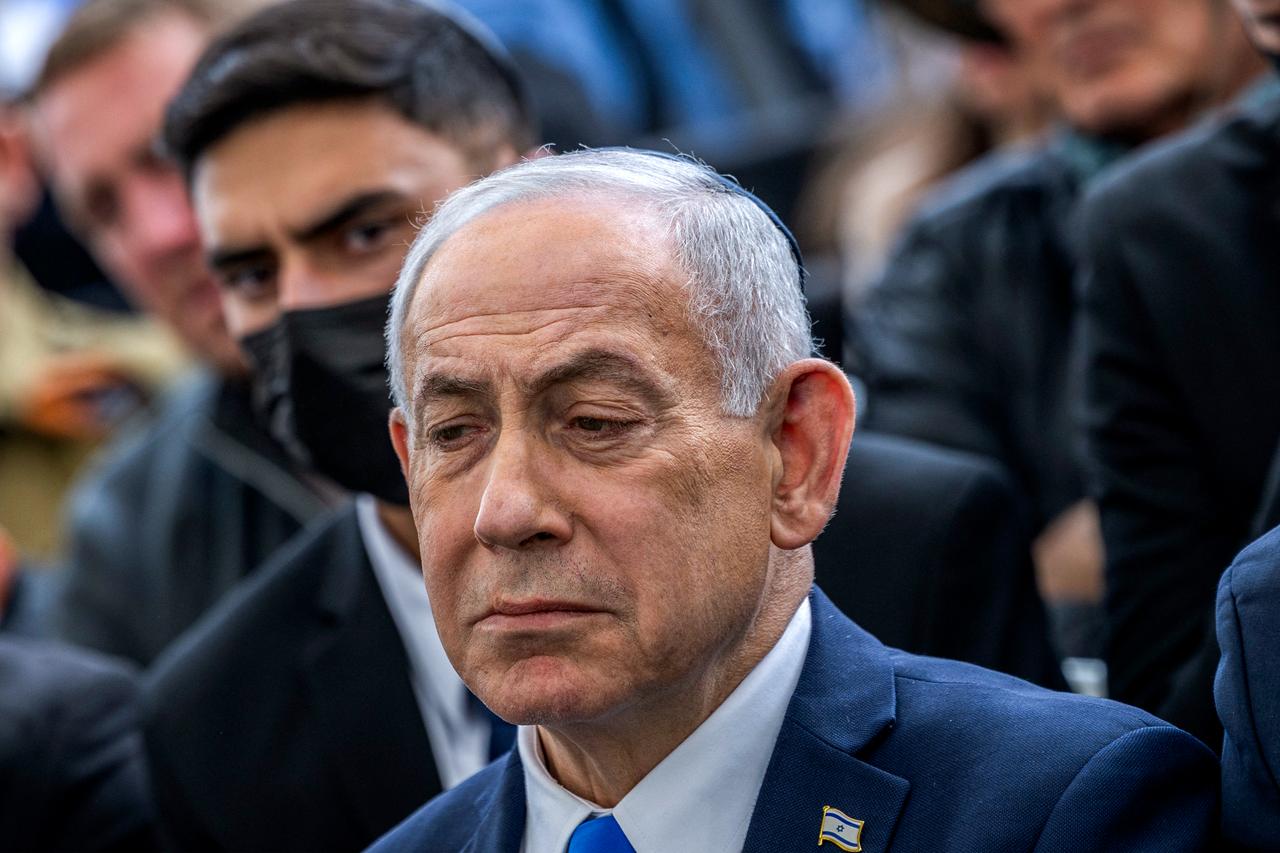
Israeli Prime Minister Benjamin Netanyahu is scheduled to meet U.S. President Donald Trump at the White House on Feb. 18, a day before the planned gathering.
Netanyahu has accepted Trump's invitation for Israel to join the board but has not yet signed its charter. If Netanyahu participates in the Board of Peace meeting, it would mark his first public meeting alongside Arab and Muslim leaders since before the Oct. 7, 2023, attack and the subsequent war in Gaza.
While implementation of the second phase of the Gaza ceasefire agreement has started, it is moving very slowly, according to the report.
Israel agreed to reopen the Rafah crossing between Gaza and Egypt, but only a very small number of Palestinians have been allowed through. A Palestinian technocratic government has been established, but it has not yet entered Gaza and is working from Egypt.
The Trump administration and other mediators—Egypt, Qatar and Türkiye—are in the early stages of trying to reach a demilitarization agreement with Hamas. Israel has said that without demilitarization, it will not withdraw its forces from Gaza or allow reconstruction.
U.S. Ambassador to the U.N. Mike Waltz said at a Security Council meeting last week that Washington wants to launch an "agreed process of decommissioning of weapons."
"All military, terror, and offensive infrastructure, including tunnels and weapon-production facilities, will be destroyed and not rebuilt," Waltz said.
He added that "independent international monitors" will supervise the demilitarization process and that there will be an internationally funded program to "buy back" weapons from Hamas members. Some former Hamas members will be invited to integrate into the new government security forces.
Netanyahu, who is skeptical about the U.S. plan for Gaza, claims Trump committed in their last meeting that Hamas would only have 60 days to disarm, after which Israel could resume the war.
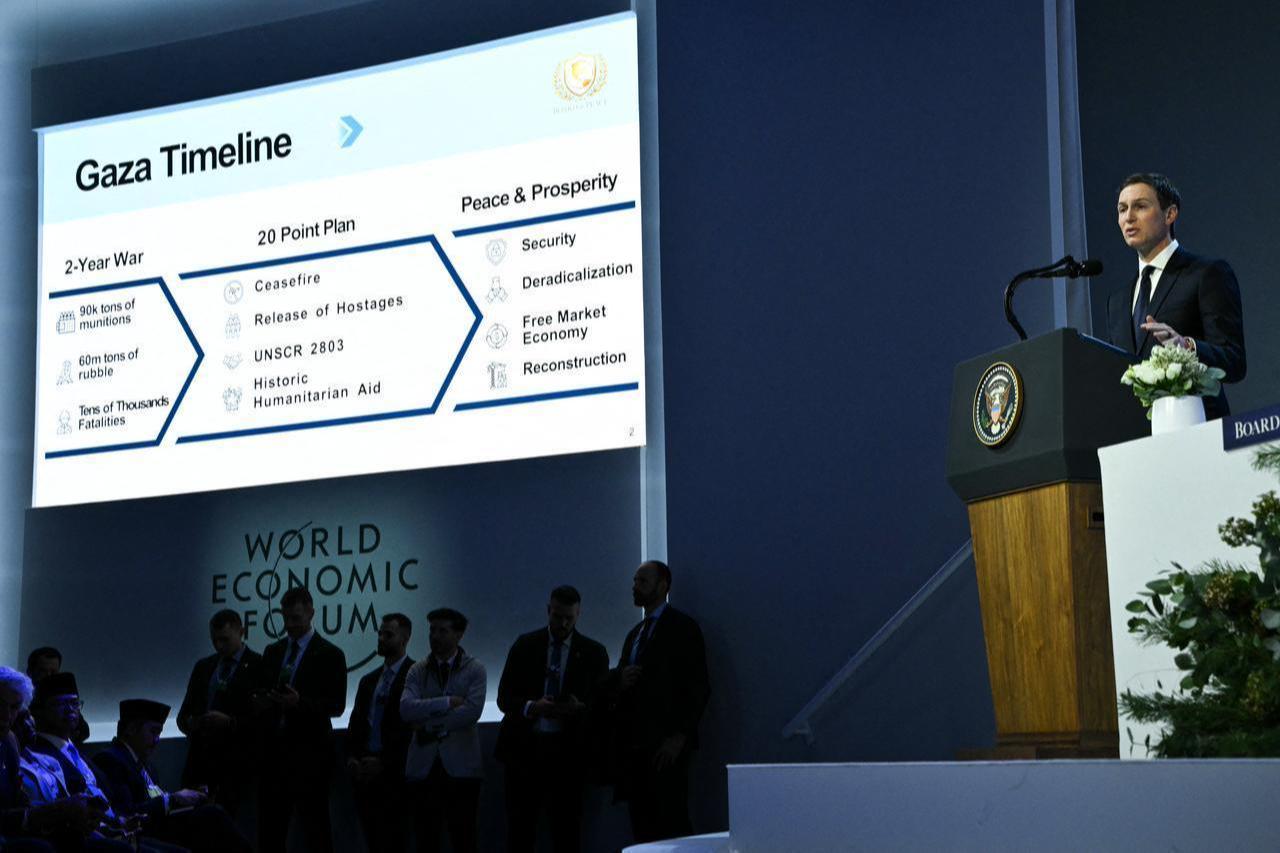
U.S. officials deny that claim and contend the demilitarization process will take much longer. Trump's adviser, Jared Kushner, laid out a 100-day plan in Davos that focused solely on initial demilitarization.
The board currently has 26 founding members and is chaired by Trump. The U.N. Security Council authorized it to oversee the implementation of the Gaza ceasefire and work on governance and reconstruction.
Founding members include Argentina, Armenia, Azerbaijan, Albania, Bahrain, Belarus, Bulgaria, Cambodia, El Salvador, Egypt, Hungary, Indonesia, Jordan, Kazakhstan, Kosovo, Kuwait, Mongolia, Morocco, Pakistan, Paraguay, Qatar, Saudi Arabia, Türkiye, the United Arab Emirates, Uzbekistan, and Vietnam.
Notably absent are major European countries such as France, Germany and the U.K. amid sharp disagreements with Trump on issues including Greenland and tariff policies.
The unveiling of the board last month was met with widespread skepticism. Most Western allies did not join, in part because the charter gives the board a broad mandate and Trump a sole veto over its decisions.
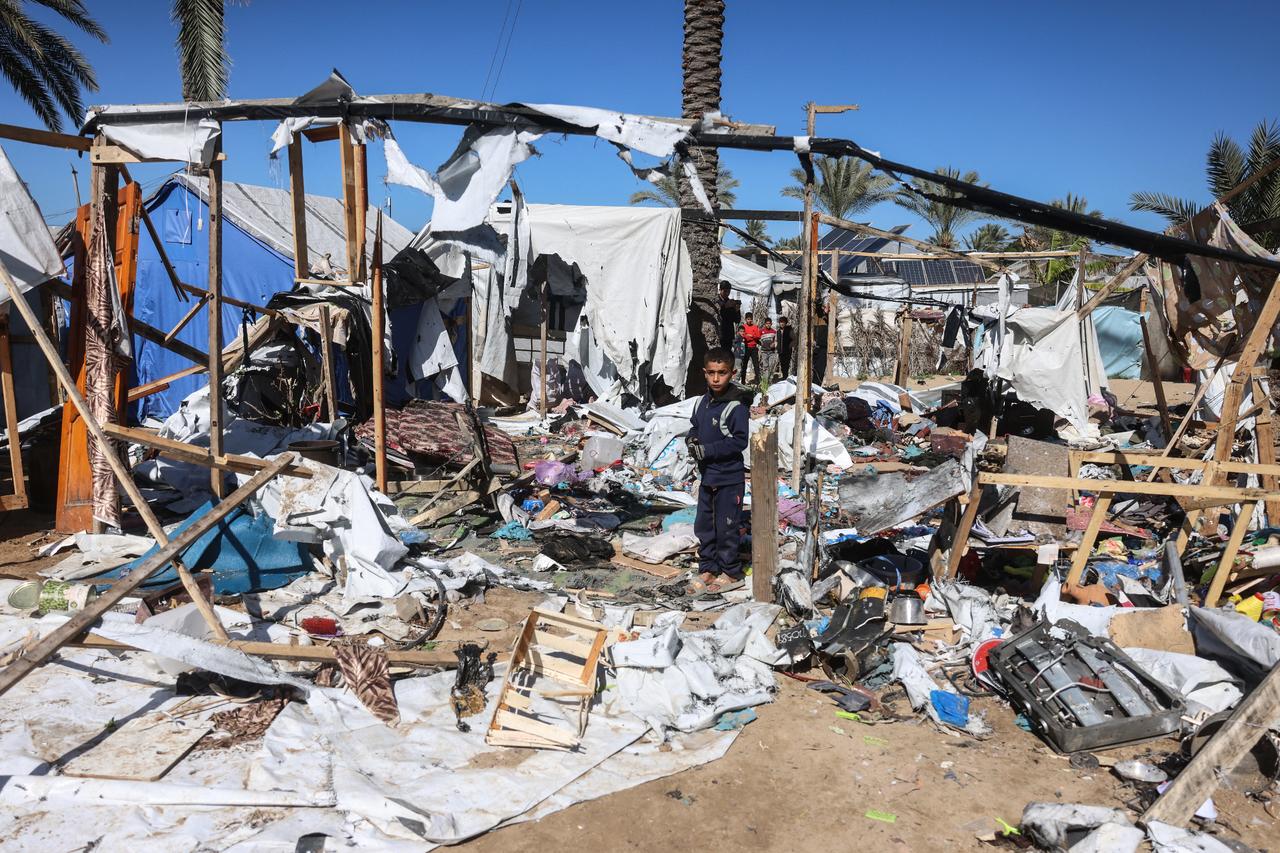
The fragile ceasefire in Gaza has been repeatedly violated, with over 550 Palestinians and four Israeli soldiers reported killed since the truce began in October.
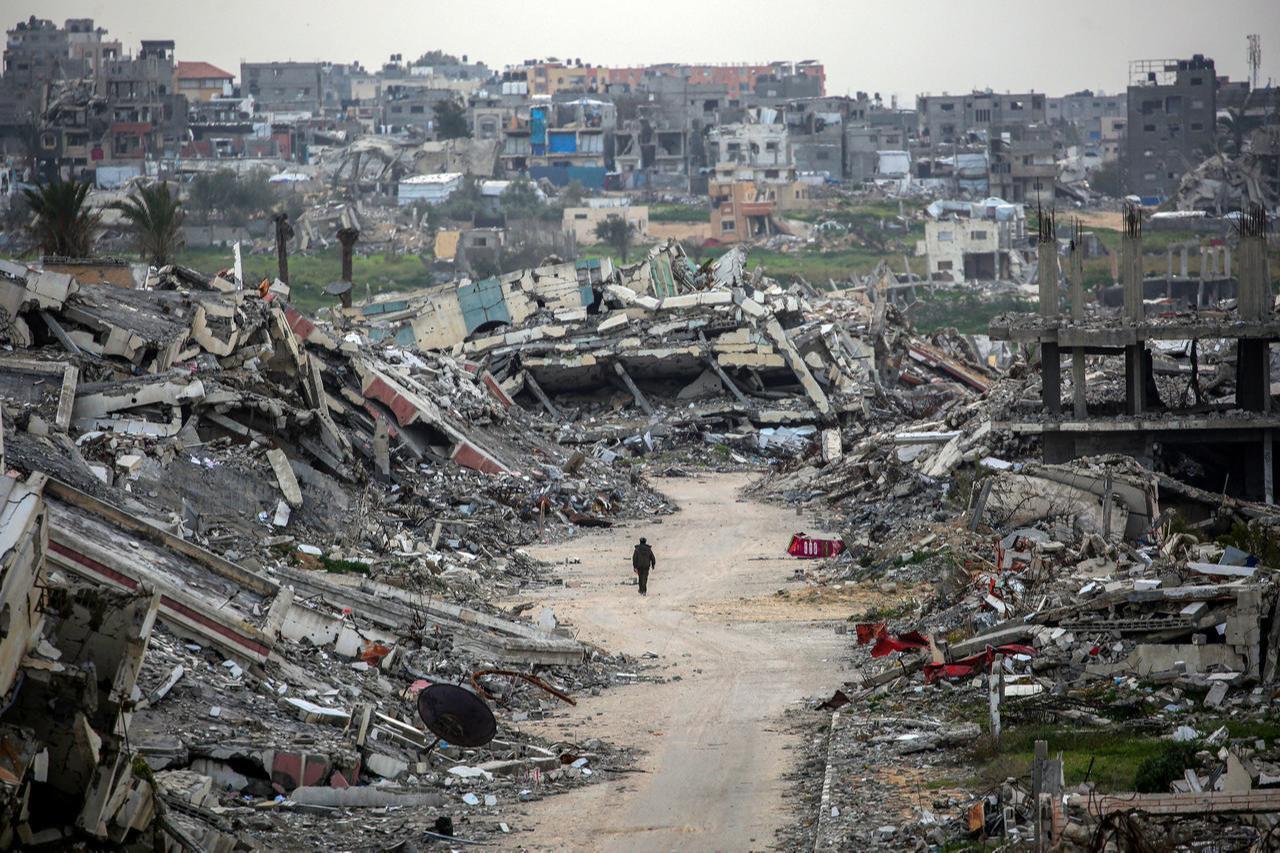
Israel's assault on Gaza since late 2023 has killed over 71,000 Palestinians, caused a hunger crisis, and internally displaced Gaza's entire population. Multiple rights experts, scholars and a U.N. inquiry say it amounts to genocide.


 Set as preferred source
 Set as preferred source


 2 min read
 1 min read