Newsletters


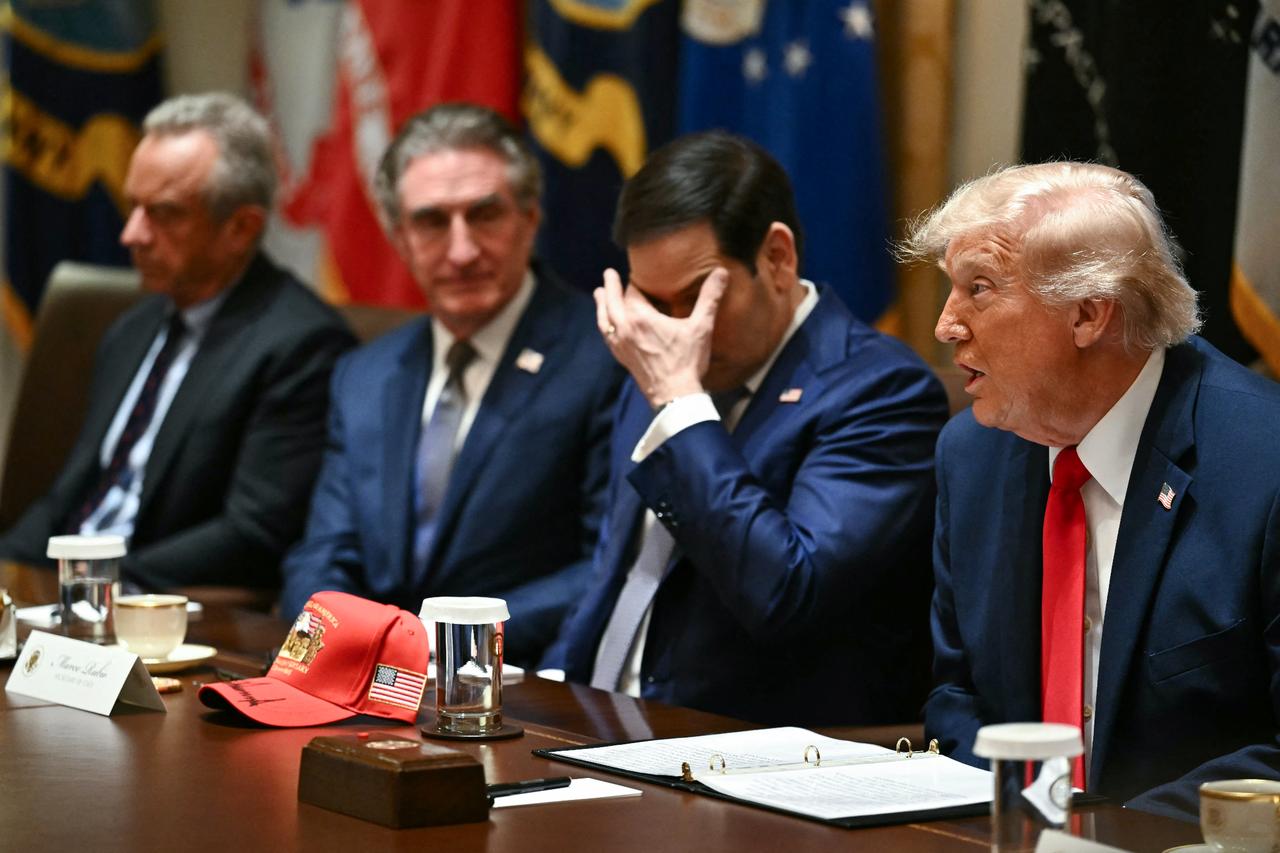


A White House official said Friday that U.S. President Donald Trump would only pursue a nuclear agreement with Iran if it meets Washington’s conditions following a lengthy meeting in the White House Situation Room.
“President Trump will only make a deal that is good for America and satisfies his redlines,” the official told Turkish news agency Anadolu.
The official said the high-level meeting lasted approximately two hours and reaffirmed the administration’s position on Tehran’s nuclear ambitions.
“Iran can never possess a nuclear weapon,” the official added.
The comments came amid ongoing U.S.-Iran negotiations, with Washington maintaining that any agreement must meet conditions set by Trump.
Earlier Friday, Trump said on Truth Social that he would meet with officials at the White House to make a “final determination” on a proposed agreement aimed at ending the conflict with Iran.
He said the proposal included an Iranian commitment never to obtain a nuclear weapon and the reopening of the Strait of Hormuz to unrestricted commercial shipping.
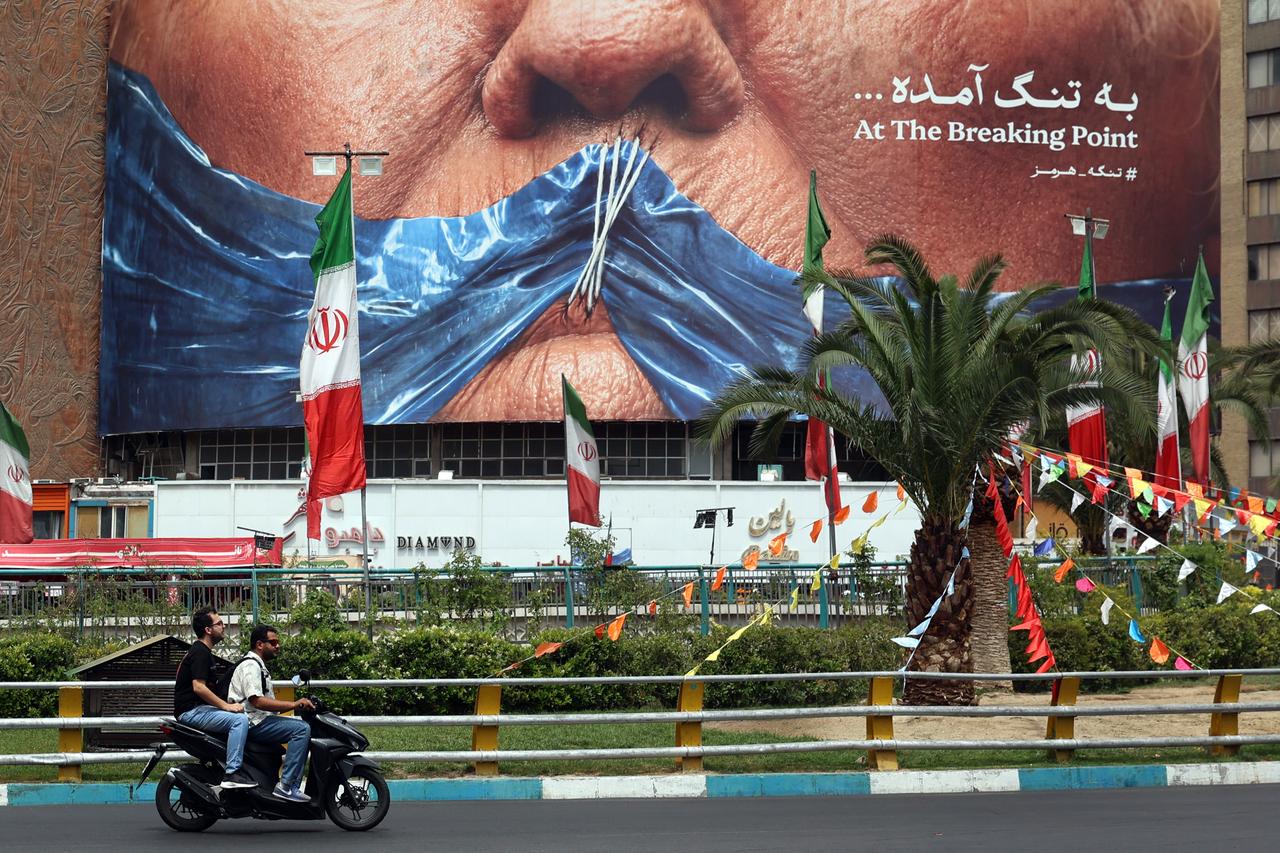

Meanwhile, Iran’s semi-official Tasnim news agency reported Saturday that the U.S. naval blockade of Iranian ports remains in place despite Trump’s announcement that restrictions would be lifted.
“The naval blockade is still in place, and ships are receiving stop warnings and denial of passage from CENTCOM,” Tasnim quoted Iranian seafarers as saying.
Mohsen Rezaei, a senior military adviser to Iran’s supreme leader, accused Washington of acting in bad faith.
“As expected, the U.S. President is betraying diplomacy for the third time,” Rezaei wrote on X.
“By continuing the naval blockade and making excessive demands in negotiations, he has further proven that he is not willing to engage in talks and is pursuing other objectives,” he added.
In a separate Truth Social post Friday, Trump said Iran would be required to remove any remaining mines in the Strait of Hormuz and that the United States would lift its naval blockade on vessels traveling to and from Iranian ports.
“Ships caught in the Strait due to our amazing and unprecedented Naval Blockade, which will now be lifted, may start the process of ‘heading home!’” Trump wrote.
Regional tensions escalated after the United States and Israel launched strikes on Iran in February.
Tehran responded with attacks targeting Israel and U.S. allies in the Gulf and moved to close the Strait of Hormuz.
A ceasefire took effect on April 8 through Pakistani mediation and was later extended indefinitely by Trump.
Following stalled negotiations in Islamabad, the United States imposed a blockade on Iranian ports on April 13, including ports located along the strategic Strait of Hormuz.
Mediation efforts aimed at reaching a permanent settlement to the conflict remain ongoing.


 Set as preferred source
 Set as preferred source


 1 min read
 1 min read