Newsletters


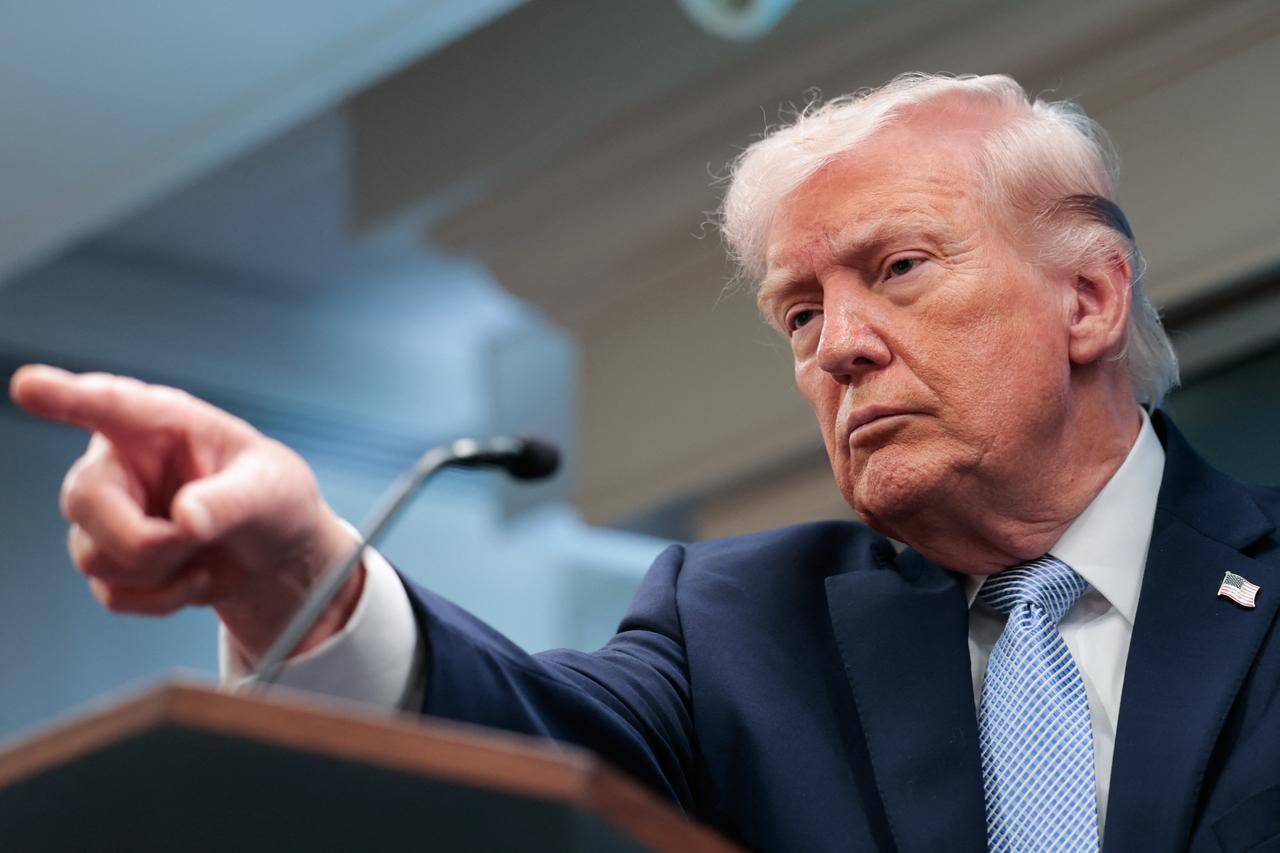


U.S. President Donald Trump on Tuesday called Iran's appeal for human shields around its power plants "totally illegal," sharpening his rhetoric as Washington's deadline for Tehran pressed closer and the two sides showed no sign of stepping back from the brink.
Trump had escalated his warning earlier same day, saying Iran could face catastrophic destruction if it does not comply with Washington’s demands by midnight.
In a post on Truth Social, Trump wrote that "a whole civilization will die tonight, never to be brought back again," presenting the moment as a decisive point in the world's history. "We have complete and total regime change, where different, smarter, and less radicalized minds prevail, maybe something revolutionarily wonderful can happen, WHO KNOWS?" he remarked, adding that the outcome would become clear within hours.
The warning is tied to Iran’s de facto closure of the Strait of Hormuz, a vital route for global oil flows. Trump has set a deadline for Tehran to reopen the passage, threatening that failure to do so could trigger a broad military response.
He has already pointed to potential strikes on major infrastructure, including bridges and power plants, though no detailed operational plan has been disclosed.
A temporary cease-fire proposal circulating earlier was dismissed on Monday, suggesting Washington is seeking broader concessions rather than a limited pause.
Iran has rejected the U.S. stance. State media reported that authorities are pushing for a full end to the war instead of a cease-fire. Trump, however, kept the door slightly open for a last-minute shift, signaling that the situation could still evolve depending on Tehran’s next move.
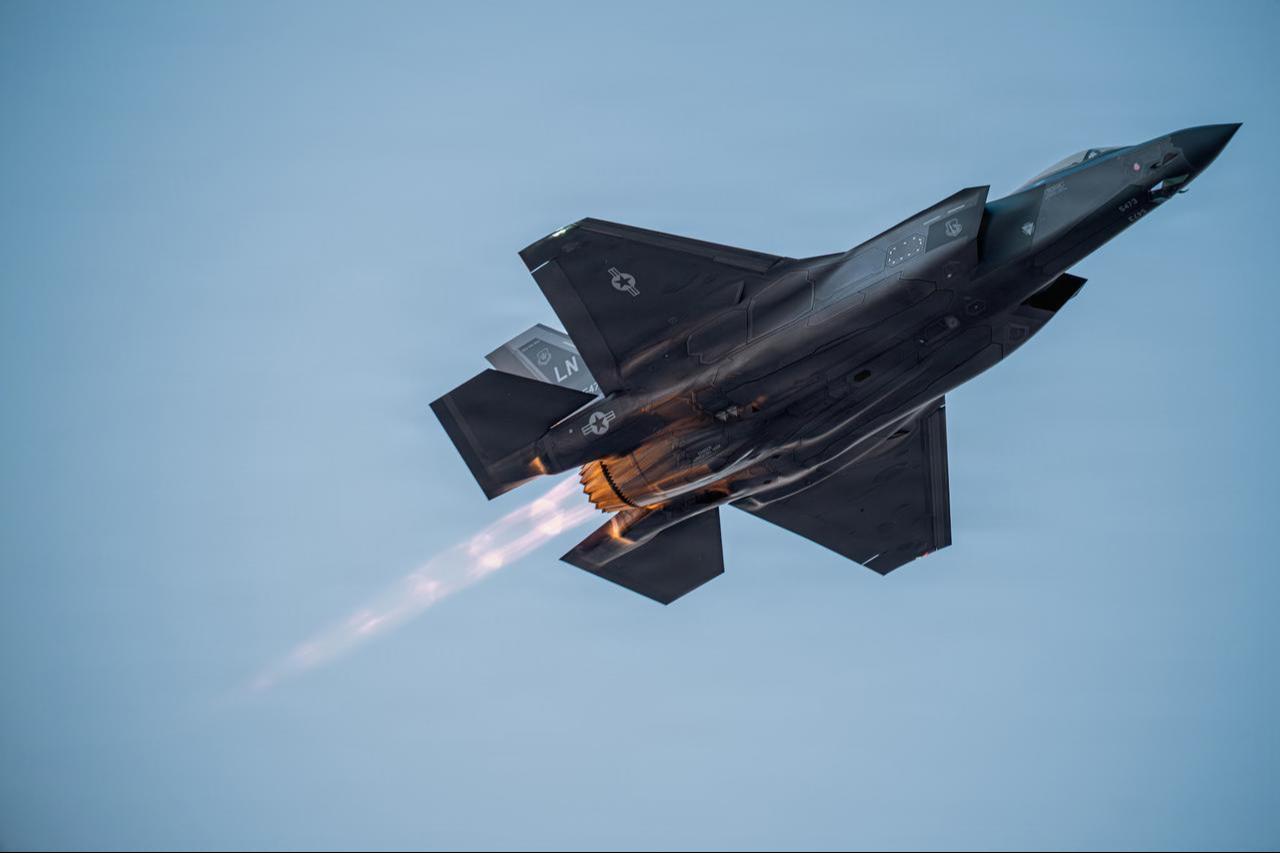

The warning comes as U.S. and Israeli warplanes have kept up strikes on Iran since Feb. 28.
On Tuesday, Iranian officials said Kharg Island—its main oil export hub—was under attack, with U.S. media reporting hits on more than 50 sites.
Washington is increasingly linking the island to the Strait of Hormuz standoff, treating it as leverage to pressure Tehran to reopen the route while keeping the option of broader action.
U.S. Vice President JD Vance said that Washington has "largely accomplished" its military objectives in the war, adding that the conflict is expected to end "very shortly," though the outcome now depends on Tehran. Vance said the U.S. could still take additional steps targeting Iran’s weapons capabilities, but indicated that the core objectives had been met.
He also cautioned that Washington retains further options if Iran does not shift course, noting that the U.S. still has “tools in our toolkit” it has not yet used. Vance confirmed recent strikes on Kharg Island but described them as consistent with the current strategy and not a change in direction, as negotiations continue ahead of the deadline.


 Set as preferred source
 Set as preferred source


 1 min read
 1 min read